
Nutrition comparison
Chayote vs Zucchini: Nutrition, Taste, and Which Is Better for You
Compare chayote and zucchini side by side. Discover which has more folate, which wins for eye health, and which vegetable fits your cooking style and diet best.
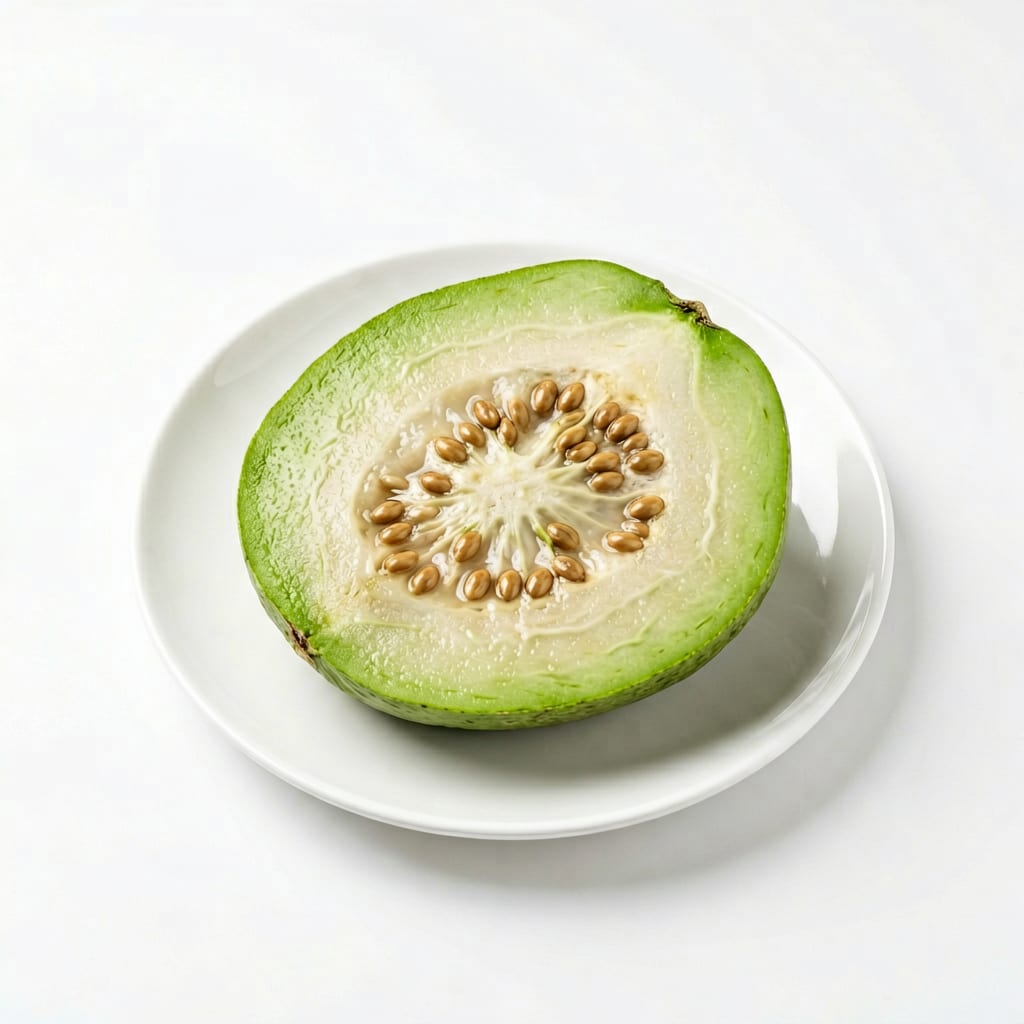
Chayote
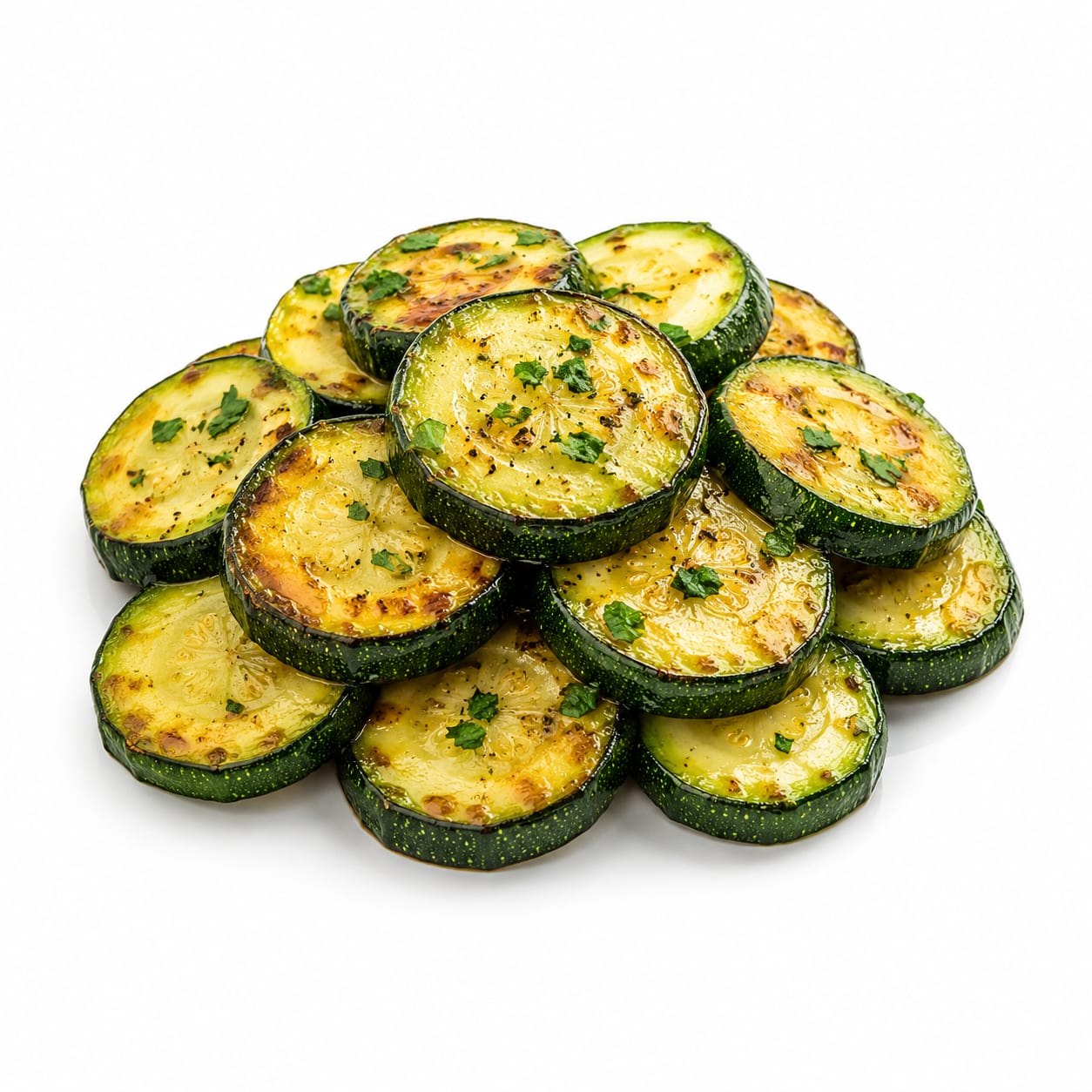
Zucchini
Chayote edges ahead on folate and unique amino acids, while zucchini wins on antioxidants, eye health nutrients, and everyday versatility. Pick based on what your diet is missing.
Zucchini scores slightly higher due to broader nutrient coverage, superior antioxidant content, and unmatched culinary flexibility. Chayote remains competitive thanks to its folate advantage and unique texture, but its limited availability and fewer use cases narrow its everyday appeal.
Chayote offers more folate and a satisfying crunch that holds up in cooking; zucchini delivers more vitamin A, lutein, and adapts to far more recipes like zoodles and baking.
At a glance
Executive summary
Overall
It depends
Healthier
It depends
More practical
Zucchini
Daily use
Zucchini
Key comparison lenses
nutrient density comparison
Both are low-calorie vegetables, so micronutrient differences become the deciding factor
culinary versatility
Users choosing between these two often want to know which fits more recipes and cooking styles
weight management suitability
Both are popular in low-calorie diets, making their satiety and volume-to-calorie ratio important
digestive tolerance
Both are gentle vegetables, but subtle differences in fiber type and oxalate content matter for sensitive eaters
antioxidant and eye health
Zucchini's lutein and zeaxanthin content creates a meaningful distinction for long-term health
Best choice for
Chayote
- Pregnant women or anyone needing more folate
- Those wanting a vegetable that stays crisp when cooked
- People exploring Latin American or Asian recipes
- Anyone seeking a mild-flavored veggie that absorbs seasonings well
Zucchini
- People focused on eye health and antioxidant intake
- Home cooks wanting maximum recipe versatility
- Those replacing pasta with vegetable noodles
- Anyone meal-prepping on a budget with easy-to-find produce
Least suitable for
Chayote
- People in areas where chayote is hard to find or expensive
- Those who need high vitamin A intake from vegetables
- Anyone unfamiliar with cooking it and wanting zero learning curve
Zucchini
- People with oxalate sensitivity needing lower-oxalate options
- Those bored with zucchini wanting something texturally different
- Anyone looking for significant folate from a single vegetable
Deep comparison
Dimension by dimension
Each lens scores both foods and breaks down who each option suits.
- Dimension 1 · Priority 88Zucchini
nutrient_density
Chayote · 68Zucchini · 76Zucchini covers more micronutrient ground, especially vitamin A and lutein, while chayote excels specifically in folate.
Tradeoff
Chayote gives you nearly double the folate, but zucchini delivers significantly more vitamin A and eye-protecting antioxidants that chayote lacks.
Why it matters
If your diet is already folate-rich, zucchini fills more nutritional gaps. If you skip leafy greens and legumes, chayote's folate becomes valuable.
Real-world impact
A serving of zucchini covers about 10% of your vitamin A needs, while chayote covers less than 2%. But chayote covers roughly 15% of daily folate versus zucchini's 8%.
Chayote
- Folate intake during pregnancy or preconception
- Diets low in beans, lentils, and leafy greens
Better for
- Vitamin A contribution is minimal
- Lacks the carotenoid antioxidants zucchini provides
Worse for
Zucchini
- Vitamin A and lutein for eye health
- Broader micronutrient coverage from a single vegetable
Better for
- Folate content is decent but not as concentrated as chayote
Worse for
- Dimension 2 · Priority 82Zucchini
culinary_versatility
Chayote · 62Zucchini · 88Zucchini adapts to grilling, roasting, baking, spiralizing, and even desserts. Chayote is versatile but less commonly used in Western kitchens.
Tradeoff
Chayote holds its crunch beautifully when cooked, which zucchini cannot do. But zucchini transforms into more dishes overall.
Why it matters
If you cook diverse meals weekly, zucchini fits more of them. If you want a stir-fry vegetable that stays firm, chayote is the better pick.
Real-world impact
Zucchini can become pasta, bread, fritters, soup, or a grilled side. Chayote shines in stews, salads, and stir-fries but has fewer mainstream recipe options.
Chayote
- Stir-fries where you want retained crunch
- Raw salads needing a crisp, apple-like texture
- Slow-cooked dishes where other vegetables turn mushy
Better for
- Fewer well-known recipes in Western cooking
- Does not caramelize or grill as effectively as zucchini
Worse for
Zucchini
- Zoodles and low-carb pasta replacements
- Baking into muffins or breads
- Grilling and roasting with caramelization potential
Better for
- Turns soft and watery when overcooked
- Cannot match chayote's satisfying crunch in cooked dishes
Worse for
- Dimension 3 · Priority 78It depends
weight_management
Chayote · 76Zucchini · 76Both are extremely low in calories and high in water content, making them equally excellent for volume eating.
Tradeoff
Chayote's crunch may feel more satisfying per bite, while zucchini's larger typical portion size fills plates more visually.
Why it matters
At roughly 16-17 calories per 100 grams, neither will drive weight gain. The real question is which keeps you fuller longer, and that depends on cooking style.
Real-world impact
A large zucchini can replace an entire plate of pasta for under 50 calories. A chayote adds bulk to soups and stews without noticeable calorie increase.
Chayote
- Volume eating in soups and stews where crunch adds satisfaction
- Meals where you want to feel like you ate something substantial
Better for
- Smaller typical size means less visual plate volume per piece
Worse for
Zucchini
- Replacing higher-calorie carbs like pasta
- Bulking up meals with minimal calories through zoodles
Better for
- Can feel watery and unsatisfying if not cooked with enough flavor or fat
Worse for
- Dimension 4 · Priority 72Chayote
digestive_tolerance
Chayote · 80Zucchini · 72Chayote is slightly gentler on digestion due to lower oxalate content and a softer fiber profile.
Tradeoff
Zucchini contains more oxalates, which can bother sensitive kidneys or IBS sufferers, but its fiber is still well-tolerated by most people.
Why it matters
If you have a history of kidney stones or irritable bowel, the oxalate difference is worth knowing. For everyone else, both are easy to digest.
Real-world impact
People prone to calcium oxalate stones should lean toward chayote. Those without sensitivities can enjoy both without concern.
Chayote
- Low-oxalate diets for kidney stone prevention
- Sensitive digestive systems that react to higher-fiber vegetables
Better for
- Minimal downside for digestion
Worse for
Zucchini
- Most people without oxalate concerns will tolerate it perfectly fine
Better for
- Moderate oxalate content may be problematic for stone-formers
Worse for
- Dimension 5 · Priority 70Zucchini
antioxidant_and_eye_health
Chayote · 52Zucchini · 82Zucchini is rich in lutein, zeaxanthin, and beta-carotene, all critical for eye health. Chayote has minimal antioxidant content by comparison.
Tradeoff
Chayote offers some vitamin C but lacks the concentrated carotenoids that make zucchini a standout for long-term eye protection.
Why it matters
If screen time is high or eye health runs in your family, zucchini's lutein and zeaxanthin are genuinely valuable. Chayote does not meaningfully contribute here.
Real-world impact
Regular zucchini consumption supports macular health over decades. Chayote supports general immunity through vitamin C but not eye-specific protection.
Chayote
- General immune support from vitamin C
Better for
- Virtually no lutein or zeaxanthin
- Minimal contribution to antioxidant defense compared to zucchini
Worse for
Zucchini
- Long-term eye health and macular degeneration prevention
- Cellular protection from carotenoid antioxidants
- Diets low in other lutein-rich foods like kale and spinach
Better for
- Not a concern in this dimension
Worse for
- Dimension 6 · Priority 68Zucchini
availability_and_affordability
Chayote · 55Zucchini · 88Zucchini is available year-round in virtually every grocery store. Chayote requires specialty stores in many regions and costs more per pound.
Tradeoff
Chayote's unique nutritional profile comes at the cost of harder access and higher prices outside Latin and Asian markets.
Why it matters
The best vegetable is the one you can actually buy consistently. Zucchini wins on convenience for most shoppers.
Real-world impact
Zucchini is often under $2 per pound everywhere. Chayote can run $3-5 per pound and may require a trip to a specialty store.
Chayote
- Regions with large Latin American or Asian populations where chayote is cheap and abundant
Better for
- Hard to find in rural or non-diverse areas
- Often more expensive when available
Worse for
Zucchini
- Year-round availability in standard grocery stores
- Lower cost per pound in most markets
- Easy to find organic options
Better for
- Not a concern in this dimension
Worse for
Timeline
Health impact over time
Short-term
Hours to days
Chayote
- Light, hydrating, and easy on the stomach after any meal
- Crunchy texture promotes slower eating and better satiety signals
- Mild diuretic effect from potassium supports reduced bloating
Zucchini
- Very filling per calorie, especially when cooked with a little healthy fat
- High water content supports hydration without feeling heavy
- Quick to prepare, making healthy eating more convenient on busy days
Long-term
Months to years
Chayote
- Consistent folate intake supports cardiovascular and cognitive health over time
- Low oxalate load reduces long-term kidney stone risk for susceptible people
- Amino acid profile contributes modestly to tissue repair when eaten regularly
Zucchini
- Lutein and zeaxanthin accumulation protects against age-related macular degeneration
- Regular consumption supports healthy blood pressure through potassium intake
- Carotenoid antioxidants reduce oxidative stress linked to chronic disease
Risk profile
Safety & processing
Both chayote and zucchini are whole, unprocessed vegetables typically sold fresh and raw. Neither carries meaningful additive concerns unless purchased pre-cut or frozen with preservatives.
Chayote
Pesticide residue on conventionally grown chayote
lowChayote typically has low pesticide residue due to its thick skin, but washing is still recommended. Peeling further reduces exposure.
Contamination from improper handling in specialty markets
lowLess standardized supply chains in some import channels mean slightly higher handling variability. Rinse thoroughly before use.
Zucchini
Pesticide residue on conventionally grown zucchini
mediumZucchini frequently appears on produce lists with moderate pesticide residue. Choosing organic reduces this meaningfully.
Oxalate accumulation for kidney stone formers
lowZucchini contains moderate oxalates. Not a concern for most people, but those with a history of calcium oxalate stones should moderate intake.
Who wins for whom
Audience fit
Same foods, different winners depending on your goal.
children
ZucchiniZucchini's milder flavor and familiar texture make it easier to introduce to kids. Zucchini muffins and zoodles are kid-approved entry points.
daily consumption
ZucchiniZucchini's availability, affordability, and recipe flexibility make it more sustainable as a daily vegetable. Chayote is a great rotation addition but harder to rely on exclusively.
diabetes
It dependsBoth have minimal impact on blood sugar with glycemic loads near zero. Either works well as a diabetes-friendly vegetable.
elderly
ZucchiniZucchini's soft texture when cooked is easier to chew and digest for aging mouths and digestive systems. Its lutein also supports aging eyes.
muscle gain
It dependsNeither is a meaningful protein source. Both serve as calorie-light sides that let you allocate calories toward protein-rich foods instead.
weight loss
It dependsBoth are extremely low calorie and high volume. Zucchini edges ahead for pasta replacement, while chayote's crunch may feel more satisfying in cooked dishes.
Your move
Decision guide
Choose Chayote
- You want more folate in your diet, especially during pregnancy
- You cook a lot of stir-fries, soups, or Latin American dishes
- You value a vegetable that stays crisp and firm when cooked
- You are prone to kidney stones and need lower-oxalate options
- You have access to affordable chayote at local markets
Choose Zucchini
- You want maximum antioxidant and eye-health benefits
- You need a versatile vegetable for zoodles, grilling, or baking
- You shop at standard grocery stores and want easy availability
- You are introducing more vegetables to picky eaters or children
- You want the most recipe options from a single vegetable
Either works if
- You simply need a low-calorie vegetable to bulk up meals
- Blood sugar control is your primary concern
- You enjoy both and want dietary variety
- You are meal-prepping and want to rotate vegetables weekly
Avoid both if
- You need calorie-dense foods for weight gain
- You are looking for significant protein from vegetables
- You have a severe allergy to Cucurbitaceae family plants
Final recommendation
Keep zucchini as your everyday workhorse vegetable and add chayote when you find it fresh and affordable. Zucchini gives you more nutrients, more recipes, and easier access. Chayote gives you a textural experience and folate boost that zucchini cannot match. Together, they complement each other perfectly in a weekly rotation.
Practical
Consumer tips
- 1
Choose firm, unblemished chayote with smooth green skin. Wrinkled or soft spots mean it is past peak freshness.
- 2
Smaller zucchini tend to be sweeter and less watery than oversized ones. Aim for 6-8 inches long.
- 3
Peel chayote under running water to reduce the slightly sticky sap some varieties produce.
- 4
Salt zucchini slices and let them rest 10 minutes before cooking to draw out excess moisture for better browning.
- 5
Both vegetables store best in a plastic bag in the crisper drawer. Chayote lasts up to a month; zucchini about 1-2 weeks.
- 6
Organic zucchini is worth the premium if you eat it frequently, due to moderate pesticide residue on conventional versions.
- 7
Chayote can be eaten raw like jicama for a refreshing crunch in salads.
- 8
Freeze grated zucchini in portioned bags for easy addition to smoothies, soups, or baking later.