
Nutrition comparison
Chayote vs Yellow Squash: Nutrition Comparison, Health Benefits & Best Uses
Compare Chayote and Yellow Squash side by side. Discover which low-calorie vegetable is better for weight loss, eye health, digestion, and everyday cooking.
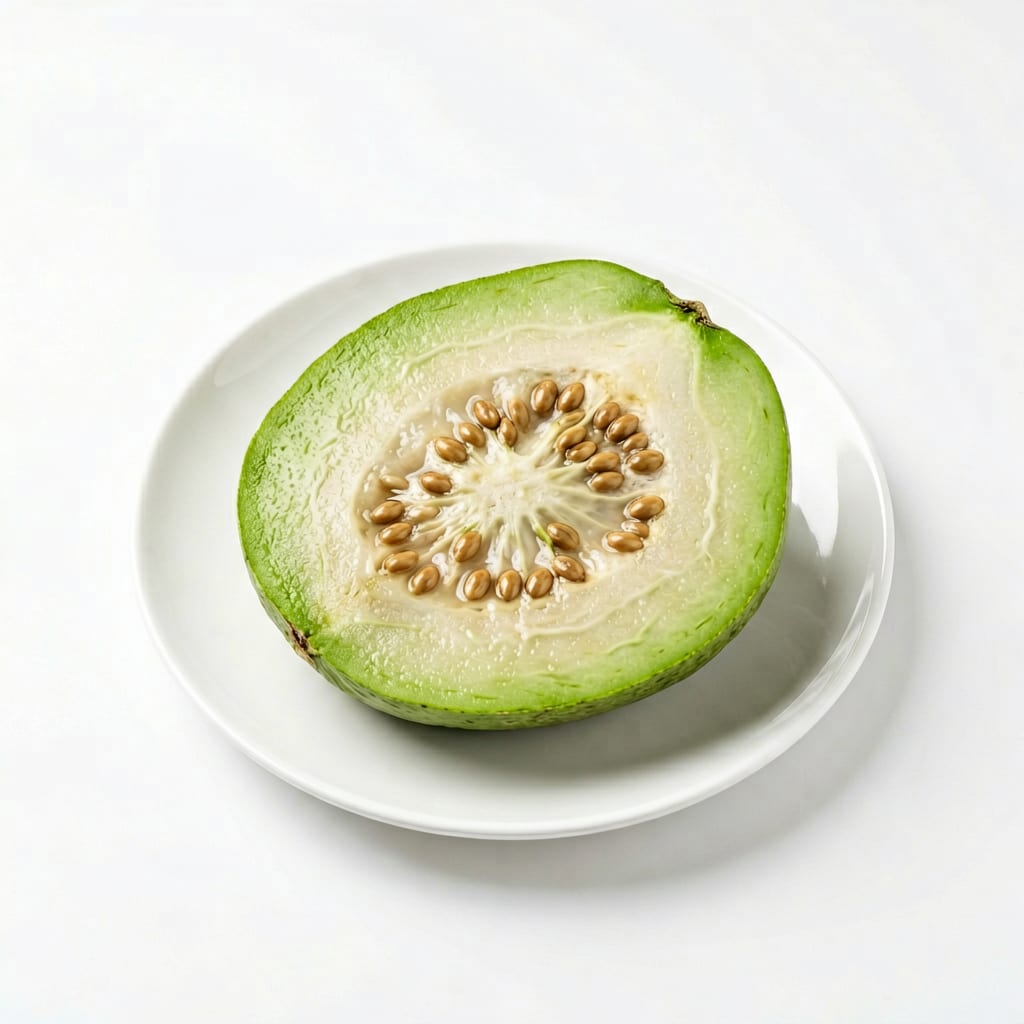
Chayote
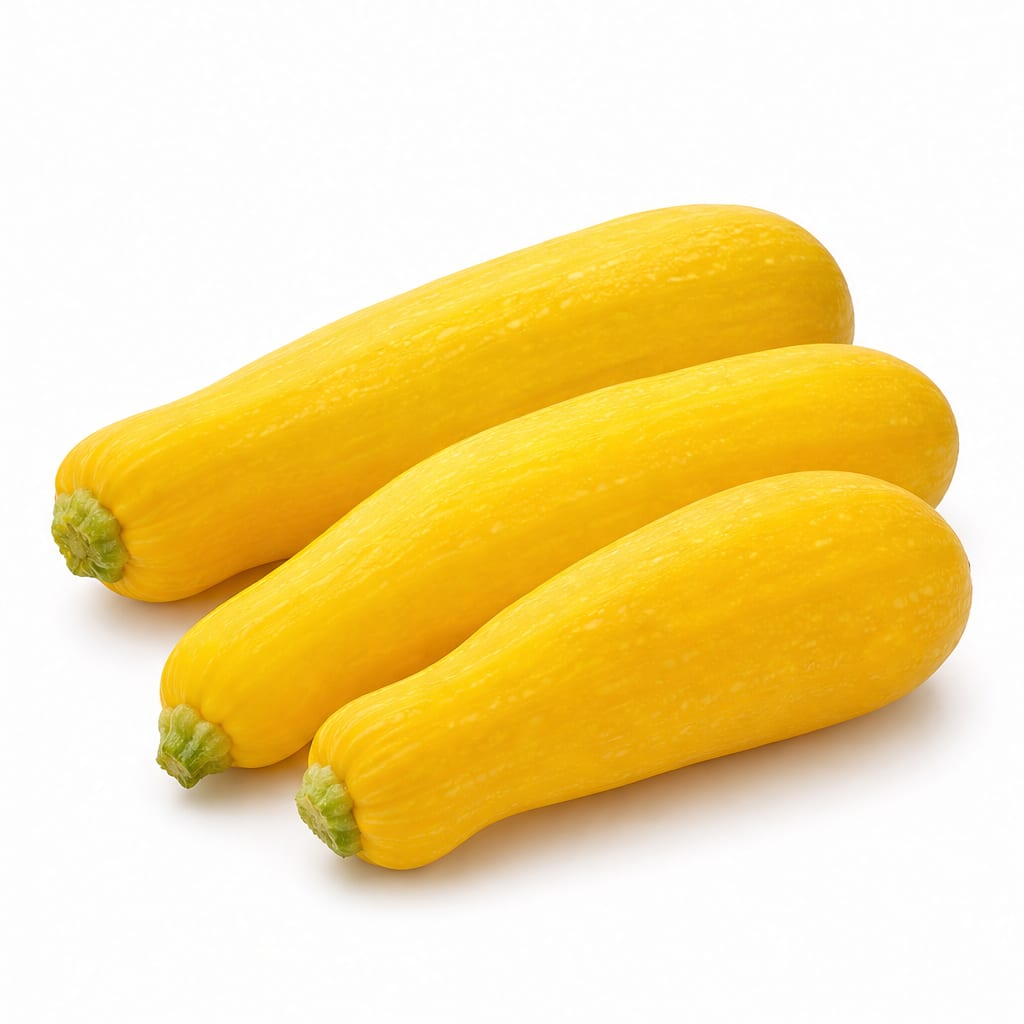
Yellow Squash
Chayote and Yellow Squash are nutritionally close cousins, but Chayote edges ahead on folate and crisp versatility while Yellow Squash wins on eye-protecting antioxidants and broader availability.
Yellow Squash scores slightly higher due to its richer antioxidant content, wider availability, and easier integration into everyday cooking. Chayote remains excellent but its specialty status and lower vitamin A content create a small gap.
Chayote offers more folate and a satisfying crunch that holds up in cooking, whereas Yellow Squash delivers more vitamin A and lutein for eye health with a softer, faster-cooking texture.
At a glance
Executive summary
Overall
It depends
Healthier
Yellow Squash
More practical
Yellow Squash
Daily use
Yellow Squash
Key comparison lenses
low-calorie vegetable selection for weight management
Both vegetables are extremely low in calories, so users are likely choosing between them for diet purposes
micronutrient density comparison
These vegetables differ meaningfully in vitamin and mineral profiles despite similar calorie counts
culinary versatility and meal integration
Texture and flavor differences significantly affect how each vegetable fits into recipes
digestive tolerance and gut friendliness
Both are gentle vegetables often recommended for sensitive digestion, but with subtle differences
accessibility and practical shopping considerations
Chayote is less commonly available in some regions, affecting real-world choice
Best choice for
Chayote
- Pregnant women or those planning pregnancy needing extra folate
- Anyone wanting a vegetable that stays crisp when cooked
- People seeking a mild-flavored base for stir-fries and raw salads
- Those looking for traditional Latin American recipe authenticity
Yellow Squash
- People prioritizing eye health and antioxidant intake
- Home cooks wanting a quick-cooking summer vegetable
- Anyone shopping at standard American grocery stores
- Those wanting more vitamin A in their diet without supplements
Least suitable for
Chayote
- People in regions where Chayote is hard to find or expensive
- Anyone wanting a soft, quick-cooking vegetable for purees or quick sautés
- Those unfamiliar with preparing it who may waste it through improper cooking
Yellow Squash
- People wanting a vegetable that maintains firm texture in long-cooked dishes
- Anyone looking for significant folate intake from vegetables
- Those seeking a vegetable with a more neutral, less watery flavor profile
Deep comparison
Dimension by dimension
Each lens scores both foods and breaks down who each option suits.
- Dimension 1 · Priority 90It depends
calorie efficiency and weight management
Chayote · 88Yellow Squash · 87Both are essentially tied as ultra-low-calorie vegetables, each providing roughly 16-19 calories per 100 grams with high water content.
Tradeoff
The calorie difference is negligible; choosing between them for weight loss comes down to which you will actually eat more consistently.
Why it matters
When calories are this low, the best vegetable for weight loss is simply the one you enjoy enough to eat in volume.
Real-world impact
Either vegetable lets you fill half your plate for under 30 calories, making portion control feel effortless.
Chayote
- Raw snacking with dip due to satisfying crunch
- Meals where you want volume without mushiness
Better for
- Recipes requiring a soft, melting vegetable texture
Worse for
Yellow Squash
- Quick side dishes that cook in under 5 minutes
- Meals where you want the vegetable to blend into the dish
Better for
- Dishes where you want distinct, firm vegetable pieces
Worse for
- Dimension 2 · Priority 88Yellow Squash
micronutrient density
Chayote · 68Yellow Squash · 78Yellow Squash provides notably more vitamin A and lutein, while Chayote delivers more folate and slightly more vitamin K.
Tradeoff
Chayote supports cellular repair and pregnancy needs with folate; Yellow Squash protects your eyes and immune system with carotenoids.
Why it matters
The vitamin A difference is significant for eye health, especially for older adults or heavy screen users.
Real-world impact
Regular Yellow Squash consumption contributes meaningfully to your daily vitamin A needs, while Chayote helps fill folate gaps that many diets lack.
Chayote
- Women of childbearing age needing folate support
- Anyone with low dietary folate intake
Better for
- Those relying on vegetables as their primary vitamin A source
Worse for
Yellow Squash
- People concerned about eye health and macular degeneration
- Anyone wanting to boost vitamin A without animal sources
Better for
- Pregnant women specifically seeking high-folate vegetables
Worse for
- Dimension 3 · Priority 78Chayote
digestive comfort and gut tolerance
Chayote · 82Yellow Squash · 75Chayote is slightly gentler on digestion due to its lower fiber roughness and traditional use as a stomach-soothing food in herbal medicine.
Tradeoff
Chayote feels lighter and easier on sensitive stomachs, while Yellow Squash occasionally causes mild bloating in FODMAP-sensitive individuals.
Why it matters
For people with IBS or sensitive digestion, small differences in fermentable carbohydrates matter.
Real-world impact
Chayote is less likely to cause gas or bloating after a large serving, making it safer for sensitive eaters.
Chayote
- People with IBS or sensitive digestion
- Anyone recovering from stomach illness needing gentle foods
Better for
- People wanting higher fiber intake for gut motility
Worse for
Yellow Squash
- Those with no digestive sensitivity who want slightly more fiber bulk
Better for
- FODMAP-sensitive individuals who react to summer squash
Worse for
- Dimension 4 · Priority 82Chayote
culinary versatility and cooking performance
Chayote · 80Yellow Squash · 74Chayote maintains its texture better across cooking methods and works raw, while Yellow Squash excels in quick-cook applications but turns mushy easily.
Tradeoff
Chayote gives you more cooking options without texture loss; Yellow Squash cooks faster but demands careful timing to avoid sogginess.
Why it matters
A vegetable that holds its texture is more forgiving and works in more recipe types, from raw salads to long braises.
Real-world impact
Chayote can be julienned for slaws, added to stir-fries, or baked without collapsing. Yellow Squash needs watchful cooking to stay appealing.
Chayote
- Stir-fries where you want distinct vegetable pieces
- Raw preparations like salads and crudités
- Baked dishes where the vegetable needs structure
Better for
- Recipes where you want the vegetable to melt and disappear
Worse for
Yellow Squash
- Quick sautés and grilling
- Soups and stews where softening is desired
- Casseroles where the vegetable blends into the dish
Better for
- Meal prep situations where the vegetable sits after cooking
- Dishes where mushy texture ruins the experience
Worse for
- Dimension 5 · Priority 75Yellow Squash
availability and practical convenience
Chayote · 55Yellow Squash · 88Yellow Squash is a staple in virtually every American grocery store year-round, while Chayote requires specialty or international markets in many regions.
Tradeoff
Chayote offers something more unique but harder to find; Yellow Squash is always accessible and affordable.
Why it matters
The healthiest vegetable is the one you can actually buy and eat regularly, not the one that sounds better on paper.
Real-world impact
Most people can grab Yellow Squash any day of the week. Chayote might require a special trip or substitution.
Chayote
- Areas with strong Latin American or Asian grocery presence
- Home cooks who enjoy exploring specialty ingredients
Better for
- Rural areas with limited produce selection
- Anyone who needs to meal plan around easy availability
Worse for
Yellow Squash
- Weeknight cooking where convenience matters
- Budget-conscious shoppers at standard grocery stores
- Anyone living in areas without specialty markets
Better for
- Those seeking culinary novelty and variety
Worse for
- Dimension 6 · Priority 80Yellow Squash
antioxidant and anti-inflammatory potential
Chayote · 62Yellow Squash · 77Yellow Squash provides more carotenoids including lutein and zeaxanthin, which are specifically protective for eyes and reduce oxidative stress.
Tradeoff
Chayote contains some flavonoids but has a less diverse antioxidant profile; Yellow Squash delivers measurable carotenoid benefits with regular consumption.
Why it matters
Lutein and zeaxanthin are difficult to get in sufficient amounts from most diets, making Yellow Squash a valuable contributor.
Real-world impact
Eating Yellow Squash regularly supports long-term eye health in a way that Chayote simply cannot match.
Chayote
- Those getting carotenoids from other sources like carrots and sweet potatoes
Better for
- Those relying on this vegetable as a primary antioxidant source
Worse for
Yellow Squash
- Older adults concerned about macular degeneration
- Anyone with high screen time wanting eye-protective nutrients
- People not eating orange vegetables regularly
Better for
- People already consuming abundant carotenoid-rich foods
Worse for
Timeline
Health impact over time
Short-term
Hours to days
Chayote
- Very gentle on blood sugar with minimal glycemic impact
- Hydrating due to high water content, helpful in hot weather
- Unlikely to cause digestive discomfort even in large portions
Yellow Squash
- Minimal blood sugar effect, safe for glucose management
- Quick-cooking nature makes it easy to add vegetables to any meal
- May cause mild bloating in FODMAP-sensitive people if eaten in large amounts
Long-term
Months to years
Chayote
- Folate contributes to DNA repair and healthy cell turnover over time
- Consistent low-calorie intake supports weight maintenance without restriction fatigue
- Traditional use suggests kidney-supportive properties, though evidence is limited
Yellow Squash
- Lutein and zeaxanthin accumulation protects against age-related eye decline
- Regular carotenoid intake supports immune resilience over decades
- Consistent consumption contributes to lower inflammatory markers
Risk profile
Safety & processing
Both Chayote and Yellow Squash are whole, unprocessed vegetables typically sold fresh without additives. Neither raises processing concerns when purchased as raw produce.
Chayote
pesticide residue
lowChayote typically has low pesticide residue due to its thick skin, but washing is still recommended. It is not on any high-risk produce lists.
spike handling irritation
lowSome Chayote varieties have small spines that can cause mild skin irritation during peeling. Wearing gloves while prepping eliminates this concern.
Yellow Squash
pesticide residue
mediumSummer squash appears on moderate pesticide concern lists. The soft skin absorbs more residue than thick-skinned vegetables. Choosing organic reduces exposure significantly.
spoilage and mushiness
lowYellow Squash has a shorter shelf life and can develop bacterial growth in damaged areas. Use within 4-5 days and discard any soft or slimy spots.
Who wins for whom
Audience fit
Same foods, different winners depending on your goal.
children
Yellow SquashYellow Squash cooks softer and has a milder, slightly sweeter taste that children accept more readily than Chayote's firmer texture.
daily consumption
Yellow SquashYellow Squash is easier to find, quicker to prepare, and provides more diverse antioxidants, making it more sustainable as a daily vegetable choice.
diabetes
ChayoteChayote has a slightly lower glycemic impact and is less likely to cause any blood sugar fluctuation, though both are excellent choices for diabetes management.
elderly
Yellow SquashThe lutein and zeaxanthin in Yellow Squash directly support aging eye health, and its softer texture is easier to chew for those with dental concerns.
muscle gain
It dependsNeither vegetable contributes meaningful protein or calories for muscle gain. Both serve only as plate fillers alongside protein sources.
weight loss
It dependsBoth are equally low in calories. The better choice is whichever you enjoy more and will eat consistently as a volume vegetable.
Your move
Decision guide
Choose Chayote
- You want a vegetable that stays crisp and distinct when cooked
- Folate intake is a priority, especially for pregnancy planning
- You have access to Latin American or specialty grocery stores
- You enjoy raw vegetable preparations and want more options
- Digestive sensitivity makes you cautious about FODMAPs
Choose Yellow Squash
- Eye health and antioxidant intake are top concerns for you
- You want a quick-cooking vegetable for busy weeknights
- Availability and convenience matter more than uniqueness
- You are cooking for children who prefer softer textures
- You want maximum vitamin A from a low-calorie source
Either works if
- You simply need a low-calorie vegetable to fill your plate
- Both are available and you want variety in your diet
- You are meal prepping and want to rotate vegetables weekly
- Blood sugar management is your primary goal
Avoid both if
- You need a protein-rich or calorie-dense food for energy
- You are looking for a significant fiber source to meet daily targets
- You want a vegetable with strong flavor as a dish centerpiece
Final recommendation
Keep both in rotation if possible. Yellow Squash is your reliable daily driver with better antioxidants and easier access. Chayote is your specialty player that adds texture variety and folate when you can find it. If forced to choose one, Yellow Squash wins on practicality and nutrient diversity, but Chayote is worth seeking out for its unique culinary strengths and digestive gentleness.
Practical
Consumer tips
- 1
Choose firm, unblemished Chayote with smooth skin. Wrinkled or soft spots mean it is past peak quality.
- 2
Yellow Squash should feel heavy for its size with glossy skin. Dull skin indicates age and water loss.
- 3
Store both vegetables in the crisper drawer. Chayote lasts up to a month; Yellow Squash is best used within 5 days.
- 4
Peel Chayote under running water or wear gloves to avoid the mild sticky residue some varieties produce.
- 5
Slice Yellow Squash right before cooking to prevent it from weeping water and turning mushy.
- 6
Grate Chayote into salads for a refreshing apple-like crunch that most people have never experienced.
- 7
Salt Yellow Squash slices and let them drain for 10 minutes before cooking to reduce excess moisture in dishes.
- 8
Both vegetables freeze poorly raw. If you must freeze, blanch first and expect softer texture upon thawing.
- 9
Buy organic Yellow Squash when possible due to moderate pesticide concerns. Chayote is less critical for organic selection.