
Nutrition comparison
Chayote vs Spaghetti Squash: Which Low-Calorie Vegetable Is Better for You?
Compare chayote and spaghetti squash side by side. Learn which is better for weight loss, blood sugar, pasta substitutes, and everyday cooking. Practical nutrition breakdown and decision guide.
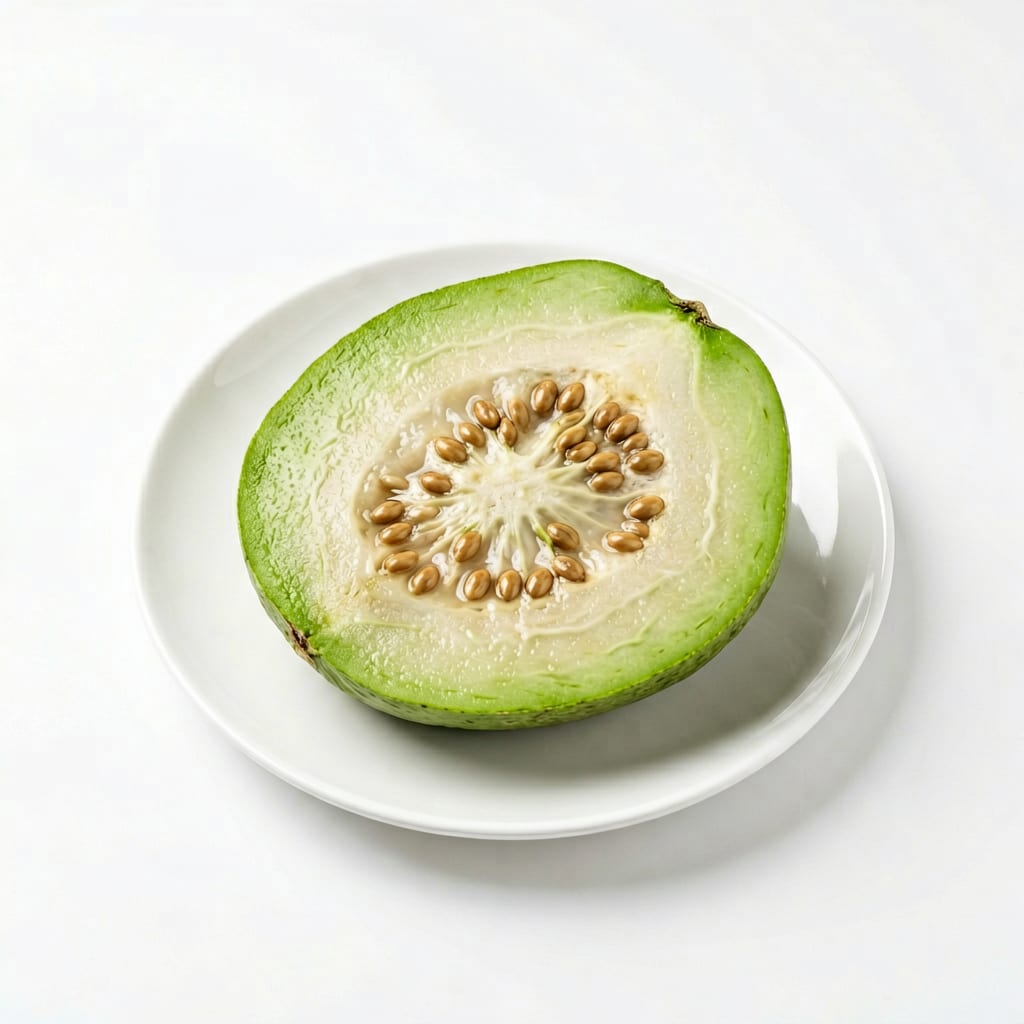
Chayote
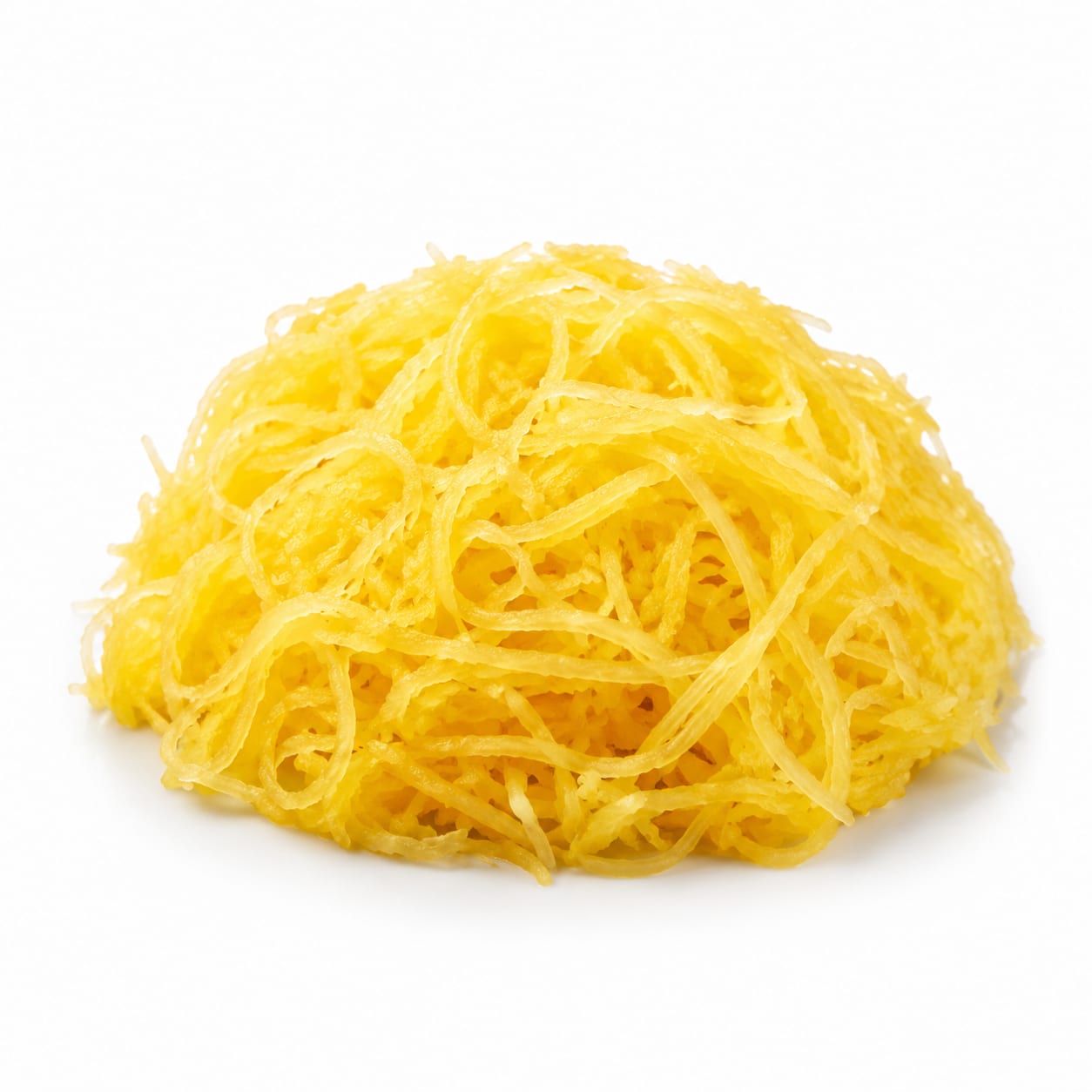
Spaghetti Squash
Chayote wins on raw versatility and folate content, while spaghetti squash delivers more vitamin A and a superior pasta-like experience. Your choice depends on what meal role you need to fill.
Chayote edges ahead slightly due to faster cooking time, raw versatility, and superior folate content. Spaghetti squash scores close behind thanks to its unmatched pasta substitute quality and higher vitamin A. The narrow gap reflects that both are excellent low-calorie vegetables with different strengths.
Chayote is more versatile across raw and cooked dishes with a satisfying crunch, but spaghetti squash provides a unique noodle substitute that feels more like a real meal replacement.
At a glance
Executive summary
Overall
It depends
Healthier
It depends
More practical
Spaghetti Squash
Daily use
Chayote
Key comparison lenses
low-calorie vegetable comparison for weight management
Both are extremely low-calorie vegetables often chosen by people trying to lose weight or reduce carb intake
pasta substitute evaluation
Spaghetti squash is famous as a pasta alternative, while chayote can also be spiralized or used in place of noodles
nutrient density per calorie
Users comparing these want to know which gives more nutritional value for the calories consumed
culinary versatility and meal prep practicality
Both require specific preparation methods and users want to know which fits easier into weekly cooking routines
blood sugar and diabetes-friendly eating
Both are low-glycemic options commonly recommended for blood sugar management
Best choice for
Chayote
- People wanting a crunchy raw vegetable for salads and slaws
- Anyone needing more folate in their diet, especially pregnant women
- Those who want a vegetable that cooks in under 10 minutes
- Meal preppers who want something easy to chop and toss into anything
Spaghetti Squash
- People seeking a satisfying low-carb pasta replacement
- Anyone wanting more beta carotene and vitamin A
- Those who enjoy roasted vegetables and hands-off oven cooking
- Families looking for a fun, kid-friendly vegetable experience
Least suitable for
Chayote
- People wanting a hearty, filling main dish vegetable
- Anyone specifically looking for a pasta substitute experience
- Those unfamiliar with its mild flavor who expect bold taste
Spaghetti Squash
- People short on time who need a vegetable ready in minutes
- Anyone wanting a raw vegetable for salads or quick snacking
- Those who find roasting or long cooking impractical for weeknights
Deep comparison
Dimension by dimension
Each lens scores both foods and breaks down who each option suits.
- Dimension 1 · Priority 93Chayote
Calorie Density and Weight Loss Support
Chayote · 88Spaghetti Squash · 82Chayote is one of the lowest-calorie vegetables available at roughly 16 calories per 100g, while spaghetti squash comes in around 31 calories per 100g. Both are excellent for weight loss, but chayote gives you more volume per calorie.
Tradeoff
Spaghetti squash has nearly double the calories per serving, but it also delivers more substance and satisfaction per bite, which may reduce overall snacking later.
Why it matters
When eating at a calorie deficit, volume matters. Chayote lets you eat more total food for fewer calories, but if spaghetti squash keeps you fuller longer, the calorie difference becomes less important.
Real-world impact
A heaping plate of chayote costs you about 40-50 calories. A similar plate of spaghetti squash runs 80-100. Both are trivial in the big picture, but over months of daily eating, chayote's edge adds up.
Chayote
- Strict calorie counters who track every number
- Volume eaters who want the largest portions possible
- People doing very low-calorie diet phases
Better for
- Those who find extremely low-calorie meals trigger more cravings
Worse for
Spaghetti Squash
- People who find low-calorie meals unsatisfying and end up overeating later
- Anyone who prioritizes feeling full over eating more volume
Better for
- People on strict calorie budgets who need maximum volume per calorie
Worse for
- Dimension 2 · Priority 87It depends
Vitamin and Mineral Profile
Chayote · 78Spaghetti Squash · 80Chayote delivers significantly more folate and is a decent source of vitamin K. Spaghetti squash provides substantially more vitamin A from beta carotene and more vitamin B6. Both offer vitamin C.
Tradeoff
You choose between folate and vitamin A. Chayote supports cell repair and is especially important during pregnancy, while spaghetti squash supports eye health and immune function.
Why it matters
Folate deficiency is common and consequential, especially for women of childbearing age. Vitamin A deficiency is less common but critical for vision and immunity. Neither vegetable is a complete nutrient solution alone.
Real-world impact
Eating chayote regularly helps cover your folate needs, which matters for energy and cell health. Spaghetti squash gives your eyes and immune system a stronger boost. Pairing either with a varied diet makes this less critical.
Chayote
- Pregnant women or those planning pregnancy who need folate
- People with low folate intake from other sources
- Anyone recovering from illness who needs cellular repair support
Better for
- People relying on it as a primary vitamin A source
Worse for
Spaghetti Squash
- People wanting more vitamin A for eye health
- Those who eat limited orange vegetables and need beta carotene
- Anyone with higher vitamin B6 needs
Better for
- Pregnant women who need the folate boost chayote provides
Worse for
- Dimension 3 · Priority 90Spaghetti Squash
Pasta Substitute Experience
Chayote · 45Spaghetti Squash · 92Spaghetti squash is one of the best natural pasta substitutes available. Its flesh separates into distinct strands that hold sauce well. Chayote can be spiralized but has a watery, crisp texture that never truly mimics noodles.
Tradeoff
Spaghetti squash requires 40-60 minutes of roasting but delivers a genuine noodle-like experience. Chayote can be spiralized raw in 2 minutes but feels more like a crunchy salad topping than pasta.
Why it matters
If you are cutting carbs or avoiding gluten, the quality of your pasta substitute determines whether you actually stick with the change. A convincing substitute makes the diet sustainable.
Real-world impact
Spaghetti squash with marinara feels like a actual meal. Chayote noodles with sauce feels like a salad with sauce. The satisfaction gap is real and affects whether you reach for real pasta next time.
Chayote
- People who want a quick raw noodle for cold Asian-style salads
- Anyone who prefers crunch over softness in their meals
Better for
- People expecting a warm, comforting pasta experience
Worse for
Spaghetti Squash
- Former pasta lovers transitioning to low-carb eating
- Families wanting a fun spaghetti night without the carbs
- Anyone who wants sauce to cling to their vegetable noodles
Better for
- Anyone who cannot wait 45 minutes for a vegetable to cook
Worse for
- Dimension 4 · Priority 82Chayote
Preparation Speed and Convenience
Chayote · 90Spaghetti Squash · 55Chayote can be eaten raw, sautéed in 5-7 minutes, or boiled in under 10. Spaghetti squash requires 40-60 minutes in the oven or 15-20 minutes in a microwave, plus cooling and scraping time.
Tradeoff
Chayote is a weeknight vegetable you can prep while other items cook. Spaghetti squash is a weekend project or requires advance planning, though the hands-on time is actually minimal.
Why it matters
Convenience determines what you actually cook, not what you intend to cook. A vegetable that takes an hour to prepare gets skipped on busy nights.
Real-world impact
You can chop and cook chayote faster than you can boil pasta. Spaghetti squash takes longer than cooking actual spaghetti, which defeats some of the convenience appeal of the substitute.
Chayote
- Busy professionals who need dinner ready in 15 minutes
- Meal preppers who want a quick vegetable to batch cook
- Anyone who wants a raw vegetable option with zero cooking
Better for
- People who want a vegetable that feels like a main dish cooking project
Worse for
Spaghetti Squash
- Weekend meal preppers who cook in bulk
- People comfortable using a microwave to speed up cooking
- Anyone who does not mind passive cooking time while doing other things
Better for
- Anyone cooking on a tight weeknight schedule
- People without an oven or microwave
Worse for
- Dimension 5 · Priority 79Spaghetti Squash
Satiety and Fullness
Chayote · 62Spaghetti Squash · 76Spaghetti squash provides more substance per serving due to its slightly higher calorie and fiber content, plus the psychological satisfaction of eating noodle-like strands with sauce. Chayote is lighter and more watery, which some find less filling.
Tradeoff
Chayote's lightness is perfect when you want something refreshing or need room for other foods. Spaghetti squash's heaviness works when it needs to be the star of the plate.
Why it matters
A vegetable that leaves you hungry 30 minutes later is not actually helping your diet, even if it is extremely low in calories. Satiety per calorie matters more than calories alone.
Real-world impact
A bowl of spaghetti squash with sauce and protein feels like a complete dinner. A bowl of chayote feels like a side dish, which means you will likely eat more of other things to feel satisfied.
Chayote
- People eating multiple dishes who want a light vegetable side
- Anyone who prefers smaller, lighter meals
Better for
- People prone to snacking after light meals
Worse for
Spaghetti Squash
- People eating one-bowl meals who need the vegetable to carry more weight
- Anyone who finds light meals unsatisfying
Better for
- Those who prefer feeling light after eating rather than full
Worse for
- Dimension 6 · Priority 84Chayote
Culinary Versatility
Chayote · 86Spaghetti Squash · 65Chayote works raw in salads, pickled, in soups, stir-fried, baked, and even in desserts in some cuisines. Spaghetti squash is essentially limited to roasted or microwaved, then served as a noodle base or side dish.
Tradeoff
Chayote does many things adequately but nothing spectacularly. Spaghetti squash does one thing extremely well, which is being a pasta substitute, but it is not useful for much else.
Why it matters
A versatile vegetable reduces food waste because you can use it in whatever you are cooking. A one-trick vegetable either gets used for that trick or sits in the fridge.
Real-world impact
Chayote can go into your morning eggs, your lunch salad, and your dinner stir-fry. Spaghetti squash is dinner, and specifically a pasta-style dinner. If you want variety, chayote delivers more options.
Chayote
- Home cooks who want one vegetable that works across many recipes
- People who hate food waste and want something they can use in anything
- Anyone exploring Latin American or Asian recipes where chayote is traditional
Better for
- People wanting a vegetable with a bold, distinctive flavor
Worse for
Spaghetti Squash
- People who want a signature dish vegetable they prepare one way consistently
- Anyone meal-prepping a big batch of pasta substitute for the week
Better for
- Anyone who gets bored eating the same preparation repeatedly
Worse for
- Dimension 7 · Priority 85Chayote
Blood Sugar Stability
Chayote · 88Spaghetti Squash · 80Both vegetables have minimal impact on blood sugar, but chayote has a slightly lower glycemic load due to its lower carbohydrate content per serving. Spaghetti squash contains modestly more carbs, though still very low compared to actual pasta.
Tradeoff
The difference is small enough that both are excellent choices for blood sugar management. Chayote has a marginal edge, but spaghetti squash's superior satiety may prevent blood sugar crashes from overeating later.
Why it matters
For people with diabetes or insulin resistance, even small glycemic differences matter when foods are eaten daily. But the practical reality is that both are safe choices.
Real-world impact
Neither vegetable will spike your blood sugar. The real benefit is replacing high-glycemic foods like regular pasta or rice with either option. The choice between them is less important than the choice to use one of them.
Chayote
- People with diabetes who want the lowest possible glycemic load
- Anyone monitoring blood sugar very closely
Better for
- Anyone who finds the low calorie content leads to compensatory eating of higher-glycemic foods
Worse for
Spaghetti Squash
- Diabetics who find that more satisfying meals prevent later sugar cravings
- People replacing actual pasta who need the experience to be convincing
Better for
- People counting every gram of carbohydrate who want the absolute minimum
Worse for
Timeline
Health impact over time
Short-term
Hours to days
Chayote
- Very light on the stomach, easy to digest for most people
- Provides quick hydration due to high water content
- Mild diuretic effect that may reduce bloating
- Raw chayote may cause slight mouth tingling in sensitive individuals due to sap
Spaghetti Squash
- Comforting and filling, especially when served warm with sauce
- May cause mild digestive discomfort if undercooked, as the strands can be fibrous
- Provides steady energy without a sugar crash
- Hydrating but more substantial feeling than chayote
Long-term
Months to years
Chayote
- Consistent folate intake supports cellular health and may reduce anemia risk
- Regular consumption supports cardiovascular health through potassium content
- Low calorie density helps maintain healthy weight when used to replace higher-calorie foods
- Antioxidant compounds may offer mild anti-inflammatory benefits over time
Spaghetti Squash
- Beta carotene intake supports long-term eye health and immune resilience
- Regular use as a pasta substitute can meaningfully reduce refined carbohydrate consumption
- Fiber content supports gut health and regularity with consistent intake
- Vitamin C and antioxidant content contributes to skin health and reduced oxidative stress
Risk profile
Safety & processing
Both chayote and spaghetti squash are whole vegetables sold in their natural state with no additives, preservatives, or processing. You are eating the plant as it grows. This is as clean as food gets. The only concern is pesticide residue on conventional produce, which washing handles adequately for both.
Chayote
Skin irritation from raw sap
lowSome people experience mild skin tingling or irritation when peeling raw chayote due to a natural sap compound. Wearing gloves while peeling eliminates this issue entirely.
Pesticide residue on conventional chayote
lowChayote is generally low on pesticide concern lists, but conventional produce should still be washed thoroughly. The thick skin provides some protection for the edible flesh inside.
Spaghetti Squash
Pesticide residue on conventional squash
lowWinter squashes typically have lower pesticide residues because of their thick protective rinds. Still, wash before cutting to avoid transferring residue from the knife to the flesh.
Spoilage after cutting
mediumOnce cut, spaghetti squash spoils faster than chayote due to its higher moisture and sugar content. Refrigerate cut squash and use within 3-4 days. Whole squash can last weeks or months in cool storage.
Who wins for whom
Audience fit
Same foods, different winners depending on your goal.
children
Spaghetti SquashSpaghetti squash is more fun and familiar for kids. The noodle-like strands with sauce feel like a real meal, while chayote's mild flavor and unfamiliarity make it a harder sell to picky eaters.
daily consumption
ChayoteChayote's faster cooking time, raw option, and culinary versatility make it easier to incorporate into daily meals without getting bored or running out of time to prepare it.
diabetes
ChayoteChayote has a marginally lower glycemic load and carbohydrate content per serving. Both are excellent choices, but the slight edge goes to chayote for strict blood sugar management.
elderly
ChayoteChayote is softer when cooked, easier to chew and digest, and provides folate which is important for older adults. Spaghetti squash strands can sometimes be stringy and require more effort to eat comfortably.
muscle gain
It dependsNeither vegetable is relevant for muscle gain directly. Both are too low in protein and calories to matter. Choose whichever you prefer as a side dish to your actual protein sources.
weight loss
ChayoteChayote's extremely low calorie density allows for larger portions and more volume eating, which helps with adherence to calorie-restricted diets. Spaghetti squash is also excellent but the higher calorie content per serving adds up slightly over time.
Your move
Decision guide
Choose Chayote
- You want a quick-cooking vegetable for busy weeknights
- You eat a lot of salads and want something crunchy and fresh
- You are pregnant or trying to conceive and need more folate
- You want one versatile vegetable that works in stir-fries, soups, and raw dishes
- You are counting every calorie and want maximum volume per calorie
Choose Spaghetti Squash
- You are specifically looking for a low-carb pasta substitute
- You want a vegetable that feels like a main dish, not just a side
- You have time to roast vegetables and enjoy the hands-off cooking process
- You want more vitamin A and beta carotene in your diet
- You are cooking for kids who would find noodle strands fun and approachable
Either works if
- You simply want more vegetables in your diet and both are available
- You are managing blood sugar and need low-glycemic options
- You are trying to lose weight and want low-calorie vegetable options
- You enjoy both and want variety throughout the week
Avoid both if
- You need a high-protein food and are relying on vegetables as your main calorie source
- You are looking for bold, intense flavors, as both are quite mild
- You want a convenience food that requires zero preparation
Final recommendation
Keep both in your rotation. Use chayote on busy weeknights when you need something fast and versatile. Use spaghetti squash on weekends or meal prep days when you want a satisfying pasta replacement. If you must choose one, chayote offers more daily utility, but spaghetti squash delivers a more memorable eating experience when you have the time to prepare it properly.
Practical
Consumer tips
- 1
Wear gloves while peeling raw chayote if you have sensitive skin, as the sap can cause mild irritation
- 2
Prick spaghetti squash with a fork before microwaving to prevent it from exploding, then microwave for 10-12 minutes for a faster alternative to roasting
- 3
Chayote can be eaten raw like jicama in salads and slaws for a refreshing crunch
- 4
Leftover spaghetti squash freezes well in portioned bags for quick future meals
- 5
Buy chayote that feels firm with smooth, unblemished skin for the best texture
- 6
Spaghetti squash is ready to harvest season in fall and stores for months in a cool, dark place, making it great for bulk buying
- 7
Both vegetables benefit from bold seasoning since their natural flavors are mild. Think garlic, herbs, chili, and citrus rather than relying on the vegetable itself for flavor
- 8
Half a spaghetti squash with sauce and protein makes a complete meal. Chayote works better as part of a multi-dish meal