
Nutrition comparison
Chayote vs Green Papaya: Which Tropical Vegetable Is Better for You?
Compare chayote and green papaya nutrition, digestion benefits, safety, and best uses. Learn which one wins for weight loss, pregnancy, and daily eating.
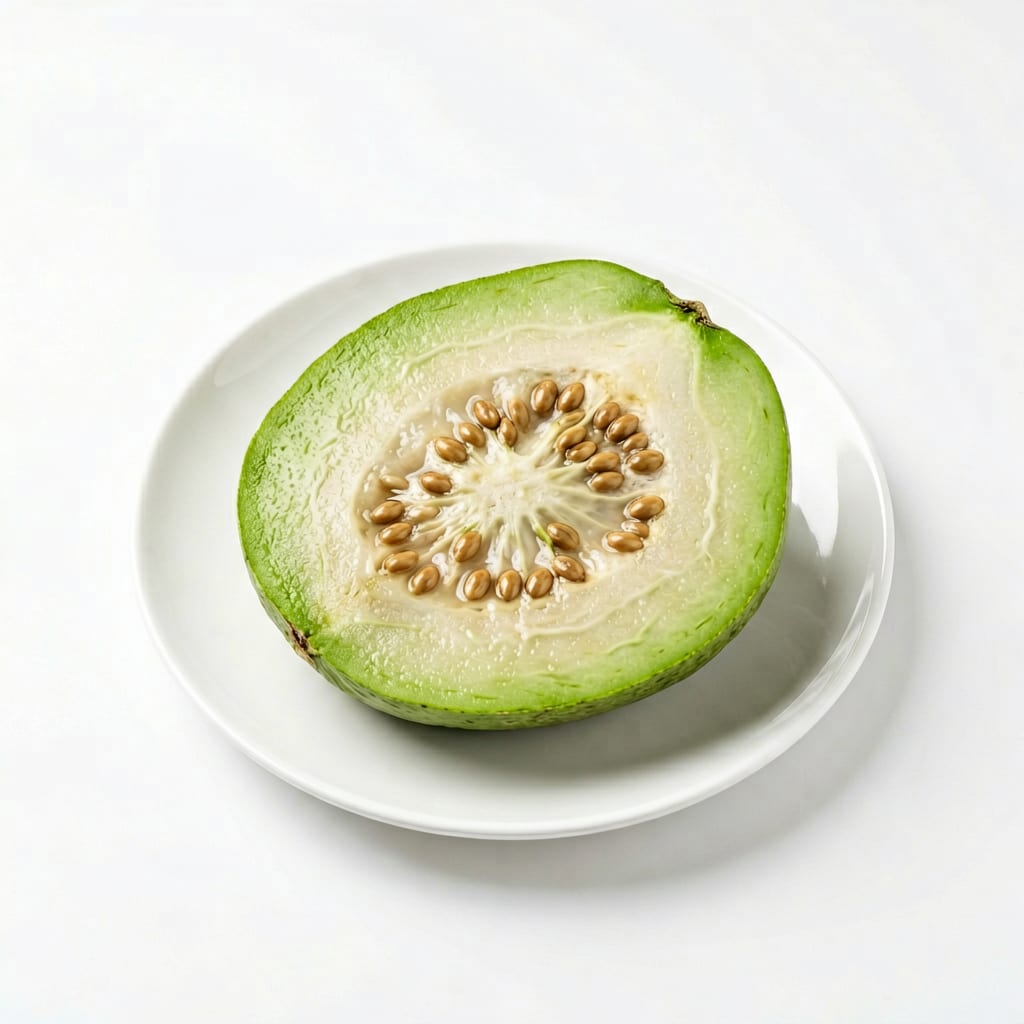
Chayote
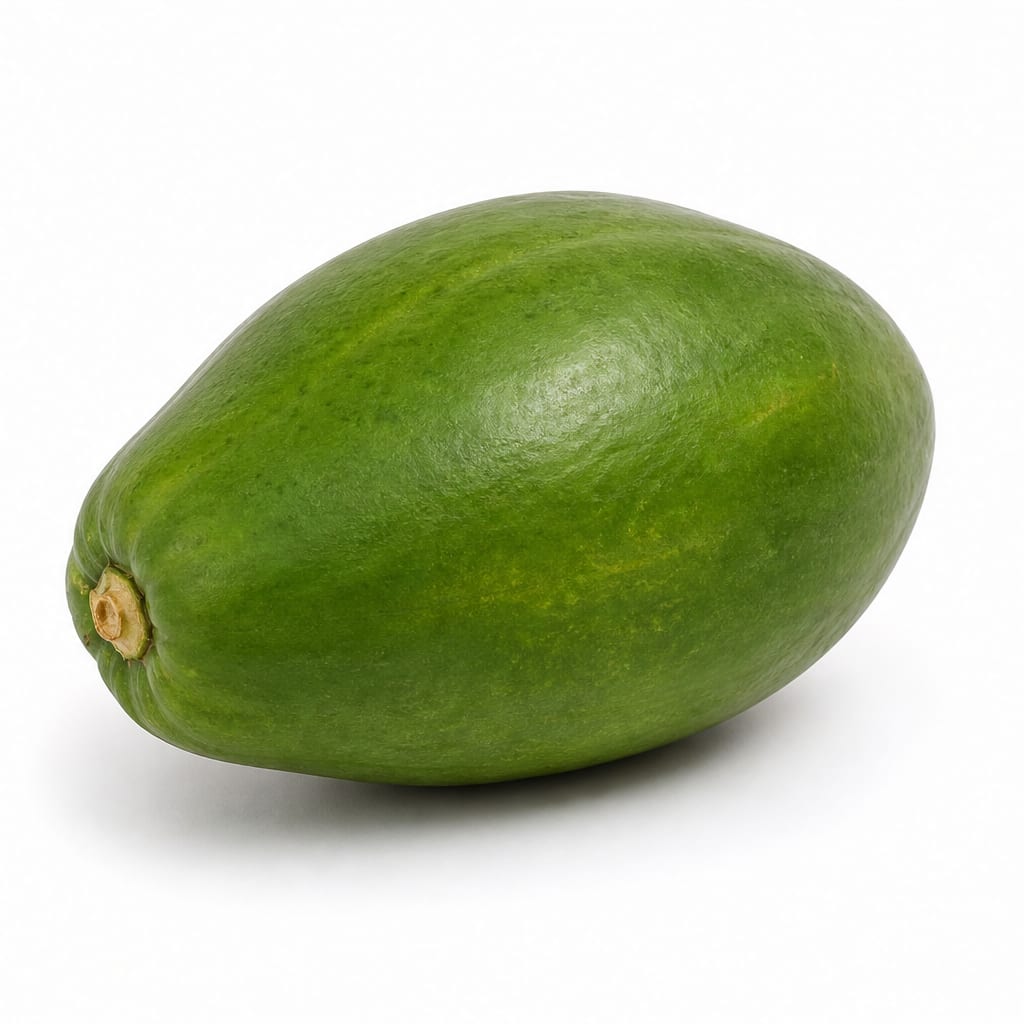
Green Papaya
Chayote is the safer, more versatile daily staple, while green papaya delivers stronger digestive and anti-inflammatory benefits but carries pregnancy risks and requires more careful sourcing.
Chayote edges ahead on safety and daily usability, but green papaya's enzyme content and antioxidant density keep it competitive. The close scores reflect that neither is universally better—context determines the winner.
Enzymatic power and antioxidant richness of green papaya versus the gentle reliability and broader safety profile of chayote
At a glance
Executive summary
Overall
It depends
Healthier
It depends
More practical
Chayote
Daily use
Chayote
Key comparison lenses
digestive health and enzyme benefits
Green papaya contains papain, a powerful digestive enzyme that chayote lacks, making this a key differentiator for gut health seekers
pregnancy and hormonal safety
Green papaya's latex content poses documented risks during pregnancy, while chayote is considered safe and even recommended for expecting mothers
low calorie volume eating
Both foods are extremely low in calories and high in water, appealing to anyone maximizing food volume for weight management
anti inflammatory and antioxidant needs
Green papaya offers more bioactive compounds and antioxidants, while chayote provides milder but steadier anti-inflammatory support
culinary versatility and accessibility
Chayote's neutral flavor adapts to more dishes easily, while green papaya has a distinct personality that works in specific recipes
Best choice for
Chayote
- Pregnant women seeking safe, nutrient-dense vegetables
- People with sensitive digestion who need gentle fiber
- Home cooks wanting a neutral vegetable that absorbs flavors easily
- Anyone eating for volume on a calorie budget without digestive surprises
Green Papaya
- People with protein-heavy diets needing digestive enzyme support
- Those targeting anti-inflammatory nutrition with tropical superfoods
- Anyone managing bloating or sluggish digestion after meals
- Fans of Southeast Asian cuisine who want authentic ingredients
Least suitable for
Chayote
- People seeking strong digestive enzyme benefits from their vegetables
- Those wanting significant antioxidant punch per serving
Green Papaya
- Pregnant women due to latex-induced uterine stimulation risk
- People with latex-fruit syndrome or papaya allergies
- Anyone on blood-thinning medications due to vitamin K content variability
Deep comparison
Dimension by dimension
Each lens scores both foods and breaks down who each option suits.
- Dimension 1 · Priority 92Green Papaya
digestive_support
Chayote · 55Green Papaya · 88Green papaya's papain enzyme actively breaks down proteins and eases digestion, while chayote offers only gentle insoluble fiber support.
Tradeoff
Green papaya delivers real enzymatic help for heavy meals, but its latex can irritate sensitive stomachs. Chayote is milder and never irritates, but won't actively improve digestion.
Why it matters
If you regularly feel bloated after protein-rich meals, green papaya can feel like a natural digestive aid. Chayote simply won't trigger problems, which is valuable but passive.
Real-world impact
Eating green papaya salad after a heavy steak dinner can meaningfully reduce that stuffed feeling. Chayote as a side dish adds bulk without discomfort but won't actively relieve bloating.
Chayote
- People with irritable bowel who need non-irritating fiber
- Anyone who gets heartburn from acidic or enzyme-rich foods
Better for
- Those specifically seeking enzymatic digestive assistance
Worse for
Green Papaya
- Heavy protein eaters needing post-meal digestive support
- Older adults with naturally declining digestive enzyme production
Better for
- Anyone with latex sensitivity or delicate stomach lining
Worse for
- Dimension 2 · Priority 88Chayote
safety_and_tolerability
Chayote · 93Green Papaya · 62Chayote has virtually no documented safety concerns for any population. Green papaya carries pregnancy risks, latex allergy cross-reactions, and potential uterine stimulation.
Tradeoff
Green papaya's bioactive power comes with real contraindications. Chayote's gentleness means fewer benefits but also zero red flags.
Why it matters
For pregnant women, this difference is decisive. For the general population, green papaya's risks are manageable but require awareness.
Real-world impact
A pregnant woman can eat chayote freely throughout all trimesters. Green papaya requires careful avoidance, especially in early pregnancy, which limits its utility for a significant demographic.
Chayote
- Pregnant and breastfeeding women
- People with known latex allergies
- Anyone wanting worry-free daily consumption
Better for
- No significant safety downsides identified
Worse for
Green Papaya
- Non-pregnant adults without latex sensitivity who want active health benefits
Better for
- Expecting mothers at any stage
- People with latex-fruit syndrome
- Children in areas where unripe papaya quality is unregulated
Worse for
- Dimension 3 · Priority 78Green Papaya
nutrient_density_and_antioxidants
Chayote · 58Green Papaya · 76Green papaya provides more vitamin C, beta-carotene precursors, and flavonoids per serving. Chayote offers decent folate and modest vitamin C but less overall antioxidant punch.
Tradeoff
Green papaya delivers more disease-fighting compounds per bite, but chayote's folate content is particularly valuable for cell repair and pregnancy nutrition.
Why it matters
If you're eating for long-term disease prevention, green papaya gives you more to work with. If you're focused on cellular repair and healthy pregnancy support, chayote's folate advantage matters more.
Real-world impact
A serving of green papaya salad contributes more toward your daily antioxidant needs than chayote would. But a chayote side dish quietly supports DNA repair and healthy cell division through folate.
Chayote
- Women planning pregnancy who need reliable folate intake
- Anyone wanting steady, low-key nutritional support without intensity
Better for
- Anyone seeking concentrated antioxidant impact from vegetables
Worse for
Green Papaya
- People prioritizing antioxidant-rich foods for longevity
- Those fighting chronic inflammation through diet
Better for
- Those who need consistent folate without pregnancy risk concerns
Worse for
- Dimension 4 · Priority 75Chayote
blood_sugar_and_satiety
Chayote · 82Green Papaya · 74Both are extremely low glycemic, but chayote has slightly less natural sugar and more consistent fiber content, giving it a marginal edge for steady energy.
Tradeoff
Green papaya's slightly higher sugar content is still very low overall, but its enzymatic activity can accelerate gastric emptying, potentially making you hungry sooner.
Why it matters
For most people, both foods are excellent for blood sugar. The difference only matters for highly insulin-sensitive individuals tracking every gram of carbohydrate impact.
Real-world impact
As a mid-afternoon snack, chayote keeps you slightly steadier for slightly longer. Green papaya digests faster, which can be good or bad depending on your needs.
Chayote
- Diabetics wanting maximum blood sugar stability
- People who snack to stay full between distant meals
Better for
- Those who actually benefit from faster digestion timing
Worse for
Green Papaya
- Athletes who want faster nutrient absorption post-workout
- Anyone who prefers lighter, quicker-digesting pre-workout fuel
Better for
- People who need long-lasting satiety from low-calorie foods
Worse for
- Dimension 5 · Priority 70Chayote
culinary_versatility
Chayote · 85Green Papaya · 68Chayote's mild, slightly sweet flavor and firm texture work in stir-fries, soups, salads, and even baked dishes. Green papaya has a more assertive personality best suited to specific culinary traditions.
Tradeoff
Chayote disappears into whatever you cook it with. Green papaya brings personality but limits you to dishes where its flavor profile belongs.
Why it matters
If you cook diverse cuisines weekly, chayote adapts effortlessly. Green papaya shines in Thai and Southeast Asian recipes but feels out of place elsewhere.
Real-world impact
You can toss chayote into a soup, a stir-fry, or a salad without thinking twice. Green papaya really wants to be som tam or a curry addition—using it elsewhere requires more culinary creativity.
Chayote
- Meal preppers who want one vegetable for multiple recipes
- Families with picky eaters who prefer neutral flavors
Better for
- Cooks seeking a distinctive flavor anchor for dishes
Worse for
Green Papaya
- Home cooks specializing in Southeast Asian cuisine
- Anyone who enjoys bold, tangy flavor profiles
Better for
- Anyone wanting a go-to vegetable for weeknight cooking across cuisines
Worse for
- Dimension 6 · Priority 72Green Papaya
anti_inflammatory_potential
Chayote · 55Green Papaya · 78Green papaya contains more flavonoids, carotenoids, and papain-related anti-inflammatory compounds. Chayote provides mild anti-inflammatory support but at lower concentrations.
Tradeoff
Green papaya's stronger anti-inflammatory profile comes with the same safety caveats that limit who can use it. Chayote's milder effect is available to everyone.
Why it matters
For people managing arthritis, chronic pain, or systemic inflammation, green papaya offers more therapeutic potential per serving.
Real-world impact
Regular green papaya consumption as part of an anti-inflammatory diet can contribute meaningfully to reducing joint stiffness and systemic inflammation markers. Chayote helps, but more subtly.
Chayote
- People wanting gentle, cumulative anti-inflammatory support without risk
Better for
- People needing noticeable anti-inflammatory impact from individual foods
Worse for
Green Papaya
- Those actively managing inflammatory conditions through diet
- Anyone combining multiple anti-inflammatory foods for synergistic effects
Better for
- Pregnant women who must avoid it despite inflammatory benefits
Worse for
Timeline
Health impact over time
Short-term
Hours to days
Chayote
- Comfortable fullness without bloating or gas
- Steady energy with no blood sugar spikes
- Mild hydration boost from high water content
Green Papaya
- Noticeable reduction in post-meal bloating from papain activity
- Possible mild stomach tingling if latex content is high in underripe fruit
- Quicker gastric emptying which may accelerate hunger return
Long-term
Months to years
Chayote
- Consistent folate intake supporting cell repair and healthy aging
- Gentle fiber contribution to regular bowel habits over time
- Very low calorie density supporting sustainable weight management
Green Papaya
- Stronger anti-inflammatory protection reducing chronic disease risk
- Enzyme support that may ease digestive aging concerns
- Antioxidant accumulation contributing to cellular protection against oxidative stress
Risk profile
Safety & processing
Both chayote and green papaya are whole, unprocessed vegetables typically consumed fresh. Neither carries meaningful additive concerns when purchased whole from markets.
Chayote
pesticide_residue
lowChayote grows on vigorous vines with relatively low pesticide requirements. Conventionally grown chayote typically tests well below concern thresholds. Organic is preferable but not urgent.
Green Papaya
pregnancy_complication_from_latex
highGreen papaya contains concentrated latex that can stimulate uterine contractions. Multiple studies link unripe papaya consumption to increased miscarriage risk, especially in early pregnancy. This is the most serious safety concern between both foods.
latex_fruit_syndrome_cross_reaction
mediumPeople with latex allergies may experience oral allergy symptoms when handling or eating green papaya due to shared protein structures. This can range from mouth tingling to anaphylaxis in severe cases.
unregulated_sourcing_quality
lowGreen papaya latex content varies significantly based on ripeness and growing conditions. Poorly sourced fruit may have inconsistent enzyme concentrations and higher latex levels than expected.
Who wins for whom
Audience fit
Same foods, different winners depending on your goal.
children
ChayoteChayote's mild flavor and complete safety profile make it appropriate for all ages. Green papaya's latex content and stronger flavor make it less suitable for young children.
daily consumption
ChayoteChayote's zero safety concerns, culinary flexibility, and gentle digestion make it the more sustainable daily habit for the broadest range of people.
diabetes
ChayoteChayote's marginally lower sugar content and slower gastric emptying provide slightly more predictable blood sugar responses, though both are excellent choices.
elderly
Green PapayaOlder adults often benefit most from green papaya's digestive enzyme support as natural enzyme production declines with age, provided they have no latex sensitivity.
muscle gain
Green PapayaGreen papaya's papain enzyme helps break down dietary protein more efficiently, supporting amino acid absorption from muscle-building meals.
weight loss
ChayoteBoth are extremely low calorie, but chayote's slightly better satiety profile and higher culinary versatility make it easier to eat daily without getting bored or hungry.
Your move
Decision guide
Choose Chayote
- You are pregnant, trying to conceive, or breastfeeding
- You want one versatile vegetable for the whole week's meal prep
- You have a sensitive stomach or history of digestive irritation
- You are feeding children who prefer mild flavors
- You have latex allergies or fruit cross-reaction sensitivities
Choose Green Papaya
- You eat protein-heavy meals and want natural digestive support
- You are actively managing inflammation through your diet
- You cook Southeast Asian food regularly and want authentic ingredients
- You are a non-pregnant adult seeking maximum antioxidant density
- You have noticed declining digestion with age and want enzyme-rich foods
Either works if
- You simply want more low-calorie vegetable variety in your diet
- You are managing weight and both fit your meal plan
- You enjoy tropical vegetables and want to rotate them for nutrient diversity
Avoid both if
- You have specific FODMAP restrictions that limit squash and papaya family foods
- You are seeking high-protein vegetables—neither delivers meaningful protein
Final recommendation
Keep both in rotation if you can. Use chayote as your reliable daily vegetable that never causes problems, and add green papaya strategically after heavy meals or when cooking Thai food. If you must pick one for daily use, chayote wins on safety and versatility. If you want therapeutic digestive and anti-inflammatory benefits and pregnancy is not a factor, green papaya delivers more per bite.
Practical
Consumer tips
- 1
Wear gloves when preparing green papaya—the latex can irritate skin and leave a sticky residue
- 2
Choose chayote that feels firm with smooth, unblemished skin for the best texture
- 3
Green papaya should be fully green with no yellow patches—any color change means ripening has begun and papain content drops
- 4
Both vegetables store well in the refrigerator for up to a week, but use green papaya sooner as it ripens quickly
- 5
If you find green papaya too strong, try massaging thin slices with salt and rinsing—this reduces latex intensity and softens the flavor
- 6
Chayote does not need peeling for most recipes—the thin skin is edible and adds fiber
- 7
For maximum digestive benefit, eat green papaya close to your protein-rich meal rather than hours later
- 8
If you are pregnant and accidentally consumed small amounts of green papaya, do not panic—the risk is dose-dependent, but avoid it going forward and consult your doctor if concerned