
Nutrition comparison
Chayote vs Eggplant: Which Low-Calorie Vegetable Is Better for You?
Compare chayote and eggplant nutrition, health benefits, and cooking tradeoffs. Discover which vegetable wins for weight loss, digestion, and daily use.
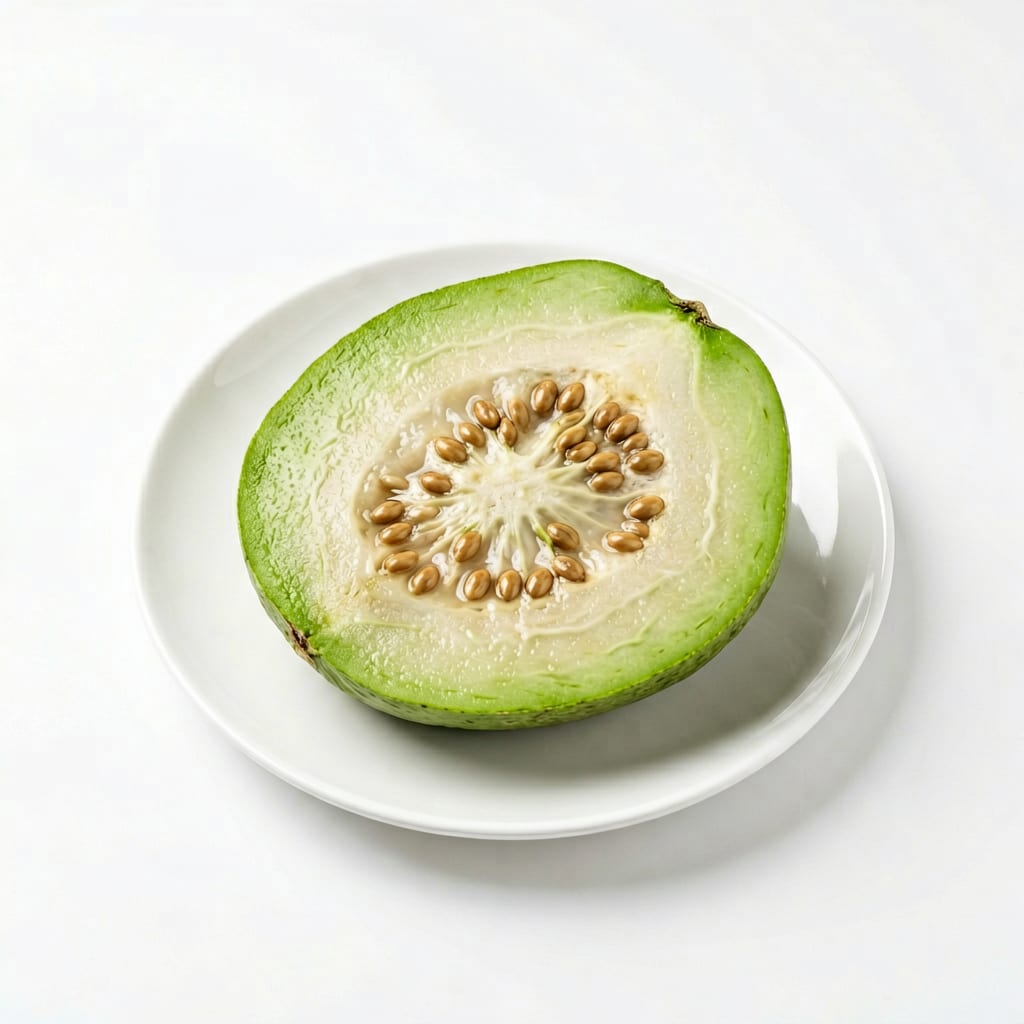
Chayote
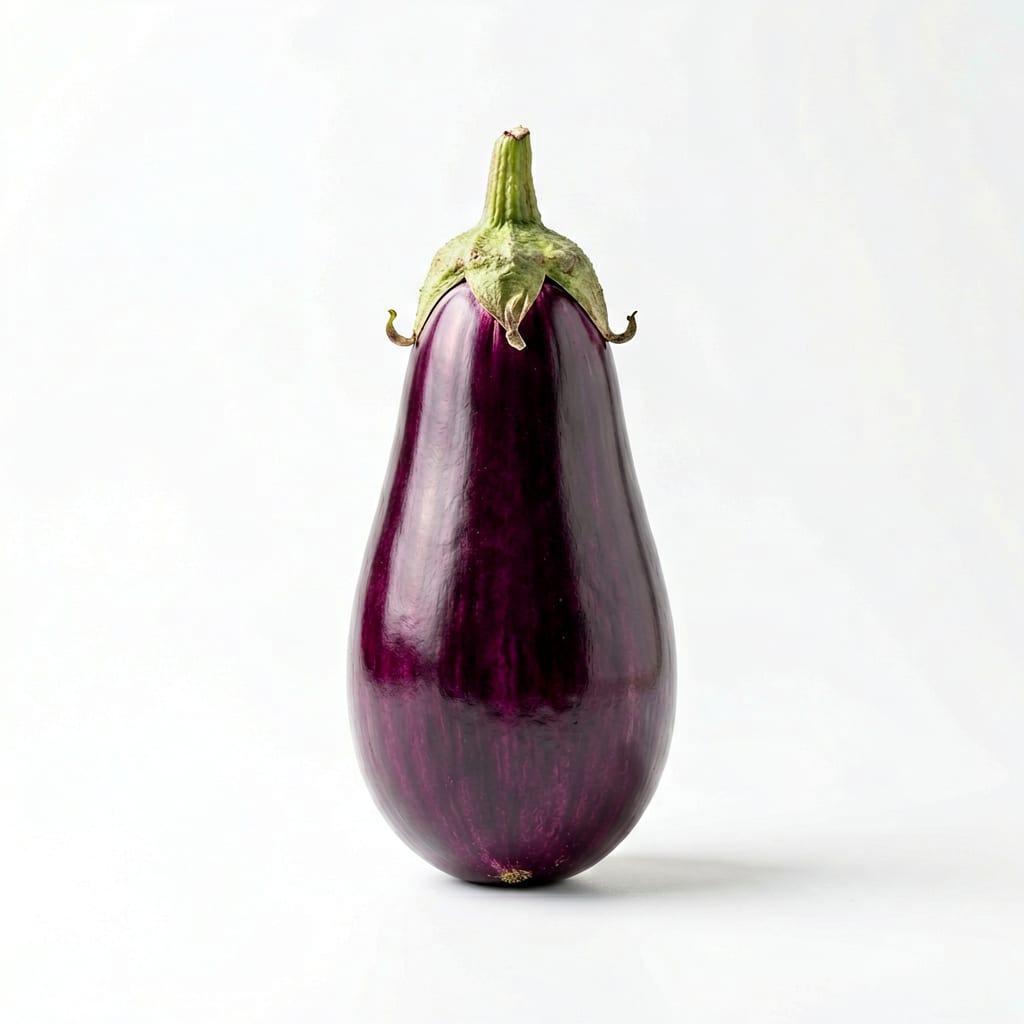
Eggplant
Chayote wins for calorie control and digestive comfort; eggplant wins for antioxidant depth and culinary versatility. Your pick depends on whether you prioritize steady energy or disease-fighting phytonutrients.
Chayote edges ahead due to its consistency: it stays low-calorie regardless of cooking method, digests easily, and avoids nightshade concerns. Eggplant offers superior antioxidants but its oil-absorption habit and solanine content introduce real-world tradeoffs that drag its practical score down.
Eggplant delivers more unique antioxidants but carries nightshade risks and oil-absorption pitfalls. Chayote is the safer, lighter daily driver with fewer surprises.
At a glance
Executive summary
Overall
It depends
Healthier
Chayote
More practical
Chayote
Daily use
Chayote
Key comparison lenses
Low-calorie vegetable selection for weight management
Both are extremely low-calorie vegetables often chosen as diet staples, so understanding which offers more satiety and nutrition per calorie matters
Digestive sensitivity and nightshade avoidance
Eggplant belongs to the nightshade family which triggers inflammation concerns for some people, while chayote is nightshade-free and gentler on digestion
Cooking behavior and oil absorption
Eggplant acts like a sponge for oil during cooking, dramatically increasing its calorie content, while chayote maintains its low-calorie profile regardless of preparation
Antioxidant and anti-inflammatory benefits
Eggplant offers unique antioxidants like nasunin, while chayote provides different phytonutrients, making this a meaningful tradeoff
Blood sugar management
Both are low-glycemic but differ in fiber type and carb profile, which affects glucose response
Best choice for
Chayote
- People avoiding nightshades due to joint pain or inflammation
- Anyone counting calories who wants a vegetable that stays low-calorie after cooking
- Those with sensitive digestion who need gentle, low-fiber-irritant foods
- Meal preppers wanting a neutral vegetable that pairs with anything
Eggplant
- People seeking maximum antioxidant diversity from vegetables
- Mediterranean or Middle Eastern cuisine enthusiasts
- Those wanting a meaty vegetable texture for plant-based dishes
- Anyone focused on brain health and oxidative stress protection
Least suitable for
Chayote
- People wanting bold, complex vegetable flavors without heavy seasoning
- Those seeking high antioxidant density per serving
- Anyone looking for a satisfying meat substitute texture
Eggplant
- People with nightshade sensitivities or autoimmune conditions
- Anyone oil-conscious who pan-fries or sautés their vegetables
- Those prone to kidney stones due to oxalate content
- People with histamine intolerance
Deep comparison
Dimension by dimension
Each lens scores both foods and breaks down who each option suits.
- Dimension 1 · Priority 92Chayote
Calorie Control and Weight Management
Chayote · 88Eggplant · 62Chayote is nearly impossible to overeat calorie-wise, while eggplant can silently become a high-calorie dish depending on how you cook it.
Tradeoff
Eggplant's spongy flesh absorbs oil enthusiastically, turning a 25-calorie vegetable into a 200+ calorie side dish. Chayote's firm, watery texture resists oil uptake.
Why it matters
For anyone tracking calories, the cooking method matters more than the raw nutrition label. Eggplant betrays you at the stove.
Real-world impact
A plate of stir-fried eggplant can pack more calories than a serving of rice. Chayote stir-fried the same way stays light and crisp.
Chayote
- Consistent calorie tracking without cooking-method surprises
- Volume eating strategies where you want large portions for few calories
- Meal prep where oil amounts vary
Better for
- Situations where you want a vegetable to feel hearty and substantial on its own
Worse for
Eggplant
- Dishes where richness and mouthfeel matter more than calorie counts
- Occasional indulgent meals where calorie density is acceptable
Better for
- Any calorie-conscious cooking that involves oil
- Weight loss meal plans that rely on pan-frying or sautéing
Worse for
- Dimension 2 · Priority 85Eggplant
Antioxidant and Phytonutrient Profile
Chayote · 52Eggplant · 84Eggplant's deep purple skin delivers nasunin, a rare antioxidant that protects brain cell membranes. Chayote offers decent but less distinctive phytonutrients.
Tradeoff
You give up brain-protective compounds with chayote, but you also avoid the oxalates and potential inflammatory compounds in eggplant.
Why it matters
Nasunin is one of the few dietary antioxidants shown to cross the blood-brain barrier. This is not trivial for long-term cognitive health.
Real-world impact
Eating eggplant twice a week gives you a meaningful dose of a compound most other vegetables cannot provide. Chayote cannot replicate this benefit.
Chayote
- People who get antioxidants from berries, leafy greens, and other sources already
- Those who prioritize digestive comfort over maximal antioxidant intake
Better for
- Those relying on a small vegetable variety for most of their antioxidant intake
Worse for
Eggplant
- Anyone wanting to diversify their antioxidant sources beyond the usual suspects
- People with family history of cognitive decline seeking preventive dietary choices
- Mediterranean diet followers who benefit from eggplant's full phytonutrient spectrum
Better for
- People who peel eggplant before eating, losing most of the nasunin
- Those who only eat eggplant occasionally, getting minimal antioxidant benefit
Worse for
- Dimension 3 · Priority 82Chayote
Digestive Tolerance and Gut Comfort
Chayote · 86Eggplant · 58Chayote is one of the gentlest vegetables on the digestive tract. Eggplant's nightshade compounds and oxalates can irritate sensitive guts.
Tradeoff
Chayote's mildness means it rarely causes issues. Eggplant's complexity means it occasionally causes real discomfort for susceptible people.
Why it matters
If you have IBS, autoimmune issues, or unexplained bloating, eggplant might be a hidden trigger. Chayote almost never is.
Real-world impact
Someone with leaky gut or nightshade sensitivity might notice joint aches or bloating after eggplant but feel completely fine after chayote.
Chayote
- People with IBS or sensitive digestion
- Anyone doing an elimination diet who needs a safe baseline vegetable
- Those with autoimmune conditions avoiding nightshades
- Post-surgical recovery when gentle foods are preferred
Better for
- Situations where you want a vegetable to contribute complex flavors without adding spices
Worse for
Eggplant
- People with no digestive sensitivities who tolerate nightshades well
Better for
- Anyone with histamine intolerance
- People prone to kidney stones from oxalates
- Those following autoimmune protocol diets
Worse for
- Dimension 4 · Priority 78Chayote
Blood Sugar Stability
Chayote · 82Eggplant · 74Both are low-glycemic, but chayote's slightly lower carb count and higher water content make it marginally better for keeping glucose steady.
Tradeoff
The difference is small. Neither will spike blood sugar. But chayote offers a touch more predictability for diabetics counting every gram of carbohydrate.
Why it matters
For most people, both are excellent choices. For insulin-dependent diabetics, even small carb differences matter for dosing precision.
Real-world impact
A diabetic could eat either vegetable freely, but chayote gives slightly more margin for error on tight glucose management days.
Chayote
- Insulin-dependent diabetics needing precise carb counts
- Anyone following a very low-carb diet who counts every gram
Better for
- Situations where you want the vegetable itself to provide more satiety
Worse for
Eggplant
- People who want slightly more substance and fiber per serving to slow digestion
Better for
- Very tight glycemic control protocols
Worse for
- Dimension 5 · Priority 76Eggplant
Culinary Versatility and Satisfaction
Chayote · 64Eggplant · 82Eggplant's meaty texture and flavor-absorbing ability make it a star in countless iconic dishes. Chayote is versatile but more of a supporting player.
Tradeoff
Eggplant makes you want to eat more vegetables because it tastes incredible when prepared well. Chayote is forgettable without strong seasoning.
Why it matters
The best vegetable for your health is the one you actually enjoy eating regularly. Eggplant's culinary appeal is a legitimate health advantage.
Real-world impact
Baba ganoush, ratatouille, baingan bharta, parmigiana — eggplant anchors entire cuisines. Chayote rarely carries a dish on its own.
Chayote
- Quick weeknight cooking where you need a neutral vegetable fast
- Raw preparations like salads and slaws
- Meals where you want the vegetable to disappear into the background
Better for
- Dinner parties where you want a vegetable dish to impress
- Any meal where the vegetable needs to be the star
Worse for
Eggplant
- Plant-based cooking where meaty texture matters
- Cuisines that celebrate the vegetable as a centerpiece
- Grilling and roasting where caramelization creates depth
- Dips and spreads where creaminess is desired
Better for
- Raw applications where eggplant's bitterness is unpleasant
- Quick-cooking scenarios where eggplant needs too much time to soften
Worse for
- Dimension 6 · Priority 68Chayote
Hydration and Electrolyte Balance
Chayote · 80Eggplant · 65Chayote is roughly 94% water with notable potassium, making it subtly hydrating. Eggplant is also water-rich but offers less potassium per serving.
Tradeoff
Neither replaces drinking water, but chayote contributes more to daily hydration and potassium intake, which matters in hot climates or after exercise.
Why it matters
In tropical regions where chayote is a staple, its hydrating properties are part of why it feels refreshing. This is a real functional benefit.
Real-world impact
After a sweaty workout, a chayote salad feels lighter and more refreshing than an eggplant dish, which can feel heavier.
Chayote
- Hot climates where hydrating foods provide real relief
- Post-workout meals where potassium replenishment helps
- People who struggle to drink enough water and benefit from water-rich foods
Better for
- Cold-weather meals where a lighter, more watery vegetable feels insubstantial
Worse for
Eggplant
- Situations where hydration from food is not a priority
Better for
- Athletes needing potassium-rich recovery foods
Worse for
Timeline
Health impact over time
Short-term
Hours to days
Chayote
- Light, comfortable fullness without bloating
- Steady energy with no sugar crash
- Easy digestion even on sensitive stomach days
- Mild diuretic effect that reduces water retention
Eggplant
- Potential bloating or gas in nightshade-sensitive individuals
- Satiety that depends heavily on cooking method and added fat
- Mild anti-inflammatory effects from chlorogenic acid
- Possible mouth tingling from raw or undercooked eggplant due to solanine
Long-term
Months to years
Chayote
- Consistent low-calorie intake supporting weight maintenance
- Gentle fiber supporting regular digestion without irritation
- Folate intake supporting cellular repair and healthy aging
- Minimal risk of developing food sensitivities
Eggplant
- Nasunin intake supporting brain health and neuroprotection over decades
- Potential aggravation of autoimmune conditions in susceptible people
- Fiber supporting cardiovascular health and cholesterol management
- Oxalate accumulation risk for kidney stone-prone individuals
Risk profile
Safety & processing
Both vegetables are typically consumed in their whole, natural state. Neither requires processing beyond basic kitchen preparation. The main concern is not additives but rather what you add during cooking — particularly oil for eggplant, which can transform its nutritional profile dramatically.
Chayote
Pesticide residue on conventionally grown chayote
lowChayote typically has lower pesticide residue than many vegetables due to its thick skin, but washing is still recommended. The Environmental Working Group does not flag it as a high-concern crop.
Allergic reaction in rare cases
lowChayote allergy is uncommon but has been documented, particularly in people with latex-fruit syndrome. Symptoms are usually mild oral itching.
Eggplant
Solanine toxicity from undercooked or overripe eggplant
mediumEggplant contains solanine, a glycoalkaloid that can cause nausea, headaches, and digestive distress. Proper cooking reduces solanine significantly. Overripe eggplant with green patches has higher concentrations.
Oxalate contribution to kidney stones
mediumEggplant contains moderate oxalates. For people with a history of calcium oxalate kidney stones, regular eggplant consumption could contribute to stone formation.
Histamine intolerance reactions
lowEggplant is considered a histamine liberator. People with histamine intolerance may experience headaches, hives, or digestive symptoms after eating it.
Pesticide residue on conventionally grown eggplant
mediumEggplant frequently appears on pesticide concern lists due to its growing practices. The thin, edible skin means residues are harder to avoid. Choosing organic significantly reduces exposure.
Who wins for whom
Audience fit
Same foods, different winners depending on your goal.
children
ChayoteChayote's mild, slightly sweet flavor and crisp texture are more kid-friendly than eggplant's bitterness and spongy mouthfeel. It also avoids nightshade compounds that some parents prefer to limit for young children.
daily consumption
ChayoteChayote's low inflammatory potential, consistent calorie profile, and digestive gentleness make it a safer daily staple. Eggplant is better enjoyed a few times per week to avoid potential nightshade accumulation effects.
diabetes
ChayoteBoth are low-glycemic, but chayote's marginally lower carbohydrate content and more predictable blood sugar response give it a slight edge for tight glucose management.
elderly
ChayoteChayote's soft texture when cooked, easy digestibility, and folate content make it ideal for aging digestive systems. Eggplant's tougher skin and potential digestive irritation are less suitable for sensitive older stomachs.
muscle gain
It dependsNeither vegetable is a meaningful protein source. Both serve as low-calorie sides for muscle-building meals. Chayote is slightly better for staying lean; eggplant is slightly better for making meals enjoyable enough to eat consistently.
weight loss
ChayoteChayote's calories stay predictably low regardless of cooking method. Eggplant's oil absorption can silently double or triple its calorie content, undermining weight loss efforts.
Your move
Decision guide
Choose Chayote
- You have any nightshade sensitivity, autoimmune condition, or joint pain
- You are actively counting calories and cook with oil regularly
- You want a vegetable you can eat daily without worrying about cumulative effects
- You have digestive issues and need the gentlest options available
- You live in a hot climate and want hydrating, refreshing meals
- You are meal-prepping for the week and want a neutral vegetable base
Choose Eggplant
- You tolerate nightshades well and want maximum antioxidant diversity
- You follow a Mediterranean diet and want authentic cuisine options
- You are a confident cook who can manage oil absorption with techniques like salting or roasting
- You want a vegetable that can serve as a meaty centerpiece in plant-based meals
- Brain health and neuroprotection are top priorities for you
- You eat a wide variety of vegetables and want something with bold character
Either works if
- You are simply trying to eat more vegetables and would enjoy either
- You are building a stir-fry and both would work as components
- You have no specific health concerns and just want a nutritious side dish
Avoid both if
- You need a protein-rich or calorie-dense food to meet energy needs
- You are looking for a significant source of iron, calcium, or vitamin D
- You have a severe latex allergy (rare cross-reaction with chayote) AND nightshade sensitivity (eggplant)
Final recommendation
Make chayote your everyday vegetable and eggplant your special-occasion vegetable. Chayote gives you reliable, low-risk nutrition you can count on daily. Eggplant gives you antioxidant benefits and culinary excitement best enjoyed a few times per week. If you have any nightshade sensitivity, chayote is your clear choice with no compromises needed.
Practical
Consumer tips
- 1
If you cook eggplant, salt it for 20 minutes and press out the liquid first — this reduces oil absorption by up to 50%
- 2
Always leave the skin on eggplant when cooking — that is where most nasunin lives
- 3
Chayote can be eaten raw in salads for maximum crunch and vitamin C retention
- 4
For the lowest-calorie eggplant preparation, roast or grill with a light oil spray instead of pan-frying
- 5
Choose organic eggplant when possible due to higher pesticide residue concerns on conventional crops
- 6
Chayote stores well in the refrigerator for up to two weeks, making it practical for bulk buying
- 7
If eggplant tastes bitter, soak cubes in salted water for 30 minutes before cooking to draw out bitter compounds
- 8
Chayote's core is edible and nutritious — no need to peel or seed it, which saves prep time