
Nutrition comparison
Chayote vs Daikon Radish: Which Low-Calorie Vegetable Is Better for You?
Compare Chayote and Daikon Radish side by side. Discover which is better for digestion, weight loss, and daily eating, plus key nutritional differences and cooking tips.
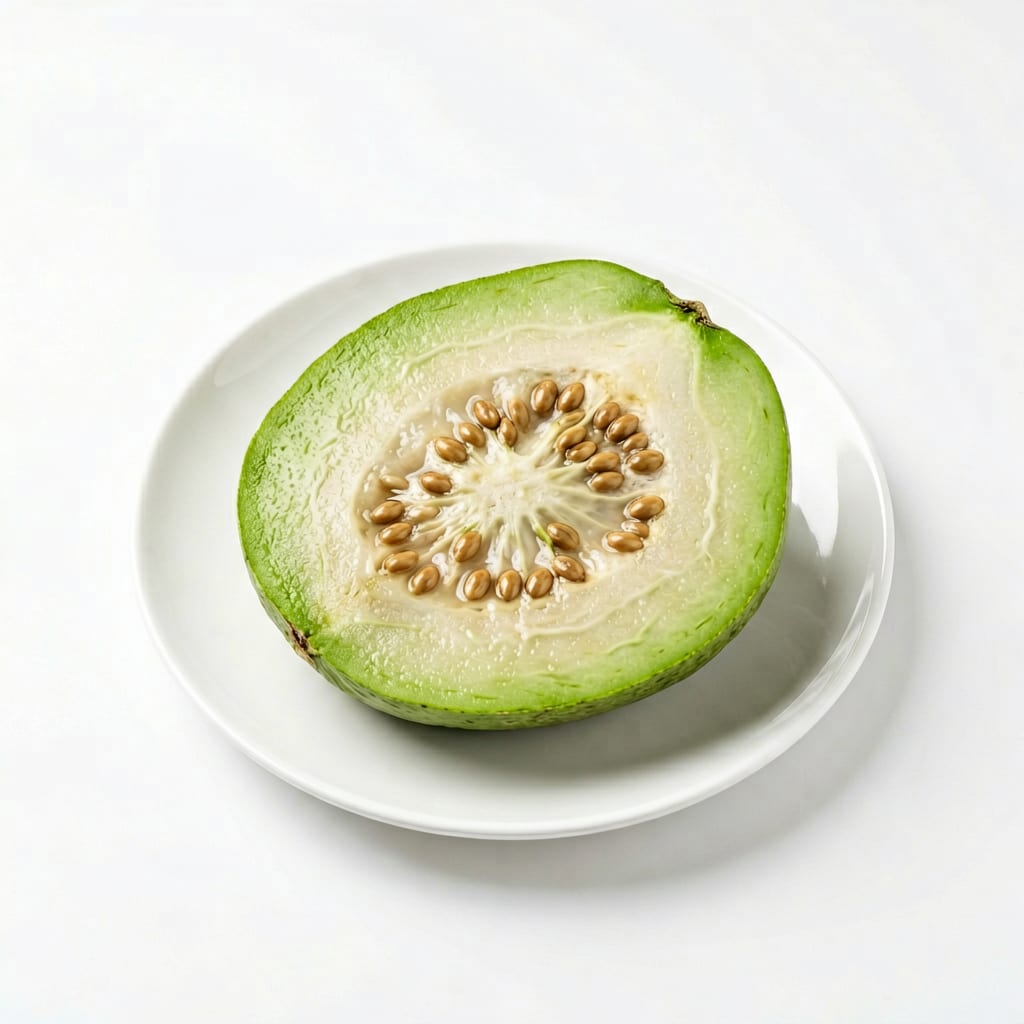
Chayote
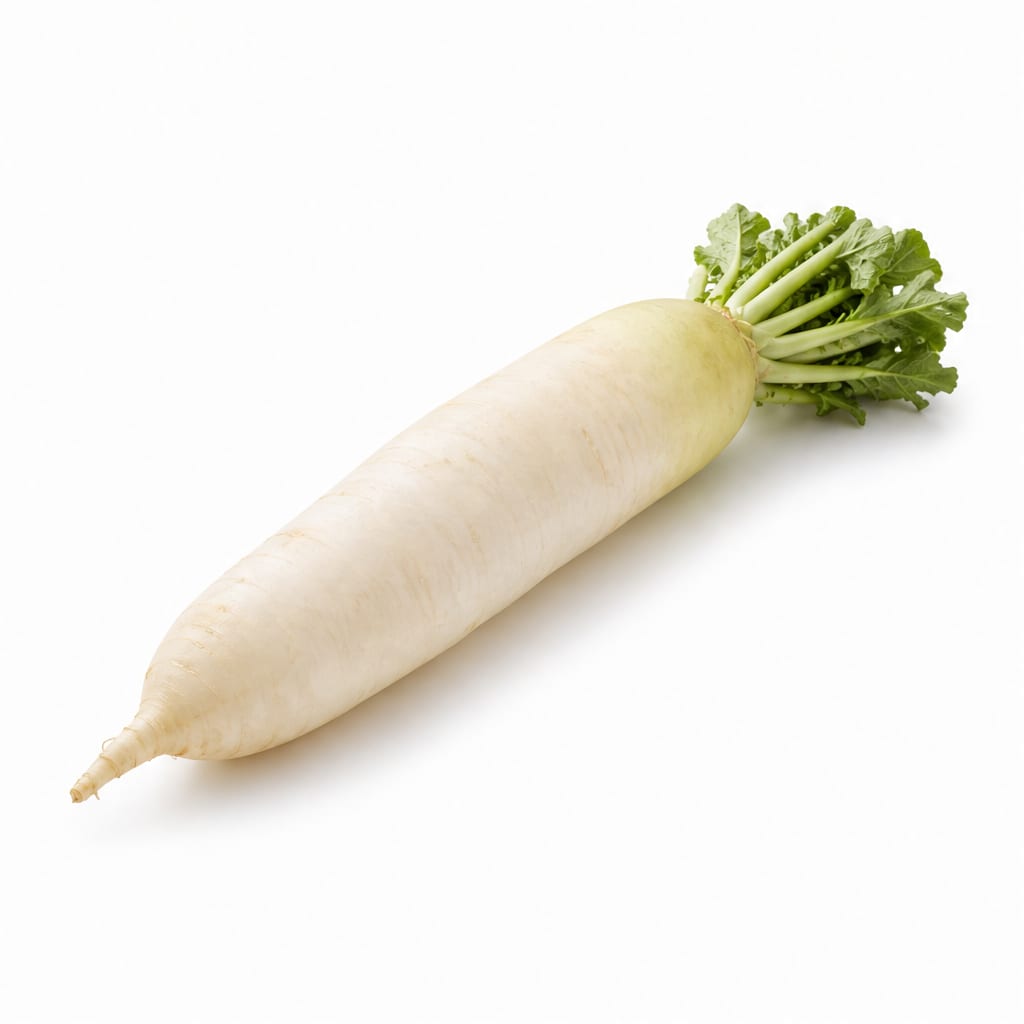
Daikon Radish
Chayote is the gentler, more versatile everyday vegetable, while Daikon Radish is the therapeutic powerhouse with stronger medicinal properties.
Daikon Radish edges ahead on therapeutic value and nutrient uniqueness, but Chayote's superior versatility and gentleness keep the gap narrow. Neither is a nutritional powerhouse, so context determines the real winner.
Chayote offers broader culinary appeal and easier daily eating, but Daikon Radish delivers more targeted health benefits especially for digestion and detoxification.
At a glance
Executive summary
Overall
It depends
Healthier
Daikon Radish
More practical
Chayote
Daily use
Chayote
Key comparison lenses
low calorie vegetable selection
Both are extremely low-calorie vegetables often chosen for weight management, making calorie density and satiety key decision factors
digestive health optimization
Daikon Radish contains unique digestive enzymes while Chayote offers gentle fiber, making gut health a natural comparison axis
anti inflammatory and disease prevention
Daikon Radish carries glucosinolates linked to cancer prevention, while Chayote provides folate and antioxidants relevant to cellular health
culinary versatility and palatability
Chayote's mild flavor suits picky eaters and diverse recipes, whereas Daikon Radish's peppery bite limits some applications
blood sugar management
Both vegetables have minimal glycemic impact, but subtle differences in fiber type and carbohydrate content matter for diabetics
Best choice for
Chayote
- Families needing a mild vegetable kids will actually eat
- People with sensitive stomachs who find radishes irritating
- Cooks wanting a neutral base that absorbs flavors easily
- Anyone seeking gentle daily fiber without digestive stimulation
Daikon Radish
- People actively fighting inflammation or seeking cancer-preventive foods
- Those with sluggish digestion needing enzymatic support
- Anyone doing a detox or cleanse protocol
- Fans of Asian cuisine who enjoy peppery, crisp flavors
Least suitable for
Chayote
- People seeking strong therapeutic or medicinal effects from vegetables
- Those wanting a vegetable with pronounced flavor that stands on its own
- Anyone looking for significant vitamin or mineral density per serving
Daikon Radish
- People with irritable bowel syndrome who react to cruciferous vegetables
- Children or picky eaters who dislike bitter or peppery flavors
- Those with thyroid concerns who need to limit goitrogenic foods raw
Deep comparison
Dimension by dimension
Each lens scores both foods and breaks down who each option suits.
- Dimension 1 · Priority 90Daikon Radish
digestive_health
Chayote · 60Daikon Radish · 88Daikon Radish contains diastase, a digestive enzyme that actively breaks down starches and eases bloating. Chayote provides gentle soluble fiber but lacks enzymatic action.
Tradeoff
Daikon Radish actively improves digestion through enzymes, but raw consumption can irritate sensitive stomachs. Chayote is safer for delicate digestion but works passively rather than actively.
Why it matters
If you feel bloated after starchy meals, Daikon Radish eaten beforehand can meaningfully reduce discomfort. Chayote simply adds fiber without the targeted relief.
Real-world impact
Eating a few slices of Daikon Radish before a heavy pasta dinner can reduce that stuffed feeling. Chayote would need to be a regular dietary habit to offer comparable gut benefits.
Chayote
- People with IBS or sensitive digestion
- Anyone who finds raw cruciferous vegetables upsetting
- Those wanting gentle, predictable fiber intake
Better for
- Anyone needing immediate digestive relief after heavy meals
- People seeking enzymatic support for protein or starch breakdown
Worse for
Daikon Radish
- People with occasional bloating after starchy meals
- Anyone with sluggish digestion needing a natural boost
- Those who tolerate cruciferous vegetables well
Better for
- People with active IBS flares
- Those on thyroid medication who consume large amounts raw
- Anyone who finds peppery flavors nausea-triggering
Worse for
- Dimension 2 · Priority 85Daikon Radish
anti_inflammatory_and_disease_prevention
Chayote · 55Daikon Radish · 82Daikon Radish is rich in glucosinolates and isothiocyanates, compounds strongly linked to reduced cancer risk and lower inflammation. Chayote has antioxidants but at lower concentrations.
Tradeoff
Daikon Radish's medicinal compounds are most potent when raw, which limits culinary options. Chayote's milder antioxidants survive cooking better but offer weaker protection.
Why it matters
For anyone with a family history of cancer or chronic inflammation, Daikon Radish provides compounds that Chayote simply cannot match in potency.
Real-world impact
Regular raw Daikon Radish consumption is associated with measurable reductions in inflammatory markers. Chayote supports general health but lacks the same evidence base for disease prevention.
Chayote
- People who prefer cooked vegetables and still want some antioxidant benefit
- Those wanting a low-key anti-inflammatory food without dietary disruption
Better for
- Anyone seeking the strongest available dietary cancer-prevention strategy
- People who want measurable anti-inflammatory impact from vegetables
Worse for
Daikon Radish
- People prioritizing cancer-preventive dietary patterns
- Anyone managing chronic inflammation through food
- Those comfortable eating raw vegetables regularly
Better for
- People who only eat cooked vegetables and would lose glucosinolate potency
- Those who cannot tolerate raw cruciferous vegetables
Worse for
- Dimension 3 · Priority 80Chayote
culinary_versatility_and_palatability
Chayote · 85Daikon Radish · 60Chayote's neutral, slightly sweet flavor works in everything from salads to soups to stir-fries to baked dishes. Daikon Radish's peppery bite narrows its culinary range significantly.
Tradeoff
Chayote blends into almost any dish but never shines as a star ingredient. Daikon Radish makes a bold statement but limits what dishes it can join.
Why it matters
If you need one vegetable that the whole household will eat across multiple recipes, Chayote is far easier to work with. Daikon Radish requires more culinary intention.
Real-world impact
You can sneak Chayote into a child's soup without them noticing. Daikon Radish will announce itself in every bite, for better or worse.
Chayote
- Families with children or picky eaters
- Meal preppers wanting one vegetable for multiple recipes
- People who dislike strong vegetable flavors
Better for
- Anyone wanting a vegetable with personality and distinct flavor
- Cooks seeking a signature ingredient that defines a dish
Worse for
Daikon Radish
- Adventurous cooks who love bold flavors
- Anyone preparing Asian-inspired dishes regularly
- People who enjoy vegetables as a featured element, not a background player
Better for
- People cooking for diverse palates including children
- Anyone wanting a neutral vegetable for creamy or delicate dishes
Worse for
- Dimension 4 · Priority 75Daikon Radish
nutrient_density
Chayote · 58Daikon Radish · 70Both are low-calorie, high-water vegetables, but Daikon Radish provides more vitamin C per serving and unique sulfur-containing compounds. Chayote offers more folate but less overall micronutrient impact.
Tradeoff
Daikon Radish delivers more nutrition per calorie, but neither vegetable is a nutritional heavyweight. If nutrient density is the priority, both lose to darker greens.
Why it matters
If choosing between these two specifically, Daikon Radish gives you slightly more nutritional bang for your caloric buck, especially in vitamin C and unique phytochemicals.
Real-world impact
A serving of Daikon Radish covers about 30% of daily vitamin C needs. Chayote covers closer to 15%, though it provides more folate for pregnant women.
Chayote
- Pregnant women prioritizing folate intake
- Anyone wanting a gentle source of potassium without excess
Better for
- Those seeking the most nutrient-dense vegetable option available
- People who need significant vitamin C from food sources
Worse for
Daikon Radish
- People relying on vegetables as a primary vitamin C source
- Anyone wanting maximum phytochemical diversity per calorie
Better for
- Pregnant women who need higher folate and find Daikon Radish unappealing in quantity
Worse for
- Dimension 5 · Priority 70It depends
blood_sugar_stability
Chayote · 72Daikon Radish · 72Both vegetables have negligible glycemic impact and can be eaten freely by diabetics. The differences are too small to meaningfully move blood sugar in either direction.
Tradeoff
Daikon Radish has slightly more fiber per serving, but Chayote's soluble fiber may slow glucose absorption more gently. In practice, both are excellent for blood sugar.
Why it matters
Neither vegetable will spike blood sugar, so diabetics can choose based on taste preference and other health goals without worrying about glycemic consequences.
Real-world impact
Both can be eaten as free foods on most diabetic meal plans. The decision should come down to what you enjoy eating, not blood sugar concerns.
Chayote
- Diabetics who prefer cooked vegetables with meals
- Anyone wanting a mild-tasting addition to a blood-sugar-friendly diet
Better for
- No significant blood sugar disadvantage
Worse for
Daikon Radish
- Diabetics who enjoy raw vegetables as snacks
- Anyone wanting slightly more fiber per serving
Better for
- No significant blood sugar disadvantage
Worse for
- Dimension 6 · Priority 75Chayote
satiety_and_weight_management
Chayote · 70Daikon Radish · 65Chayote's denser texture and slightly higher carbohydrate content make it marginally more filling. Daikon Radish's high water content and crispness feel lighter but less satisfying as a standalone snack.
Tradeoff
Chayote keeps you full slightly longer, but Daikon Radish's strong flavor can curb appetite more effectively in small amounts through sensory satisfaction.
Why it matters
For volume eaters who want to feel physically full, Chayote works better. For people who find that bold flavors satisfy with less food, Daikon Radish has an edge.
Real-world impact
A bowl of cooked Chayote feels like a proper side dish. A few slices of Daikon Radish work better as a palate cleanser or appetizer than a filling component.
Chayote
- Volume eaters who need physical fullness to feel satisfied
- People replacing higher-calorie side dishes with a low-calorie alternative
Better for
- People who find mild foods unsatisfying regardless of volume
Worse for
Daikon Radish
- People who find strong flavors more satiating than volume
- Anyone using small appetizers to reduce main course intake
Better for
- Anyone who needs a substantial vegetable component to feel full after meals
Worse for
Timeline
Health impact over time
Short-term
Hours to days
Chayote
- Gentle fiber supports regular bowel movements without cramping
- Very low calorie intake makes it easy to stay within daily targets
- Mild diuretic effect reduces water retention slightly
- High water content supports hydration
Daikon Radish
- Digestive enzymes can reduce bloating within 30 minutes of eating
- Strong flavor may trigger satiety signals faster than bland foods
- Raw consumption can cause gas in people unaccustomed to cruciferous vegetables
- Natural diuretic effect is more pronounced than Chayote
Long-term
Months to years
Chayote
- Consistent folate intake supports cardiovascular health over time
- Gentle fiber habits promote sustainable gut health without irritation
- Low inflammatory potential makes it safe for long-term daily consumption
- May help maintain healthy blood pressure through potassium content
Daikon Radish
- Regular glucosinolate intake is associated with reduced cancer risk in epidemiological studies
- Enzymatic support may improve nutrient absorption from other foods over time
- Anti-inflammatory compounds could reduce chronic disease risk with consistent consumption
- Raw consumption habits support a more diverse gut microbiome
Risk profile
Safety & processing
Both Chayote and Daikon Radish are whole, unprocessed vegetables typically sold fresh. Neither carries meaningful processing concerns. The only caveat is pickled Daikon Radish products, which add sodium and sometimes preservatives, but fresh Daikon Radish is as natural as it gets.
Chayote
pesticide_residue
lowChayote typically has low pesticide residue due to its thick skin, but conventional farming still warrants washing. Peeling eliminates most surface concern.
allergic_reaction
lowRare cases of contact dermatitis exist, primarily in people handling the raw fruit. The prickly variety can cause skin irritation during preparation.
Daikon Radish
goitrogenic_compounds
mediumRaw Daikon Radish contains goitrogens that can interfere with thyroid function when consumed in large amounts by susceptible individuals. Cooking significantly reduces this risk.
pesticide_residue
lowAs a root vegetable, Daikon Radish can accumulate soil contaminants. Buying organic reduces this concern, and peeling helps though it removes some nutrients.
digestive_irritation
lowRaw Daikon Radish can cause significant gas and bloating in people unaccustomed to cruciferous vegetables. Introduce gradually to avoid discomfort.
Who wins for whom
Audience fit
Same foods, different winners depending on your goal.
children
ChayoteChayote's mild, slightly sweet flavor and soft texture when cooked make it far more child-friendly than the peppery, crisp Daikon Radish.
daily consumption
ChayoteChayote's neutral flavor and digestive gentleness make it easier to eat every day without fatigue or irritation. Daikon Radish is better cycled in a few times per week.
diabetes
It dependsBoth have negligible glycemic impact and can be eaten freely. Daikon Radish offers slightly more fiber, while Chayote provides gentler digestion. Personal tolerance should decide.
elderly
ChayoteChayote is gentler on aging digestive systems, easier to chew when cooked, and less likely to cause gas or thyroid interactions common with raw cruciferous vegetables.
muscle gain
It dependsNeither vegetable meaningfully supports muscle gain directly. Both serve as low-calorie sides that leave room for protein-rich foods. Choose based on meal compatibility.
weight loss
ChayoteChayote's slightly higher satiety and easier inclusion into multiple meals makes it more sustainable for calorie-controlled diets. Both are excellent low-calorie choices, but Chayote is less likely to be abandoned due to flavor fatigue.
Your move
Decision guide
Choose Chayote
- You want a vegetable the whole family will eat without complaint
- You have a sensitive stomach or IBS and need gentle fiber
- You cook diverse cuisines and want a versatile ingredient
- You are pregnant and prioritizing folate intake
- You prefer cooked vegetables over raw
Choose Daikon Radish
- You want active digestive support after heavy meals
- Cancer prevention and anti-inflammatory eating are top priorities
- You enjoy bold, peppery flavors and Asian cuisine
- You are comfortable eating raw vegetables regularly
- You want more vitamin C and unique phytochemicals per serving
Either works if
- You need a low-calorie vegetable for weight management
- Blood sugar control is your primary concern
- You want to increase daily vegetable variety
- You are looking for hydrating, water-rich foods
Avoid both if
- You need a nutrient-dense vegetable as a dietary staple, since both are relatively low in vitamins and minerals compared to dark leafy greens
- You are seeking significant protein or healthy fat content from vegetables
Final recommendation
Keep both in rotation. Use Chayote as your daily workhorse vegetable for meals where you need something mild and filling. Add Daikon Radish two to three times per week as a therapeutic boost for digestion and inflammation. If you must pick one, Chayote wins on sustainability and ease, but Daikon Radish wins on health impact per bite.
Practical
Consumer tips
- 1
Peel Chayote under running water to reduce the sticky sap residue that can irritate skin
- 2
Slice Daikon Radish paper-thin for salads to mellow its peppery bite while preserving enzymes
- 3
Lightly pickling Daikon Radish retains most health benefits while softening the sharp flavor
- 4
Chayote can replace potatoes in soups and stews for a lower-carb alternative with similar texture
- 5
If raw Daikon Radish causes bloating, try steaming it lightly to reduce goitrogens while keeping some enzyme activity
- 6
Both vegetables last over a week refrigerated, making them practical for weekly grocery runs
- 7
Grate Daikon Radish over grilled meats as a condiment to aid digestion of heavy proteins
- 8
Chayote cubes freeze well for smoothies, adding creaminess without flavor dominance