
Nutrition comparison
Chayote vs Cucumber: Nutrition, Hydration, and Which Low-Calorie Vegetable Wins
Compare chayote and cucumber side by side — nutrition, hydration, cooking versatility, and which is better for weight loss, diabetes, and daily meals.
Overall winner · Chayote
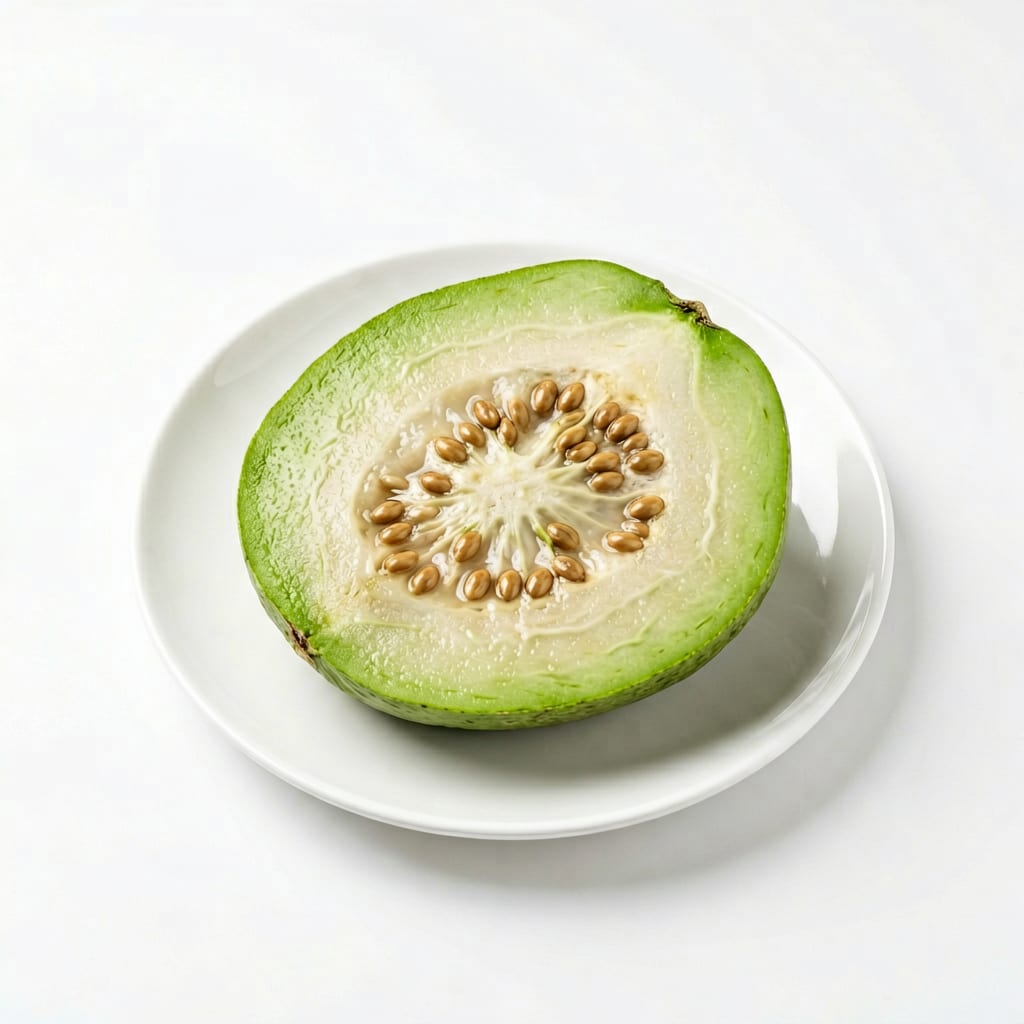
Chayote
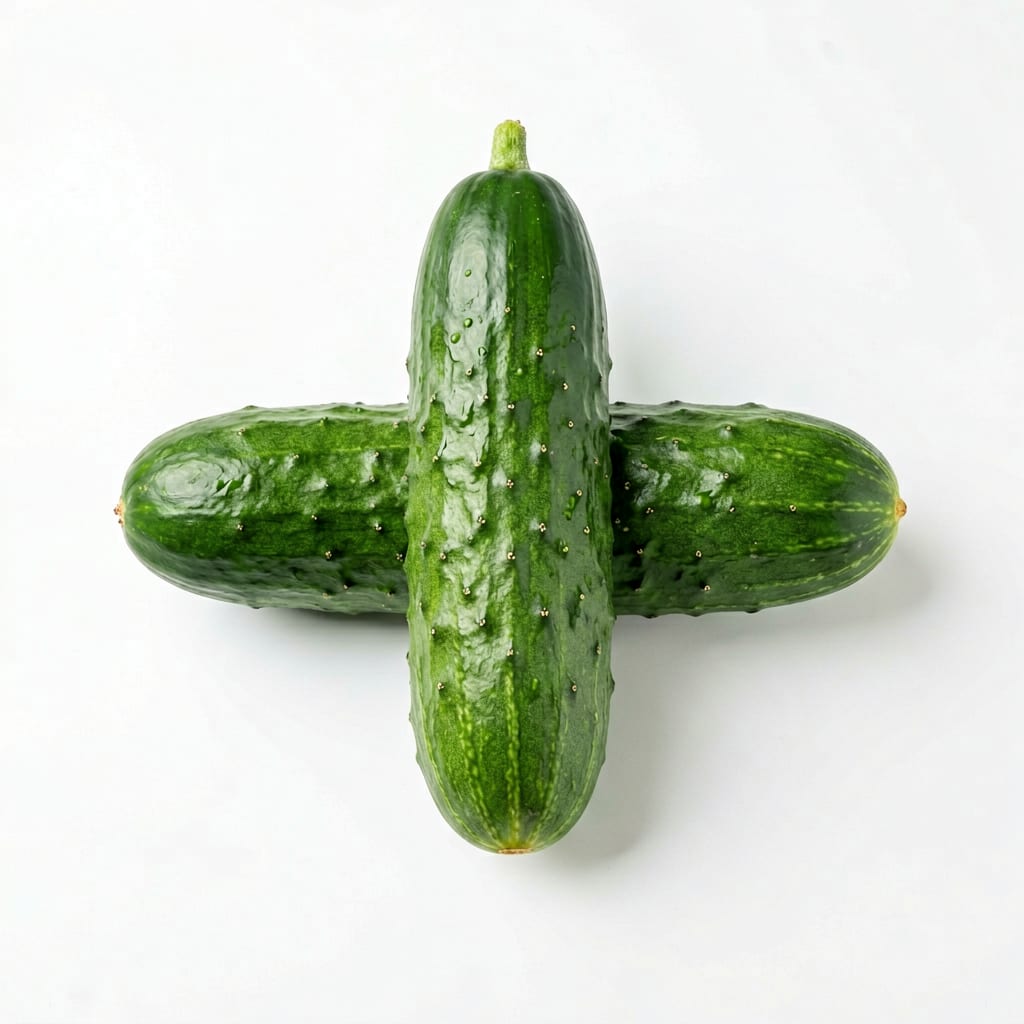
Cucumber
Chayote edges ahead with notably more folate, fiber, and cooking versatility, while cucumber dominates on hydration and convenience.
Chayote scores higher due to superior micronutrient density and culinary flexibility. Cucumber remains excellent for hydration and convenience but offers less nutritional substance per serving.
Cucumber gives you instant refreshment with almost zero prep; chayote rewards you with better nutrition and more meal possibilities but requires cooking or peeling.
At a glance
Executive summary
Overall
Chayote
Healthier
Chayote
More practical
Cucumber
Daily use
It depends
Key comparison lenses
low-calorie vegetable selection for weight management
Both are extremely low-calorie vegetables often chosen as filler foods in weight loss diets
hydration and water content comparison
Cucumber is famous for hydration while chayote offers a different moisture profile with more substance
micronutrient density per calorie
Users choosing between light vegetables often want to know which delivers more nutrition per bite
cooking versatility and meal integration
Chayote can be cooked or raw while cucumber is almost exclusively raw, affecting how each fits into meals
digestive comfort and gut tolerance
Both are gentle vegetables but differ in fiber type and potential digestive effects
Best choice for
Chayote
- Pregnant women needing folate
- Home cooks wanting a versatile vegetable that works raw, roasted, or in soups
- Anyone seeking more filling low-calorie meals
- People wanting to diversify their vegetable rotation beyond common produce
Cucumber
- Hot weather hydration when water alone feels boring
- Quick snack prep with zero cooking
- Salad builders who want crunch without calories
- People with sensitive digestion who need the gentlest option
Least suitable for
Chayote
- Anyone needing a grab-and-go snack immediately
- People unfamiliar with preparing it who may waste it
- Raw food enthusiasts who dislike cooked vegetables
Cucumber
- Those wanting substantial nutrition per serving
- People trying to increase folate or manganese intake
- Hot meal preparations like stir-fries or stews
Deep comparison
Dimension by dimension
Each lens scores both foods and breaks down who each option suits.
- Dimension 1 · Priority 88Cucumber
Hydration & Refreshment
Chayote · 70Cucumber · 97Cucumber is roughly 96% water and delivers unmatched refreshment. Chayote is moist but denser and less immediately thirst-quenching.
Tradeoff
Cucumber hydrates faster but leaves you hungry sooner. Chayote provides moderate hydration with more staying power.
Why it matters
On hot days or after exercise, cucumber feels like eating water. Chayote satisfies but won't replace a glass of water.
Real-world impact
Reach for cucumber slices after a workout or on a summer afternoon. Choose chayote when you want moisture in a cooked dish.
Chayote
- Soups and stews where moisture integrates with other ingredients
- Meals where you want hydration plus substance
Better for
- Pure hydration needs
- No-prep situations
Worse for
Cucumber
- Immediate thirst relief
- Hot weather snacking
- Replacing high-calorie beverages with something crunchy
Better for
- Sustained fullness after eating
- Cooked dishes requiring structural integrity
Worse for
- Dimension 2 · Priority 85Chayote
Micronutrient Density
Chayote · 74Cucumber · 42Chayote delivers meaningfully more folate, vitamin C, manganese, and zinc per calorie. Cucumber is not nutrient-dense despite being a vegetable.
Tradeoff
Cucumber's extreme low calorie count comes at the cost of also being low in vitamins and minerals. Chayote costs slightly more calories but pays back with real nutrition.
Why it matters
If you eat mostly low-calorie vegetables, choosing ones that actually contribute vitamins prevents hidden deficiencies over time.
Real-world impact
A serving of chayote covers roughly 15% of daily folate needs. Cucumber covers less than 5% of almost any vitamin target.
Chayote
- Folate intake during pregnancy planning
- Vitamin C contribution without fruit sugar
- Trace mineral intake from whole foods
Better for
- Being treated as a nutrition-free filler
Worse for
Cucumber
- Situations where calories matter more than nutrients
- Vitamin K contribution for bone health
Better for
- Being relied on as a significant nutrient source
- Replacing more nutritious vegetables in meals
Worse for
- Dimension 3 · Priority 80Chayote
Satiety & Fullness
Chayote · 66Cucumber · 48Chayote has more fiber and a denser texture that slows eating. Cucumber disappears quickly and rarely satisfies hunger alone.
Tradeoff
Cucumber is so light you can eat large volumes without feeling full. Chayote gives moderate fullness that actually reduces snacking urges.
Why it matters
Volume eating only works if it stops hunger. Cucumber adds volume without satiety signals, which can lead to eating again sooner.
Real-world impact
A chayote-based side dish at dinner keeps you comfortable until morning. Cucumber salad often leaves you hunting for something else within an hour.
Chayote
- Weight loss meals that need to actually feel like meals
- Preventing late-night snacking after dinner
Better for
- Situations where you want to stay light before a heavy meal
Worse for
Cucumber
- Light grazing when you want mouth activity without fullness
- Appetizer courses where you don't want to fill up
Better for
- Using it as a meal component expecting lasting satisfaction
- Emotional eating patterns where fullness matters
Worse for
- Dimension 4 · Priority 80Chayote
Culinary Versatility
Chayote · 85Cucumber · 52Chayote works raw in slaws, roasted, grilled, boiled in soups, and even baked into desserts. Cucumber is almost entirely a raw ingredient.
Tradeoff
Cucumber excels at one thing perfectly — raw crunch. Chayote is a Swiss army knife vegetable that adapts to almost any cooking method.
Why it matters
A vegetable you can cook ten ways gets eaten more often and wasted less. Limited-use produce often rots in the crisper drawer.
Real-world impact
Chayote can replace potatoes in stews for a lower-carb option, go into curries, or be pickled. Cucumber makes salads and pickles. That's about it.
Chayote
- Meal prep across multiple recipes
- Cooking for picky eaters who need vegetables hidden in dishes
- Replacing higher-carb ingredients in comfort food recipes
Better for
- Instant no-prep snacking
Worse for
Cucumber
- No-cook meal assembly
- Quick garnishes and toppings
Better for
- Hot dishes
- Any recipe requiring structural integrity when heated
Worse for
- Dimension 5 · Priority 75Chayote
Blood Sugar Stability
Chayote · 78Cucumber · 72Both are extremely blood sugar friendly. Chayote's slightly higher fiber content gives it a marginal edge for glucose control.
Tradeoff
The difference is small. Both are safe for diabetics. Chayote just offers a touch more fiber to slow any glucose absorption.
Why it matters
For most people, either vegetable works perfectly for blood sugar. The distinction only matters when building a diabetes-optimized meal plan.
Real-world impact
Neither will spike blood sugar. Pair either with protein and healthy fat for a perfectly stable meal.
Chayote
- Diabetes meal plans where every gram of fiber counts
- Combining with carb sources to reduce glycemic impact
Better for
- No significant downside here
Worse for
Cucumber
- Low-fiber diets for acute digestive issues where gentleness matters
Better for
- Being assumed equal to higher-fiber vegetables for glucose management
Worse for
- Dimension 6 · Priority 78Cucumber
Convenience & Accessibility
Chayote · 45Cucumber · 90Cucumber is available everywhere, needs no cooking, and requires minimal prep. Chayote is harder to find, often needs peeling, and usually benefits from cooking.
Tradeoff
Cucumber wins on speed and availability. Chayote requires more effort but rewards you with a more substantial ingredient.
Why it matters
The best vegetable is the one you actually eat. Cucumber's convenience means it gets consumed more consistently.
Real-world impact
You can slice a cucumber in 30 seconds. Chayote requires peeling, coring, and typically 10-15 minutes of cooking time.
Chayote
- Weekend meal prep when you're already cooking
- Ethnic grocery stores where chayote is affordable and fresh
Better for
- Spontaneous meals requiring immediate ingredients
- Areas with limited produce selection
Worse for
Cucumber
- Busy weeknight dinners
- Office lunches and on-the-go snacking
- Any grocery store in America
Better for
- Cooking projects that need a versatile vegetable
Worse for
- Dimension 7 · Priority 72Cucumber
Digestive Tolerance
Chayote · 68Cucumber · 80Both are gentle, but cucumber's extremely soft fiber and high water content make it the safer choice for sensitive stomachs.
Tradeoff
Cucumber is nearly impossible to upset digestion with. Chayote's slightly firmer fiber could bother very sensitive systems when raw.
Why it matters
For people with IBS, post-surgery recovery, or delicate digestion, cucumber is one of the safest foods available.
Real-world impact
After stomach illness, cucumber slices are often tolerated before most other vegetables. Chayote is better introduced once digestion stabilizes.
Chayote
- Normal digestion where fiber variety is beneficial
Better for
- Acute digestive upset
- Raw consumption for very sensitive systems
Worse for
Cucumber
- Recovery from gastrointestinal illness
- IBS management under professional guidance
- Elderly patients with reduced digestive capacity
Better for
- Situations where more fiber would actually help regularity
Worse for
Timeline
Health impact over time
Short-term
Hours to days
Chayote
- Moderate fullness from fiber and water content combined
- Gentle blood sugar stability after meals
- Mild digestive adjustment if eaten raw in large quantities
Cucumber
- Rapid hydration and refreshment
- Almost no digestive load even on sensitive stomachs
- Quick hunger return due to minimal substance
Long-term
Months to years
Chayote
- Better folate intake supports cellular repair and healthy pregnancy
- Manganese contribution aids bone health and metabolism over time
- Dietary variety that reduces reliance on limited vegetable rotation
Cucumber
- Consistent hydration supports kidney function and skin health
- Very low calorie intake may contribute to insufficient nutrition if over-relied upon
- Silica content may support connective tissue health long-term
Risk profile
Safety & processing
Both are whole vegetables typically sold fresh and unprocessed. Neither carries significant additive concerns in their natural form.
Chayote
Pesticide residue on skin
mediumChayote skins can harbor pesticide residue. Peeling significantly reduces exposure. Choose organic when eating skin.
Cross-contamination in preparation
lowThe large seed cavity can trap soil or bacteria. Wash thoroughly and remove the seed before cooking.
Cucumber
Pesticide residue
highCucumbers consistently rank on EWG's Dirty Dozen list. The waxy skin holds residues. Peel or buy organic to reduce exposure significantly.
Wax coatings on conventional produce
mediumMany conventional cucumbers are coated with food-grade wax to retain moisture. This wax can trap pesticides underneath.
Who wins for whom
Audience fit
Same foods, different winners depending on your goal.
children
CucumberCucumber's mild crunch and familiarity make it more kid-friendly. Chayote's texture and flavor require more adventurous eating.
daily consumption
It dependsCucumber is easier to eat daily due to convenience. Chayote offers more nutritional value per serving. Rotate both for best results.
diabetes
ChayoteChayote's higher fiber content provides slightly better glucose control, though both are excellent choices for blood sugar management.
elderly
CucumberCucumber's soft texture when peeled and minimal digestive demands suit aging digestive systems better.
muscle gain
It dependsNeither is a muscle-building food. Chayote has marginally more amino acids but both should be paired with protein sources.
weight loss
It dependsCucumber has fewer calories per serving but chayote keeps you full longer. For volume eaters, cucumber. For satisfaction, chayote.
Your move
Decision guide
Choose Chayote
- You want a vegetable that actually contributes meaningful vitamins and minerals
- You enjoy cooking and want an ingredient that works across many recipes
- You're pregnant or planning pregnancy and need folate from food sources
- You're tired of the same rotation of common vegetables
- You want something filling enough to replace starchy sides in meals
Choose Cucumber
- Maximum hydration is your priority, especially in hot weather
- You need a zero-prep vegetable for busy schedules
- You have a sensitive stomach and need the gentlest option
- Your kids refuse unfamiliar vegetables
- You want something to crunch on that won't ruin your appetite for dinner
Either works if
- You're building a low-calorie meal plan and both fit perfectly
- You want blood sugar-friendly vegetables for diabetes management
- You're increasing vegetable variety and both add value
- You need light sides for heavy main courses
Avoid both if
- You need calorie-dense foods during weight gain or recovery
- You're seeking significant protein or fat intake from vegetables
- You have a severe allergy to Cucurbitaceae family plants
Final recommendation
Keep both in your rotation. Use cucumber for raw snacking, salads, and hydration. Use chayote for cooked meals, nutritional density, and culinary variety. If forced to pick one, chayote gives you more per calorie — but cucumber's convenience means you'll actually eat it more often.
Practical
Consumer tips
- 1
Peel conventional cucumbers to remove wax and pesticide residue, or buy organic if you want to eat the nutrient-rich skin
- 2
Chayote can be eaten raw but benefits from light cooking — try roasting with olive oil and salt for an easy entry point
- 3
Store chayote in the refrigerator crisper; it lasts 2-3 weeks, much longer than most people expect
- 4
Cucumber loses crunch quickly once cut — slice only what you'll eat immediately for best texture
- 5
Chayote's mild flavor absorbs seasonings well — think of it as a blank canvas for spices and marinades
- 6
Freeze cucumber slices for a refreshing post-workout treat that doubles as hydration
- 7
If chayote is hard to find, check Latin American or Asian grocery stores where it's a staple ingredient