
Nutrition comparison
Chayote vs Celery: Nutrition, Pesticides, and Best Uses
Compare chayote and celery for weight loss, nutrition, and safety. Discover which low-calorie vegetable is better for snacking, cooking, and avoiding pesticides.
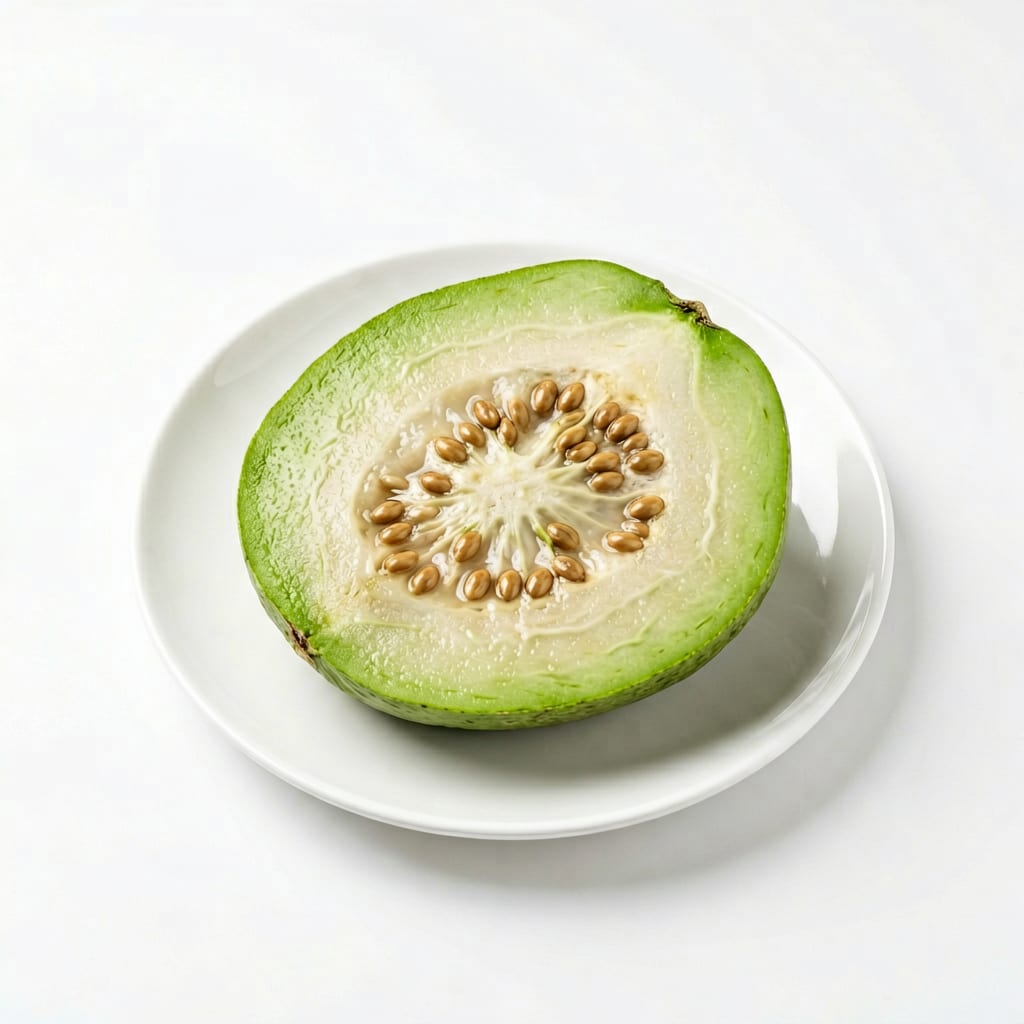
Chayote
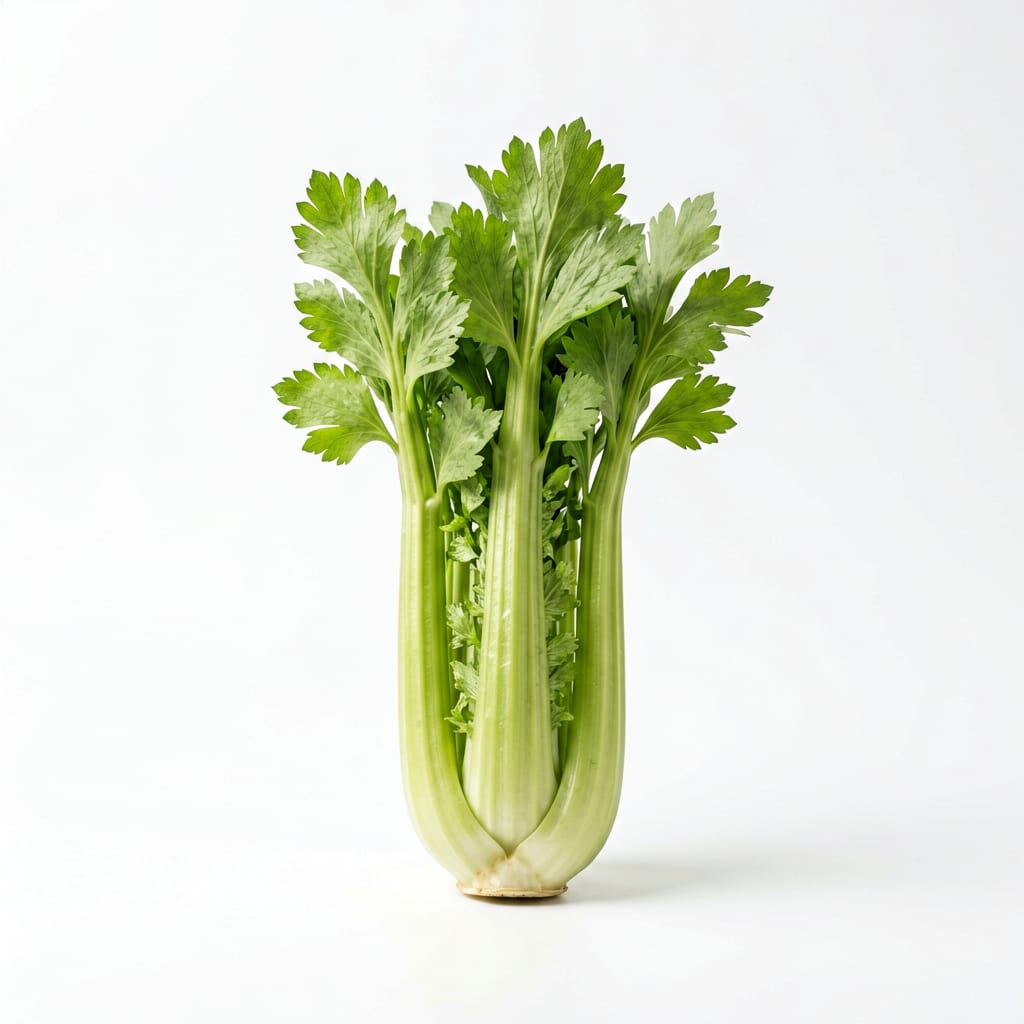
Celery
Celery is the ultimate raw low-calorie crunch, but chayote brings more substance, better nutrients, and a cleaner safety profile to your plate.
Chayote scores slightly higher due to better micronutrient density and a significantly cleaner pesticide profile, though celery wins on raw convenience and hydration.
Raw snacking convenience and extreme low calories versus better micronutrients, cooking versatility, and lower pesticide risk.
At a glance
Executive summary
Overall
It depends
Healthier
Chayote
More practical
Celery
Daily use
Chayote
Key comparison lenses
Low-calorie snacking and weight management
Both are extremely low in calories and frequently used as diet-friendly foods.
Pesticide exposure and food safety
Celery is notoriously high in pesticide residue, while chayote is typically much cleaner.
Nutrient density per calorie
Users want to know which vegetable offers more vitamins and minerals for the minimal caloric cost.
Culinary use and satiety
One is a raw snacking staple, the other is a versatile cooked ingredient, leading to different real-world satisfaction.
Best choice for
Chayote
- Those prioritizing pesticide-free produce on a budget
- Anyone needing a gentle, easy-to-chew cooked vegetable
- People looking to boost folate intake naturally
- Meal preppers wanting a versatile cooking ingredient
Celery
- Raw snackers who love dipping vegetables
- Those strictly counting every single calorie
- People needing quick hydration and crunch
- Anyone adding bulk to salads without cooking
Least suitable for
Chayote
- Quick no-prep snacking situations
- People wanting maximum raw crunch
Celery
- Those strictly avoiding conventional pesticide exposure
- Situations requiring a hearty, filling side dish
Deep comparison
Dimension by dimension
Each lens scores both foods and breaks down who each option suits.
- Dimension 1 · Priority 90Celery
Calorie Density and Hydration
Chayote · 85Celery · 95Celery is almost entirely water, making it one of the lowest-calorie foods available, while chayote is slightly denser.
Tradeoff
You get more hydration and fewer calories with celery, but chayote offers more actual food substance and satiety.
Why it matters
If you are purely volume eating or need hydration, celery is unmatched.
Real-world impact
Munching on celery sticks fills you up with water weight; eating chayote provides a bit more actual energy to fuel your afternoon.
Chayote
- Sustained light energy
- Feeling like you ate a real vegetable
Better for
- Extreme calorie restriction diets
Worse for
Celery
- Maximum volume for minimum calories
- Hot weather hydration
Better for
- When you need actual caloric fuel, even in small amounts
Worse for
- Dimension 2 · Priority 85Chayote
Micronutrient Density
Chayote · 82Celery · 60Chayote provides more meaningful amounts of folate, vitamin C, and minerals compared to celery.
Tradeoff
Celery's nutrients are heavily diluted by water, whereas chayote packs more nutrition per bite.
Why it matters
Eating low-calorie foods should still contribute meaningfully to your daily vitamin needs.
Real-world impact
Choosing chayote helps you hit your folate targets, which is especially important for cellular repair and pregnancy.
Chayote
- Prenatal nutrition
- Immune support from vitamin C
Better for
- Bone health from vitamin K
Worse for
Celery
- Vitamin K for bone health
Better for
- General vitamin replenishment
Worse for
- Dimension 3 · Priority 88Chayote
Pesticide Residue and Safety
Chayote · 92Celery · 45Celery consistently appears on the Dirty Dozen list for high pesticide residue, while chayote has a thick skin and low residue risk.
Tradeoff
Celery requires careful organic sourcing or washing; chayote is naturally safer in its conventional form.
Why it matters
Chronic pesticide exposure can disrupt hormones and gut health over time.
Real-world impact
You can eat conventional chayote with peace of mind, but conventional celery might expose you to multiple synthetic chemicals daily.
Chayote
- Peace of mind on a budget
- Reducing toxic load
Better for
Celery
- Organic snacking if budget allows
Better for
- Eating conventional produce daily
Worse for
- Dimension 4 · Priority 80Chayote
Culinary Versatility and Satiety
Chayote · 88Celery · 70Chayote can be roasted, boiled, stir-fried, or eaten raw, acting as a substantial side, whereas celery is mostly a raw snack or aromatic base.
Tradeoff
Celery is perfect for raw dipping, but chayote absorbs flavors and provides a satisfying cooked texture.
Why it matters
A food that fits into actual meals is often more useful for long-term satiety than one limited to snacking.
Real-world impact
Chayote can replace potatoes or apples in warm dishes, making dinner more filling without adding calories.
Chayote
- Warm comforting meals
- Meal prep and batch cooking
Better for
- Zero-prep situations
Worse for
Celery
- Quick raw snacking
- Adding crunch to salads
Better for
- Hearty cooked dishes
Worse for
Timeline
Health impact over time
Short-term
Hours to days
Chayote
- Gentle on digestion, especially when cooked
- Provides a light, steady energy without bloating
Celery
- Immediate hydration
- Can cause bloating if eaten in large raw quantities due to stringy fibers
Long-term
Months to years
Chayote
- Supports cellular health with folate
- Low pesticide burden supports hormonal balance
Celery
- Excellent for maintaining low body weight
- Risk of cumulative pesticide exposure if not organic
Risk profile
Safety & processing
Both are whole, natural vegetables. The main concern isn't artificial additives, but rather what is sprayed on them in the field.
Chayote
Pesticide residue
lowThick skin and low spray rates make conventional chayote relatively safe to consume.
Celery
Pesticide residue
highCelery is highly porous and heavily sprayed, often retaining multiple pesticide residues even after thorough washing.
Who wins for whom
Audience fit
Same foods, different winners depending on your goal.
children
CeleryCelery sticks with peanut butter are a kid-friendly classic, while chayote might be a harder sell to picky eaters.
daily consumption
ChayoteChayote's lower pesticide risk and higher folate make it a safer and more nutritious daily staple.
diabetes
CeleryCelery has virtually zero impact on blood sugar, making it a completely safe, unlimited snack for diabetics.
elderly
ChayoteCooked chayote is very soft and easy to chew, while raw celery can be difficult to eat with dental issues.
muscle gain
It dependsNeither is particularly helpful for muscle gain, as both are very low in protein and calories.
weight loss
CeleryCelery's extreme low calorie count and high water content make it a classic weight loss tool for raw snacking.
Your move
Decision guide
Choose Chayote
- You want a cooked vegetable that absorbs flavor beautifully
- You are concerned about pesticide exposure on a budget
- You need a gentle, easy-to-chew food for sensitive digestion
- You are pregnant or trying to boost folate intake
Choose Celery
- You want a crunchy, raw snack for hummus or peanut butter
- You need maximum hydration and crunch
- You are strictly counting every single calorie
- You buy organic produce regularly
Either works if
- You need low-calorie bulk for soups and stews
- You want a neutral-tasting vegetable to balance a meal
Avoid both if
- You are looking for a high-protein or calorie-dense food to fuel intense workouts
Final recommendation
Keep celery in the fridge for raw snacking if you buy organic, but choose chayote for cooked meals and a safer, more nutrient-dense daily staple.
Practical
Consumer tips
- 1
Buy organic celery whenever possible to avoid high pesticide exposure.
- 2
Peel chayote lightly under running water to reduce the sticky sap residue on your hands.
- 3
Use celery for the crunch in salads, and chayote for the bulk in stir-fries and soups.
- 4
If raw celery is too stringy, peel the outer stalks for a more tender snacking experience.