
Nutrition comparison
Chayote vs Bottle Gourd: Nutrition, Safety, and Best Uses
Comparing Chayote and Bottle Gourd? Discover which low-calorie vegetable is safer, better for digestion, and more versatile in the kitchen.
Overall winner · Chayote
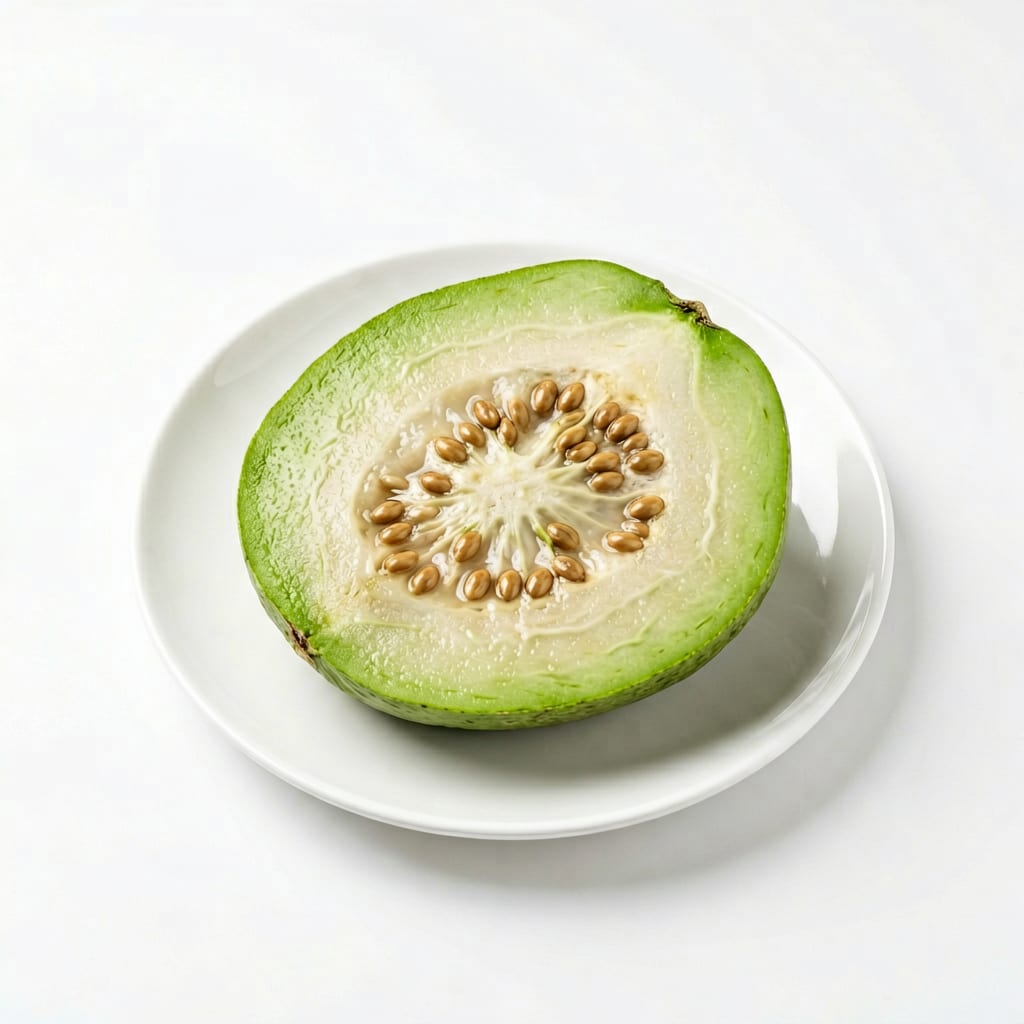
Chayote
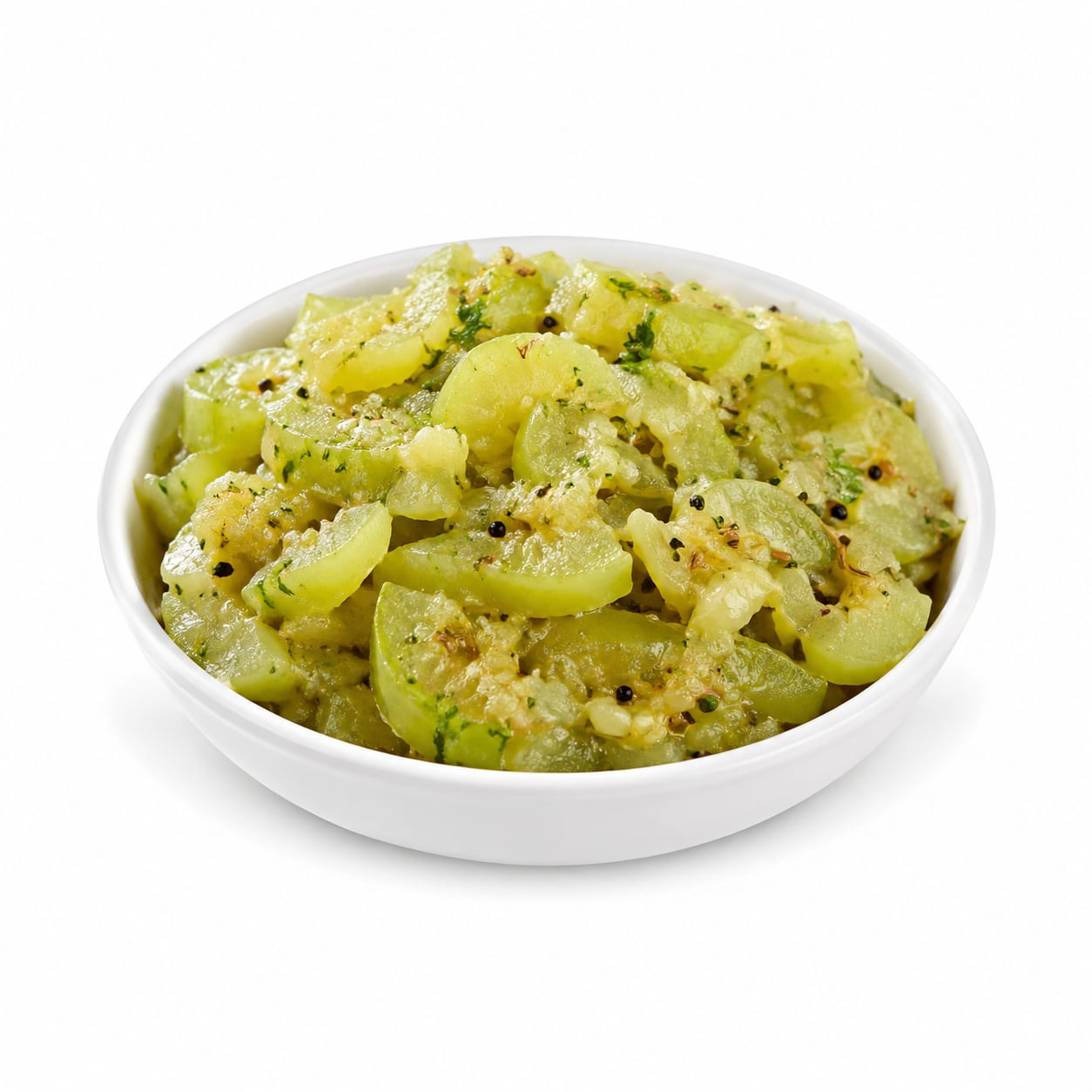
Bottle Gourd
Chayote wins for everyday safety, versatility, and nutrition, but Bottle Gourd is the ultimate gut-soothing comfort food if you verify it isn't bitter.
Chayote scores higher due to its culinary flexibility, raw edibility, and lack of toxicity risks. Bottle Gourd is excellent for specific digestive needs but is held back by its safety caveat and softer texture.
You trade the extreme digestive gentleness and slightly lower calories of Bottle Gourd for the crunch, raw-eating potential, and guaranteed safety of Chayote.
At a glance
Executive summary
Overall
Chayote
Healthier
Chayote
More practical
Chayote
Daily use
Chayote
Key comparison lenses
Low-calorie vegetable selection for weight management
Both are extremely low in calories and often used as filling, low-energy-density staples in weight loss diets.
Digestive gentleness and gut soothing
Bottle Gourd is renowned in traditional medicine for being ultra-easy on the stomach, while Chayote offers good fiber for regularity.
Food safety and toxicity risks
Bottle Gourd carries a rare but serious risk of toxicity if it tastes bitter, a concern completely absent in Chayote.
Culinary versatility and texture
Chayote maintains a pleasant crunch raw or cooked, whereas Bottle Gourd becomes very soft and is limited to cooked dishes.
Best choice for
Chayote
- People wanting a safe, versatile veggie for salads and stir-fries
- Those needing more folate in their diet
- Anyone concerned about food toxicity risks
Bottle Gourd
- People with sensitive stomachs or recovering from illness
- Those following Ayurvedic or traditional cooling diets
- Anyone seeking the absolute lowest calorie cooked vegetable
Least suitable for
Chayote
- People looking for a mushy, comforting texture when cooked
- Those strictly following traditional healing diets that specifically call for Bottle Gourd
Bottle Gourd
- Anyone wanting a raw, crunchy addition to salads
- People who dislike cooking vegetables before eating them
- Those unwilling to taste-test for bitterness before cooking
Deep comparison
Dimension by dimension
Each lens scores both foods and breaks down who each option suits.
- Dimension 1 · Priority 95Bottle Gourd
Weight Management & Satiety
Chayote · 82Bottle Gourd · 85Bottle Gourd is slightly lower in calories and higher in water, making it incredibly filling for minimal energy cost.
Tradeoff
Chayote provides more fiber which helps long-term fullness, but Bottle Gourd's sheer volume-to-calorie ratio is hard to beat.
Why it matters
When eating in a calorie deficit, volume eating helps control hunger without overconsumption.
Real-world impact
A large bowl of Bottle Gourd soup can physically fill your stomach for under 30 calories, while Chayote offers a more satisfying crunch that takes longer to chew.
Chayote
- Chewing satisfaction and fiber-driven fullness
Better for
- Slightly higher calorie density than Bottle Gourd
Worse for
Bottle Gourd
- Maximum food volume per calorie
Better for
- Lacks the chewing resistance that helps psychological satisfaction
Worse for
- Dimension 2 · Priority 90Bottle Gourd
Digestive Comfort
Chayote · 78Bottle Gourd · 92Bottle Gourd is famously gentle on the gut, often recommended for ulcers and digestive distress, while Chayote is merely easy to digest.
Tradeoff
Bottle Gourd's mushy softness when cooked is a pro for upset stomachs but a con for texture lovers.
Why it matters
If you have IBS, acid reflux, or are recovering from illness, food texture and residue matter greatly.
Real-world impact
Bottle Gourd feels like a warm, comforting blanket for an irritated stomach; Chayote feels like a normal, healthy vegetable.
Chayote
- Provides more fiber to support regular bowel movements
Better for
- Fiber might irritate a severely inflamed gut
Worse for
Bottle Gourd
- Ultra-soothing for inflamed or sensitive digestive tracts
Better for
- Very low fiber means less help with constipation
Worse for
- Dimension 3 · Priority 85Chayote
Food Safety & Toxicity
Chayote · 95Bottle Gourd · 60Chayote is virtually risk-free, while Bottle Gourd can occasionally contain toxic cucurbitacins that cause severe illness.
Tradeoff
Bottle Gourd requires a taste-test before cooking to ensure it isn't bitter, adding a small but critical step to meal prep.
Why it matters
Bitter Bottle Gourd toxicity can lead to severe vomiting, diarrhea, and hospitalization.
Real-world impact
You can chop Chayote without a second thought, but you must always taste a tiny piece of raw Bottle Gourd first—if it's bitter, throw it away.
Chayote
- Zero risk of toxic cucurbitacins
Better for
- Can cause mild skin irritation from sap when peeling
Worse for
Bottle Gourd
- Safe as long as the bitterness test is passed
Better for
- Inherent risk of severe toxicity if bitter varieties are consumed
Worse for
- Dimension 4 · Priority 80Chayote
Culinary Versatility
Chayote · 88Bottle Gourd · 65Chayote can be eaten raw, pickled, roasted, or stir-fried while maintaining a crisp texture, whereas Bottle Gourd is strictly a cooked vegetable that turns soft.
Tradeoff
Chayote's firmness makes it a great apple or pear substitute in salads, while Bottle Gourd excels only in curries, soups, and stews.
Why it matters
A vegetable you can use in more ways is easier to keep in your regular rotation without getting bored.
Real-world impact
Chayote can be julienned into a refreshing slaw; Bottle Gourd is best enjoyed as a comforting dal or stew base.
Chayote
- Excellent raw in salads and slaws
- Holds crunch in stir-fries
Better for
- Doesn't break down to thicken soups naturally
Worse for
Bottle Gourd
- Absorbs flavors beautifully in slow-cooked curries
Better for
- Completely unsuitable for raw dishes or crunchy sides
Worse for
- Dimension 5 · Priority 75Chayote
Micronutrient Density
Chayote · 75Bottle Gourd · 60Chayote offers notably more folate and vitamin C, while Bottle Gourd is mostly water with trace nutrients.
Tradeoff
Neither is a nutritional powerhouse, but Chayote provides a slightly better spectrum of vitamins.
Why it matters
Folate is crucial for cell repair and pregnancy, and vitamin C boosts iron absorption from other foods.
Real-world impact
Adding Chayote to your meal gives a small but meaningful vitamin upgrade compared to the mostly-hydration benefits of Bottle Gourd.
Chayote
- Better source of folate and vitamin C
Better for
- Still not a high-impact source of daily vitamins
Worse for
Bottle Gourd
- Higher water content for hydration
Better for
- Nutrient profile is very dilute due to high water content
Worse for
Timeline
Health impact over time
Short-term
Hours to days
Chayote
- Provides steady, crash-free energy due to low sugar and moderate fiber
- Mild skin irritation possible if handling raw sap without gloves
Bottle Gourd
- Highly hydrating and cooling on a hot day
- Risk of immediate severe gastrointestinal distress if the vegetable tastes bitter
Long-term
Months to years
Chayote
- Supports healthy blood pressure and heart function through potassium and fiber
- Aids in maintaining a healthy weight effortlessly
Bottle Gourd
- Excellent for long-term management of digestive issues and acidity
- Helps maintain hydration and low caloric intake over time
Risk profile
Safety & processing
Both Chayote and Bottle Gourd are whole, natural vegetables typically consumed fresh. Neither carries concerns about artificial additives when bought whole.
Chayote
Contact dermatitis from peeling
lowThe sap of Chayote can cause mild skin irritation or numbness in some people when peeling the raw fruit; wearing gloves prevents this.
Bottle Gourd
Cucurbitacin toxicity
highIf Bottle Gourd tastes bitter, it contains toxic cucurbitacins that can cause severe vomiting, diarrhea, and hypotension. It must always be taste-tested raw before cooking.
Who wins for whom
Audience fit
Same foods, different winners depending on your goal.
children
ChayoteChayote is safer (no bitter toxin risk) and has a mild, slightly sweet crunch that is more appealing to kids than the mushy texture of cooked Bottle Gourd.
daily consumption
ChayoteChayote's versatility and lack of safety caveats make it a more convenient and stress-free daily staple.
diabetes
ChayoteChayote has slightly more fiber which slows digestion, providing a marginally better blood sugar stabilizing effect, though both are excellent low-glycemic choices.
elderly
Bottle GourdBottle Gourd's soft texture when cooked is ideal for those with chewing difficulties, and its gut-soothing properties are great for sensitive older digestive systems.
muscle gain
It dependsNeither is particularly helpful for muscle gain as both are very low in protein and calories; they are better used as side dishes to fill out a plate.
weight loss
Bottle GourdBottle Gourd's extremely high water content and ultra-low calories make it the ultimate volume-eating vegetable for cutting calories.
Your move
Decision guide
Choose Chayote
- You want a vegetable you can eat raw in salads or slaws
- You prefer a crisp texture in your stir-fries
- You want peace of mind without having to taste-test for bitterness
- You are pregnant or trying to conceive and want the folate boost
Choose Bottle Gourd
- You are recovering from a stomach bug or have a sensitive gut
- You want a low-calorie base for a comforting, warm soup or curry
- You live in a hot climate and want cooling, hydrating meals
- You are comfortable doing a quick bitterness taste-test before cooking
Either works if
- You just need a low-calorie, hydrating vegetable to bulk up a meal
- You are making a mixed vegetable stew where texture differences fade
- You want a mild-flavored veggie that won't overpower other ingredients
Avoid both if
- You are looking for a high-protein or calorie-dense food to fuel intense training
- You need a significant source of dietary fat or complex carbohydrates
Final recommendation
Keep Chayote as your everyday workhorse for its crunch, safety, and versatility. Turn to Bottle Gourd when your stomach needs a gentle, comforting hug, but always remember to taste a tiny piece first to ensure it isn't bitter.
Practical
Consumer tips
- 1
Always taste a tiny sliver of raw Bottle Gourd before cooking; if it is even slightly bitter, discard the entire vegetable immediately.
- 2
Wear gloves or peel Chayote under running water to avoid the sticky sap causing skin irritation.
- 3
Choose small to medium Chayotes for the most tender texture and fewer seeds.
- 4
Select Bottle Gourds that feel heavy for their size and have smooth, unblemished skin for the best quality.
- 5
Store both vegetables in the refrigerator's crisper drawer, where they will stay fresh for up to a week.