
Nutrition comparison
Chayote vs Bitter Melon: Which is Better for Blood Sugar & Digestion?
Compare chayote and bitter melon. Discover which gourd is better for diabetes management, weight loss, and everyday cooking.
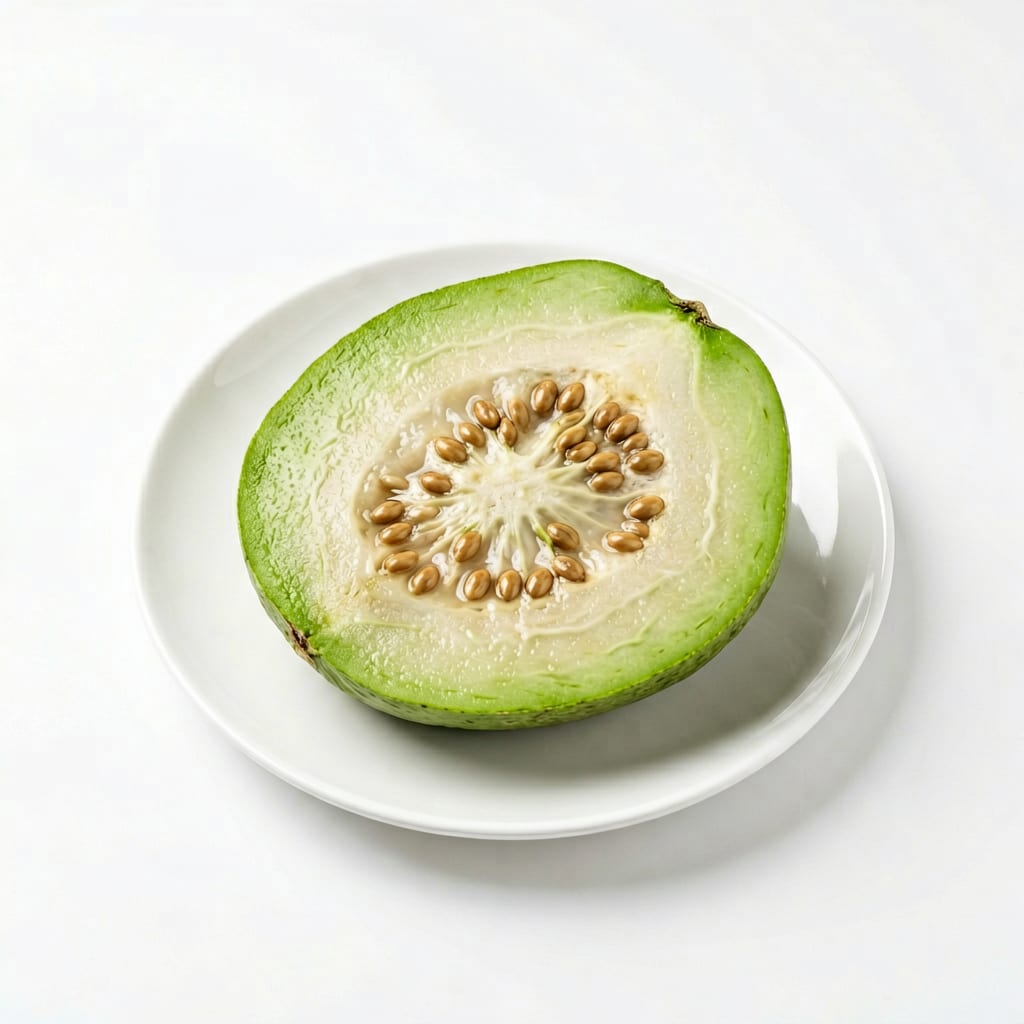
Chayote
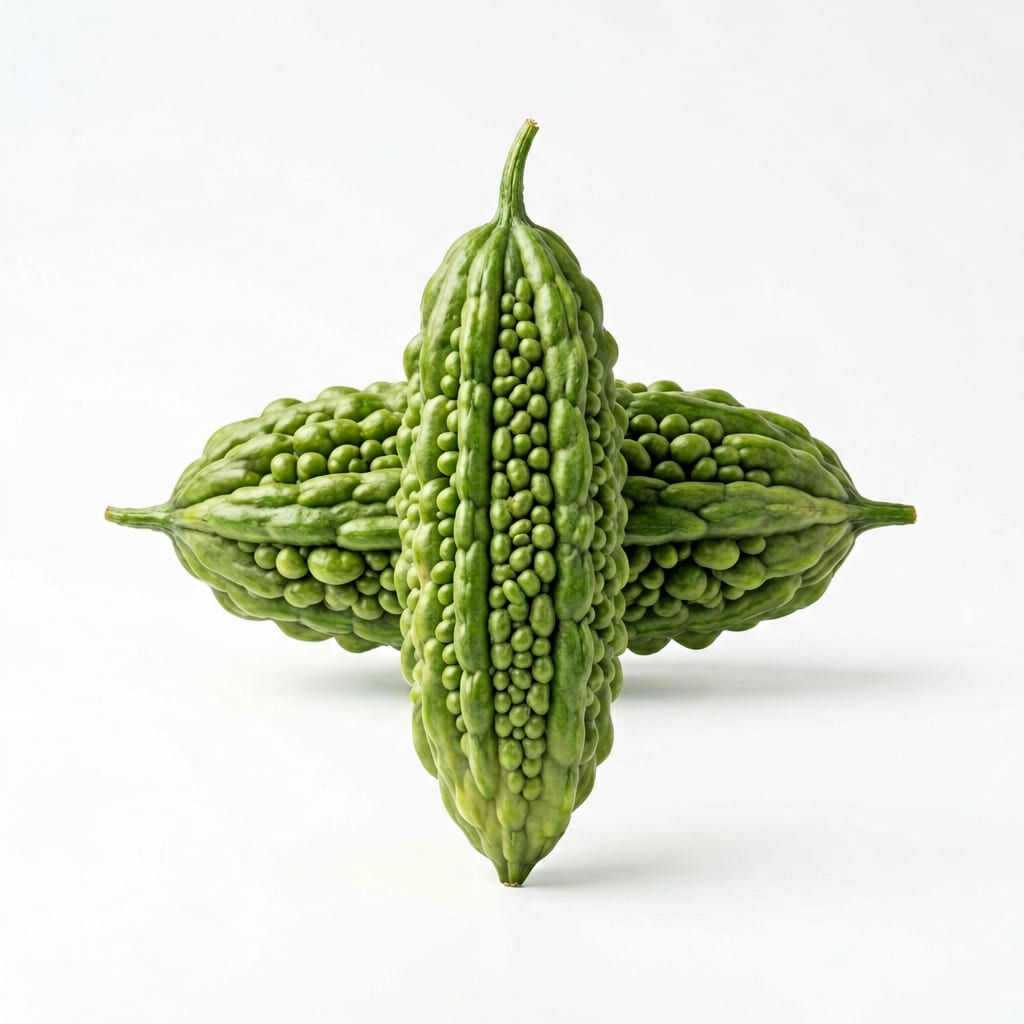
Bitter Melon
Bitter melon is a targeted therapeutic food for blood sugar, while chayote is a versatile, stomach-friendly daily vegetable.
Bitter melon scores slightly higher for its potent medicinal benefits, but chayote is close behind due to superior palatability and safety for broader populations.
The powerful medicinal benefits and intense flavor of bitter melon versus the mild, easy-to-eat nature of chayote.
At a glance
Executive summary
Overall
It depends
Healthier
Bitter Melon
More practical
Chayote
Daily use
Chayote
Key comparison lenses
Blood sugar management
Bitter melon is renowned for its glucose-lowering effects, making this the primary health differentiator.
Palatability and everyday eating
Chayote is mild and versatile, while bitter melon is an acquired taste that limits daily use.
Digestive tolerance
Bitter melon can cause GI distress in sensitive individuals, whereas chayote is soothing and light.
Medicinal vs nutritional eating
Users often choose bitter melon as a targeted remedy, but chayote as a staple food.
Best choice for
Chayote
- Families needing a mild, kid-friendly vegetable
- People with sensitive stomachs or IBS
- Everyday meal prep and bulk cooking
- Those who dislike bitter flavors
Bitter Melon
- People managing type 2 diabetes or insulin resistance
- Those seeking natural blood sugar support
- Fans of bold, bitter flavors
- Traditional medicine users
Least suitable for
Chayote
- People looking for strong therapeutic blood sugar effects from food alone
Bitter Melon
- Children and picky eaters
- Pregnant women due to uterine stimulant properties
- People on blood sugar medications without doctor supervision
- Those prone to low blood sugar or stomach ulcers
Deep comparison
Dimension by dimension
Each lens scores both foods and breaks down who each option suits.
- Dimension 1 · Priority 95Bitter Melon
Blood Sugar Control
Chayote · 60Bitter Melon · 95Bitter melon acts like a natural blood sugar tamer, while chayote simply does not spike it.
Tradeoff
You get stronger glucose management with bitter melon, but risk dropping blood sugar too low if combined with medications.
Why it matters
Steady blood sugar prevents afternoon energy crashes and reduces long-term diabetes risk.
Real-world impact
Eating bitter melon with a carb-heavy meal can blunt the resulting sugar spike, whereas chayote keeps things neutral.
Chayote
- Avoiding hypoglycemia risk
- Safe pairing with diabetes medications
Better for
- Active blood sugar lowering effects
Worse for
Bitter Melon
- Lowering elevated glucose levels
- Improving insulin sensitivity
Better for
- Risk of blood sugar dropping too low
Worse for
- Dimension 2 · Priority 90Chayote
Palatability and Culinary Versatility
Chayote · 90Bitter Melon · 40Chayote absorbs flavors beautifully and has a crisp, mild texture. Bitter melon is intensely bitter and requires special prep to be enjoyable.
Tradeoff
Chayote is easy to eat daily, while bitter melon is a chore to make palatable.
Why it matters
The healthiest food only works if you actually want to eat it regularly.
Real-world impact
Chayote slips easily into stir-fries and salads without dominating the dish, but bitter melon requires salting, soaking, or heavy spicing to mask its bite.
Chayote
- Family dinners
- Smoothies and raw salads
- Meal prepping in bulk
Better for
- Providing a bold, unique flavor profile
Worse for
Bitter Melon
- Traditional medicinal soups
- Adventurous culinary experiences
Better for
- Picky eaters
- Quick weeknight cooking
Worse for
- Dimension 3 · Priority 80Chayote
Digestive Tolerance
Chayote · 90Bitter Melon · 65Chayote is soothing and easy to digest, while bitter melon can irritate sensitive stomachs.
Tradeoff
Bitter melon stimulates digestion but can cause cramping if you overdo it.
Why it matters
A food that causes bloating or discomfort ruins your day, no matter how healthy it is.
Real-world impact
Chayote feels light and comforting after a heavy meal, whereas a large portion of bitter melon on an empty stomach can cause nausea or cramps.
Chayote
- Sensitive stomachs
- Recovery from stomach bugs
- Light late-night snacking
Better for
- Strong digestive stimulation
Worse for
Bitter Melon
- Stimulating sluggish digestion
Better for
- Gastric ulcers
- Acid reflux triggers
Worse for
- Dimension 4 · Priority 75Bitter Melon
Micronutrient Density
Chayote · 65Bitter Melon · 85Bitter melon packs more vitamin C, folate, and unique phytonutrients per bite compared to the water-heavy chayote.
Tradeoff
You get more vitamins per calorie with bitter melon, but chayote offers superior hydration.
Why it matters
Higher nutrient density means your body gets more building blocks for repair and immunity from less food.
Real-world impact
A serving of bitter melon gives a stronger boost to your immune system, while chayote is more hydrating and filling due to its water content.
Chayote
- Hydration support
- Low-calorie volume eating
Better for
- Concentrated vitamin delivery
Worse for
Bitter Melon
- Immune support
- Antioxidant intake
Better for
- High-volume eating
Worse for
Timeline
Health impact over time
Short-term
Hours to days
Chayote
- Provides light, steady energy without digestive heaviness
- Helps with hydration due to high water content
Bitter Melon
- Can rapidly lower post-meal blood sugar
- May cause stomach cramping or nausea if eaten in large amounts on an empty stomach
Long-term
Months to years
Chayote
- Supports gentle, sustainable weight management
- Promotes regular, comfortable digestion
Bitter Melon
- Improved insulin sensitivity and metabolic health
- Risk of hypoglycemia if used alongside diabetes medications without medical supervision
Risk profile
Safety & processing
Both chayote and bitter melon are whole, natural vegetables typically consumed in their unprocessed state.
Chayote
Oxalate content in the skin
lowChayote skin contains oxalates, which are usually only a concern for those with a history of kidney stones if consumed in extreme amounts.
Bitter Melon
Hypoglycemia interaction
highCombining bitter melon with insulin or metformin can cause dangerously low blood sugar levels without proper dosing adjustments.
Pregnancy complications
highBitter melon seeds and red arils contain vicine and can stimulate uterine contractions, making it unsafe during pregnancy.
Gastrointestinal irritation
mediumExcessive consumption can cause diarrhea, abdominal pain, and nausea due to its strong bitter compounds.
Who wins for whom
Audience fit
Same foods, different winners depending on your goal.
children
ChayoteKids will almost universally reject the intense bitterness of bitter melon, while chayote is mild and easy to chew.
daily consumption
ChayoteChayote is sustainable and enjoyable every day, whereas bitter melon is best used moderately or therapeutically.
diabetes
Bitter MelonBitter melon is a powerhouse for actively lowering blood sugar and improving insulin sensitivity.
elderly
ChayoteChayote is gentler on aging digestive systems and carries no risk of drug-induced hypoglycemia common with bitter melon.
muscle gain
It dependsNeither vegetable is a significant protein source; both serve best as low-calorie side dishes on a muscle-building plate.
weight loss
It dependsChayote is easier to eat in high volumes for low calories, but bitter melon helps control the insulin spikes that drive fat storage.
Your move
Decision guide
Choose Chayote
- You want a versatile, family-friendly vegetable for everyday meals
- You have a sensitive stomach or are prone to low blood sugar
- You take blood sugar medications and want to avoid hypoglycemia risks
- You are pregnant or breastfeeding
Choose Bitter Melon
- You want to manage elevated blood sugar naturally
- You enjoy bold, bitter flavors and traditional culinary challenges
- You are looking for a concentrated source of antioxidants and vitamin C
- You do not take insulin or glucose-lowering drugs
Either works if
- You just need a low-calorie, hydrating side dish
- You want to increase your daily vegetable intake
Avoid both if
- You need a high-protein or calorie-dense food for muscle building or weight gain
Final recommendation
Let your health goals decide. Choose bitter melon if you need targeted blood sugar support and enjoy its unique bite. Choose chayote for a stress-free, everyday vegetable that plays well with any meal and keeps your stomach happy.
Practical
Consumer tips
- 1
Salt sliced bitter melon and let it sit for 10 minutes, then squeeze out the liquid to draw out some of the intense bitterness before cooking.
- 2
Chayote can be eaten raw in salads, adding a refreshing crunch similar to jicama or cucumber.
- 3
If you take metformin or insulin, consult your doctor before making bitter melon a regular part of your diet.
- 4
Chayote skin is edible and nutritious, but peel it if you have kidney stone concerns.