
Nutrition comparison
Capon vs Turkey Breast: Which Is Healthier for Daily Eating?
Compare capon and turkey breast on nutrition, fat, calories, protein, and taste. Learn which poultry is better for weight loss, heart health, and everyday meals.
Overall winner · Turkey Breast
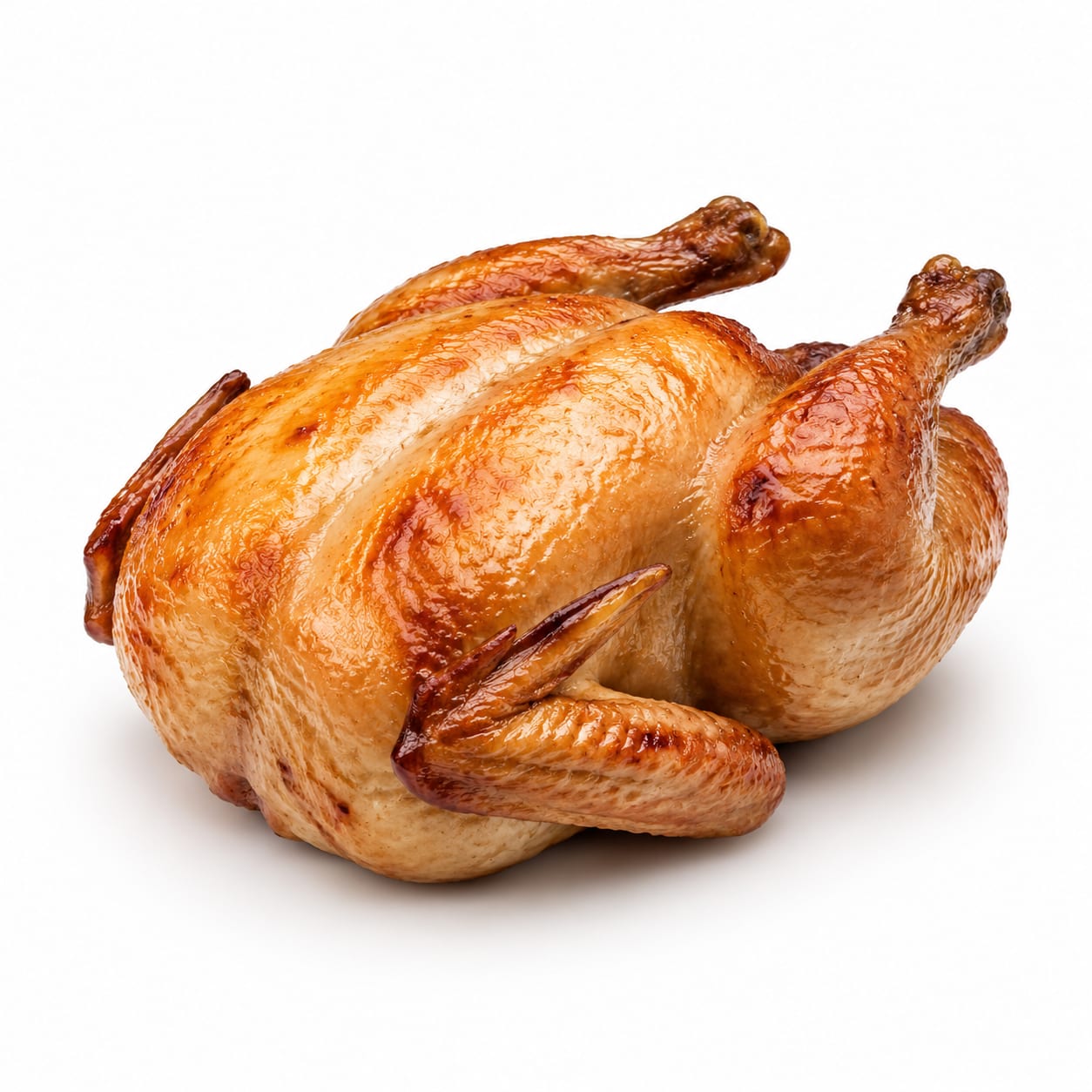
Capon
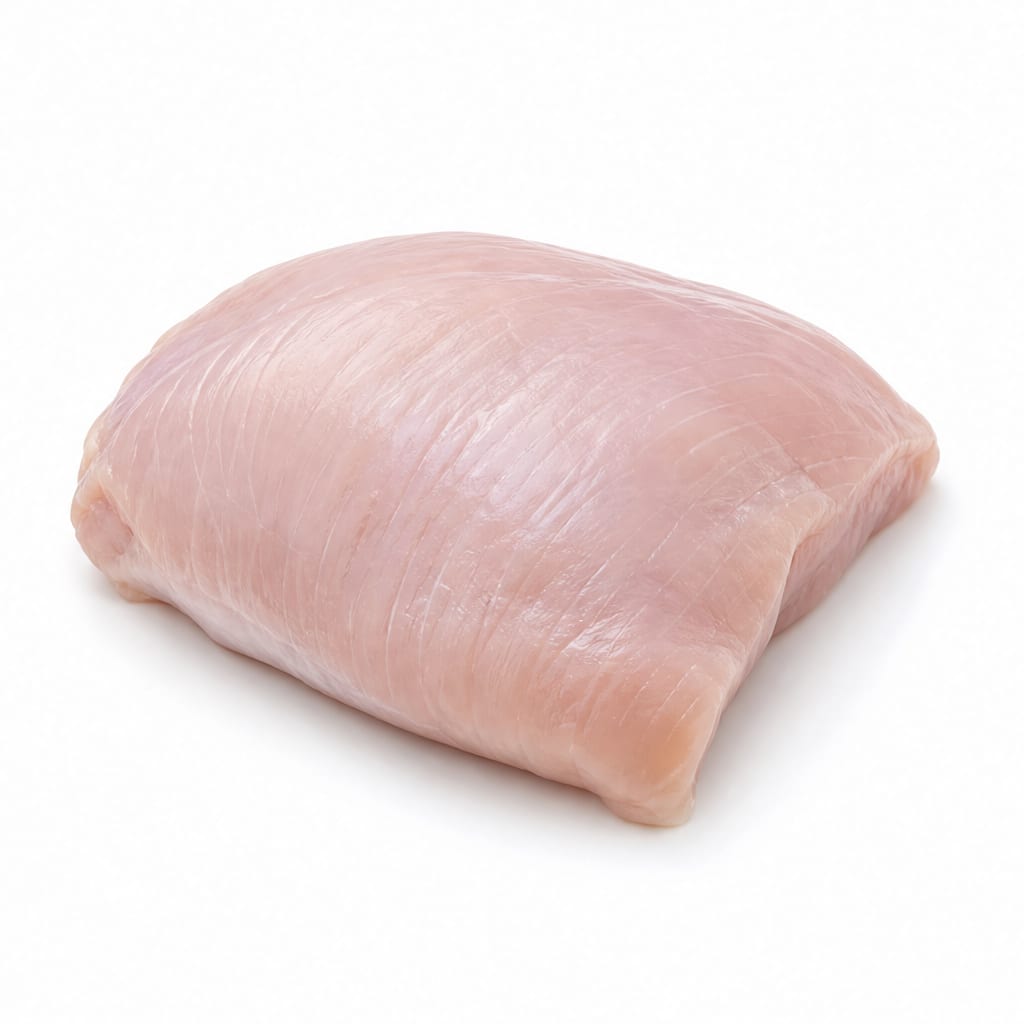
Turkey Breast
Turkey breast wins for everyday health and leanness, while capon delivers a richer, more indulgent eating experience best saved for special occasions.
Turkey breast scores significantly higher due to its lean profile, broad availability, and everyday practicality. Capon earns points for superior flavor and tenderness but loses ground on fat content, cost, and limited accessibility.
Flavor and tenderness versus leanness and calorie control — capon satisfies the palate, turkey breast serves the waistline.
At a glance
Executive summary
Overall
Turkey Breast
Healthier
Turkey Breast
More practical
Turkey Breast
Daily use
Turkey Breast
Key comparison lenses
Lean protein selection for health-conscious diets
Turkey breast is famously lean while capon is prized for richness, making this a classic lean-vs-flavorful poultry decision
Calorie and fat awareness for weight management
The fat and calorie gap between these two is substantial and directly impacts daily dietary choices
Heart health and cholesterol considerations
Saturated fat and cholesterol levels differ meaningfully between fatty poultry and lean breast meat
Culinary occasion suitability
Capon is a celebratory specialty while turkey breast is an everyday staple, so context matters enormously
Practicality and everyday accessibility
Availability, cost, and cooking convenience vary dramatically between these options
Best choice for
Capon
- Holiday feasts and celebratory meals
- Those wanting maximum flavor and juiciness without added sauces
- People not watching calorie intake who prioritize eating enjoyment
- Culinary enthusiasts exploring traditional European poultry
Turkey Breast
- Weight loss or maintenance diets
- High-protein, low-fat meal prep routines
- Heart-health-conscious eaters managing cholesterol
- Athletes needing lean recovery protein
Least suitable for
Capon
- Daily consumption on a calorie-restricted diet
- People managing high cholesterol or heart disease
- Budget-conscious shoppers needing affordable protein
- Those who want quick, convenient weeknight cooking
Turkey Breast
- Special occasion meals where indulgence is expected
- Diners who find lean poultry too dry or bland
- Those seeking rich, self-basting roasting options
- Cooks wanting a single impressive centerpiece bird
Deep comparison
Dimension by dimension
Each lens scores both foods and breaks down who each option suits.
- Dimension 1 · Priority 92Turkey Breast
Protein Quality and Density
Capon · 68Turkey Breast · 94Turkey breast packs more protein per calorie and per serving, making it the more efficient protein source.
Tradeoff
Capon still delivers solid protein but comes bundled with significantly more fat per gram of protein.
Why it matters
If you are eating poultry primarily for protein, turkey breast gives you more of what you want with less of what you do not.
Real-world impact
A turkey breast dinner leaves room on your plate for sides without blowing past calorie targets. A capon portion can eat up half your daily fat budget fast.
Capon
- Meals where protein is secondary to enjoyment
- Diners who find ultra-lean meat unsatisfying
Better for
- Strict macro-counting diets
- Lean bulking phases
Worse for
Turkey Breast
- Post-workout meals needing clean protein
- Meal prep where hitting protein macros matters
- Anyone tracking protein-per-calorie efficiency
Better for
- Occasions where protein density feels like overkill
Worse for
- Dimension 2 · Priority 90Turkey Breast
Fat Content and Calorie Density
Capon · 35Turkey Breast · 92Turkey breast is one of the leanest meats available. Capon carries considerably more fat, especially saturated fat.
Tradeoff
That extra fat is exactly what makes capon taste so good — but it comes at a real caloric cost.
Why it matters
Fat calories add up quickly. A single capon serving can contain double or triple the calories of an equivalent turkey breast portion.
Real-world impact
Eating capon regularly makes it much harder to stay within calorie goals without conscious portion reduction.
Capon
- Cold-weather meals where richness feels appropriate
- Diners who naturally eat smaller portions of rich food
Better for
- Daily meals on a deficit diet
- Heart patients limiting saturated fat
Worse for
Turkey Breast
- Calorie-controlled eating plans
- Anyone trying to reduce saturated fat intake
- People who prefer larger food volumes for fewer calories
Better for
- Situations where lean meat feels too austere
Worse for
- Dimension 3 · Priority 85Capon
Flavor and Eating Satisfaction
Capon · 91Turkey Breast · 55Capon is renowned for exceptionally tender, flavorful meat that self-bastes during cooking. Turkey breast leans dry and needs help.
Tradeoff
You get memorable eating with capon but pay for it nutritionally. Turkey breast needs marinades, sauces, or careful cooking to approach the same satisfaction.
Why it matters
Enjoyment matters for sustainability. Bland meals drive people toward snacking and dietary rebellion.
Real-world impact
A capon dinner feels complete on its own. A turkey breast dinner often needs gravy, butter, or creative seasoning to feel satisfying.
Capon
- Holiday centerpieces where the main course should shine alone
- Diners who value eating pleasure above dietary optimization
- Cooking for guests you want to impress
Better for
- Everyday meals where richness becomes monotonous
Worse for
Turkey Breast
- Meals where you want a neutral base for bold seasonings
- Cooks who enjoy creative marinades and sauces
Better for
- Occasions where dry meat embarrasses the cook
- People prone to over-saucing lean meat, negating calorie savings
Worse for
- Dimension 4 · Priority 82Turkey Breast
Heart Health Profile
Capon · 38Turkey Breast · 88Turkey breast is low in saturated fat and cholesterol. Capon's higher fat content includes more saturated fat, which raises cardiovascular risk with frequent consumption.
Tradeoff
Occasional capon is fine for most hearts. Regular capon consumption could meaningfully impact cholesterol numbers.
Why it matters
Cardiovascular disease builds silently over years. Poultry choices repeated daily compound in either direction.
Real-world impact
Switching from capon to turkey breast a few times a week could improve lipid panels within months for most people.
Capon
- Healthy individuals eating it a few times per year
Better for
- Daily or weekly consumption by at-risk individuals
Worse for
Turkey Breast
- Anyone with elevated LDL cholesterol
- People with family history of heart disease
- Mediterranean-style diet followers
Better for
- Not directly harmful — the concern is more about what people add to make it palatable
Worse for
- Dimension 5 · Priority 75Turkey Breast
Practicality and Availability
Capon · 25Turkey Breast · 90Turkey breast is available year-round in every grocery store. Capon is a specialty item requiring advance ordering from butchers.
Tradeoff
Convenience versus exclusivity. Turkey breast is always there when you need it. Capon requires planning and often a bigger budget.
Why it matters
The best protein source is the one you can actually obtain and prepare consistently.
Real-world impact
You can grab turkey breast on any Tuesday. Finding capon might mean calling three butchers and waiting a week.
Capon
- Planned special occasions with advance preparation
Better for
- Spontaneous cooking decisions
- Rural areas with limited butcher access
Worse for
Turkey Breast
- Weeknight dinners with no prep time
- Meal prep Sundays requiring reliable ingredient sourcing
- Anyone without access to specialty butchers
Better for
- Not applicable — turkey breast is broadly available
Worse for
- Dimension 6 · Priority 72It depends
Satiety and Fullness
Capon · 78Turkey Breast · 76Capon's fat content promotes lasting fullness. Turkey breast's high protein also satisfies well. They achieve satiety through different mechanisms.
Tradeoff
Fat-based satiety lasts longer but costs more calories. Protein-based satiety is efficient but may fade sooner for some people.
Why it matters
Staying full between meals prevents grazing and helps maintain dietary adherence.
Real-world impact
After a capon meal you may feel stuffed for hours. After turkey breast, you might want a snack sooner unless you pair it with fiber-rich sides.
Capon
- Long gaps between meals where extended satiety helps
- People who feel hungry soon after lean protein meals
Better for
- People who dislike the heavy post-meal feeling
Worse for
Turkey Breast
- Those who find rich food uncomfortable or sluggish-feeling
- Eaters who prefer lighter meals with strategic snacking
Better for
- Those prone to between-meal cravings after lean meals
Worse for
Timeline
Health impact over time
Short-term
Hours to days
Capon
- Rich, heavy post-meal feeling that may reduce snacking urges
- Higher calorie intake per portion requiring mindful serving sizes
- Potential sluggishness after large servings due to fat load
Turkey Breast
- Light, clean energy without digestive heaviness
- Easy to overeat portions since the meat feels light
- May feel unsatisfied without adequate side dishes or seasoning
Long-term
Months to years
Capon
- Regular consumption could raise LDL cholesterol and cardiovascular risk
- Higher calorie intake may contribute to gradual weight gain if portions are not managed
- Occasional consumption poses negligible long-term risk for healthy individuals
Turkey Breast
- Consistent lean protein intake supports healthy body composition
- Low saturated fat profile benefits cardiovascular markers over time
- Risk of dietary fatigue if not prepared with variety and flavor
Risk profile
Safety & processing
Both capon and turkey breast are whole, minimally processed poultry cuts. The main concern is not additives but rather what accompanies them — commercially prepared turkey breast deli meat is highly processed, while fresh turkey breast and whole capon are both clean choices.
Capon
Undercooking bacterial contamination
mediumLike all poultry, capon must reach 165°F internally. Its thicker, fattier build can make doneness harder to judge by eye alone.
Hormone and antibiotic residues
lowCapon production involves hormonal intervention by definition, which is banned in some countries. Sourcing from reputable producers matters.
Turkey Breast
Salmonella and Campylobacter contamination
mediumStandard poultry contamination risk. Proper handling and cooking eliminates this concern entirely.
Processed deli version additives
highThis applies only to deli-sliced turkey breast, which often contains sodium nitrites, phosphates, and high sodium levels. Fresh turkey breast avoids these concerns.
Who wins for whom
Audience fit
Same foods, different winners depending on your goal.
children
It dependsTurkey breast is safer for daily nutrition, but capon's tenderness and richer flavor may appeal more to picky eaters at family gatherings.
daily consumption
Turkey BreastLow fat, high protein, wide availability, and affordable pricing make turkey breast the clear everyday choice.
diabetes
Turkey BreastLeaner protein with less saturated fat supports better insulin sensitivity and cardiovascular health, which is critical for diabetes management.
elderly
Turkey BreastOlder adults benefit from lean protein for muscle preservation and heart health. Turkey breast is also easier to chew when properly cooked.
muscle gain
Turkey BreastHigher protein density per calorie supports muscle building without adding unwanted dietary fat.
weight loss
Turkey BreastTurkey breast provides maximum protein with minimal fat and calories, making it far easier to maintain a deficit while staying satisfied.
Your move
Decision guide
Choose Capon
- You are planning a special occasion meal and want something memorable
- Flavor and tenderness are your top priorities for this specific meal
- You do not calorie-count and want the richest poultry experience
- You have access to a quality butcher and are comfortable with the price
Choose Turkey Breast
- You eat poultry multiple times per week and need a lean default
- Weight management or heart health is a current priority
- You want affordable, accessible protein for meal prep
- You prefer having caloric room for flavorful sides and sauces
Either works if
- You are eating poultry occasionally and either option fits your day's calorie budget
- You are cooking for a group with mixed dietary preferences
- You plan to pair the meat with vegetables and whole grains either way
Avoid both if
- You follow a plant-based or vegetarian diet
- You have a poultry allergy
- You are strictly limiting all animal protein for kidney-related reasons
Final recommendation
Make turkey breast your everyday poultry staple and save capon for celebrations. You get the best of both worlds — lean health on weekdays and rich indulgence when it counts. If you find turkey breast too dry, invest in a meat thermometer and try brining. Properly cooked turkey breast is genuinely delicious, and you avoid paying the caloric price of capon's fat on a random Tuesday.
Practical
Consumer tips
- 1
Brining turkey breast before cooking dramatically improves juiciness and narrows the satisfaction gap with capon
- 2
A meat thermometer is your best friend for both birds — overcooked turkey breast is dry, undercooked capon is dangerous
- 3
If choosing capon, trim visible fat before cooking to reduce some saturated fat without losing too much flavor
- 4
Pair turkey breast with healthy fats like olive oil or avocado to boost satiety without the saturated fat found in capon
- 5
Skip deli turkey breast for fresh cuts — the sodium and preservative load in processed versions erases most health advantages
- 6
Capon is a seasonal specialty in many regions, typically available around holidays — plan ahead or you will not find one