
Nutrition comparison
Capon vs Quail: Which Poultry Is Healthier for You?
Compare capon and quail nutrition — fat content, calories, protein, and health tradeoffs. Find out which specialty bird fits your diet and lifestyle better.
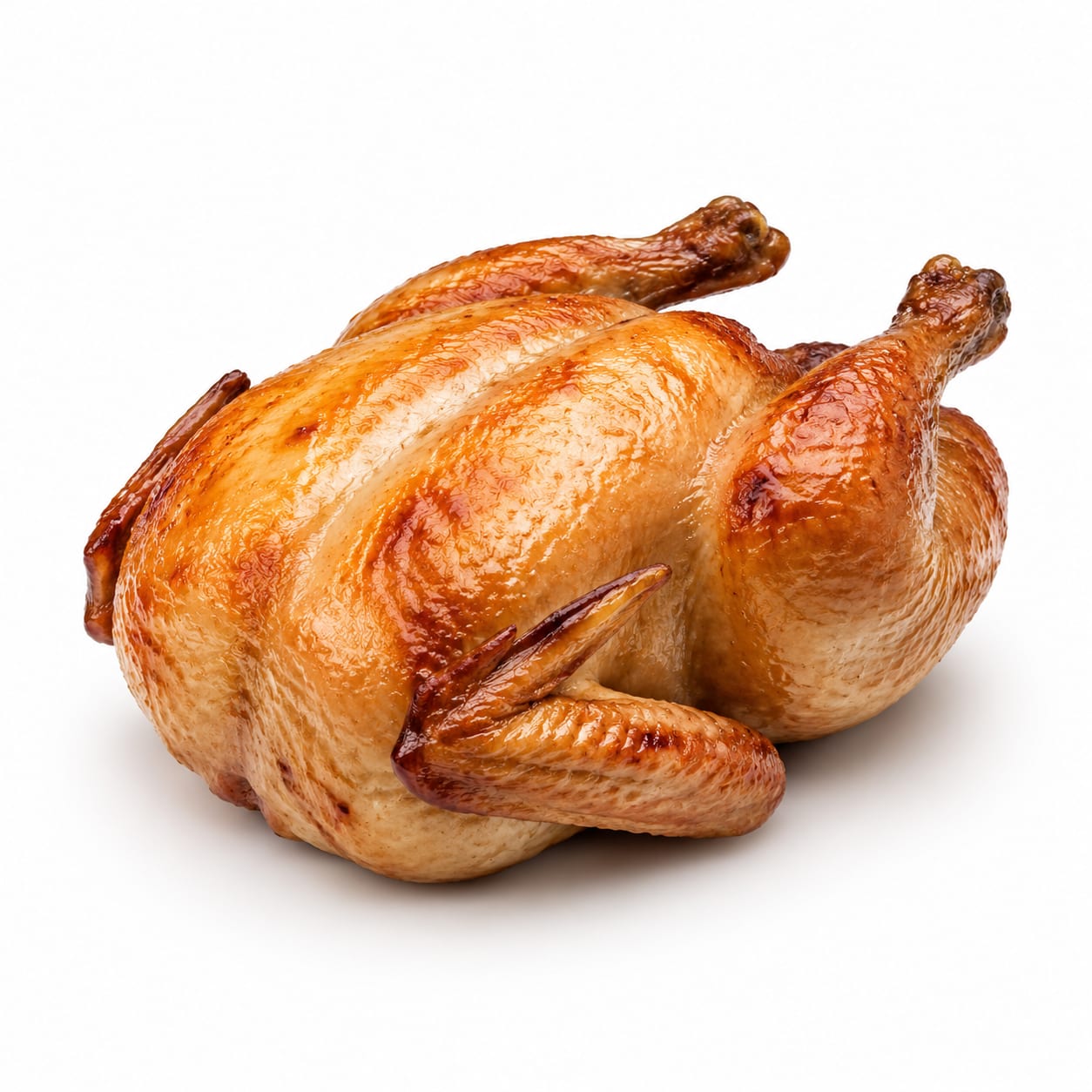
Capon
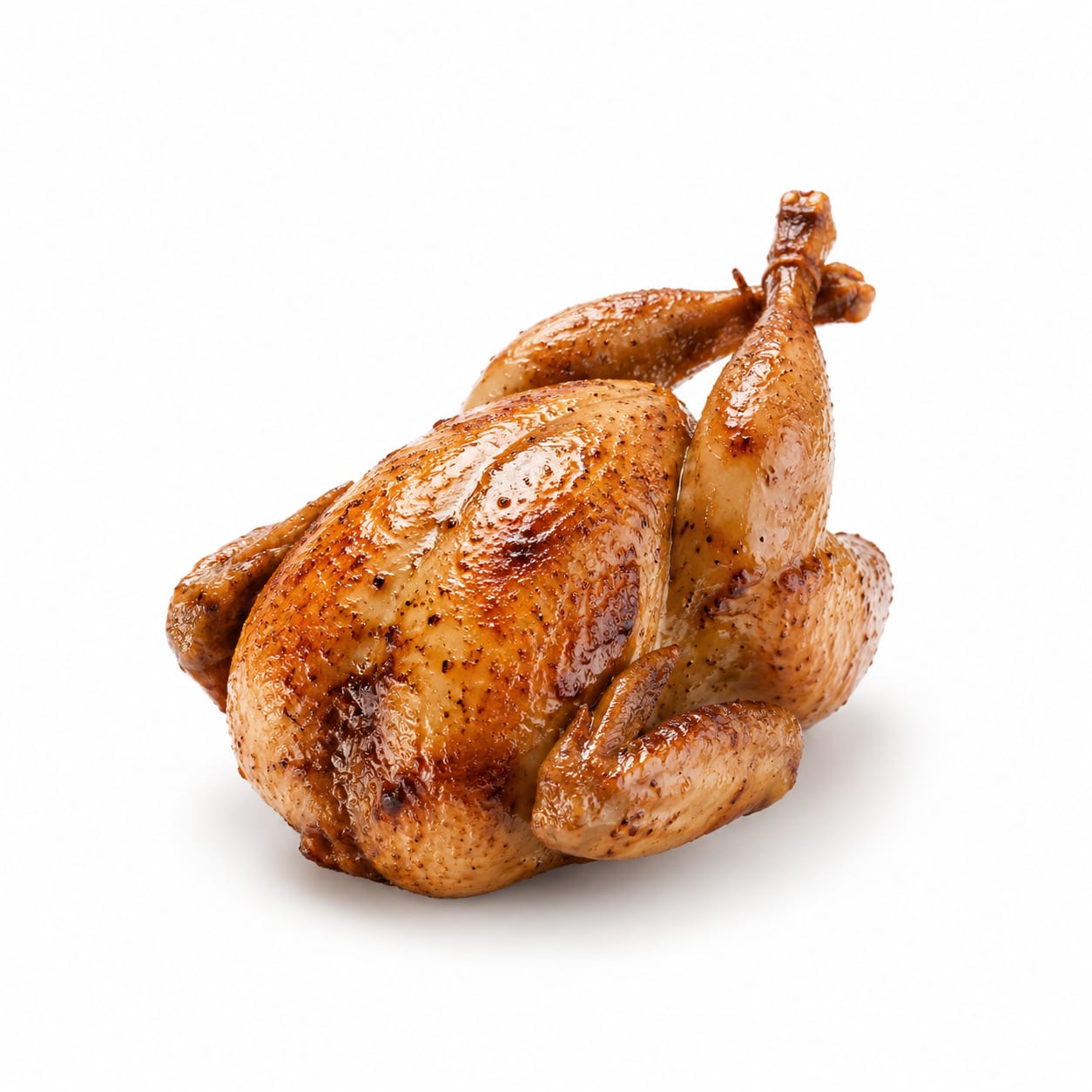
Quail
Quail wins for lean protein and calorie control; capon wins for richness, portion size, and feeding a group.
Quail scores higher overall due to its leaner profile and better fit for regular health-conscious eating. Capon remains compelling for specific occasions but carries a heavier nutritional load that limits everyday practicality.
Capon delivers a richer, more satisfying eating experience with higher fat and calories, while quail offers leaner nutrition in a tiny, elegant package.
At a glance
Executive summary
Overall
It depends
Healthier
Quail
More practical
Capon
Daily use
Quail
Key comparison lenses
protein quality and leanness for health-conscious eating
Both are specialty poultry but differ dramatically in fat content and calorie density, making leanness a primary decision factor
portion practicality and meal satisfaction
Quail is tiny and often eaten whole, while capon is a large festive bird — portion size shapes the entire eating experience
weight management and calorie control
Capon carries significantly more fat from its fattening process, directly impacting calorie-conscious decisions
culinary occasion and everyday usability
Both are specialty birds, but capon suits gatherings while quail fits individual servings or appetizers
cholesterol and heart health considerations
Capon's higher fat content raises saturated fat and cholesterol concerns compared to lean quail
Best choice for
Capon
- Family holiday meals where richness and abundance matter
- Those wanting higher-calorie, more satisfying poultry
- Home cooks preparing a centerpiece roast for a crowd
- People who find lean meat unsatisfying and need more fat for fullness
Quail
- Weight-conscious eaters wanting lean protein
- Individuals managing cholesterol or heart health
- Adventurous eaters exploring game bird cuisine
- Those who prefer smaller, controlled portions
Least suitable for
Capon
- Anyone strictly managing calorie intake or fat consumption
- Small households where a large bird creates excessive leftovers
- People with elevated cholesterol seeking leaner options
Quail
- Feeding a family — one quail is barely a single serving
- Those wanting a filling, substantial meal from one piece of meat
- Budget-conscious shoppers since quail is expensive per pound
Deep comparison
Dimension by dimension
Each lens scores both foods and breaks down who each option suits.
- Dimension 1 · Priority 90Quail
Protein Quality and Density
Capon · 72Quail · 82Both offer excellent complete protein, but quail delivers it with far less fat per gram of protein, making it more protein-efficient.
Tradeoff
Capon provides more total protein per bird simply due to size, but you consume significantly more fat to get it.
Why it matters
If you are eating poultry primarily for protein, the fat-to-protein ratio determines how clean your fuel is.
Real-world impact
A quail breast gives you lean protein without the heavy feeling that follows a rich capon meal.
Capon
- Post-workout meals needing higher calories alongside protein
- Bulking phases where extra fat calories are welcome
Better for
- Clean eating goals where fat intake must stay low
Worse for
Quail
- Cutting phases requiring maximum protein with minimal fat
- Lean meal prep where every calorie needs to earn its place
Better for
- Hard training days demanding higher total caloric intake
Worse for
- Dimension 2 · Priority 88Quail
Fat Content and Heart Health
Capon · 45Quail · 78Capon is significantly fattier due to its castration-based fattening process, while quail is naturally lean game bird meat.
Tradeoff
That extra fat makes capon richer and more indulgent but raises saturated fat intake and cholesterol load per serving.
Why it matters
Saturated fat from poultry adds up quickly, especially when the bird itself is bred for fattiness.
Real-world impact
Eating capon regularly could quietly push your saturated fat above recommended limits, whereas quail keeps you well within bounds.
Capon
- Rare celebratory meals where indulgence is the point
Better for
- Daily or weekly consumption for those with lipid concerns
Worse for
Quail
- Heart-healthy eating patterns
- Cholesterol-conscious diets
- Anyone with family history of cardiovascular issues
Better for
- Those who find very lean meat unsatisfying and end up overeating later
Worse for
- Dimension 3 · Priority 85Quail
Calorie Density and Weight Management
Capon · 40Quail · 80Quail is substantially lower in calories per serving, making it far easier to fit into a calorie-controlled plan.
Tradeoff
Capon's richness comes with a steep calorie price tag — a single serving can approach double the calories of quail.
Why it matters
Calorie density determines whether a meal supports or sabotages weight goals without you noticing.
Real-world impact
A capon dinner can easily become a 600+ calorie event before sides, while quail keeps you around 200-250 calories for the bird.
Capon
- Active individuals needing calorie surplus
- Cold-weather meals where heavier food feels appropriate
Better for
- Sedentary lifestyles where excess calories accumulate fast
Worse for
Quail
- Steady weight loss or maintenance
- Portion control without feeling restricted by tiny servings of richer meat
Better for
- High-calorie needs that would require eating many quail to meet
Worse for
- Dimension 4 · Priority 82Capon
Satiety and Meal Satisfaction
Capon · 82Quail · 55Capon's higher fat content creates a richer, more filling eating experience that lingers longer.
Tradeoff
That fullness comes from calorie density rather than volume, so you feel satisfied but have consumed more energy than needed.
Why it matters
Satiety matters for preventing later snacking, but fat-driven satiety can overshoot actual energy needs.
Real-world impact
After a capon meal you likely will not want dessert; after quail you may feel ready for a second course within an hour.
Capon
- Long gaps between meals where sustained fullness helps
- People who feel hungry again quickly after lean protein
Better for
- Those who dislike feeling overly full after eating
Worse for
Quail
- Multi-course meals where the bird is one component, not the entire focus
Better for
- Solo diners expecting one piece of meat to carry the whole meal
Worse for
- Dimension 5 · Priority 78Capon
Practicality and Everyday Usability
Capon · 65Quail · 50Capon is easier to find, easier to roast as a single centerpiece, and feeds multiple people from one bird.
Tradeoff
Quail requires multiple birds per person, costs more per pound, and is harder to source outside specialty shops.
Why it matters
The best nutritional choice only works if you can actually buy and prepare it without friction.
Real-world impact
Capon can be roasted like a large chicken with minimal fuss; quail requires careful timing to avoid drying out tiny birds.
Capon
- Weekend family dinners
- Home cooks wanting a straightforward roast
- Grocery shopping at regular supermarkets
Better for
- Quick weeknight cooking for one or two people
Worse for
Quail
- Special occasion dining where elegance matters more than convenience
- Access to specialty butchers or farmers markets
Better for
- Budget-limited households
- Areas without access to game bird suppliers
Worse for
- Dimension 6 · Priority 72It depends
Micronutrient Profile
Capon · 70Quail · 73Both provide strong B vitamins, selenium, and zinc. Quail edges ahead slightly on iron content due to its game bird nature.
Tradeoff
Capon offers more niacin per serving from its larger portion size, while quail delivers more iron density per calorie.
Why it matters
Iron is a common deficiency, and getting it from lean protein rather than supplements is preferable.
Real-world impact
For women monitoring iron intake, quail offers a slightly more efficient iron source per calorie consumed.
Capon
- Those needing higher absolute B-vitamin intake from larger portions
Better for
- Getting iron without excess calories
Worse for
Quail
- Iron-deficient individuals wanting efficient iron delivery
- Those eating smaller portions who need nutrient density per bite
Better for
- Meeting high absolute micronutrient needs from tiny portions
Worse for
Timeline
Health impact over time
Short-term
Hours to days
Capon
- Heavy, satisfying fullness after eating due to higher fat content
- Possible sluggishness if consumed in large portions during daytime
- Rich flavor that reduces desire for additional courses
Quail
- Light post-meal feeling that allows activity without heaviness
- Likely hunger returning sooner unless paired with sides containing fat and fiber
- Quick energy from lean protein without a digestive slowdown
Long-term
Months to years
Capon
- Regular consumption could raise saturated fat intake beyond cardiovascular recommendations
- Higher calorie intake from frequent capon meals may contribute to gradual weight gain
- Excellent protein quality supports muscle maintenance if portions are controlled
Quail
- Consistent lean protein intake supports healthy body composition long-term
- Lower saturated fat exposure benefits cardiovascular markers over time
- Iron contribution helps maintain healthy ferritin levels, especially for women
Risk profile
Safety & processing
Both capon and quail are whole, minimally processed birds. Capon's fattening process is a husbandry practice rather than a processing step, so neither bird carries additive concerns. The main distinction is that capon production involves intentional fattening through castration, while quail is naturally lean.
Capon
Salmonella and Campylobacter contamination
mediumLike all poultry, capon requires thorough cooking to an internal temperature of 165°F. Its larger size means longer cooking times where undercooking the interior is a real risk.
Hormone and antibiotic residues
lowCapon production is niche and often follows traditional methods, but sourcing matters. Conventionally raised birds may carry antibiotic residues.
Quail
Salmonella and Campylobacter contamination
mediumQuail carries the same poultry contamination risks. Small size means faster cooking, which reduces the chance of undercooking.
Lead shot residue in wild-caught quail
mediumWild-harvested quail may contain lead shot fragments, posing a toxicity risk. Farmed quail avoids this concern entirely.
Who wins for whom
Audience fit
Same foods, different winners depending on your goal.
children
CaponCapon's larger portions and milder, richer flavor are more kid-friendly. Quail's tiny bones and gamey taste can be challenging for young eaters.
daily consumption
QuailQuail's lower fat and calorie load makes it more sustainable as a regular protein choice without accumulating excessive saturated fat intake.
diabetes
QuailBoth are zero-carb protein sources, but quail's lower saturated fat content is preferable for cardiovascular risk management in diabetes.
elderly
QuailQuail's lean profile supports cardiovascular health, and its tender meat is easy to chew. Smaller portions also suit reduced appetites common in older adults.
muscle gain
CaponCapon provides more total protein and calories per serving, supporting the caloric surplus needed for muscle building alongside adequate protein.
weight loss
QuailQuail's low calorie density and lean profile make it far easier to fit into a calorie deficit without feeling like you are eating tiny portions of something rich.
Your move
Decision guide
Choose Capon
- You are hosting a holiday or celebratory dinner and want a rich centerpiece
- You struggle to get enough calories and find lean meat unsatisfying
- You are feeding a family and need one bird to serve everyone
- You prefer the taste of richer, fattier poultry over lean game birds
Choose Quail
- You are watching your weight, cholesterol, or saturated fat intake
- You want lean, clean protein that fits easily into a calorie budget
- You enjoy game bird flavors and are cooking for one or two
- You eat poultry frequently and need a leaner option for regular rotation
Either works if
- You want high-quality complete protein from a whole-food source
- You are comfortable cooking poultry and want something beyond standard chicken
- You value minimally processed meat without additives or preservatives
Avoid both if
- You follow a plant-based or vegetarian diet
- You have a poultry allergy
- You cannot access specialty butchers or are on a tight budget for proteins
Final recommendation
For most people eating poultry regularly, quail is the smarter choice — leaner, lighter, and easier on your cardiovascular system. Save capon for celebrations where its richness is the whole point, not a daily nutritional compromise.
Practical
Consumer tips
- 1
Ask your butcher whether quail is farmed or wild — farmed quail avoids lead shot concerns and tends to be more tender
- 2
If cooking capon, treat it like a rich roast chicken and pair it with light, acidic sides like roasted lemon or bitter greens to balance the fattiness
- 3
Quail dries out quickly due to its small size — brining before cooking helps retain moisture
- 4
For capon, use a meat thermometer to ensure the thickest part reaches 165°F without overcooking the exterior
- 5
Both birds freeze well whole, so buy when available and store for later use if sourcing is difficult in your area