
Nutrition comparison
Capon vs Pork Loin: Which Is Healthier for Daily Meals?
Compare capon and pork loin nutrition including calories, fat, protein, and health impact. Find out which lean meat is better for weight loss, heart health, and everyday cooking.
Overall winner · Pork Loin
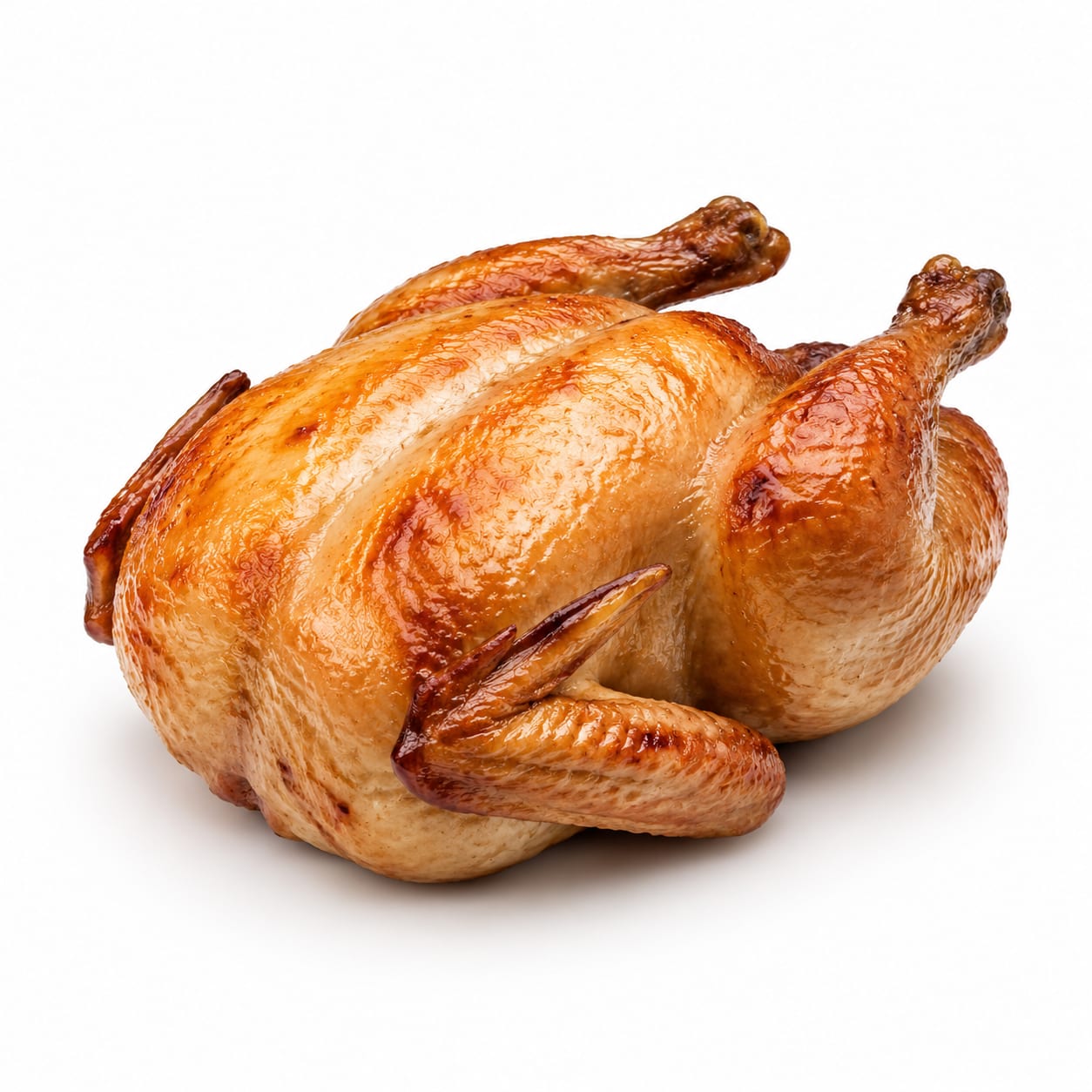
Capon
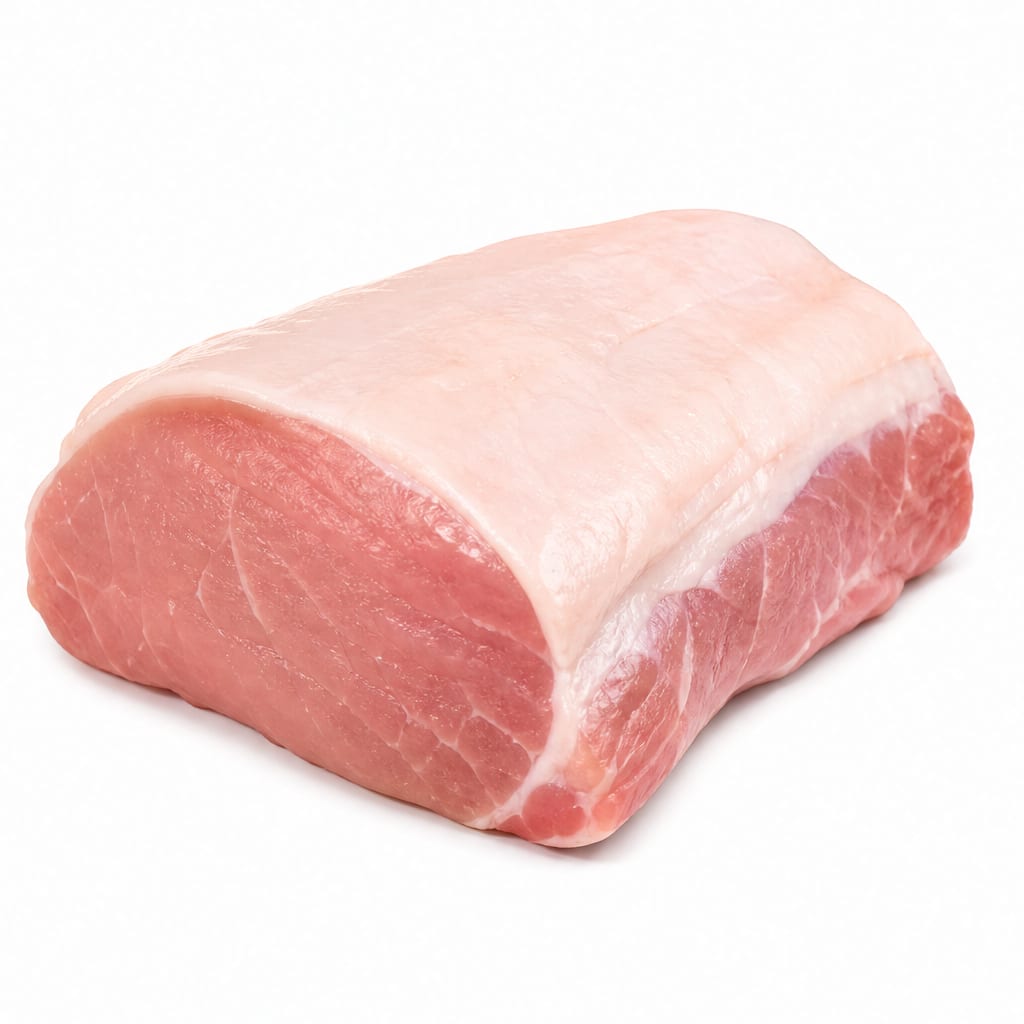
Pork Loin
Pork loin wins for everyday health with far less fat and more protein per calorie, but capon offers a richer, more indulgent eating experience for special occasions.
Pork loin scores notably higher due to its superior protein-to-calorie ratio, wider availability, lower fat content, and better suitability for regular consumption. Capon remains a fine occasional choice but its higher fat, cost, and scarcity keep it well behind for everyday nutrition.
Flavor and tenderness versus leanness and nutritional efficiency — capon is the celebration choice, pork loin is the daily driver.
At a glance
Executive summary
Overall
Pork Loin
Healthier
Pork Loin
More practical
Pork Loin
Daily use
Pork Loin
Key comparison lenses
lean protein selection for health-conscious diets
Pork loin is notably lean while capon carries significantly more fat, making this the central decision driver
calorie density awareness for weight management
The calorie gap between these two is substantial and directly impacts portion control and daily intake
specialty vs everyday protein practicality
Capon is seasonal and hard to find while pork loin is a supermarket staple
saturated fat and heart health considerations
Capon's higher fat content includes more saturated fat, relevant for cardiovascular risk management
culinary richness vs dietary discipline tradeoff
Capon delivers a more luxurious eating experience while pork loin prioritizes nutritional efficiency
Best choice for
Capon
- Holiday feasts and special occasions
- Those wanting a luxurious, tender poultry experience
- Home cooks prioritizing rich flavor over macros
- People tired of dry chicken breast who still want poultry
Pork Loin
- Consistent weekly meal prep
- Anyone tracking calories or macros closely
- Heart-health-conscious eaters
- Budget-minded shoppers feeding a family
Least suitable for
Capon
- Daily calorie-controlled diets
- People managing high cholesterol
- Those on a tight grocery budget
- Anyone who needs easy supermarket availability
Pork Loin
- Celebratory meals where indulgence matters
- Those who find lean meats too dry or bland
- Cultural or religious contexts avoiding pork
- Diners seeking a tender, fork-soft texture
Deep comparison
Dimension by dimension
Each lens scores both foods and breaks down who each option suits.
- Dimension 1 · Priority 94Pork Loin
Protein Efficiency
Capon · 62Pork Loin · 90Pork loin delivers significantly more protein per calorie, making it far more efficient for building and maintaining muscle.
Tradeoff
Capon still provides solid protein but comes with considerably more fat calories alongside it, diluting protein density.
Why it matters
If you are eating to hit protein targets without overshooting calories, pork loin gets you there with far less waste.
Real-world impact
A 4-ounce serving of pork loin gives you roughly 28g protein for only 150 calories. The same protein from capon costs you around 220 calories.
Capon
- Meals where calorie surplus is acceptable or desired
- Those who struggle to eat enough and benefit from energy density
Better for
- Cutting phases where every calorie counts
- High-protein, low-calorie meal plans
Worse for
Pork Loin
- Post-workout meals where lean protein matters most
- Anyone counting macros or tracking intake in an app
Better for
- Situations where you want protein with enough fat to stay full for hours
Worse for
- Dimension 2 · Priority 88Pork Loin
Fat Content and Heart Health
Capon · 45Pork Loin · 85Pork loin is remarkably lean with under 5g fat per serving, while capon carries roughly 3-4 times more fat including higher saturated fat.
Tradeoff
Capon's fat is what makes it tender and flavorful, but it comes at a clear cardiovascular cost if eaten frequently.
Why it matters
Regular consumption of higher-fat meats raises LDL cholesterol over time, especially when saturated fat is involved.
Real-world impact
Eating capon weekly instead of pork loin could add 10-15g of extra fat per meal — meaningful over months for heart health.
Capon
- Those on keto or high-fat diets who welcome dietary fat
- People who find lean meats unsatisfying and end up overeating
Better for
- Cardiovascular risk reduction diets
- Low-fat dietary protocols
Worse for
Pork Loin
- Anyone with a family history of heart disease
- People managing elevated cholesterol levels
Better for
- Very low-carb diets where fat intake needs to be higher
Worse for
- Dimension 3 · Priority 82It depends
Satiety and Eating Satisfaction
Capon · 80Pork Loin · 72Capon's higher fat content makes it more immediately satisfying and longer-lasting in fullness, while pork loin relies on protein density for satiety.
Tradeoff
Fat-based satiety feels richer but costs more calories. Protein-based satiety is leaner but may leave some eaters wanting more.
Why it matters
If a meal does not satisfy you, you snack later — which often undermines the original healthy choice.
Real-world impact
A capon dinner may keep you full until morning. A pork loin dinner might leave you hunting for a snack by 9pm unless you pair it with fibrous sides.
Capon
- Late dinners where you want to stay full until breakfast
- People prone to evening snacking who benefit from fat-driven fullness
Better for
- Meals before physical activity where heaviness is uncomfortable
Worse for
Pork Loin
- Lunch meals where you want to avoid afternoon food coma
- Those who pair meat with vegetables and whole grains for balanced satiety
Better for
- Situations with limited side dishes where the meat alone must carry satiety
Worse for
- Dimension 4 · Priority 85Pork Loin
Practicality and Availability
Capon · 30Pork Loin · 92Pork loin is available at virtually every grocery store year-round at a reasonable price. Capon is seasonal, specialty, and often expensive.
Tradeoff
You can build reliable weekly meal plans around pork loin. Capon requires planning, sourcing, and a bigger budget.
Why it matters
The healthiest protein is the one you can actually buy and cook consistently without friction.
Real-world impact
Most people cannot find capon outside of holiday season. Pork loin is always there, affordable, and easy to prepare in bulk.
Capon
- Holiday meal traditions where capon is the centerpiece
- Adventurous home cooks who enjoy sourcing specialty ingredients
Better for
- Last-minute weeknight dinners
- Rural areas with limited specialty butcher access
Worse for
Pork Loin
- Weekly grocery runs on a budget
- Meal prep Sunday where you buy and cook in bulk
Better for
- Cultural or religious contexts where pork is avoided
Worse for
- Dimension 5 · Priority 70Pork Loin
Culinary Versatility
Capon · 55Pork Loin · 82Pork loin adapts to roasting, grilling, stir-frying, slow cooking, and slicing cold for sandwiches. Capon is best roasted whole and shines in fewer preparations.
Tradeoff
Capon excels at one thing magnificently — a grand roast. Pork loin is a Swiss army knife protein.
Why it matters
Versatility means less recipe fatigue and more ways to hit your nutrition goals without getting bored.
Real-world impact
You can meal-prep pork loin five ways in one week. Capon is a one-occasion dish that does not reheat as gracefully.
Capon
- Impressive dinner parties where presentation matters
- Traditional holiday recipes passed down through generations
Better for
- Quick stir-fry nights
- Sandwich and wrap meal prep
Worse for
Pork Loin
- Stir-fries, tacos, salads, sandwiches, and grain bowls
- Batch cooking with multiple recipe variations
Better for
- Show-stopping centerpiece presentations
Worse for
- Dimension 6 · Priority 68It depends
Micronutrient Profile
Capon · 70Pork Loin · 75Pork loin is richer in B vitamins, especially thiamin, and zinc. Capon provides more iron and a modest amount of selenium from poultry-specific nutrient patterns.
Tradeoff
Pork wins on B-vitamin density, capon offers slightly more bioavailable iron from poultry sources.
Why it matters
B vitamins support energy metabolism and nervous system function. Iron is critical for oxygen transport and preventing fatigue.
Real-world impact
If you are slightly anemic, capon's iron may help more. If you are low on energy and thiamin, pork loin is the better pick.
Capon
- Those with mild iron deficiency who tolerate poultry well
- People avoiding red meat who still want decent iron intake
Better for
- Thiamin-deficient diets
Worse for
Pork Loin
- Anyone needing B-vitamin support, especially thiamin
- Those looking for zinc to support immune function
Better for
- Iron-deficient eaters who do not consume red meat often
Worse for
Timeline
Health impact over time
Short-term
Hours to days
Capon
- Heavier post-meal feeling due to higher fat content
- Longer-lasting fullness that may delay next meal
- Richer flavor may reduce desire for dessert after dinner
Pork Loin
- Lighter, cleaner post-meal sensation
- May feel hungry sooner if not paired with fibrous sides
- Quick energy from lean protein without sluggishness
Long-term
Months to years
Capon
- Higher saturated fat intake if consumed regularly may raise LDL cholesterol
- Calorie density could contribute to gradual weight gain if portions are not managed
- Occasional consumption poses minimal long-term risk
Pork Loin
- Consistent lean protein intake supports healthy body composition
- Low saturated fat profile benefits cardiovascular markers over time
- Thiamin and B-vitamin intake supports sustained energy metabolism
Risk profile
Safety & processing
Both capon and pork loin are whole, minimally processed meats. Neither typically contains artificial additives when purchased as raw cuts. The main concern is not processing but rather the inherent fat content and how the animal was raised.
Capon
Salmonella contamination
mediumPoultry carries a higher baseline risk of salmonella. Thorough cooking to 165°F eliminates this, but cross-contamination in the kitchen is a common issue.
Antibiotic and hormone exposure
mediumCapon production involves hormonal intervention by definition. Sourcing from reputable producers reduces but does not eliminate this concern.
Pork Loin
Trichinella parasite
lowModern commercial pork production has virtually eliminated trichinella in the US, but it remains a theoretical risk with undercooked pork or wild game.
Antibiotic residues
lowConventional pork may carry trace antibiotic residues. Choosing antibiotic-free pork eliminates this concern entirely.
Who wins for whom
Audience fit
Same foods, different winners depending on your goal.
children
It dependsCapon's tenderness and richer flavor may appeal more to picky eaters, but pork loin's lean profile is better for establishing healthy eating patterns long-term.
daily consumption
Pork LoinPork loin's leanness, affordability, and availability make it a sustainable daily protein. Capon is too rich, expensive, and scarce for regular use.
diabetes
Pork LoinBoth are zero-carb, but pork loin's lower saturated fat content is better for the cardiovascular risks that disproportionately affect diabetics.
elderly
CaponCapon's natural tenderness requires less chewing effort and its higher fat aids calorie intake for seniors who struggle to eat enough.
muscle gain
Pork LoinMore protein per calorie means pork loin supports muscle growth without excess fat gain. Capon works in a bulk but adds unnecessary fat calories.
weight loss
Pork LoinPork loin's dramatically lower calorie density allows larger portions and easier deficit management. Capon's fat content makes portion control harder.
Your move
Decision guide
Choose Capon
- You are planning a holiday meal or special celebration
- Tenderness and rich flavor matter more than macros for this occasion
- You are on a high-fat or ketogenic diet and welcome the extra fat
- You are feeding elderly relatives who need softer, calorie-dense food
Choose Pork Loin
- You meal-prep weekly and need a reliable lean protein
- You are managing weight, cholesterol, or heart health risks
- Budget is a factor and you want the most protein per dollar
- You want something versatile that works in multiple recipes
Either works if
- You rotate proteins throughout the week and both fit occasionally
- Neither is a dietary staple — variety already handles the tradeoffs
Avoid both if
- You follow a plant-based or vegetarian diet
- You have gout and are sensitive to purine-rich meats
- Your doctor has advised reducing all red and processed meat intake
Final recommendation
Make pork loin your everyday protein for its leanness, affordability, and versatility. Save capon for celebrations where its richness and tenderness truly shine. The gap in fat and calories is too large to ignore for regular consumption, but capon is not a bad food — just a special-occasion one.
Practical
Consumer tips
- 1
Buy pork loin in bulk when on sale and freeze portions — it keeps well for months
- 2
Brine pork loin before cooking to prevent it from drying out, since its low fat offers little margin for error
- 3
If cooking capon, skip heavy side dishes since the meat itself is already rich — pair with roasted vegetables or a bitter green salad
- 4
Choose antibiotic-free pork when available to reduce residue exposure
- 5
Use a meat thermometer for both: pork loin to 145°F and capon to 165°F for optimal safety and juiciness
- 6
Slice leftover pork loin thin for sandwiches or grain bowls — it reheats better than capon