
Nutrition comparison
Capon vs Pheasant: Which Poultry Is Healthier?
Compare capon and pheasant nutrition — fat, calories, protein, and health impact. Find out which bird is better for weight loss, heart health, and everyday meals.
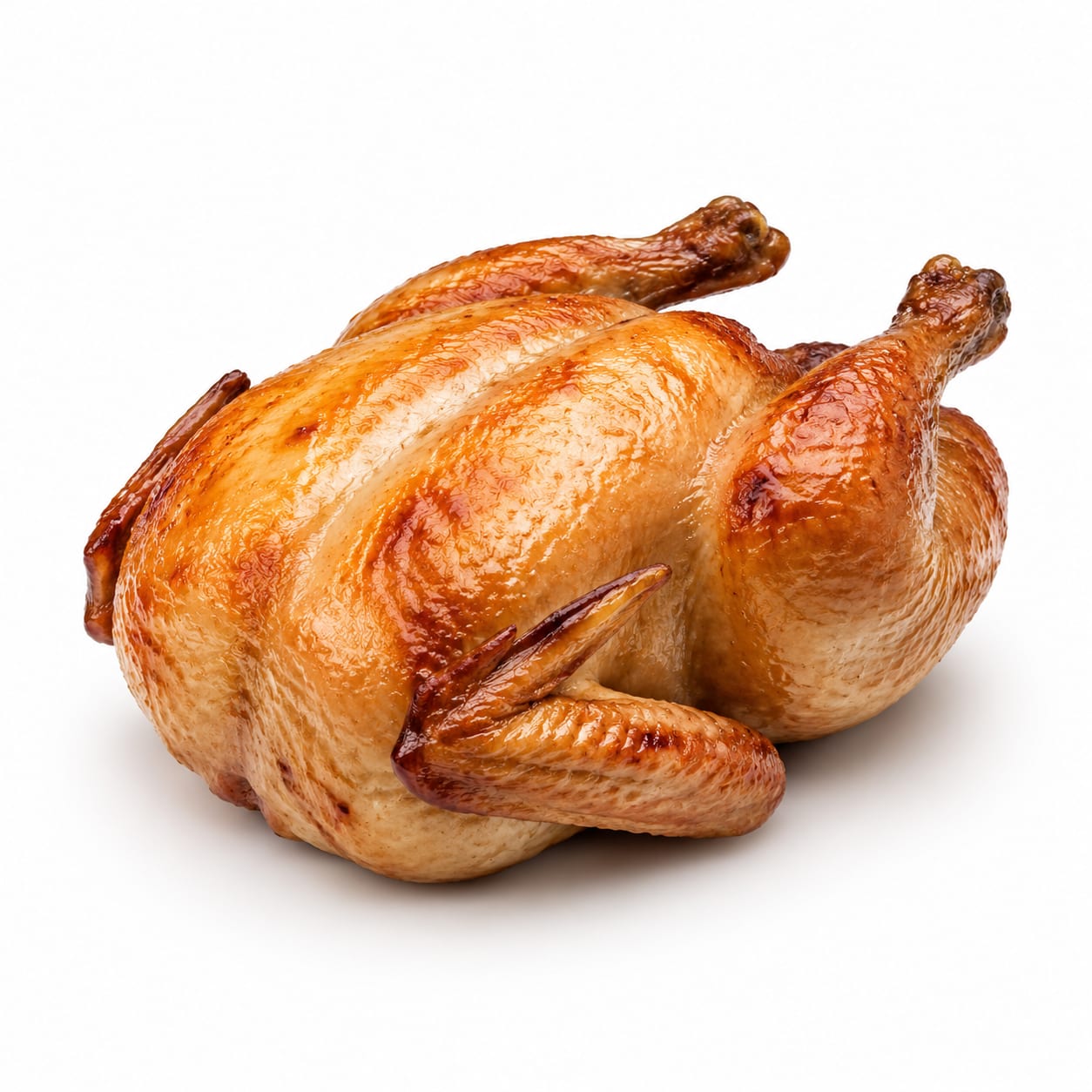
Capon
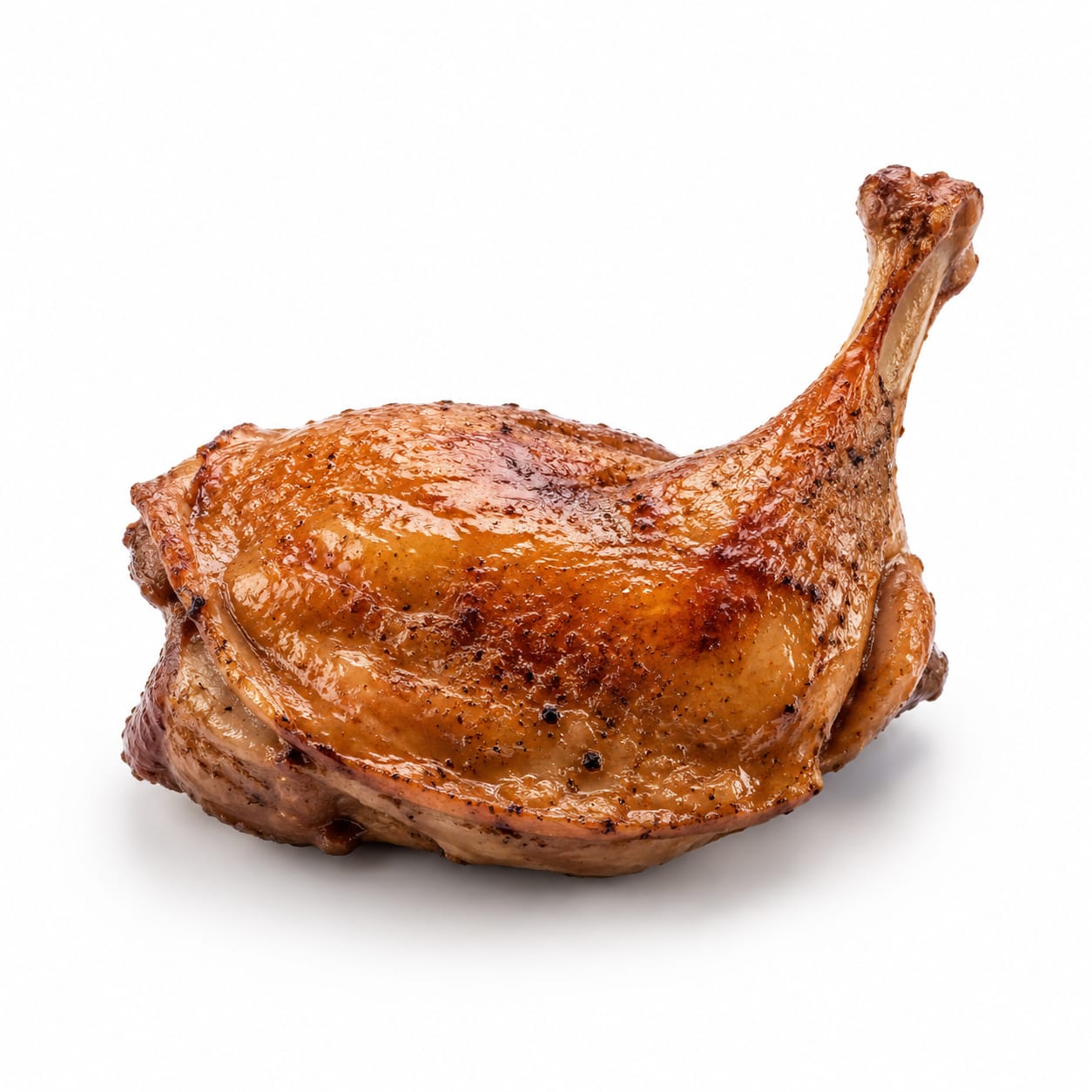
Pheasant
Pheasant wins for lean nutrition and everyday health; capon wins for richness, tenderness, and celebratory dining.
Pheasant scores notably higher due to its lean protein profile, lower saturated fat, and better suitability for regular consumption. Capon remains competitive for culinary richness and special occasions but carries a meaningful nutritional penalty for everyday eating.
You trade significantly more fat and calories in capon for a more succulent, forgiving meat, while pheasant rewards you with lean protein but demands careful cooking to avoid dryness.
At a glance
Executive summary
Overall
It depends
Healthier
Pheasant
More practical
Pheasant
Daily use
Pheasant
Key comparison lenses
lean protein vs richer flavor poultry choice
Users choosing between these two birds are likely deciding between a fattier, more indulgent option and a leaner, game-style alternative
calorie and fat consciousness
Capon is notably fattier than pheasant, making this a key differentiator for health-conscious eaters
special occasion vs regular meal protein
Both are premium poultry, but capon leans holiday-feast while pheasant leans gourmet-weeknight
cholesterol and heart health considerations
The fat difference directly impacts cardiovascular risk profiles
food safety and handling of specialty poultry
Game birds carry different handling and contamination risks than farm-raised capon
Best choice for
Capon
- Holiday feasts where richness and tenderness matter most
- Those wanting a forgiving, hard-to-overcook bird
- People seeking higher calorie intake or weight gain
- Cooks who prefer self-basting, juicy roasting birds
Pheasant
- Weight loss or lean muscle building goals
- Heart-health-conscious diners watching saturated fat
- Those who enjoy gamey, earthy flavor profiles
- Weeknight meals where lighter protein feels better
Least suitable for
Capon
- Anyone strictly managing saturated fat or cholesterol
- Regular daily protein source for sedentary individuals
- Those avoiding high-calorie meals
Pheasant
- People who dislike gamey or earthy flavors
- Cooks worried about overcooking and drying out meat
- Those wanting a self-basting, hands-off roasting experience
Deep comparison
Dimension by dimension
Each lens scores both foods and breaks down who each option suits.
- Dimension 1 · Priority 90Pheasant
Protein Quality and Density
Capon · 68Pheasant · 88Pheasant delivers more protein per calorie, making it far more protein-efficient for the same portion size.
Tradeoff
Capon still provides solid protein but comes packaged with significantly more fat per gram of protein you get.
Why it matters
If you eat poultry primarily for protein, pheasant gives you more of what you want with less of what you don't.
Real-world impact
A pheasant breast gets you lean recovery fuel after exercise. A capon breast gets you protein too, but with extra calories you may not need.
Capon
- Those who struggle to eat enough calories and need energy-dense protein
Better for
- Cutting phases where calorie efficiency matters
Worse for
Pheasant
- Athletes and active people wanting clean protein
- Anyone tracking macros who wants more protein per calorie
Better for
- Underweight individuals needing calorie-dense options
Worse for
- Dimension 2 · Priority 88Pheasant
Fat Content and Heart Health
Capon · 45Pheasant · 82Capon contains substantially more total fat and saturated fat than pheasant, raising cardiovascular concerns with frequent consumption.
Tradeoff
That extra fat is exactly what makes capon so tender and flavorful, but it comes at a real heart-health cost if eaten regularly.
Why it matters
Saturated fat from animal sources directly impacts LDL cholesterol. Regular capon consumption could meaningfully move that number.
Real-world impact
Eating capon weekly instead of pheasant could add 10-15g of extra saturated fat per week to your diet — enough to concern a cardiologist.
Capon
- Rare celebrations where the fat is worth the experience
Better for
- People with family history of heart disease
- Those already overconsuming saturated fat from other sources
Worse for
Pheasant
- Anyone with elevated cholesterol
- Regular weekly poultry eaters
- Heart disease risk reducers
Better for
- Those who find lean meat unsatisfying and end up overeating later
Worse for
- Dimension 3 · Priority 85Pheasant
Calorie Density and Weight Management
Capon · 42Pheasant · 85Pheasant is significantly lower in calories per serving, making it far more weight-management friendly.
Tradeoff
Capon's calorie density makes it easy to overconsume without realizing it, while pheasant lets you eat a satisfying portion for fewer calories.
Why it matters
A single capon serving can pack 50-70% more calories than an equivalent pheasant serving, mostly from fat.
Real-world impact
Choosing pheasant over capon for your protein could save you 150-200 calories per meal — that adds up to real weight differences over months.
Capon
- Hard gainers needing calorie surplus
- Recovery from illness requiring energy-dense food
Better for
- Mindless eaters who consume portions based on visual size
- Sedentary people with low calorie budgets
Worse for
Pheasant
- Anyone actively losing weight
- People who eat large portions and need lower calorie density
- Maintenance-phase eaters who want room for other foods
Better for
- Those who feel hungry quickly after lean meals
Worse for
- Dimension 4 · Priority 78Capon
Flavor and Culinary Versatility
Capon · 86Pheasant · 72Capon offers richer, more succulent meat that forgives cooking mistakes, while pheasant delivers a distinctive gamey flavor that requires more skill to showcase.
Tradeoff
Capon is the safer bet for a crowd-pleasing roast; pheasant rewards adventurous cooks with a unique, earthy taste but punishes overcooking.
Why it matters
If the meat turns out dry or bland, even the best nutritional profile won't save the meal — satisfaction drives sustainable eating.
Real-world impact
Capon is the bird you can roast while chatting with guests. Pheasant is the bird you watch like a hawk to pull at the perfect moment.
Capon
- Inexperienced cooks wanting a forgiving roast
- Holiday dinners where failure is not an option
- Those who prefer mild, buttery poultry flavor
Better for
- Diners who find rich meat heavy or cloying
- Hot weather meals where lighter protein feels right
Worse for
Pheasant
- Adventurous eaters who love gamey flavors
- Experienced cooks wanting a culinary challenge
- Those pairing with bold sauces and earthy sides
Better for
- Guests expecting traditional poultry taste
- Cooks prone to overcooking lean meats
Worse for
- Dimension 5 · Priority 70Pheasant
Nutrient Density Beyond Macros
Capon · 64Pheasant · 78Pheasant edges out capon on B vitamins, selenium, and iron per calorie, offering more micronutrient bang for your buck.
Tradeoff
Capon still provides solid micronutrients, but you consume more calories to get the same vitamin and mineral payload.
Why it matters
Nutrient density matters most when you eat moderate portions — getting more vitamins per bite supports energy and immunity without excess calories.
Real-world impact
A pheasant dinner leaves more room on your plate for vegetables and whole grains without blowing your calorie budget.
Capon
- Those already eating nutrient-dense sides who just need satisfying protein
Better for
- Low-calorie dieters who need every bite to count nutritionally
Worse for
Pheasant
- Anyone trying to maximize nutrition within calorie limits
- People relying on meat as a primary micronutrient source
Better for
- Those who find lean meat so unsatisfying they skip the meal entirely
Worse for
- Dimension 6 · Priority 75It depends
Satiety and Meal Satisfaction
Capon · 80Pheasant · 70Capon's higher fat content keeps you full longer, but pheasant's protein density also provides strong satiety for fewer calories.
Tradeoff
Fat-based satiety from capon feels richer and lasts longer, but comes with a calorie cost. Protein-based satiety from pheasant is lighter but effective.
Why it matters
The best protein choice is one that keeps you satisfied without triggering overeating later in the day.
Real-world impact
After a capon dinner, you likely won't snack. After pheasant, you might — but you also consumed far fewer calories at the meal itself.
Capon
- People prone to late-night snacking after lean dinners
- Those who find low-fat meat leaves them hungry an hour later
Better for
- Anyone who finds rich meals trigger sluggishness or digestive discomfort
Worse for
Pheasant
- Those who prefer feeling light after meals rather than stuffed
- People who naturally eat balanced meals with fat from other sources
Better for
- Those who need long-lasting fullness from a single meal
Worse for
Timeline
Health impact over time
Short-term
Hours to days
Capon
- Heavier post-meal feeling due to higher fat content
- More sustained energy from slow-digesting fats
- Possible sluggishness if portion is large
Pheasant
- Lighter, cleaner post-meal sensation
- Quick protein satisfaction without heaviness
- Risk of hunger returning sooner if meal lacks complementary fats
Long-term
Months to years
Capon
- Regular consumption could raise LDL cholesterol from saturated fat intake
- Higher calorie intake may contribute to gradual weight gain if not managed
- Rich flavor profile may increase preference for fatty meats over lean options
Pheasant
- Lean protein supports healthy body composition long-term
- Lower saturated fat intake benefits cardiovascular markers
- Gamey flavor preference may encourage diverse, adventurous eating patterns
Risk profile
Safety & processing
Both capon and pheasant are whole, minimally processed meats. Capon is farm-raised with controlled feed, while pheasant may be wild or farm-raised. Neither typically contains additives, though farm-raised capon may have more antibiotic exposure depending on sourcing.
Capon
Antibiotic residues from farm raising
mediumCapon are farm-raised and may receive antibiotics, though practices vary by producer. Choose organic or antibiotic-free sources when possible.
Standard poultry foodborne illness
mediumLike all poultry, capon carries Salmonella and Campylobacter risk. Proper cooking to 165°F is essential.
Pheasant
Lead shot contamination in wild-caught birds
mediumWild pheasant may contain lead shot fragments, which pose toxicity risk. Farm-raised pheasant avoids this issue entirely.
Game bird handling and parasites
lowWild game carries slightly higher parasite risk than farm-raised poultry. Thorough cooking eliminates this concern.
Environmental contaminant accumulation
lowWild pheasant may accumulate environmental contaminants depending on habitat quality. This is typically a minor concern but worth noting.
Who wins for whom
Audience fit
Same foods, different winners depending on your goal.
children
CaponCapon's milder flavor and tender texture are more kid-friendly, and growing children benefit from the extra calories and fat.
daily consumption
PheasantPheasant's lean profile makes it sustainable as a regular protein source without the cumulative fat and calorie burden of daily capon.
diabetes
PheasantBoth are zero-carb, but pheasant's lower saturated fat content is better for the cardiovascular risks that accompany diabetes.
elderly
PheasantOlder adults need lean, nutrient-dense protein without excess saturated fat that compounds cardiovascular risk.
muscle gain
PheasantMore protein per calorie means pheasant supports muscle building without excess fat that doesn't contribute to lean tissue.
weight loss
PheasantPheasant provides high protein with significantly fewer calories and less fat, making it far easier to fit into a calorie deficit.
Your move
Decision guide
Choose Capon
- You're hosting a holiday meal and want a showstopping, forgiving roast
- Richness and tenderness matter more than calorie counts for this occasion
- You're actively trying to gain weight or increase calorie intake
- You find lean meats unsatisfying and end up snacking later
Choose Pheasant
- You want lean, clean protein for regular meals
- Heart health or cholesterol management is a priority
- You enjoy gamey flavors or want to expand your culinary horizons
- Weight management is a current goal and every calorie matters
Either works if
- You eat poultry only occasionally and either choice fits your weekly budget
- You're serving both as part of a varied spread with lean sides
- Neither fat content nor calorie density is a concern for your situation
Avoid both if
- You follow a plant-based diet
- You have gout and are sensitive to purine-rich meats
- You lack access to proper cooking facilities for raw poultry
Final recommendation
Make pheasant your everyday poultry and save capon for celebrations. You get the health benefits of lean protein most days, and the richness of capon feels special when it matters. If you cook pheasant, pair it with a healthy fat source like olive oil or avocado to round out satiety without the saturated fat load that capon brings built-in.
Practical
Consumer tips
- 1
If buying pheasant, ask whether it's wild or farm-raised — wild birds carry lead shot risk, farm-raised don't
- 2
Brining pheasant before cooking helps prevent the dryness that turns people off lean game birds
- 3
Capon is naturally self-basting thanks to its fat layer — it's genuinely hard to ruin a capon roast
- 4
For the health-conscious who still want capon's tenderness, remove the skin before eating to cut significant fat and calories
- 5
Source capon from antibiotic-free farms to reduce residue exposure — it's worth the premium
- 6
If you find pheasant too lean, cook it with a small amount of butter or olive oil rather than switching to a fattier bird — you control the fat quality
- 7
Both birds pair well with roasted root vegetables, which add fiber and micronutrients that complement the protein