
Nutrition comparison
Capon vs Lamb Chop: Nutrition, Health Benefits & Which to Choose
Compare Capon vs Lamb Chop to see which meat is healthier. Discover the differences in fat, iron, protein, and which is better for your diet.
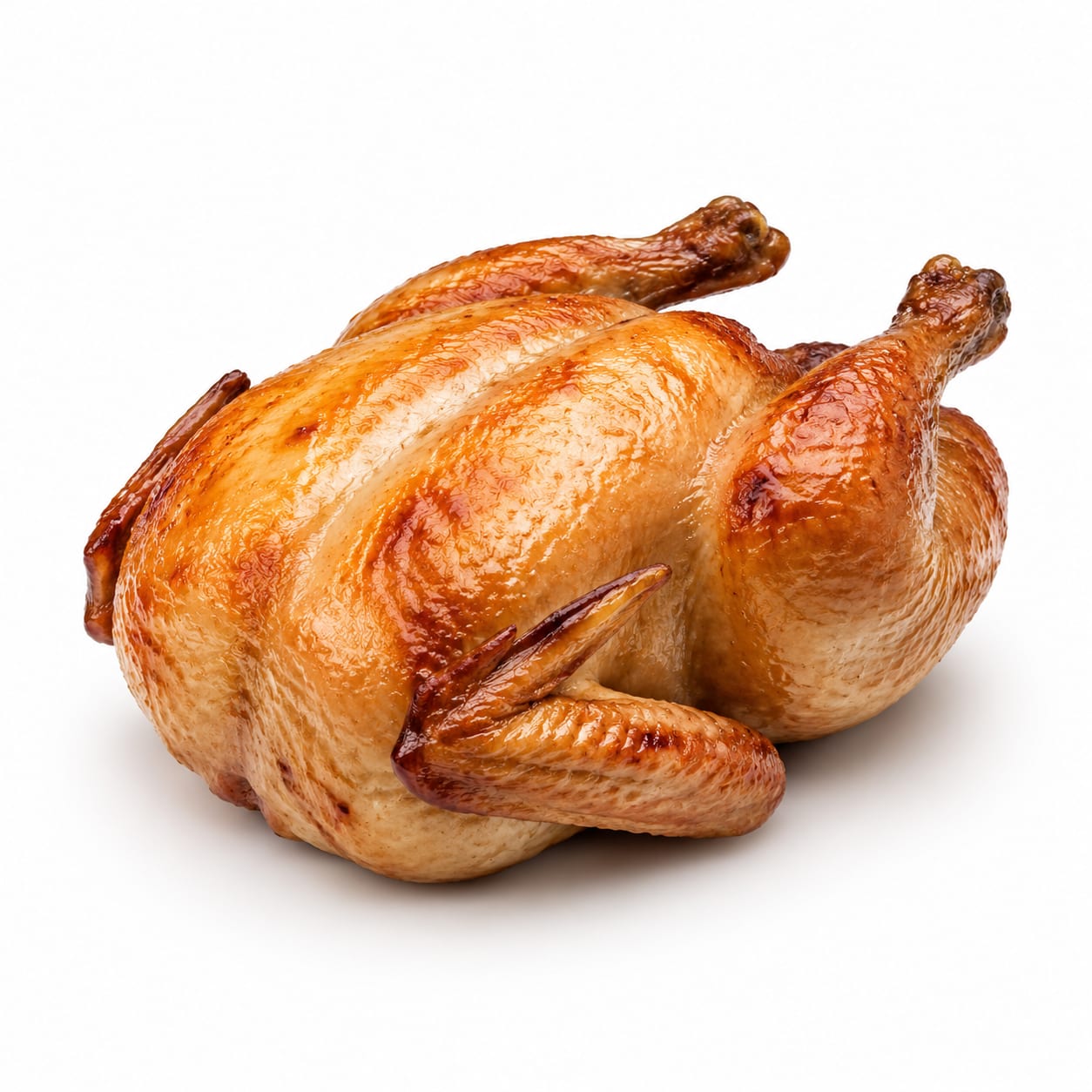
Capon
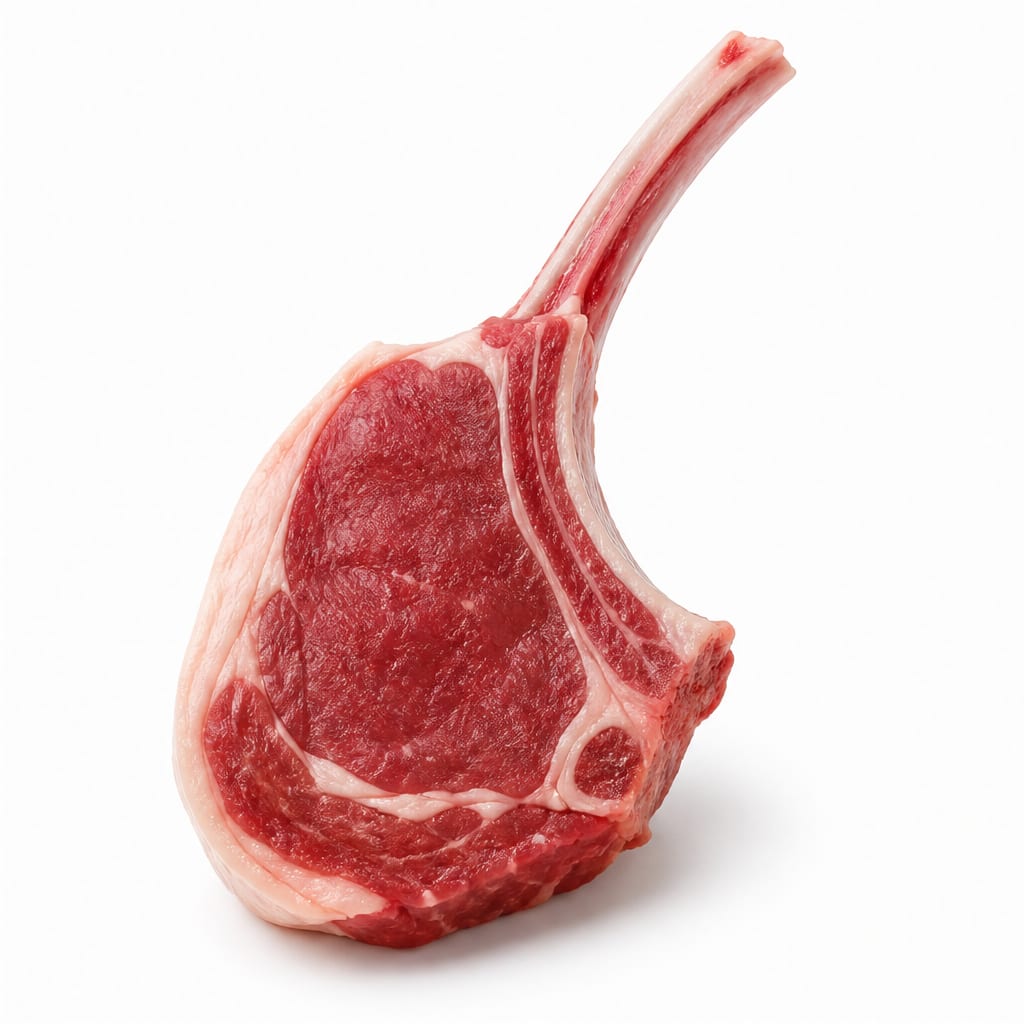
Lamb Chop
Capon offers a lighter, poultry-based indulgence with less saturated fat, while Lamb Chop delivers unmatched iron and B12 but comes with a heavier fat load.
Capon edges ahead slightly due to a more favorable fat profile and lighter digestive load, though Lamb Chop wins decisively on specific micronutrients like iron and B12.
Lower saturated fat and lighter digestion (Capon) versus superior heme iron and B12 density (Lamb Chop).
At a glance
Executive summary
Overall
It depends
Healthier
Capon
More practical
It depends
Daily use
Capon
Key comparison lenses
Cardiovascular impact and fat profile
Both are rich meats, but the saturated fat difference between poultry and red meat heavily influences heart health decisions.
Micronutrient density for energy and blood health
Lamb Chop provides vastly more heme iron and B12, making it a go-to for fatigue and anemia, whereas Capon falls short here.
Digestive comfort and meal heaviness
Red meat sits heavier in the stomach and digests slower, which affects how comfortable you feel after eating.
Best choice for
Capon
- Heart-conscious omnivores looking for festive poultry
- People wanting a rich meal without the red meat hangover
- Those managing cholesterol levels
Lamb Chop
- Individuals with iron-deficiency anemia
- Those needing a serious B12 boost
- Keto dieters seeking high-fat cuts of meat
Least suitable for
Capon
- People avoiding poultry
- Those on a strict low-fat diet
Lamb Chop
- People managing high LDL cholesterol
- Those who struggle with heavy, slow-digesting meals
Deep comparison
Dimension by dimension
Each lens scores both foods and breaks down who each option suits.
- Dimension 1 · Priority 92Capon
Fat Profile & Heart Health
Capon · 78Lamb Chop · 52Capon has significantly less saturated fat than Lamb Chop, making it gentler on your cardiovascular system.
Tradeoff
You sacrifice the rich, fatty mouthfeel of lamb, but you gain a lighter post-meal feeling and better long-term lipid impact.
Why it matters
High saturated fat intake from red meat is a known driver of LDL cholesterol and heart disease risk.
Real-world impact
Choosing Capon means less sluggishness after dinner and a smarter choice for weekly rotation if heart health is a priority.
Capon
- Managing cholesterol
- Lighter evening meals
Better for
- Very high-fat diet requirements
Worse for
Lamb Chop
- Keto and low-carb diets
- High-calorie bulking
Better for
- Heart disease risk management
- Low-fat diets
Worse for
- Dimension 2 · Priority 88Lamb Chop
Micronutrient Density (Iron & B12)
Capon · 55Lamb Chop · 95Lamb Chop is a powerhouse of heme iron and vitamin B12, far surpassing Capon in blood-building nutrients.
Tradeoff
You get incredible energy-supporting nutrients from lamb, but it comes packaged with more saturated fat.
Why it matters
Heme iron is much more easily absorbed than plant iron, making it crucial for preventing anemia and fatigue.
Real-world impact
If you feel constantly drained or have low iron, a Lamb Chop will do far more heavy lifting than Capon.
Capon
- Maintaining normal energy without excess iron
Better for
- Correcting iron deficiency
Worse for
Lamb Chop
- Fighting iron-deficiency anemia
- Supporting nervous system health
Better for
- Conditions requiring low iron (hemochromatosis)
Worse for
- Dimension 3 · Priority 80Capon
Satiety & Digestion
Capon · 82Lamb Chop · 70Capon is rich but digests more easily than the dense, fatty Lamb Chop.
Tradeoff
Lamb keeps you full for hours due to its high fat content, but it can feel heavy and sit in your stomach longer.
Why it matters
Comfort after eating matters, especially for evening meals or those with slower digestion.
Real-world impact
Capon feels like a satisfying yet manageable dinner; Lamb Chop can feel like a feast that puts you straight to sleep on the couch.
Capon
- Evening meals
- Easier digestion
Better for
- Extreme calorie needs on a budget
Worse for
Lamb Chop
- Post-hike recovery
- Long-lasting fullness
Better for
- Acid reflux
- Slow digestion
Worse for
- Dimension 4 · Priority 75It depends
Protein Quality
Capon · 85Lamb Chop · 85Both deliver excellent complete protein with all essential amino acids needed for muscle repair.
Tradeoff
Poultry protein is slightly leaner, while lamb protein comes intertwined with more fat and collagen.
Why it matters
High-quality protein supports muscle maintenance, immunity, and steady energy.
Real-world impact
Either choice will effectively rebuild muscle after a workout or keep hunger at bay for hours.
Capon
- Lean muscle maintenance
Better for
- Need for connective tissue collagen
Worse for
Lamb Chop
- Collagen-rich joint support from braised cuts
Better for
- Strict lean protein goals
Worse for
Timeline
Health impact over time
Short-term
Hours to days
Capon
- Sustained energy without a heavy food coma
- Comforting, savory satisfaction
Lamb Chop
- Deep satiety lasting many hours
- Potential for sluggishness due to high fat content
Long-term
Months to years
Capon
- Better cardiovascular markers than red meat if eaten regularly
- Maintained muscle mass without excess saturated fat
Lamb Chop
- Excellent prevention of anemia and B12 deficiency
- Potential increase in LDL cholesterol if consumed frequently
Risk profile
Safety & processing
Both Capon and Lamb Chop are whole, unprocessed cuts of meat. The main concern lies in farming practices rather than artificial additives.
Capon
Antibiotic and hormone exposure
mediumPoultry farming sometimes uses antibiotics, and capons are specifically fattened, which can involve unique farming practices.
Foodborne illness (Salmonella)
mediumPoultry always requires strict handling and full cooking to avoid Salmonella contamination.
Lamb Chop
Foodborne illness
lowLamb can be eaten rare, but surface bacteria require proper searing to ensure safety.
Heavy metal accumulation
lowAs a red meat, lamb can accumulate environmental contaminants, though generally at low levels.
Who wins for whom
Audience fit
Same foods, different winners depending on your goal.
children
CaponCapon is easier for kids to chew and digest, and provides lean protein without excessive saturated fat.
daily consumption
CaponPoultry is generally recommended more frequently than red meat due to long-term heart health guidelines.
diabetes
CaponBoth have zero carbs, but Capon's lower saturated fat content is better for the increased cardiovascular risks associated with diabetes.
elderly
CaponEasier to digest and gentler on the cardiovascular system, though Lamb Chop's B12 is also beneficial for older adults.
muscle gain
It dependsBoth are excellent for muscle gain; Capon offers leaner protein, while Lamb Chop offers more calories for bulking.
weight loss
CaponCapon provides high protein with less calorie-dense fat, making it easier to fit into a calorie deficit.
Your move
Decision guide
Choose Capon
- You want a festive meal without the heavy red meat hangover
- Heart health and cholesterol management are daily priorities
- You prefer lighter, easier-to-digest poultry
Choose Lamb Chop
- You need a serious iron or B12 boost
- You are on a keto or high-fat diet
- You crave the rich, distinct flavor of red meat for a special occasion
Either works if
- You simply want high-quality complete protein for dinner
- You are meal prepping for post-workout recovery
Avoid both if
- You follow a plant-based or vegetarian diet
- You have severe gout and must limit purine-rich meats
Final recommendation
Choose Capon for a more regular, heart-friendly indulgence with excellent lean protein. Save Lamb Chop for when you need an iron boost or crave its unmistakable rich flavor, keeping portions moderate to manage saturated fat intake.
Practical
Consumer tips
- 1
Trim visible fat from Lamb Chops before cooking to significantly reduce saturated fat and calorie content.
- 2
Roast Capon with herbs like rosemary and thyme to add flavor without adding sodium.
- 3
Pair Lamb Chop with vitamin C-rich vegetables like roasted bell peppers to boost iron absorption even further.
- 4
Use a meat thermometer for Capon to ensure it reaches a safe 165°F (74°C) without drying out the breast meat.