
Nutrition comparison
Capon vs Goose: Which Holiday Bird Is Healthier and Tastes Better?
Compare capon and goose nutrition, flavor, fat content, and cooking difficulty. Find out which celebratory poultry is better for your health goals and holiday table.
Overall winner · Capon
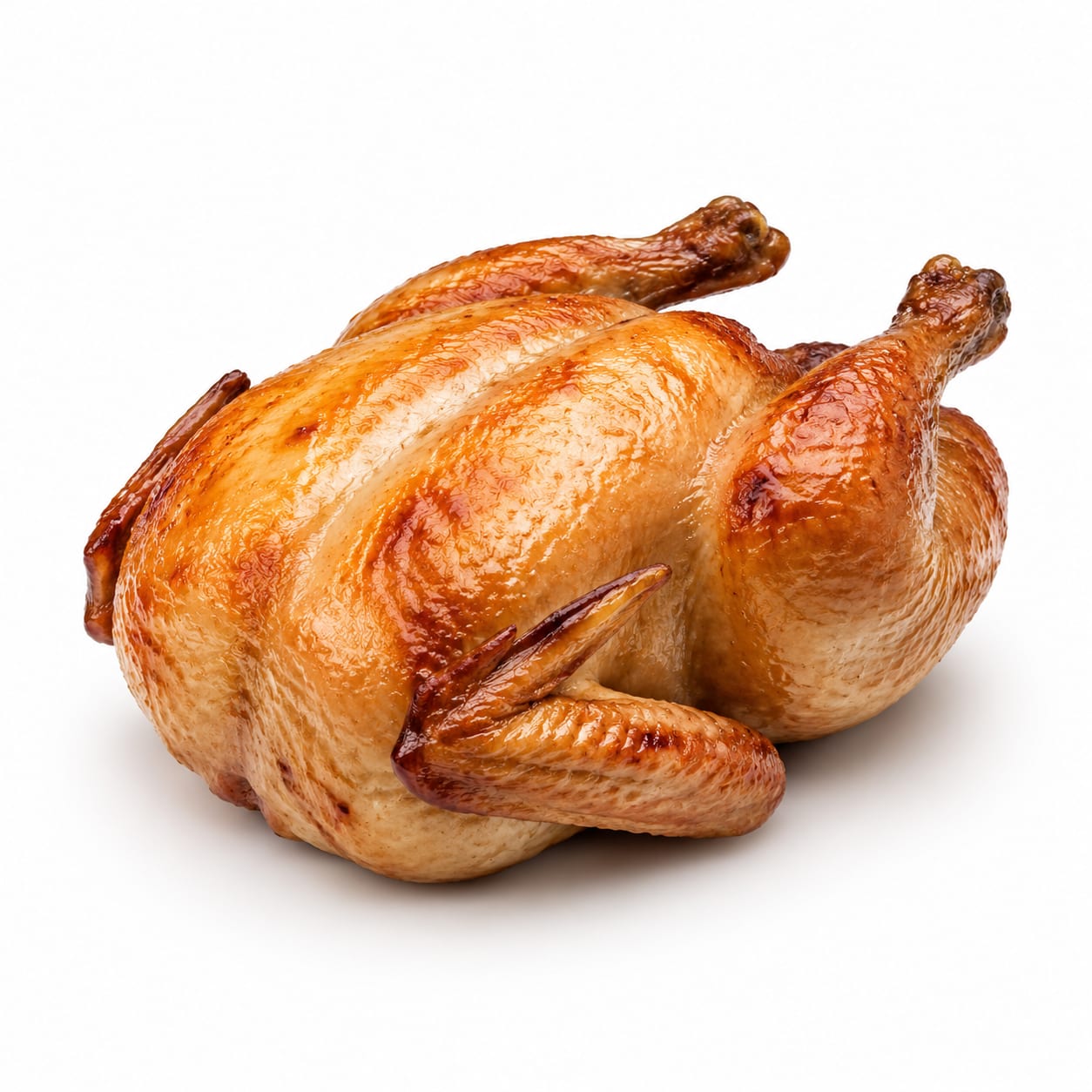
Capon
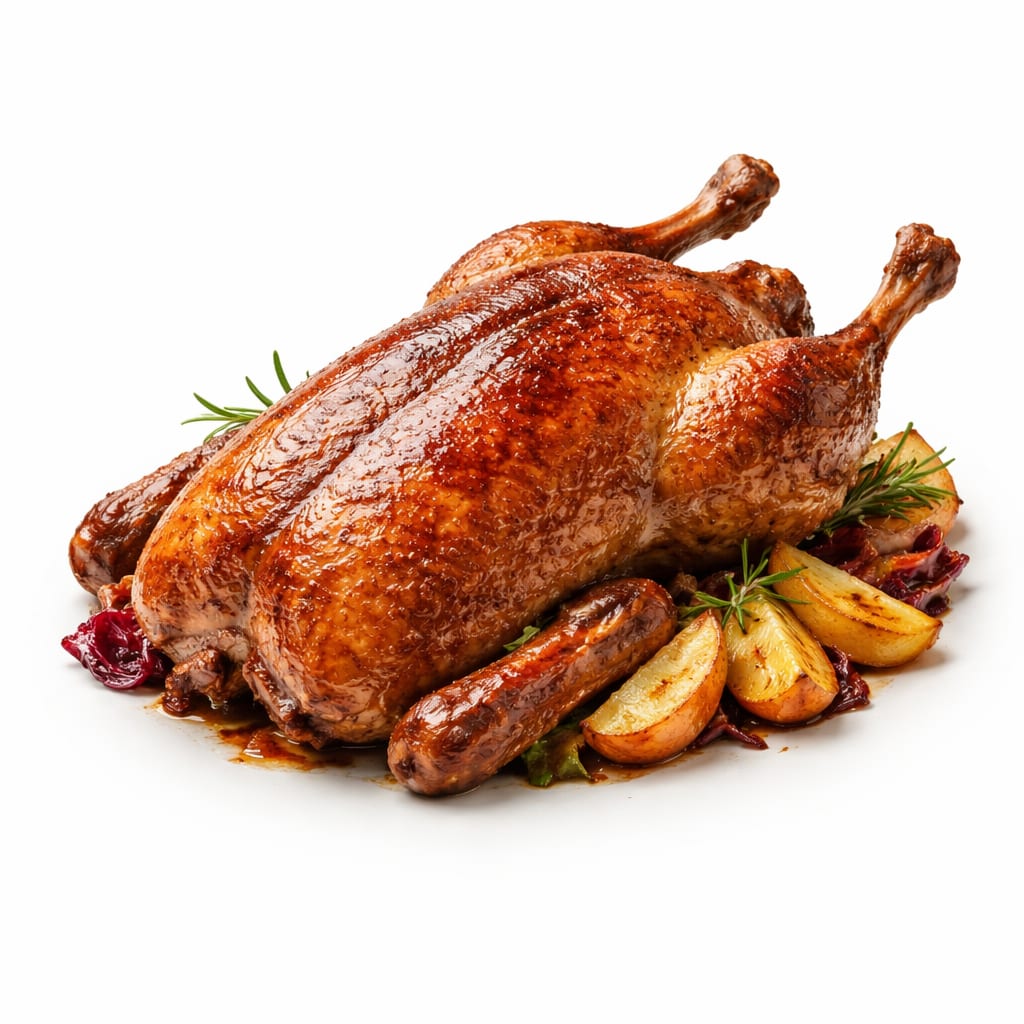
Goose
Capon wins for most situations — similar protein with noticeably less fat and more weeknight practicality. Goose is the indulgent showpiece for when flavor and tradition matter more than nutrition.
Capon scores higher due to better fat-to-protein ratio, easier preparation, and more realistic regular use. Goose loses ground on calorie density and saturated fat, though it earns points for flavor depth and culinary tradition.
Goose gives you bolder flavor and prized cooking fat but at nearly double the calorie density. Capon delivers most of the celebratory feel with a lighter nutritional footprint.
At a glance
Executive summary
Overall
Capon
Healthier
Capon
More practical
Capon
Daily use
Capon
Key comparison lenses
Holiday centerpiece selection
Both are premium poultry traditionally served at celebrations, so users are likely choosing between them for a special meal
Fat and calorie awareness
Goose is notoriously fatty while capon sits between chicken and goose, making fat content the dominant nutritional tradeoff
Heart health compatibility
Both carry significant saturated fat loads that matter for cardiovascular risk, especially for older adults or those managing cholesterol
Practical everyday viability
Neither is a daily staple, but capon is far more realistic for regular cooking while goose is firmly a special-occasion bird
Flavor vs leanness tradeoff
Goose delivers richer, deeper flavor but at a steep calorie cost; capon offers a gentler richness with less fat baggage
Best choice for
Capon
- Smaller households wanting a celebratory roast without week-long leftovers
- Health-conscious hosts who still want an impressive centerpiece
- People managing cholesterol or saturated fat intake
- Cooks who want tender, forgiving meat that stays juicy
Goose
- Holiday traditionalists seeking authentic European Christmas flavor
- Home cooks who want to render fat for roasting potatoes and vegetables
- Larger gatherings where a big, dramatic bird makes a statement
- Flavor-first eaters who prioritize richness over calorie concerns
Least suitable for
Capon
- Those seeking the deepest, most intense poultry flavor
- Cooks wanting rendered fat as a cooking byproduct
- Very large gatherings where a bigger bird is needed
Goose
- Anyone closely monitoring saturated fat or calories
- Small households that would struggle with portions and leftovers
- Weeknight or casual cooking due to long prep and render time
- People with heart disease risk factors
Deep comparison
Dimension by dimension
Each lens scores both foods and breaks down who each option suits.
- Dimension 1 · Priority 95Capon
Fat and Calorie Load
Capon · 62Goose · 35Capon has significantly less fat and fewer calories per serving than goose, making it the lighter choice by a wide margin.
Tradeoff
Goose renders copious fat during cooking — a drawback for calorie counters but a bonus for cooks who prize that fat for potatoes and pastry.
Why it matters
A single goose serving can deliver 350+ calories with 25g of fat, while capon sits closer to 250 calories with 16g of fat. That difference compounds quickly across a meal with sides.
Real-world impact
After a goose dinner you feel heavier and sleepier. Capon leaves room for sides and dessert without the same food coma.
Capon
- Weight management
- Heart-conscious eating
- Balanced plate construction
Better for
- Cooks specifically wanting rendered poultry fat
Worse for
Goose
- Flavor development in side dishes
- Traditional recipes requiring rendered fat
Better for
- Anyone tracking calories or saturated fat
- People prone to post-meal sluggishness
Worse for
- Dimension 2 · Priority 82It depends
Protein Quality and Quantity
Capon · 75Goose · 73Both deliver excellent complete protein with all essential amino acids. The difference is marginal and not decision-changing.
Tradeoff
Goose has slightly more protein per 100g raw weight, but once cooked and fat-rendered, the edible portion difference shrinks to near insignificance.
Why it matters
For muscle maintenance and satiety, both birds perform well. Neither is a standout protein source compared to turkey or chicken breast.
Real-world impact
A serving of either bird easily covers half your daily protein needs. The protein difference between them won't affect your gym results or hunger levels meaningfully.
Capon
- Slightly leaner protein per calorie consumed
Better for
- Not a meaningful disadvantage here
Worse for
Goose
- Slightly higher absolute protein per raw gram
Better for
- Not a meaningful disadvantage here
Worse for
- Dimension 3 · Priority 78Goose
Satiety and Fullness
Capon · 72Goose · 85Goose is more filling due to its high fat content, which slows digestion and extends satiety signals.
Tradeoff
That fullness comes with a heavy, sluggish feeling that many people find uncomfortable rather than satisfying.
Why it matters
If you want one meal to carry you through an afternoon or evening, goose does that effectively. But the quality of that fullness matters — it can feel oppressive rather than energizing.
Real-world impact
After goose, you likely skip snacking for hours. After capon, you might want a light snack later but feel more comfortable and alert.
Capon
- Comfortable satiety without heaviness
- Leaving room for other meal components
Better for
- May not feel like enough food for very active eaters
Worse for
Goose
- Maximum fullness from a single serving
- Long-lasting hunger suppression
Better for
- Can cause uncomfortable fullness and drowsiness
Worse for
- Dimension 4 · Priority 80Capon
Culinary Practicality
Capon · 78Goose · 50Capon is easier to source, simpler to cook, and more forgiving in the oven. Goose demands technique, time, and fat management.
Tradeoff
Goose rewards skilled hands with extraordinary flavor and rendered fat, but it punishes inexperience with greasy results and uneven cooking.
Why it matters
Most home cooks can roast a capon successfully on the first try. Goose requires basting, fat draining, and careful temperature management — it is genuinely harder to get right.
Real-world impact
Capon is a low-stress holiday option. Goose is a project meal that can go wrong if you are not prepared for how much fat renders out.
Capon
- Easier for less experienced cooks
- More consistent results
- Faster cleanup with less grease
Better for
- Less dramatic visual impact
Worse for
Goose
- Produces valuable rendered fat as a byproduct
- More dramatic presentation at the table
Better for
- Requires fat-draining technique and frequent basting
- Oven gets greasy, cleanup is intensive
- Easy to overcook the breast while waiting for legs
Worse for
- Dimension 5 · Priority 88Capon
Heart Health Impact
Capon · 55Goose · 38Neither bird is heart-healthy, but capon is meaningfully less concerning due to lower saturated fat per serving.
Tradeoff
Both are occasional foods, so the real question is whether goose's extra saturated fat is worth it for a once-a-year tradition. For most people, it can be — but not weekly.
Why it matters
Goose delivers roughly 8-9g of saturated fat per serving compared to capon's 5-6g. Over a holiday meal with sides, that gap widens further.
Real-world impact
If you have existing cholesterol concerns or a family history of heart disease, capon is the safer celebration choice. Goose should be a rare indulgence, not a habit.
Capon
- Lower saturated fat per serving
- More manageable for cholesterol-conscious eaters
- Easier to fit into a heart-aware meal plan
Better for
- Still a high-fat poultry option not ideal for daily consumption
Worse for
Goose
- No cardiovascular advantage
Better for
- High saturated fat load stresses cardiovascular health
- Concerning for anyone with lipid panel issues
Worse for
- Dimension 6 · Priority 76Goose
Flavor Depth and Eating Experience
Capon · 72Goose · 88Goose offers richer, deeper, more complex flavor with intensely savory skin. Capon is delicious but milder and closer to high-quality chicken.
Tradeoff
Goose flavor is intense enough to overwhelm delicate side dishes. Capon plays more cooperatively on a plate with varied accompaniments.
Why it matters
If the whole point of the meal is the bird itself, goose delivers a more memorable experience. If the bird is one component of a balanced plate, capon integrates better.
Real-world impact
Goose creates the kind of meal people remember and talk about. Capon creates the kind of meal people enjoy without thinking much about the protein specifically.
Capon
- Pairs well with lighter, more varied side dishes
- Pleasing to palates that find gamey flavors overwhelming
Better for
- May seem underwhelming to diners expecting something special
Worse for
Goose
- Deeper, more complex savory flavor
- Crispy rendered skin is uniquely satisfying
- Creates memorable dining experiences
Better for
- Can dominate the plate and fight with subtle flavors
- Too rich for some palates, especially in warm weather
Worse for
Timeline
Health impact over time
Short-term
Hours to days
Capon
- Satisfying meal without excessive heaviness
- Moderate post-meal energy dip due to fat content
- Generally comfortable digestion for most people
Goose
- Noticeable food coma and drowsiness after eating
- Very full, heavy sensation that lingers for hours
- Potential digestive discomfort if portions are large
Long-term
Months to years
Capon
- Manageable saturated fat intake if kept to occasional meals
- Reasonable protein source for maintaining muscle mass
- Unlikely to significantly impact cholesterol if eaten a few times per year
Goose
- Higher saturated fat intake could affect lipid panels if eaten even monthly
- Rich calorie density makes portion control important for weight
- Rendered fat reuse can be a healthier cooking fat alternative to seed oils, partially offsetting concerns
Risk profile
Safety & processing
Both capon and goose are whole, minimally processed poultry. Capon production involves castration, which raises ethical concerns for some consumers but does not introduce additives. Goose is typically raised more naturally with less industrial intervention. Neither bird carries significant processing-related risks.
Capon
Salmonella and Campylobacter contamination
mediumLike all poultry, capon requires thorough cooking to 165°F internal temperature. Cross-contamination risk is standard for raw bird handling.
Antibiotic residues
lowCapon production can involve antibiotic use, though less common in specialty birds. Source from trusted producers to minimize exposure.
Goose
Salmonella and Campylobacter contamination
mediumStandard poultry contamination risk. Goose requires careful handling and full cooking, especially given its size makes even doneness harder to verify.
Environmental contaminants in waterfowl
lowGeese may accumulate more environmental contaminants than land poultry due to foraging habits, though farmed geese reduce this risk significantly.
Undercooking due to size and fat layering
mediumGoose's thick fat layers can mask undercooked meat near the bone. Use a meat thermometer in multiple spots, especially the thigh joint.
Who wins for whom
Audience fit
Same foods, different winners depending on your goal.
children
CaponCapon's milder flavor and more tender texture appeal more to young palates. Goose can taste too rich or gamey for many children, and its fat content is excessive for small bodies.
daily consumption
CaponNeither is ideal for daily eating, but capon is far more reasonable as an occasional weekly protein. Goose should be reserved for rare occasions due to its fat and calorie density.
diabetes
CaponBoth are zero-carb proteins that won't spike blood sugar directly, but capon's lower saturated fat is better for the cardiovascular risks that disproportionately affect people with diabetes.
elderly
CaponOlder adults benefit from capon's softer texture, easier digestion, and lower saturated fat. Goose's heaviness and cardiac load make it a riskier choice for aging cardiovascular systems.
muscle gain
It dependsBoth offer solid complete protein. The slight protein edge goes to goose raw, but capon's better protein-to-calorie ratio makes it more efficient for lean gains.
weight loss
CaponCapon provides similar protein with substantially fewer calories and less fat, making portion control easier and calorie budgets more manageable.
Your move
Decision guide
Choose Capon
- You want a celebratory meal without the heavy, sluggish aftermath
- You are cooking for people managing cholesterol, weight, or heart concerns
- You prefer tender, juicy meat that is forgiving to cook
- You are serving a smaller group and do not need a massive bird
- You want leftovers that work well in lighter next-day meals
Choose Goose
- You are committed to a traditional European holiday feast and flavor is the top priority
- You specifically want rendered goose fat for roasting potatoes and vegetables
- You are feeding a large group and want a dramatic, memorable centerpiece
- You rarely eat rich poultry and want the full indulgent experience when you do
- You are an experienced cook comfortable managing fat rendering and basting
Either works if
- You simply want a special-occasion bird and have no strong health constraints
- You are serving alongside many sides where the protein is not the sole focus
- Your guests have no dietary restrictions and enjoy rich foods
Avoid both if
- You eat poultry multiple times per week and already get plenty of saturated fat from other sources
- You have significant cardiovascular disease risk and should limit saturated fat strictly
- You are vegan or vegetarian, obviously
- You are cooking for someone with gout — both are moderately high-purine foods
Final recommendation
Choose capon for most situations. It delivers the celebratory feel with a lighter nutritional footprint, easier cooking, and broader appeal. Save goose for when tradition or flavor intensity truly matters — and enjoy it knowing it is a rare indulgence, not a regular habit.
Practical
Consumer tips
- 1
If cooking goose, prick the skin generously before roasting to help fat render out — this improves both texture and nutritional profile
- 2
Save rendered goose fat in the refrigerator; it lasts weeks and makes extraordinary roasted vegetables
- 3
Capon benefits from brining for 4-12 hours before roasting, which keeps the breast meat exceptionally juicy
- 4
For either bird, let it rest 20-30 minutes after roasting before carving — this redistributes juices and improves every bite
- 5
Ask your butcher to source capon or goose from farms that avoid routine antibiotics — it matters more for these specialty birds than for commodity chicken
- 6
If you find goose too rich, serve smaller portions alongside a sharp, acidic salad or fruit-based sauce to cut through the fat
- 7
Capon leftovers make excellent sandwiches, salads, and soup. Goose leftovers are best in rich stews or pâtés where the fat is an asset