
Nutrition comparison
Capon vs Duck: Nutrition, Taste, and Health Comparison
Compare Capon and Duck to find out which poultry is healthier. Discover the nutritional differences, fat content, and best culinary uses for Capon vs Duck.
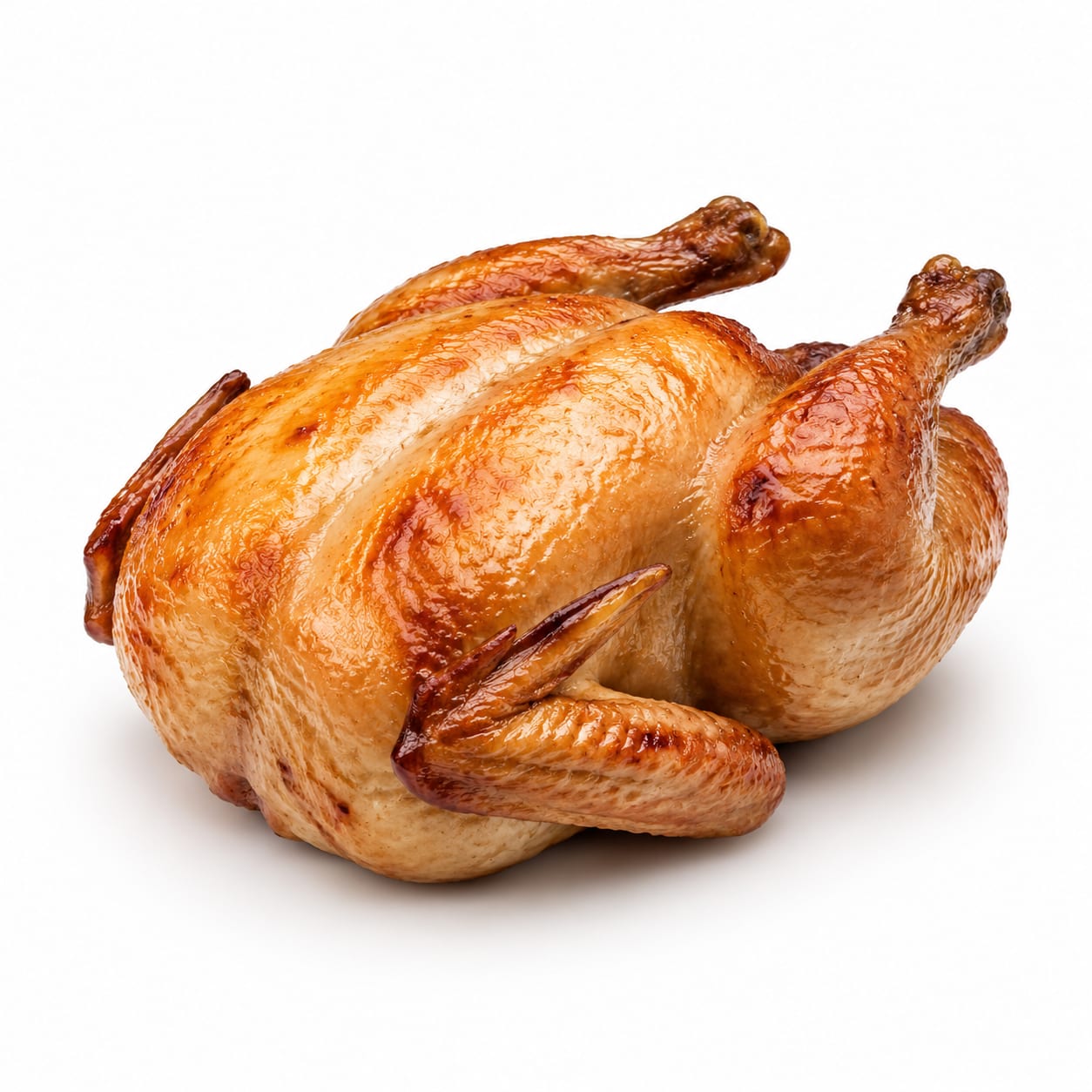
Capon
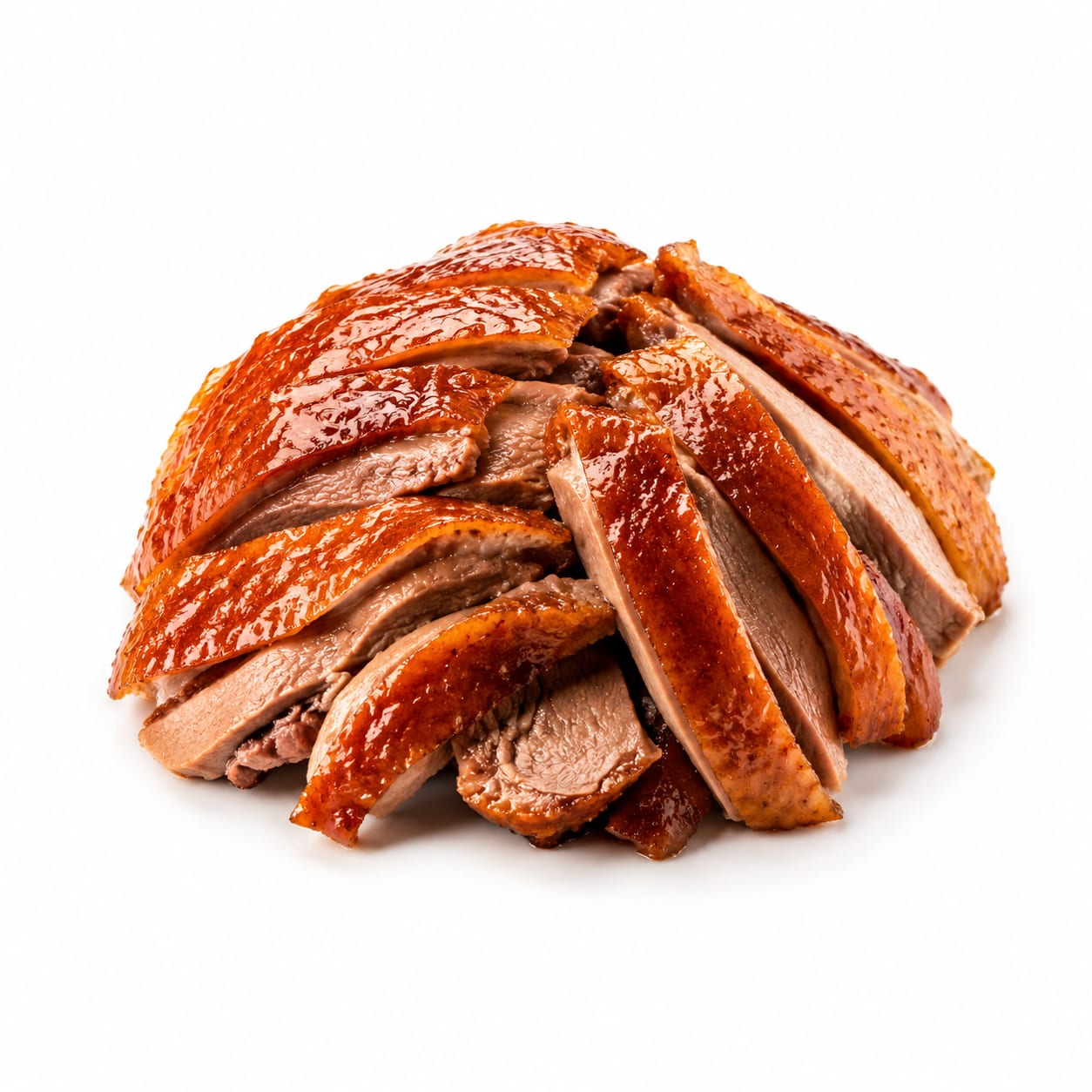
Duck
Capon is the leaner, lighter choice for a traditional poultry dinner, while Duck is a rich, indulgent option packed with healthy fats and iron.
Capon scores higher overall due to its better protein-to-calorie ratio and lighter impact on daily fat limits. Duck scores lower for everyday use because of its high calorie density, though it excels in specific nutrient areas like iron.
You are trading Capon's lower calorie count and lighter feel for Duck's superior micronutrients and deeply satisfying richness.
At a glance
Executive summary
Overall
It depends
Healthier
Capon
More practical
Capon
Daily use
Capon
Key comparison lenses
Fat content and calorie density
Duck is exceptionally fatty compared to most poultry, while Capon is prized for tender but leaner meat, making fat the primary tradeoff.
Culinary use and occasion suitability
Both are often reserved for special occasions or holiday dinners rather than everyday meals, but they serve different dining experiences.
Micronutrient density and iron content
Duck provides significantly more iron and B vitamins due to its dark meat and fat content, while Capon offers a lighter nutritional profile.
Best choice for
Capon
- People watching their calorie intake
- Those who prefer white meat or lighter poultry
- Home cooks wanting a forgiving, easy-to-roast holiday bird
Duck
- Keto and low-carb dieters seeking high-fat protein
- Individuals needing an iron boost, like those with mild anemia
- Foodies craving rich, restaurant-quality flavor at home
Least suitable for
Capon
- Those on strict high-fat, low-carb diets
- People looking for intense, gamey flavor
Duck
- People strictly limiting fat or calorie intake
- Those who dislike rich, heavy meals
Deep comparison
Dimension by dimension
Each lens scores both foods and breaks down who each option suits.
- Dimension 1 · Priority 95Capon
Calorie and Fat Control
Capon · 85Duck · 40Capon provides a much leaner meal, while Duck is highly calorie-dense due to its thick layer of subcutaneous fat.
Tradeoff
Choosing Duck means consuming significantly more calories for the same portion size, but you gain incredibly moist, flavorful meat.
Why it matters
If you eat poultry regularly, the fat difference heavily impacts your weekly calorie budget and cardiovascular load.
Real-world impact
A Duck dinner will leave you feeling heavier and more sluggish afterward, whereas Capon feels like a standard, satisfying chicken meal.
Capon
- Weight management
- Lighter post-meal energy levels
Better for
- Those who find lean poultry too dry
Worse for
Duck
- Extended satiety without needing sides
- High-calorie needs for active individuals
Better for
- Anyone tracking macros for fat loss
Worse for
- Dimension 2 · Priority 80Duck
Micronutrient Density
Capon · 65Duck · 88Duck delivers substantially more iron, zinc, and B vitamins than Capon, thanks to its dark meat and fat-soluble nutrient stores.
Tradeoff
You have to consume more fat to get Duck's superior micronutrient profile, whereas Capon offers decent nutrients with far less fat baggage.
Why it matters
Iron and B12 are crucial for energy and preventing anemia, making Duck a functional food for those deficient in these minerals.
Real-world impact
Eating Duck can help combat fatigue and brain fog associated with low iron, providing a noticeable energy lift over time.
Capon
- Those who get their iron from other sources like leafy greens
Better for
- Relying solely on Capon for dietary iron
Worse for
Duck
- Women prone to iron deficiency
- Those needing B12 for nerve health
Better for
- Those avoiding fat-soluble vitamin excess
Worse for
- Dimension 3 · Priority 75Duck
Fat Quality
Capon · 60Duck · 82Duck fat is predominantly monounsaturated fat, similar to olive oil, which is heart-healthy despite being calorie-dense.
Tradeoff
Duck offers healthier fat types per gram, but the sheer volume of fat consumed in a serving can still overwhelm a sensible diet.
Why it matters
Monounsaturated fats support heart health and reduce inflammation, making Duck fat a genuinely healthy fat source if portioned correctly.
Real-world impact
Cooking with rendered Duck fat instead of butter offers a heart-friendlier way to roast potatoes and vegetables.
Capon
- Keeping total fat intake low
Better for
- Missing out on the benefits of monounsaturated fats
Worse for
Duck
- Improving the lipid profile of your dietary fats
- Creating delicious, healthy cooking fat leftovers
Better for
- Overconsuming healthy fats, which still leads to weight gain
Worse for
- Dimension 4 · Priority 70Capon
Culinary Versatility and Practicality
Capon · 80Duck · 60Capon roasts beautifully with minimal technique, while Duck requires careful rendering and cooking to avoid chewy skin and greasy meat.
Tradeoff
Capon is a safer, easier centerpiece, whereas Duck demands more skill but rewards you with a gourmet, crispy-skinned result.
Why it matters
A poorly cooked Duck is an expensive, greasy disappointment, while Capon is much more forgiving for the average home cook.
Real-world impact
You can confidently roast Capon for a Sunday dinner with little stress, but Duck requires watching the fat render and monitoring temperatures closely.
Capon
- Stress-free holiday cooking
- Beginner home cooks
Better for
- Lacks the gourmet prestige of a perfectly roasted Duck
Worse for
Duck
- Experienced cooks wanting a culinary challenge
- Creating multiple byproducts like rendered fat for later use
Better for
- High risk of dry meat if overcooked while waiting for fat to render
Worse for
Timeline
Health impact over time
Short-term
Hours to days
Capon
- Provides steady, clean protein energy without a heavy feeling
- Unlikely to cause post-meal sluggishness or digestive heaviness
Duck
- High fat content creates a strong feeling of fullness that lasts for hours
- Can feel overly heavy or greasy if the fat is not properly rendered during cooking
Long-term
Months to years
Capon
- Supports muscle maintenance and weight management with its favorable protein-to-fat ratio
- Lower saturated fat intake benefits long-term cardiovascular health
Duck
- Excellent for maintaining healthy iron levels and preventing anemia-related fatigue
- Frequent consumption without strict portion control can contribute to weight gain due to extreme calorie density
Risk profile
Safety & processing
Both Capon and Duck are whole, minimally processed meats. However, Capon production involves a specific husbandry practice (castration) that affects the animal's hormones and fat distribution, whereas Duck is typically raised as a standard poultry bird.
Capon
Animal welfare and husbandry concerns
mediumCaponization is a surgical procedure performed without anesthesia in many regions, which raises ethical concerns for some consumers, even if the meat itself is safe to eat.
Standard poultry bacterial contamination
mediumLike all poultry, Capon carries a risk of Salmonella or Campylobacter, requiring strict kitchen hygiene and proper cooking temperatures.
Duck
High fat rendering and storage risks
lowThe large amount of fat rendered during Duck cooking must be handled and stored properly to avoid rancidity or grease fires in the oven.
Standard poultry bacterial contamination
mediumDuck must be cooked to safe internal temperatures to eliminate pathogens, though the dark meat can safely be served slightly pink if the temperature is verified.
Who wins for whom
Audience fit
Same foods, different winners depending on your goal.
children
CaponCapon has a milder flavor and more tender texture similar to chicken, making it far more appealing and easier for kids to chew and digest.
daily consumption
CaponCapon's lean profile makes it suitable as a regular protein staple, whereas Duck is too rich and calorie-dense for daily meals.
diabetes
CaponCapon's lower fat content and lean protein profile place less stress on insulin sensitivity compared to the high fat load of Duck.
elderly
CaponCapon is easier to digest and gentler on the gallbladder and liver due to its lower fat content, which is important for aging digestive systems.
muscle gain
CaponCapon offers a better protein-to-calorie ratio, allowing for efficient muscle building without excess calorie consumption.
weight loss
CaponCapon provides high protein with far fewer calories and less fat, making it much easier to fit into a calorie-controlled diet.
Your move
Decision guide
Choose Capon
- You want a traditional, lighter holiday roast without the heavy fat
- You are tracking your calories or trying to limit saturated fat
- You prefer the taste and texture of chicken but want something slightly more tender and special
Choose Duck
- You are eating keto or low-carb and want a high-fat, satisfying meal
- You crave rich, intense flavor and crispy skin
- You want to boost your iron intake or render fat for future cooking
Either works if
- You are hosting a special occasion dinner and want a step up from everyday chicken
- You need a high-quality, complete protein source for a celebratory meal
Avoid both if
- You are vegetarian or vegan
- You have severe poultry allergies
- You need a quick, 30-minute weeknight dinner
Final recommendation
Choose Capon for a satisfying, leaner centerpiece that won't weigh you down, or pick Duck when you want an indulgent, iron-rich treat with incredible crispy skin. For everyday health and waistline management, Capon is the smarter bird.
Practical
Consumer tips
- 1
If cooking Duck, score the skin in a crosshatch pattern before roasting to help the thick fat render out, ensuring crispy skin instead of chewy fat.
- 2
Save the rendered Duck fat in a jar in the fridge; it is an incredible, heart-healthy cooking fat for roasting potatoes and vegetables later.
- 3
Because Capon is larger and fattier than standard chicken, it stays juicier when roasted, making it a foolproof option for holiday gatherings.
- 4
Remove the skin from Capon before eating to drastically reduce the fat and calorie content of your meal if you are eating lean.