
Nutrition comparison
Capon vs Cornish Hen: Nutrition, Calories, and Health Comparison
Compare Capon and Cornish Hen side by side. Which is leaner, healthier, and better for daily meals? Full nutritional tradeoffs and expert recommendations.
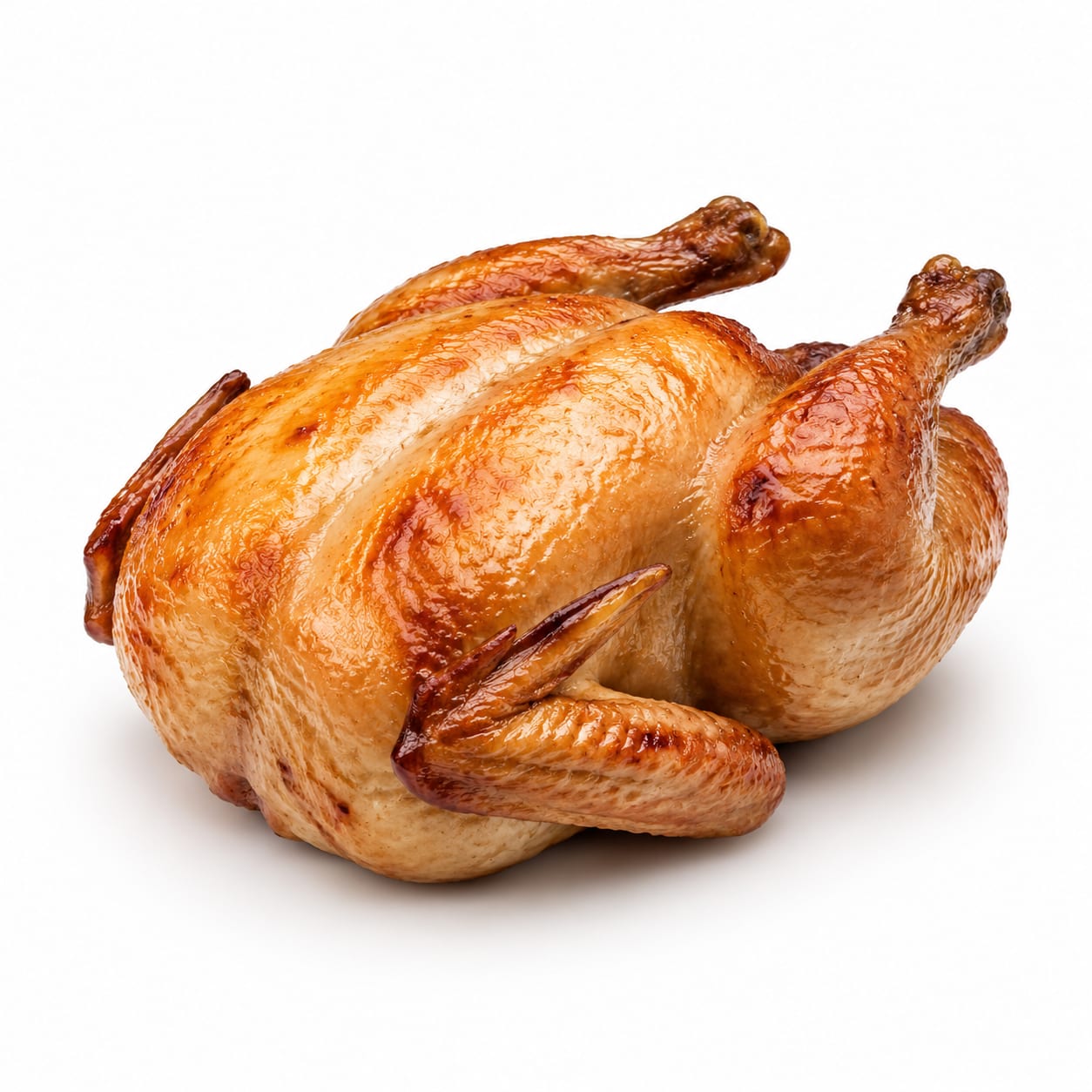
Capon
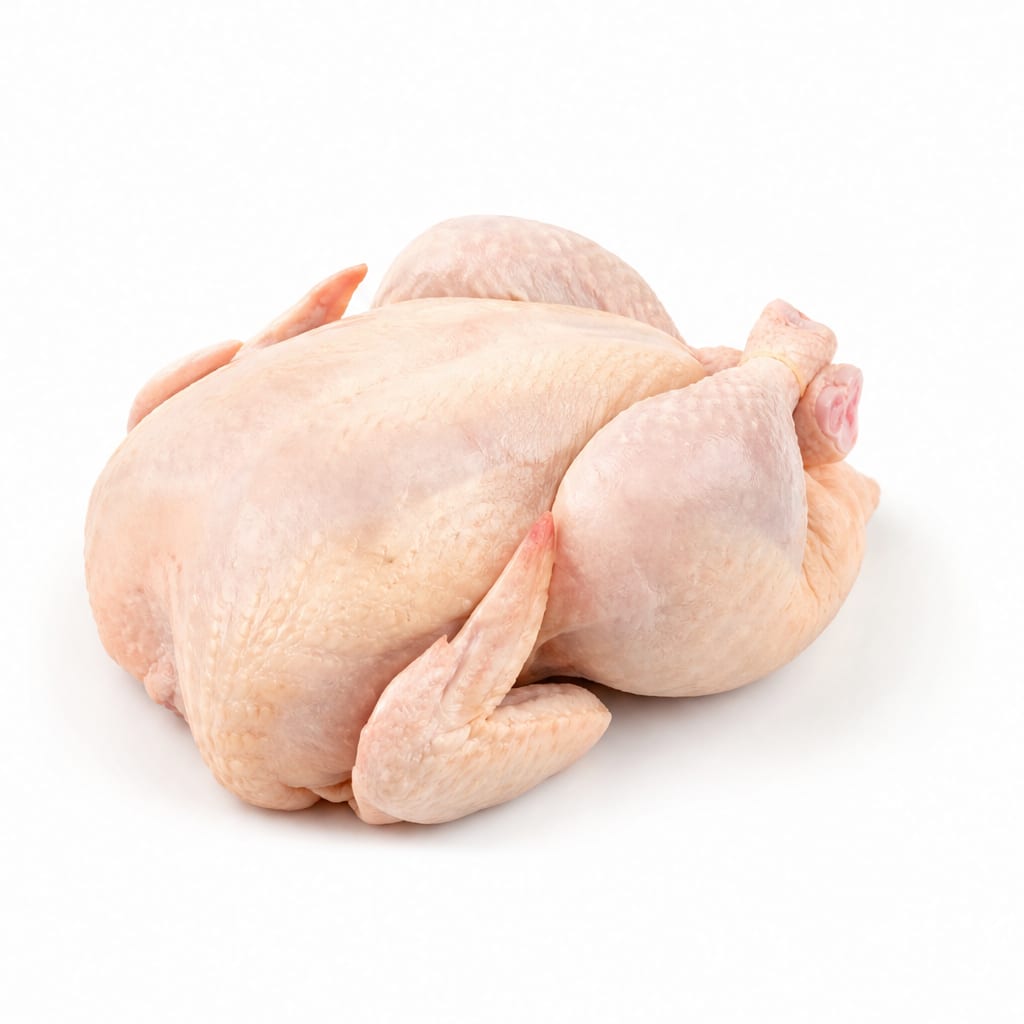
Cornish Hen
Cornish Hen wins for everyday lean eating; Capon delivers richer flavor for special occasions but carries a heavier calorie load.
Cornish Hen scores higher overall due to leanness, portion control, and everyday practicality. Capon remains valuable for specific culinary contexts but its higher fat and limited availability reduce everyday utility.
Capon offers more tender, flavorful meat with higher fat, while Cornish Hen provides leaner protein with built-in portion control.
At a glance
Executive summary
Overall
It depends
Healthier
Cornish Hen
More practical
Cornish Hen
Daily use
Cornish Hen
Key comparison lenses
fat and calorie comparison for health-conscious poultry selection
Capon is deliberately fattened, making calorie density the most critical differentiator
portion control and meal planning practicality
Cornish Hen's small size naturally limits portions while Capon encourages larger servings
everyday vs special occasion suitability
Capon is a specialty holiday bird while Cornish Hen fits routine weeknight cooking
protein quality and leanness for fitness goals
Both deliver high-quality protein but fat content differs significantly
availability and cost considerations
Capon is harder to source and more expensive, impacting real-world decisions
Best choice for
Capon
- Holiday feasts where richness and tradition matter
- Those wanting ultra-tender, flavorful poultry without added butter
- Special occasion cooking where calorie density is acceptable
- People who find lean poultry dry and unsatisfying
Cornish Hen
- Weeknight dinners with lean protein goals
- Weight management and calorie-controlled meal plans
- Individual servings without leftovers or overeating risk
- Those who prefer lighter, cleaner-tasting poultry
Least suitable for
Capon
- Daily consumption during calorie-cutting phases
- Those monitoring saturated fat intake closely
- Budget-conscious weekly meal prep
- People who struggle with portion control around rich foods
Cornish Hen
- Large gatherings where one bird must feed many people
- Those seeking rich, indulgent flavor profiles
- Recipes relying on rendered poultry fat for depth
- Diners who find lean breast meat unappealing
Deep comparison
Dimension by dimension
Each lens scores both foods and breaks down who each option suits.
- Dimension 1 · Priority 95Cornish Hen
Calorie Density and Leanness
Capon · 45Cornish Hen · 88Cornish Hen is significantly leaner, with roughly half the fat calories per serving compared to Capon.
Tradeoff
Capon's fat creates tenderness and flavor that lean Cornish Hen cannot match without added cooking fats.
Why it matters
For anyone tracking calories or saturated fat, this difference compounds quickly across weekly meals.
Real-world impact
A Capon dinner can easily run 200-300 more calories than a Cornish Hen meal, which adds up over holiday seasons.
Capon
- Those who find lean meat unsatisfying and end up snacking later
- Cold-weather meals where richer food feels appropriate
Better for
- Cutting phases where calorie density works against you
- Heart-health-conscious eaters limiting saturated fat
Worse for
Cornish Hen
- Consistent calorie management without tedious tracking
- Lean protein diets where every gram of fat matters
Better for
- Meals where lean meat feels like a sacrifice rather than a choice
- Those who compensate for lean meat by adding heavy sauces
Worse for
- Dimension 2 · Priority 90Cornish Hen
Portion Control
Capon · 35Cornish Hen · 92Cornish Hen is naturally portion-controlled at roughly 1-2 pounds, while Capon can exceed 7 pounds.
Tradeoff
Capon's size makes it economical for groups but encourages large individual servings and leftovers that extend heavy eating.
Why it matters
Built-in portion boundaries remove willpower from the equation, making healthy eating effortless.
Real-world impact
One Cornish Hen per person means no second-helping debates. A Capon carved at the table invites going back for more.
Capon
- Feeding families where leftovers are valued
- Meal prep scenarios where one cook provides multiple meals
Better for
- People who eat more when large quantities are visible
- Small households where excess food gets wasted or overconsumed
Worse for
Cornish Hen
- Solo diners or couples wanting exact portions
- Anyone who struggles with stopping at one serving
Better for
- Large families needing multiple birds per meal, increasing cost
Worse for
- Dimension 3 · Priority 82Cornish Hen
Protein Quality
Capon · 72Cornish Hen · 86Both provide excellent complete protein, but Cornish Hen delivers more protein per calorie due to lower fat content.
Tradeoff
Capon's protein is surrounded by more fat calories, meaning you consume more total energy to get the same protein amount.
Why it matters
For muscle maintenance and satiety, protein-per-calorie ratio matters more than absolute protein content.
Real-world impact
Post-workout, a Cornish Hen breast gives you lean recovery protein without the fat slowdown. Capon works but feels heavier.
Capon
- Endurance athletes needing calorie-dense recovery meals
- People with small appetites who need energy density
Better for
- Lean bulking where fat calories displace protein targets
- Athletes tracking macros precisely
Worse for
Cornish Hen
- Strength training where lean protein is prioritized
- Body recomposition goals requiring high protein, low fat
Better for
- Underweight individuals who benefit from calorie density
Worse for
- Dimension 4 · Priority 80Capon
Flavor and Culinary Satisfaction
Capon · 91Cornish Hen · 62Capon is prized for exceptionally tender, flavorful meat that tastes richer without any added seasoning or fat.
Tradeoff
That flavor comes from intramuscular fat, which is exactly what makes it less ideal for regular health-conscious eating.
Why it matters
Enjoyment drives dietary adherence. Food that tastes better can make healthy eating sustainable—or derail it entirely.
Real-world impact
A simply roasted Capon tastes luxurious with just salt. Cornish Hen often needs butter, herbs, or sauce to reach similar satisfaction.
Capon
- Special meals where food should feel celebratory without extra work
- Those who appreciate subtle poultry flavor without heavy seasoning
Better for
- Diners who find rich poultry heavy after a few bites
- Hot-weather meals where lighter fare feels right
Worse for
Cornish Hen
- Cooks who enjoy creative seasoning and sauce work
- Those who prefer a clean canvas for bold flavors
Better for
- Those disappointed by mild flavor in unadorned poultry
- Traditionalists expecting rich bird taste
Worse for
- Dimension 5 · Priority 78Cornish Hen
Availability and Practicality
Capon · 30Cornish Hen · 85Cornish Hen is available year-round in most grocery stores. Capon is seasonal, specialty, and often requires advance ordering.
Tradeoff
Capon's scarcity makes it special but impractical for routine meal planning.
Why it matters
The healthiest food is the one you can actually buy and cook consistently.
Real-world impact
You can grab a Cornish Hen on any Tuesday. Finding a Capon might require a specialty butcher and days of notice.
Capon
- Planned holiday meals with advance preparation
- Cooks near specialty butchers or farms
Better for
- Last-minute meal needs
- Rural areas with limited specialty meat access
Worse for
Cornish Hen
- Spontaneous weeknight cooking
- Anyone without access to specialty poultry suppliers
Better for
- Cooks specifically seeking rare or heritage poultry experiences
Worse for
- Dimension 6 · Priority 76It depends
Satiety and Fullness
Capon · 78Cornish Hen · 74Capon's higher fat content provides longer-lasting fullness, while Cornish Hen's protein density creates solid but lighter satiety.
Tradeoff
Capon keeps you fuller longer but may feel uncomfortably heavy. Cornish Hen satisfies without the food coma.
Why it matters
The right satiety profile depends on when and why you're eating.
Real-world impact
Capon after lunch might leave you sluggish at 3pm. Cornish Hen keeps you satisfied and alert through the afternoon.
Capon
- Late dinners where sustained fullness prevents late-night snacking
- Active days where heavier meals provide lasting energy
Better for
- Sedentary evenings where heavy meals disrupt sleep
- Those who experience sluggishness after fatty meals
Worse for
Cornish Hen
- Lunchtime meals where you need energy afterward
- Those who dislike feeling overly full
Better for
- People who get hungry again within 2-3 hours of lean meals
Worse for
Timeline
Health impact over time
Short-term
Hours to days
Capon
- Higher fat content slows digestion, providing sustained energy but potential post-meal heaviness
- Rich flavor triggers stronger satisfaction signals, reducing desire for dessert
- Larger serving sizes may lead to uncomfortable fullness if portions aren't managed
Cornish Hen
- Lean protein digests efficiently without sluggishness, ideal for active periods
- Smaller portions may leave big eaters wanting more within a few hours
- Lighter meal feel supports afternoon productivity and evening comfort
Long-term
Months to years
Capon
- Regular consumption increases saturated fat intake, which may impact cardiovascular markers over time
- Higher calorie density can contribute to gradual weight gain if portions aren't controlled
- Occasional holiday-style consumption poses minimal long-term risk for healthy individuals
Cornish Hen
- Consistent lean protein intake supports muscle maintenance and healthy body composition
- Lower fat profile aligns with heart-healthy dietary patterns when prepared simply
- Built-in portion control helps maintain stable eating patterns without rigid tracking
Risk profile
Safety & processing
Both Capon and Cornish Hen are whole, minimally processed poultry. The main difference is agricultural: Capon's fattening process is a traditional husbandry practice, not a processing step. Neither typically contains additives when sold fresh.
Capon
Improper handling of large bird
mediumCapon's size means longer cooking times and greater risk of uneven doneness, especially near the thigh joints.
Hormone and antibiotic residues
lowCapon production involves hormonal alteration for fattening. While regulated, sourcing from reputable producers matters.
Cornish Hen
Undercooking due to small size assumptions
mediumSmall birds can still harbor salmonella. Internal temperature must reach 165°F regardless of size.
Processing facility contamination
lowCornish Hens are commercially processed at scale, so standard poultry contamination risks apply.
Who wins for whom
Audience fit
Same foods, different winners depending on your goal.
children
Cornish HenSmaller portions match children's appetites, and leaner protein supports healthy growth patterns.
daily consumption
Cornish HenAvailability, leanness, portion control, and affordability make Cornish Hen realistic for regular meals.
diabetes
Cornish HenLower saturated fat content aligns better with cardiovascular risk management in diabetes, though both are zero-carb.
elderly
Cornish HenEasier to digest, lighter on the stomach, and appropriate portion sizes for smaller appetites.
muscle gain
Cornish HenHigher protein-per-calorie ratio supports lean muscle building without excess fat calories.
weight loss
Cornish HenCornish Hen's lower calorie density and built-in portion control make it far easier to fit into a calorie deficit.
Your move
Decision guide
Choose Capon
- You're planning a holiday meal and want something memorable without extra butter
- Rich, tender poultry is worth the extra calories for your enjoyment
- You're feeding a group and want one impressive centerpiece
- You find lean poultry unsatisfying and end up overeating elsewhere
Choose Cornish Hen
- You want lean protein for daily meals without thinking about it
- Portion control is a priority and built-in boundaries help you
- You're managing calories, saturated fat, or heart health markers
- You need something you can buy any day of the week without planning
Either works if
- You're comfortable managing portions and calorie tracking manually
- Both fit your budget and you're choosing based on the occasion
- You rotate proteins regularly and neither will dominate your diet
Avoid both if
- You follow a plant-based or vegetarian diet
- You have poultry allergies or sensitivities
- You're strictly limiting all animal protein for kidney or gout management
Final recommendation
Make Cornish Hen your everyday poultry and save Capon for occasions that call for something special. The health gap isn't dramatic for occasional meals, but the daily habit gap is significant. If you eat poultry multiple times per week, leaning toward Cornish Hen keeps your baseline lean and sustainable.
Practical
Consumer tips
- 1
Ask your butcher about Capon sourcing—hormone-free and pasture-raised options are worth the premium
- 2
Cornish Hens cook quickly; use a meat thermometer to avoid drying out the breast while waiting for thighs to finish
- 3
If choosing Capon for a gathering, plan for smaller servings per person since the richness is more filling
- 4
Both birds benefit from brining, but Cornish Hen especially gains moisture and flavor from a simple salt brine
- 5
Compare price per pound carefully—Capon's higher cost per pound plus higher fat means less edible lean meat per dollar
- 6
For meal prep, Cornish Hen portions freeze and reheat better since lean meat holds texture longer