
Nutrition comparison
Capon vs Chicken Thigh: Which Is Better for Health, Flavor, and Value?
Compare capon and chicken thigh on protein, fat, cost, taste, and ethics. Find out which poultry is better for meal prep, weight loss, and special occasions.
Overall winner · Chicken Thigh
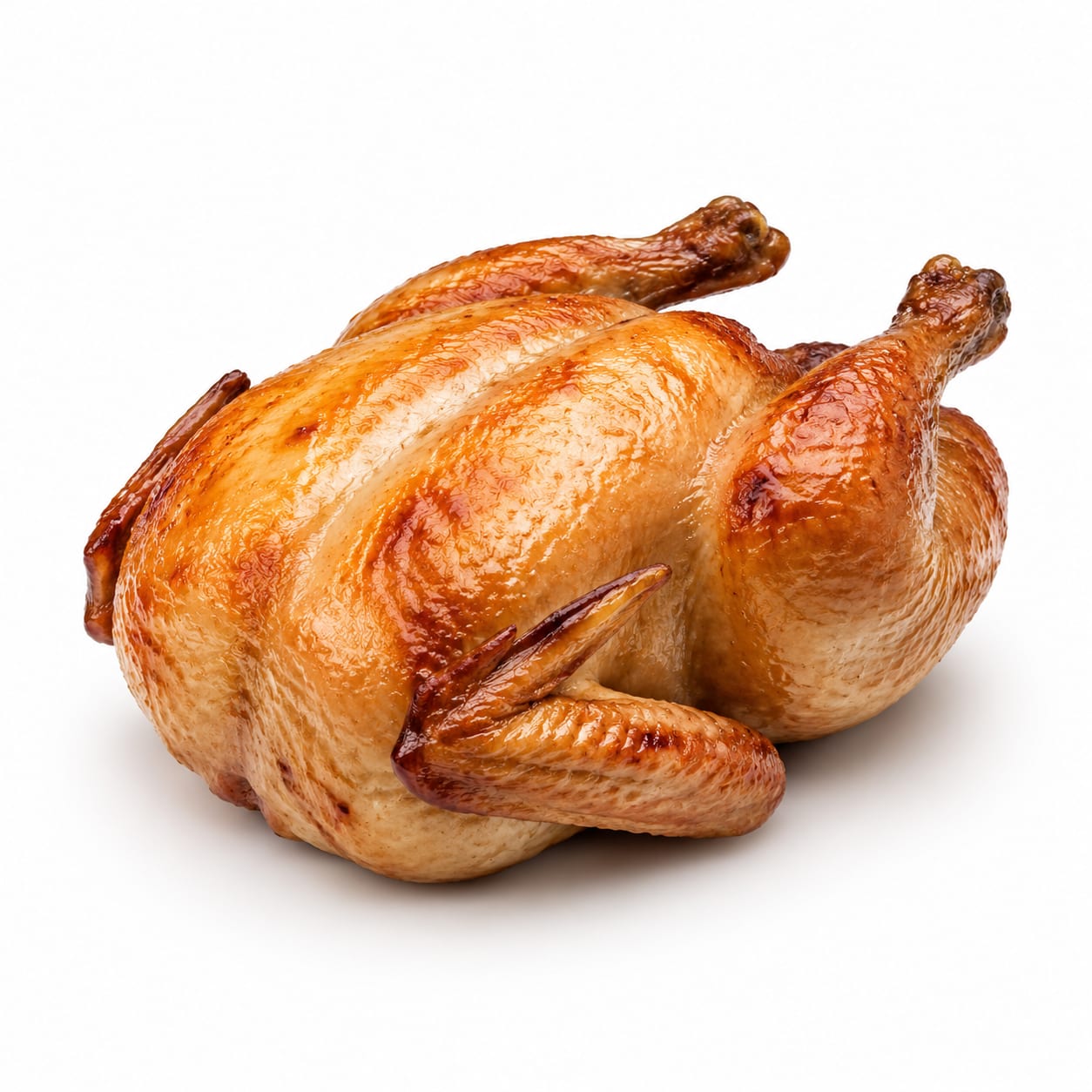
Capon
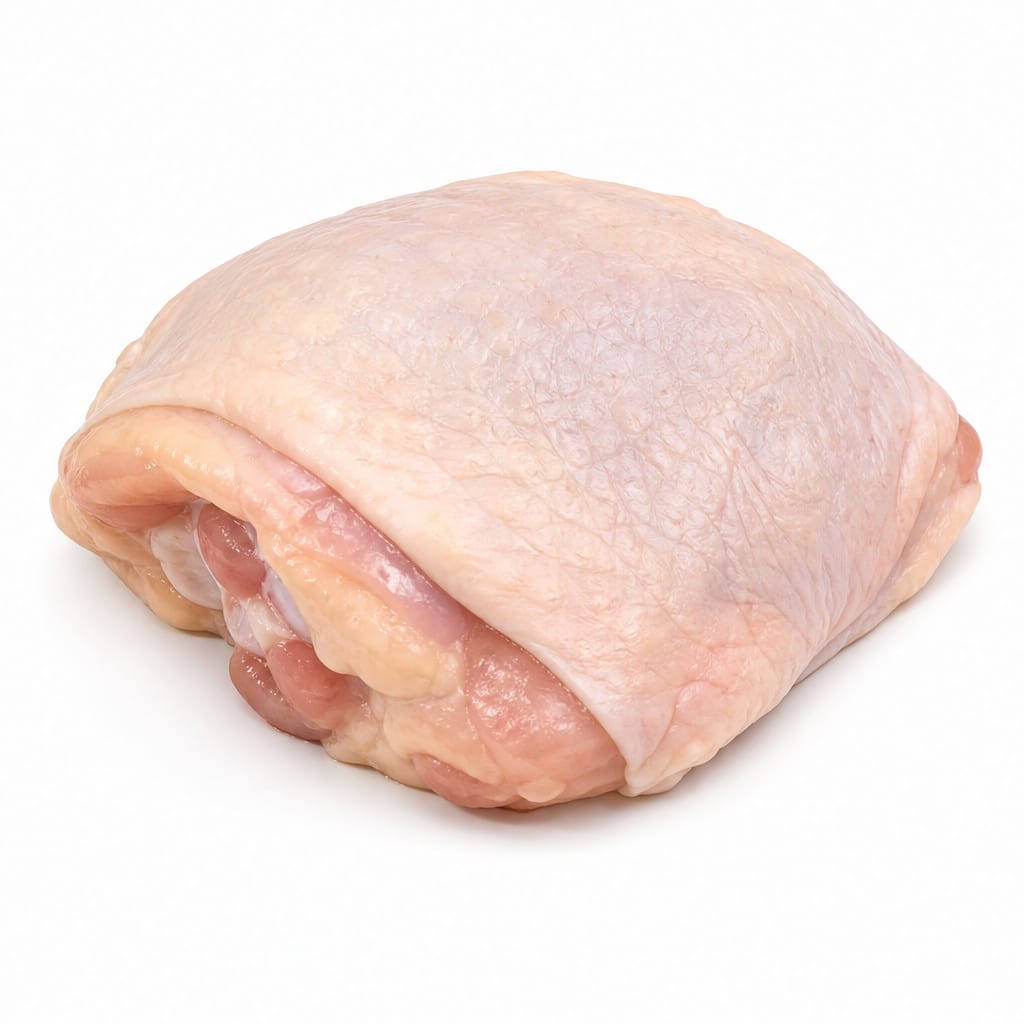
Chicken Thigh
Chicken thigh wins for everyday eating with better protein-to-fat ratio, lower cost, and wider availability. Capon is a luxurious occasional treat with richer flavor but poorer macros and ethical concerns.
Chicken thigh scores notably higher due to superior practicality, better protein-to-fat ratio, lower cost, and fewer ethical concerns. Capon's richness and tenderness are genuine advantages but too narrow for most everyday decisions.
Capon delivers a more tender, indulgent eating experience but costs more, carries more fat, and raises animal welfare questions. Chicken thigh is the pragmatic choice that still tastes great.
At a glance
Executive summary
Overall
Chicken Thigh
Healthier
Chicken Thigh
More practical
Chicken Thigh
Daily use
Chicken Thigh
Key comparison lenses
protein quality and leanness comparison
Both are poultry but differ significantly in fat-to-protein ratio, affecting fitness and health goals
everyday practicality and accessibility
Capon is a specialty item with limited availability while chicken thigh is a grocery staple
flavor vs leanness tradeoff
Capon offers richer taste from higher fat content, chicken thigh delivers strong flavor with better macros
cost and sustainability for regular consumption
Capon is significantly more expensive and less sustainable for daily eating
animal welfare and ethical considerations
Capon production involves castration which raises welfare concerns many consumers care about
Best choice for
Capon
- Holiday feasts and special occasions
- Culinary enthusiasts seeking traditional European recipes
- Diners prioritizing maximum tenderness and richness
Chicken Thigh
- Weekly meal prep and batch cooking
- High-protein diets on a budget
- Families needing affordable, versatile protein
Least suitable for
Capon
- Budget-conscious households
- Those avoiding high-fat meats
- Consumers concerned about animal welfare practices
Chicken Thigh
- Diners seeking an ultra-premium or novel experience
- Recipes specifically requiring capon's unique texture
- Those who strongly prefer white meat's milder flavor
Deep comparison
Dimension by dimension
Each lens scores both foods and breaks down who each option suits.
- Dimension 1 · Priority 93Chicken Thigh
protein density and quality
Capon · 68Chicken Thigh · 86Chicken thigh delivers more protein per calorie and per gram, making it more efficient for muscle maintenance and satiety.
Tradeoff
Capon's protein is still high quality but comes packaged with significantly more fat, diluting protein density.
Why it matters
If you are tracking macros or trying to hit protein targets without overshooting calories, chicken thigh gets you there faster.
Real-world impact
A 6oz serving of chicken thigh gives you roughly 40g protein with moderate fat. The same capon portion adds 8-12g extra fat for similar protein.
Capon
- Meals where caloric richness is desired
- Traditional recipes where fat contributes to dish quality
Better for
- Strict macro counting
- Low-fat dietary protocols
Worse for
Chicken Thigh
- Post-workout meals needing lean protein
- Cutting phases where every gram of fat matters
Better for
- Dishes that benefit from self-basting fat
- Slow roasts where fat keeps meat moist over long cooks
Worse for
- Dimension 2 · Priority 88Chicken Thigh
fat content and calorie density
Capon · 45Chicken Thigh · 72Capon is notably fattier, pushing calories higher without adding nutritional value beyond flavor and mouthfeel.
Tradeoff
More fat means richer taste and juicier meat, but also more calories that can quietly add up in portion-controlled diets.
Why it matters
Fat calories are easy to underestimate. Capon's extra 5-8g fat per serving can mean 50-70 extra calories that do not increase fullness proportionally.
Real-world impact
Eating capon twice a week instead of chicken thigh could add 500+ calories monthly without noticing a difference in satiety.
Capon
- Celebratory meals where indulgence is the point
- Cold weather dishes where richness feels appropriate
Better for
- Calorie-restricted diets
- People managing heart health through fat intake
Worse for
Chicken Thigh
- Weight management eating patterns
- Balanced plates where protein is the star, not fat
Better for
- Those who find lean meats unsatisfying and end up overeating later
Worse for
- Dimension 3 · Priority 82Capon
flavor and eating satisfaction
Capon · 90Chicken Thigh · 80Capon is prized for exceptionally tender, flavorful meat that feels luxurious. Chicken thigh is flavorful for everyday poultry but less remarkable.
Tradeoff
Capon's superior eating experience comes with higher cost and limited availability, making it impractical as a regular protein source.
Why it matters
Enjoyment matters for dietary adherence. But the gap between capon and a well-cooked chicken thigh is smaller than the price gap suggests.
Real-world impact
A properly brined and roasted chicken thigh satisfies most cravings. Capon elevates a meal but rarely justifies its premium for a Tuesday dinner.
Capon
- Dinner parties where you want to impress
- Holiday meals where tradition matters
Better for
- Casual weeknight meals where the nuance is lost
- Heavily sauced dishes that mask the meat quality
Worse for
Chicken Thigh
- Curries, stews, and braises where seasoning dominates
- Grilled preparations where marinade carries flavor
Better for
- Plated roasts where the meat stands alone
- Comparisons with premium poultry at fine dining
Worse for
- Dimension 4 · Priority 90Chicken Thigh
cost and accessibility
Capon · 25Chicken Thigh · 92Chicken thigh is one of the most affordable proteins available anywhere. Capon is a specialty item that many stores do not carry and costs 3-5 times more per pound.
Tradeoff
Capon's exclusivity is part of its appeal, but it makes regular consumption unrealistic for most households.
Why it matters
The best protein source is the one you can consistently afford and find. Chicken thigh wins this decisively.
Real-world impact
Chicken thigh at $2-4/lb versus capon at $8-15/lb means a family of four saves $20-40 per meal choosing chicken thigh.
Capon
- Special occasions where cost is secondary
- Gourmet cooking as a hobby
Better for
- Feeding a family on a budget
- Consistent weekly protein planning
Worse for
Chicken Thigh
- Weekly grocery budgets
- Bulk meal prep
- Students and young professionals
Better for
- Seeking a unique culinary experience
- Traditional European holiday recipes
Worse for
- Dimension 5 · Priority 75Chicken Thigh
animal welfare and ethical concerns
Capon · 30Chicken Thigh · 65Capon production requires surgical castration of male chicks, a practice banned in several countries. Standard chicken thigh production has its own welfare issues but avoids this specific procedure.
Tradeoff
Both involve industrial poultry farming concerns, but capon adds an extra layer of ethical complexity many consumers are unaware of.
Why it matters
If animal welfare influences your purchasing, capon represents a harder choice. Even welfare-certified chicken thigh is easier to source.
Real-world impact
Many European countries have banned or restricted caponization. Consumers seeking ethically raised poultry have far more options with chicken thigh.
Capon
- Diners who prioritize culinary tradition over welfare specifics
Better for
- Anyone who researches how their meat is produced
- Diners seeking welfare-certified poultry
Worse for
Chicken Thigh
- Conscious consumers seeking certified humane options
- Those who want transparency in sourcing
Better for
- Comparisons with pasture-raised or organic alternatives
Worse for
Timeline
Health impact over time
Short-term
Hours to days
Capon
- Higher fat content provides longer-lasting fullness after eating
- Richer meal may cause sluggishness in some people
- More satisfying eating experience reduces post-meal snacking urge
Chicken Thigh
- Better protein-to-calorie ratio supports steady energy without heaviness
- Easier to portion control due to lower calorie density
- Familiar digestion profile with minimal surprise reactions
Long-term
Months to years
Capon
- Regular consumption would significantly increase saturated fat and calorie intake
- Higher fat intake may impact cardiovascular markers if eaten frequently
- Limited availability naturally prevents overconsumption, which is protective
Chicken Thigh
- Consistent lean protein intake supports muscle preservation and metabolic health
- Affordability enables long-term dietary adherence
- Dark meat provides more iron and zinc than breast, supporting long-term micronutrient needs
Risk profile
Safety & processing
Both capon and chicken thigh are whole, minimally processed meats. The main difference is not processing but production method. Capon's castration procedure is a physical intervention, not a chemical one, but it does affect the animal's hormonal profile and resulting meat composition.
Capon
Hormonal residue concerns
lowCaponization alters natural hormone levels. While not an additive, some consumers prefer to avoid meat from hormonally altered animals.
Improper handling due to unfamiliarity
mediumHome cooks less familiar with capon may undercook or improperly store this specialty item, increasing foodborne illness risk.
Standard poultry contamination
mediumLike all raw poultry, capon carries Salmonella and Campylobacter risk requiring proper cooking to 165°F.
Chicken Thigh
Standard poultry contamination
mediumRaw chicken thigh is a well-documented source of Salmonella and Campylobacter. Safe handling and cooking are essential.
Antibiotic residue in conventional farming
mediumConventionally raised chicken may carry antibiotic residues. Choosing organic or antibiotic-free reduces this concern.
Skin-on preparation fat load
lowLeaving skin on chicken thigh significantly increases fat and calorie intake, which is a dietary rather than safety concern.
Who wins for whom
Audience fit
Same foods, different winners depending on your goal.
children
Chicken ThighChicken thigh is familiar, affordable, and easy to prepare in kid-friendly ways. Capon's richer taste and higher fat are unnecessary for most children.
daily consumption
Chicken ThighAffordability, availability, and balanced macros make chicken thigh one of the best daily protein sources. Capon is best reserved for occasional use.
diabetes
Chicken ThighBoth are zero-carb proteins, but chicken thigh's lower fat content supports better insulin sensitivity and cardiovascular health alongside diabetes management.
elderly
Chicken ThighOlder adults benefit from chicken thigh's protein density for sarcopenia prevention, and its easier portion control helps manage calorie intake.
muscle gain
Chicken ThighHigher protein density and lower cost per gram of protein make chicken thigh more practical for the higher intake needed for muscle building.
weight loss
Chicken ThighChicken thigh provides more protein per calorie, making it easier to stay within calorie targets while maintaining satiety and muscle mass.
Your move
Decision guide
Choose Capon
- You are hosting a holiday dinner and want a showpiece roast
- You are exploring traditional European cuisine and authenticity matters
- Budget is not a concern and you want the most indulgent poultry experience
Choose Chicken Thigh
- You need a reliable, affordable weekly protein source
- You are tracking macros or managing your weight
- You want the best flavor-to-cost ratio in poultry
- You care about animal welfare and want more certified options
- You meal prep and need consistent availability
Either works if
- You simply want a satisfying dark meat poultry dish
- You are cooking a braise or stew where the differences fade into the sauce
- Both are available and cost is not a factor today
Avoid both if
- You follow a plant-based or vegetarian diet
- You have a poultry allergy
- You need extremely low-fat protein and should consider chicken breast or fish instead
Final recommendation
Chicken thigh is the clear choice for regular eating. It delivers excellent flavor, strong protein content, and unbeatable value. Save capon for the rare occasion when you want to splurge on something special, and even then, know that a well-roasted chicken thigh with good technique comes surprisingly close in satisfaction.
Practical
Consumer tips
- 1
Brining chicken thigh for 30 minutes in salted water dramatically improves juiciness, narrowing the tenderness gap with capon
- 2
If you do buy capon, treat it as a roasting centerpiece and skip heavy sauces that mask its delicate flavor
- 3
For chicken thigh, removing the skin saves 5-8g fat per serving while keeping the rich dark meat taste
- 4
Check for air-chilled chicken thigh when available — it absorbs marinades better and has better texture than water-chilled
- 5
Capon is most commonly available around Thanksgiving and Christmas; plan ahead if you want to try it