
Nutrition comparison
Capon vs Chicken Breast: Nutrition, Taste, and Health Comparison
Comparing capon and chicken breast? Discover the nutritional differences, flavor profiles, and which lean protein is best for your diet and cooking needs.
Overall winner · Chicken Breast
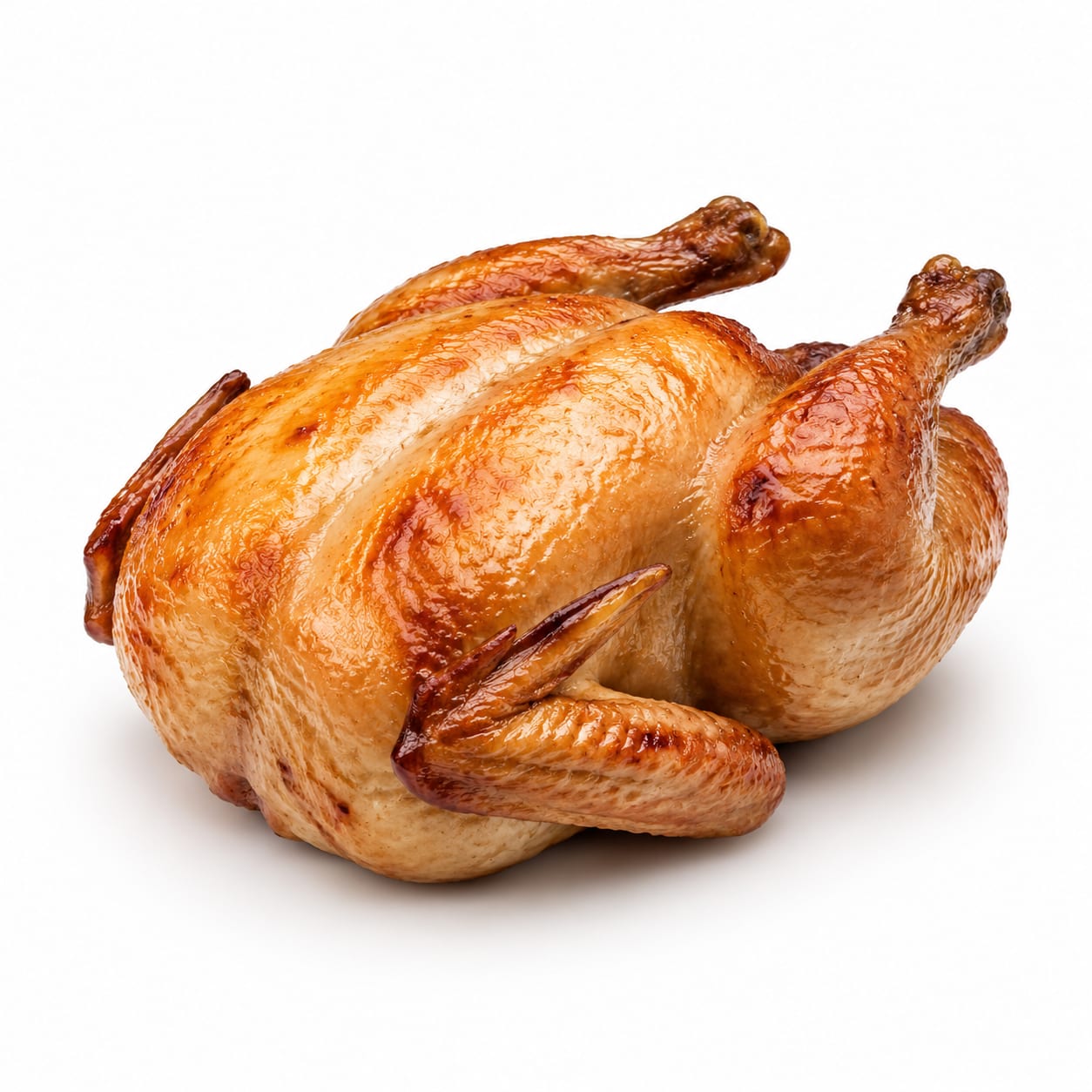
Capon
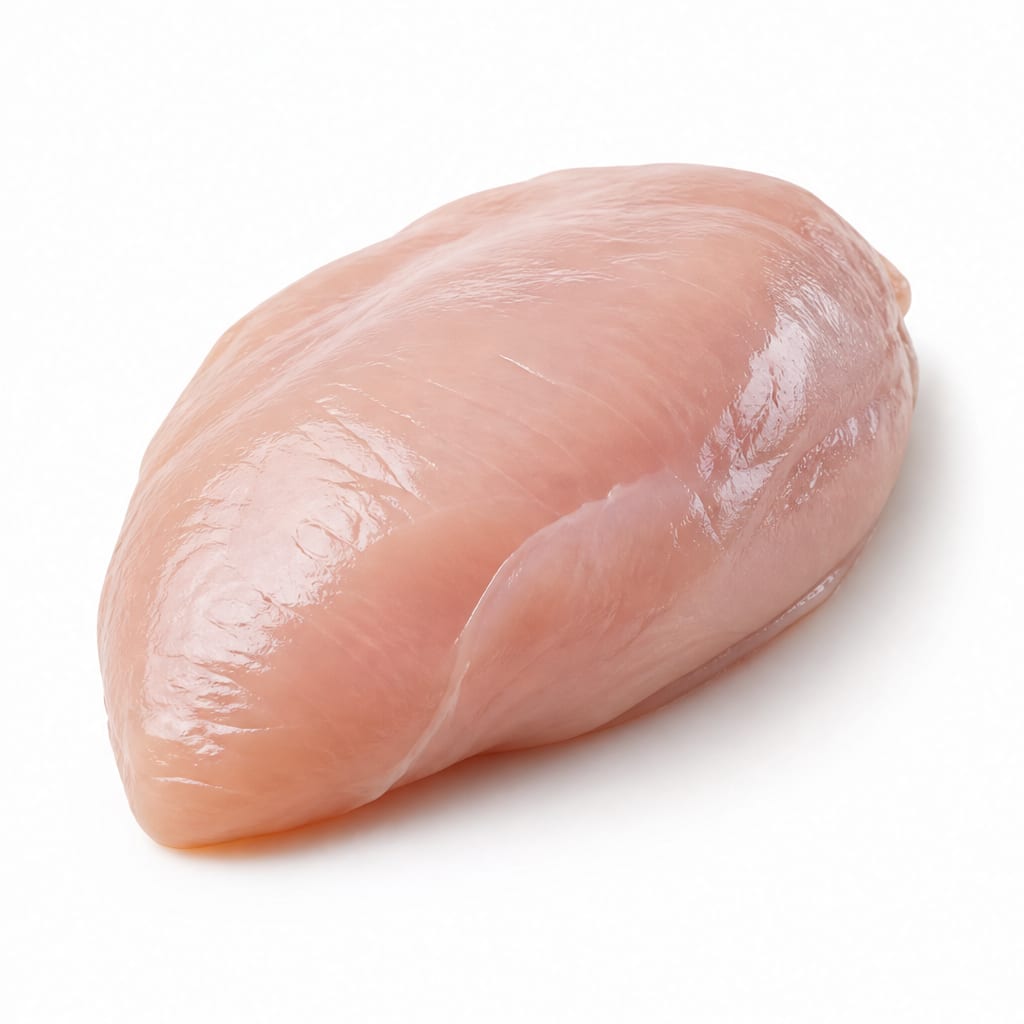
Chicken Breast
Chicken breast is the lean, protein-packed daily staple, while capon is a richer, fattier celebratory bird best enjoyed occasionally.
Chicken breast scores significantly higher due to its superior protein-to-calorie ratio, everyday affordability, and versatility. Capon scores lower for daily health metrics but remains a high-quality choice for special culinary occasions.
You trade the deep flavor and natural juiciness of capon for the low-calorie, high-protein efficiency of chicken breast.
At a glance
Executive summary
Overall
Chicken Breast
Healthier
Chicken Breast
More practical
Chicken Breast
Daily use
Chicken Breast
Key comparison lenses
Fat and calorie density for weight management
Capon is significantly fattier and more calorie-dense than chicken breast, making portion control critical.
Protein leverage and muscle building
Chicken breast is a bodybuilding staple for its pure protein content, while capon trades some protein for fat.
Culinary experience and moisture
Capon is prized for tender, juicy meat that doesn't dry out, solving the main complaint about chicken breast.
Everyday practicality and cost
Chicken breast is a cheap, everyday staple, whereas capon is a seasonal, premium specialty item.
Best choice for
Capon
- Special occasion roasts
- Fans of rich, juicy dark meat texture
- Low-carb or keto diets needing higher fat
Chicken Breast
- Daily meal prep
- Strict calorie and macro tracking
- Lean muscle building
Least suitable for
Capon
- Aggressive fat-loss diets
- Tight grocery budgets
- Quick weeknight cooking
Chicken Breast
- Elegant dinner parties requiring a show-stopping roast
- Those who find lean meat too dry or bland
Deep comparison
Dimension by dimension
Each lens scores both foods and breaks down who each option suits.
- Dimension 1 · Priority 95Chicken Breast
Protein Density & Muscle Building
Capon · 55Chicken Breast · 98Chicken breast delivers far more protein per calorie, making it the gold standard for muscle repair and growth.
Tradeoff
Capon provides less protein per serving because a larger portion of its calories come from fat instead of muscle-building amino acids.
Why it matters
If you are eating to hit a protein target without blowing past your calorie limit, chicken breast gets you there much faster.
Real-world impact
A post-workout chicken breast meal fills you up and repairs muscle without leaving you sluggish. Capon feels heavier and sets you back on calories for the same protein hit.
Capon
- Keto dieters needing moderate protein with higher fat
Better for
- Lean bulking on a calorie budget
Worse for
Chicken Breast
- Bodybuilders
- Athletes in a cutting phase
- Anyone tracking macros
Better for
- Those who struggle to eat enough fat on low-carb diets
Worse for
- Dimension 2 · Priority 90Chicken Breast
Fat Content & Calorie Density
Capon · 40Chicken Breast · 95Chicken breast is ultra-lean with minimal fat, while capon is naturally much fattier due to how the bird is raised.
Tradeoff
Capon's fat gives it incredible richness and moisture, but it drastically increases the calorie count per ounce.
Why it matters
Higher fat content makes it very easy to accidentally overeat calories, even though the food feels incredibly satisfying.
Real-world impact
Eating capon feels like a treat—rich and comforting. Eating chicken breast feels light and keeps your daily calorie budget easily on track.
Capon
- High-calorie bulking phases
- Low-carb and keto lifestyles
Better for
- Strict calorie restriction
Worse for
Chicken Breast
- Weight loss diets
- Heart-healthy eating plans
Better for
- Those needing energy-dense foods to gain weight
Worse for
- Dimension 3 · Priority 85Capon
Culinary Experience & Tenderness
Capon · 95Chicken Breast · 60Capon is famously tender, juicy, and flavorful, while chicken breast is notoriously easy to overcook and dry out.
Tradeoff
You sacrifice the forgiving, luxurious cooking experience of capon for the lean efficiency of chicken breast.
Why it matters
Dry chicken breast can ruin a meal and make healthy eating feel like a chore. Capon practically guarantees a moist, enjoyable dish.
Real-world impact
Roasting a capon for a Sunday dinner yields effortless, juicy leftovers. Chicken breast requires careful timing or marinades to avoid turning chalky.
Capon
- Holiday feasts
- Roasting whole birds
- Impressing dinner guests
Better for
- Fast weeknight cooking
Worse for
Chicken Breast
- Quick stir-fries
- Meal prep that requires chopping into salads
Better for
- Slow roasting without brining
Worse for
- Dimension 4 · Priority 80Chicken Breast
Practicality & Accessibility
Capon · 25Chicken Breast · 98Chicken breast is cheap and available everywhere. Capon is expensive, seasonal, and hard to find.
Tradeoff
Capon is a premium specialty item requiring effort to source, while chicken breast is the ultimate convenience protein.
Why it matters
A healthy diet needs to be sustainable. Foods that are hard to find or too expensive usually get dropped from weekly routines.
Real-world impact
You can grab chicken breast at any grocery store on a Tuesday. Finding a capon usually requires a specialty butcher and advance planning.
Capon
- Intentional, celebratory cooking
Better for
- Spontaneous weeknight dinners
Worse for
Chicken Breast
- Weekly meal prep
- Budget-friendly diets
- Busy professionals
Better for
- None—this is chicken breast's strongest category
Worse for
- Dimension 5 · Priority 75Chicken Breast
Heart Health & Lipid Profile
Capon · 50Chicken Breast · 90Chicken breast has almost no saturated fat, making it much friendlier for cholesterol and heart health.
Tradeoff
Capon's higher saturated fat content adds flavor but requires moderation to keep cardiovascular risk low.
Why it matters
Frequent consumption of high-fat poultry can raise LDL cholesterol over time, especially if the rest of your diet isn't perfectly clean.
Real-world impact
Eating chicken breast daily supports clean bloodwork. Eating capon daily could quietly push your saturated fat intake over recommended limits.
Capon
- Active individuals who burn through dietary fat easily
Better for
- Sedentary individuals watching heart health
Worse for
Chicken Breast
- People managing high cholesterol
- Those with a family history of heart disease
Better for
- None for heart health
Worse for
Timeline
Health impact over time
Short-term
Hours to days
Capon
- Heavier, more satisfying post-meal feeling
- Slower digestion due to higher fat content
Chicken Breast
- Light, clean energy without sluggishness
- Rapid satiety from high protein volume
Long-term
Months to years
Capon
- Potential weight gain if eaten frequently due to high calorie density
- Possible increase in LDL cholesterol if saturated fat intake isn't managed
Chicken Breast
- Easier maintenance of lean body mass
- Supports long-term cardiovascular health and healthy weight management
Risk profile
Safety & processing
Both capon and chicken breast are whole, minimally processed animal proteins. The main difference lies in the farming method—caponization is a traditional agricultural practice, but both meats are free of artificial additives when sold fresh.
Capon
Hormone and antibiotic residues
mediumCaponization involves altering the bird's hormones, and while synthetic hormones are banned in poultry production in many regions, consumers often worry about the natural hormone shifts and potential antibiotic use in specialty farming.
Standard poultry contamination
mediumLike all raw poultry, capon carries a risk of Salmonella and Campylobacter, requiring strict kitchen hygiene.
Chicken Breast
Standard poultry contamination
mediumRaw chicken breast is a well-known carrier of Salmonella and Campylobacter, requiring proper handling and thorough cooking.
Factory farming antibiotics
mediumConventional chicken breast may come from birds raised with routine antibiotics, though regulations are tightening. Choosing organic or antibiotic-free mitigates this.
Who wins for whom
Audience fit
Same foods, different winners depending on your goal.
children
CaponCapon's richer flavor and juicier texture often appeal more to picky eaters, and children can benefit from the extra calories and fat for growth.
daily consumption
Chicken BreastAffordable, widely available, and perfectly suited for everyday lean protein needs without overloading on fat.
diabetes
Chicken BreastLower fat and calorie density helps with insulin sensitivity and weight management, both critical for diabetes control.
elderly
Chicken BreastChicken breast is easier to digest and better for managing age-related cardiovascular risks and cholesterol.
muscle gain
Chicken BreastThe extremely high protein-to-fat ratio makes hitting daily protein targets much easier without excess calories.
weight loss
Chicken BreastChicken breast offers maximum volume and protein for minimal calories, making it far easier to stay in a deficit.
Your move
Decision guide
Choose Capon
- You are hosting a holiday dinner and want a show-stopping, juicy roast
- You follow a keto or low-carb diet and want poultry with more natural fat
- You find lean meats too dry and prefer richer, more forgiving textures
Choose Chicken Breast
- You meal prep weekly and need a reliable, lean protein base
- You are counting calories or macros for weight loss or muscle gain
- You want an affordable, everyday meat that supports heart health
Either works if
- You simply need a high-quality animal protein and can adjust your daily fat intake accordingly
Avoid both if
- You follow a plant-based or vegetarian diet
- You have a severe poultry allergy
Final recommendation
Keep chicken breast as your daily workhorse for its unbeatable protein density and leanness. Save capon for special occasions where its rich flavor and tender texture can truly shine without compromising your regular health goals.
Practical
Consumer tips
- 1
Brine your chicken breast to drastically improve moisture and mimic the juiciness of capon.
- 2
If cooking capon, skim the fat from the pan drippings to make a lighter, healthier gravy.
- 3
Look for air-chilled chicken breast to avoid the added sodium of water-chilled poultry.
- 4
Always check that your capon is sourced from a reputable butcher to ensure high welfare standards.