
Nutrition comparison
Camembert vs Parmesan: Which Cheese Is Healthier?
Compare Camembert and Parmesan on protein, sodium, calcium, probiotics, and lactose content. Find out which cheese fits your health goals and eating habits.
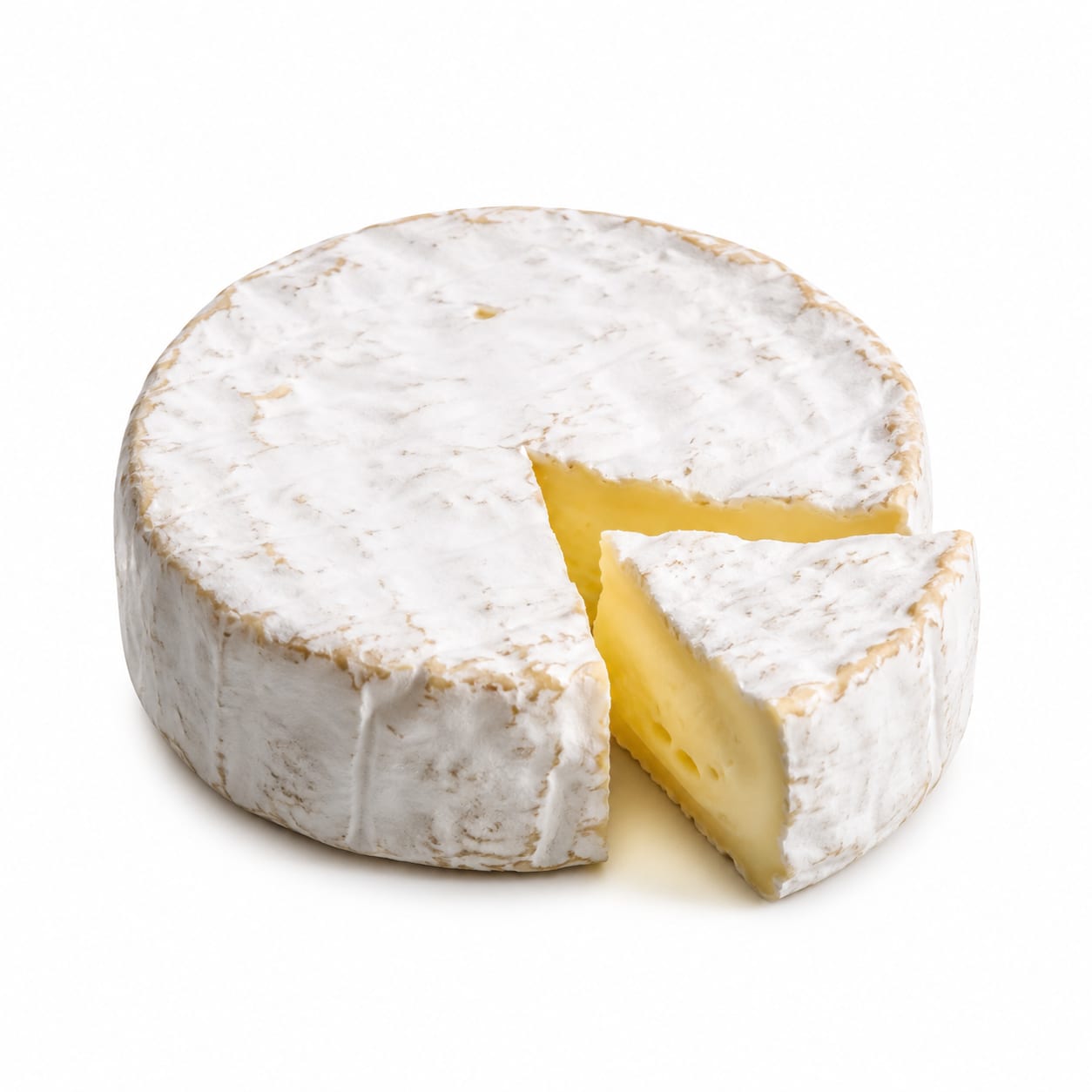
Camembert Cheese
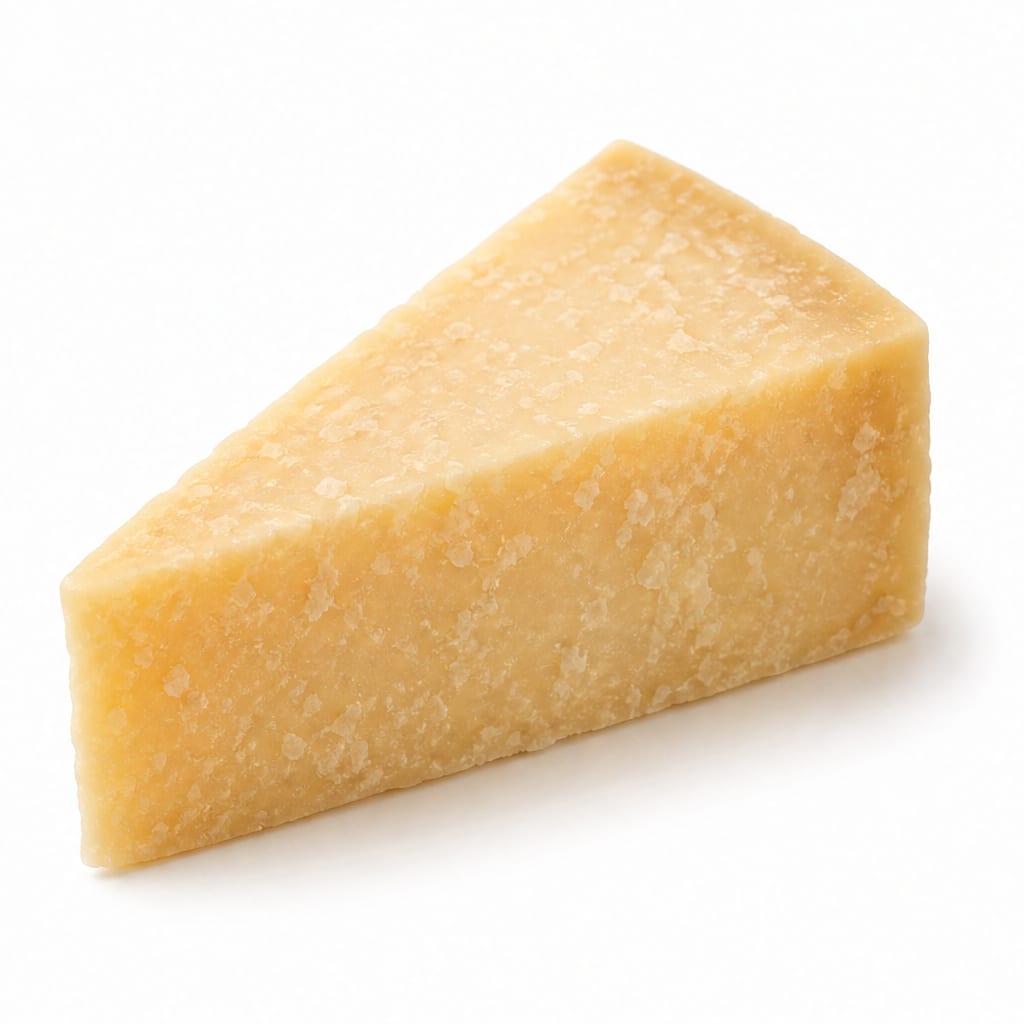
Parmesan
Parmesan is the nutritional powerhouse with more protein and calcium per bite, but Camembert offers probiotics and far less sodium. They serve entirely different purposes on a cheese board.
Parmesan scores higher due to superior protein, calcium, and lactose-friendliness, but the gap narrows because of its very high sodium. Camembert's probiotic edge and lower sodium keep it competitive.
Nutrient density and lactose-friendliness versus lower sodium and gut-friendly probiotics
At a glance
Executive summary
Overall
It depends
Healthier
It depends
More practical
Parmesan
Daily use
Parmesan
Key comparison lenses
Sodium and heart health impact
Parmesan is extremely sodium-dense, which is a major concern for daily consumption and blood pressure management
Protein and calcium density per calorie
Parmesan delivers far more protein and calcium per serving, making it nutritionally concentrated
Probiotic and gut health benefits
Camembert's bloomy rind contains live beneficial cultures that Parmesan lacks due to its long aging
Lactose tolerance and digestibility
Parmesan is virtually lactose-free while Camembert retains some lactose, a key factor for sensitive individuals
Practical usage and portion control
These cheeses serve completely different culinary roles — spreading versus grating — which affects how much people actually consume
Best choice for
Camembert Cheese
- People watching sodium intake
- Those seeking probiotic-rich foods
- Cheese board entertaining and spreading
- Anyone wanting a creamy, satisfying snack
Parmesan
- People needing high protein in small portions
- Lactose-sensitive individuals
- Those maximizing calcium per calorie
- Home cooks needing a versatile flavor enhancer
Least suitable for
Camembert Cheese
- Lactose-intolerant individuals
- People needing long shelf life without waste
- Strict low-fat diets
- Those who struggle with portion control on creamy foods
Parmesan
- People on sodium-restricted diets
- Anyone prone to over-salting meals
- Those seeking a soft, spreadable cheese experience
- Individuals looking for probiotic benefits
Deep comparison
Dimension by dimension
Each lens scores both foods and breaks down who each option suits.
- Dimension 1 · Priority 90Parmesan
Protein Content and Quality
Camembert Cheese · 45Parmesan · 92Parmesan delivers roughly double the protein per serving compared to Camembert, making it far more useful for hitting daily protein targets.
Tradeoff
You get more protein from Parmesan, but its intense flavor limits how much you can eat in one sitting
Why it matters
Protein from dairy is complete and highly absorbable, supporting muscle maintenance and satiety
Real-world impact
A tablespoon of grated Parmesan on your salad adds meaningful protein without feeling heavy; Camembert would need a much larger portion to match it
Camembert Cheese
- Athletes
- Anyone counting protein grams
Worse for
Parmesan
- Post-workout meals
- High-protein diets
- Older adults preserving muscle
Better for
- Dimension 2 · Priority 92Camembert Cheese
Sodium Load
Camembert Cheese · 72Parmesan · 28Camembert contains significantly less sodium than Parmesan, which packs over 400mg per ounce — one of the highest-sodium cheeses available.
Tradeoff
Parmesan's long aging concentrates flavor and sodium alike; Camembert's softer profile is gentler on blood pressure
Why it matters
High sodium intake is a leading driver of hypertension and cardiovascular risk, and cheese is a top source in many diets
Real-world impact
A few heavy-handed shakes of grated Parmesan can quietly add 600mg+ sodium to a pasta dish — a third of your daily limit before you notice
Camembert Cheese
- Hypertension management
- Heart-healthy eating patterns
- Low-sodium diets
Better for
Parmesan
- Blood pressure concerns
- Kidney disease
- Salt-sensitive individuals
Worse for
- Dimension 3 · Priority 85Parmesan
Calcium Density
Camembert Cheese · 48Parmesan · 95Parmesan is one of the most calcium-dense foods on the planet, delivering roughly 330mg per ounce versus Camembert's 110mg.
Tradeoff
Exceptional calcium comes with exceptional sodium — you cannot separate the two in aged cheese
Why it matters
Most adults under-consume calcium, and dairy remains the most efficient source for bone health
Real-world impact
Two tablespoons of Parmesan on your vegetables delivers more calcium than a quarter cup of milk, in a form most people actually enjoy
Camembert Cheese
- Older adults needing calcium efficiency
Worse for
Parmesan
- Bone health
- Osteoporosis prevention
- Teenagers building peak bone mass
Better for
- Dimension 4 · Priority 80Camembert Cheese
Probiotic and Gut Health Benefits
Camembert Cheese · 82Parmesan · 25Camembert's bloomy rind hosts live beneficial cultures, while Parmesan's extended aging destroys most viable probiotics.
Tradeoff
You get gut-friendly bacteria from Camembert, but must eat it fresh and in reasonable portions to benefit
Why it matters
Fermented foods with live cultures support microbiome diversity, which influences digestion and immune function
Real-world impact
Enjoying fresh Camembert as a snack or appetizer gives you a probiotic boost similar to yogurt, while Parmesan functions more like a nutrient-dense seasoning
Camembert Cheese
- Gut health optimization
- Microbiome diversity
- Fermented food enthusiasts
Better for
Parmesan
- Anyone specifically seeking probiotic foods
Worse for
- Dimension 5 · Priority 75Parmesan
Lactose Tolerance
Camembert Cheese · 40Parmesan · 95Parmesan is essentially lactose-free due to its long fermentation, while Camembert retains trace amounts that may bother sensitive individuals.
Tradeoff
Even if lactose-sensitive, you still face Parmesan's sodium load — tolerance and health are different questions
Why it matters
Roughly 65% of the global population has some degree of lactose malabsorption
Real-world impact
Lactose-sensitive people can enjoy Parmesan freely, but should approach Camembert cautiously and test their personal tolerance
Camembert Cheese
- Lactose-intolerant people
- Those with dairy-related bloating
Worse for
Parmesan
- Lactose-intolerant individuals
- IBS management
- Dairy-sensitive eaters
Better for
- Dimension 6 · Priority 65Parmesan
Shelf Life and Practicality
Camembert Cheese · 35Parmesan · 90Parmesan lasts months refrigerated and even longer frozen, while Camembert must be consumed within days of opening and spoils quickly.
Tradeoff
Convenience comes with a flavor intensity that limits how much you use per meal
Why it matters
Food waste is expensive and frustrating; a cheese that dies in your fridge is money thrown away
Real-world impact
A wedge of Parmesan sits patiently in your fridge for weeks, ready whenever you need it; Camembert demands planning and immediate consumption
Camembert Cheese
- Anyone who loses food to spoilage regularly
Worse for
Parmesan
- Meal prep enthusiasts
- Small households
- Budget-conscious shoppers
Better for
- Dimension 7 · Priority 70Parmesan
Satiety and Overeating Risk
Camembert Cheese · 42Parmesan · 78Parmesan's intense umami flavor naturally limits portions, while Camembert's creamy mildness makes it easy to overeat.
Tradeoff
Camembert feels more comforting and indulgent, which is both its charm and its danger
Why it matters
Cheese is calorie-dense, and the form that's harder to stop eating is the form that adds up fastest
Real-world impact
It's easy to polish off an entire wheel of Camembert with crackers before realizing it; Parmesan's saltiness and hardness enforce built-in portion control
Camembert Cheese
- Emotional eaters
- Late-night snackers
Worse for
Parmesan
- Weight management
- Mindful eating
- Portion control
Better for
Timeline
Health impact over time
Short-term
Hours to days
Camembert Cheese
- Quick satiety from fat content, but easy to overconsume due to creamy texture
- May cause bloating in lactose-sensitive individuals
- Probiotic cultures can support digestion when cheese is fresh
Parmesan
- High sodium can cause noticeable thirst and temporary water retention
- Virtually no digestive discomfort for lactose-sensitive people
- Umami satisfaction may reduce the urge to keep eating after a meal
Long-term
Months to years
Camembert Cheese
- Moderate sodium makes it more sustainable for regular consumption than hard aged cheeses
- Probiotic intake from the rind may contribute to microbiome health over time
- Saturated fat content warrants portion awareness for cardiovascular health
Parmesan
- Excellent calcium intake supports bone density long-term, especially valuable for older adults
- Chronic high sodium from frequent use could elevate blood pressure if not monitored
- High protein supports muscle preservation during aging
Risk profile
Safety & processing
Both are traditional cheeses made from milk, cultures, rennet, and salt. Neither contains artificial additives when produced authentically. Parmesan's long aging is a natural process, not ultra-processing.
Camembert Cheese
Listeria contamination
mediumSoft cheeses like Camembert carry a higher listeria risk, especially when made from raw milk. Pregnant women should avoid unpasteurized versions entirely.
Rapid spoilage
mediumHigh moisture content means Camembert spoils quickly once opened. Consuming spoiled soft cheese can cause foodborne illness.
Mold overgrowth
lowWhile the white rind is intentional mold, unwanted colored molds can develop if stored too long, indicating spoilage rather than aging.
Parmesan
Histamine reaction
mediumLong-aged cheeses like Parmesan accumulate histamine, which can trigger headaches or reactions in histamine-sensitive individuals.
Excessive sodium intake
highParmesan's extreme sodium concentration makes it easy to exceed daily limits, especially when combined with other salty foods in a meal.
Adulteration in non-authentic products
lowGeneric 'Parmesan' may contain cellulose fillers or lower-quality ingredients. Authentic Parmigiano-Reggiano has protected designation and stricter standards.
Who wins for whom
Audience fit
Same foods, different winners depending on your goal.
children
Camembert CheeseLower sodium and a milder, creamier flavor make Camembert more appropriate for children's palates and developing kidneys, though portions should still be modest.
daily consumption
ParmesanParmesan's long shelf life, lactose-friendliness, and versatility as a garnish make it more practical for daily use — provided you watch sodium from other sources.
diabetes
ParmesanBoth are low-carb, but Parmesan's near-zero lactose and higher protein provide steadier blood sugar support with minimal carbohydrate content.
elderly
It dependsParmesan excels for calcium and protein needs in aging bodies, but its sodium load conflicts with common blood pressure concerns. Camembert's probiotics support gut health but offers less bone-building nutrition.
muscle gain
ParmesanNearly double the protein per serving makes Parmesan the clear choice for supporting muscle maintenance and growth.
weight loss
ParmesanParmesan's intense flavor and hard texture naturally limit consumption, while its higher protein keeps you fuller per calorie. Camembert's creaminess invites overeating.
Your move
Decision guide
Choose Camembert Cheese
- You're watching your sodium intake closely
- You want a probiotic-rich snack that supports gut health
- You're hosting a cheese board or entertaining guests
- You crave something creamy and comforting rather than sharp and intense
- You eat cheese in larger portions and need something less concentrated
Choose Parmesan
- You want maximum protein and calcium in small amounts
- You're lactose-sensitive but still want to enjoy cheese
- You need a versatile flavor enhancer for cooking
- You struggle with portion control and prefer built-in limits
- You want cheese that won't go bad in your fridge before you finish it
Either works if
- You're simply looking for a satisfying cheese to enjoy in moderation
- You have no specific sodium or lactose concerns
- You want saturated fat from a whole-food source rather than processed snacks
Avoid both if
- You're on a strict dairy-free protocol
- You have severe saturated fat restrictions advised by your doctor
- You're eliminating all animal products
Final recommendation
Keep both in your rotation for different purposes: Parmesan as your daily cooking staple for protein and calcium, Camembert as an occasional treat for probiotics and pleasure. If you must choose one for regular use, Parmesan wins on nutrition and practicality — just measure your portions and balance the sodium elsewhere in your meals.
Practical
Consumer tips
- 1
Look for 'Parmigiano-Reggiano' stamped on the rind to ensure authentic Parmesan with no fillers
- 2
Check if Camembert is made from pasteurized milk if you're pregnant or immunocompromised
- 3
Grate Parmesan yourself from a wedge — pre-grated versions often contain anti-caking additives and lose flavor
- 4
Let Camembert come to room temperature for 30 minutes before eating to unlock its full flavor and texture
- 5
Freeze Parmesan rinds and drop them into soup for umami depth — nothing wasted
- 6
Track your sodium on days you use Parmesan heavily; it's easy to unintentionally double your intake when combining it with other seasoned foods