
Nutrition comparison
Camembert vs Feta Cheese: Nutrition, Sodium, and Health Comparison
Camembert is richer and lower in sodium; Feta is higher in protein but loaded with salt. Compare these popular cheeses on fat, calories, calcium, and daily health impact to find which fits your diet better.
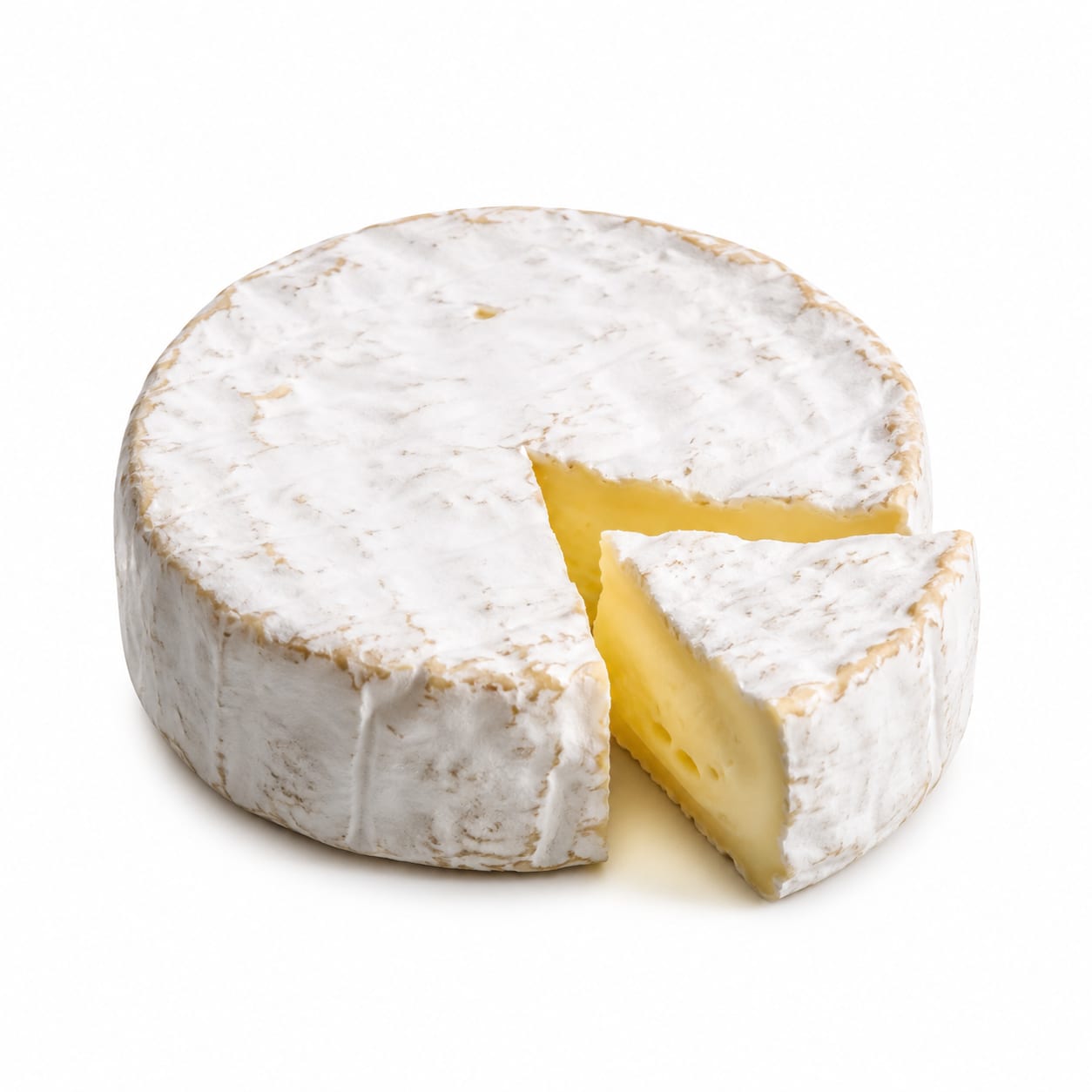
Camembert Cheese
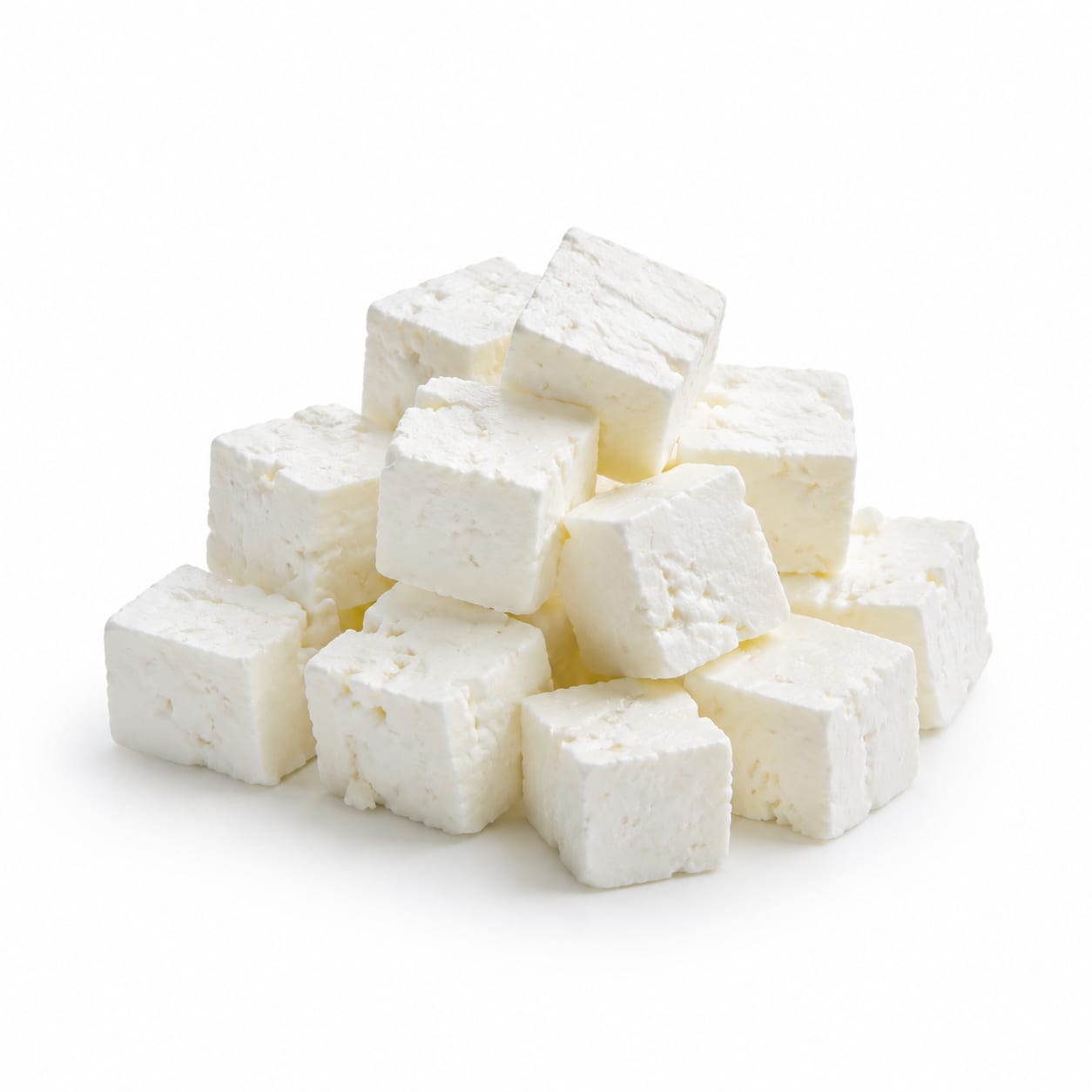
Feta Cheese
Camembert is richer and lower in sodium but higher in fat; Feta is leaner and higher in protein but loaded with salt from brining.
Camembert edges ahead slightly for regular consumption due to lower sodium, but Feta's protein advantage and lighter calorie profile make it competitive. The close scores reflect that neither is a clear winner — the right choice depends entirely on your health priorities.
Creamy indulgence with less salt versus lighter texture with a sodium penalty.
At a glance
Executive summary
Overall
It depends
Healthier
It depends
More practical
Feta Cheese
Daily use
Camembert Cheese
Key comparison lenses
sodium and heart health
Feta is brined in salt solution making it dramatically higher in sodium than Camembert, a critical factor for blood pressure and cardiovascular decisions
fat and calorie density
Camembert is significantly richer and higher in fat, impacting satiety, calorie intake, and how each cheese fits into different dietary approaches
digestive tolerance
Feta is traditionally made from sheep or goat milk which some find easier to digest than the cow milk used in Camembert
cooking versatility
These cheeses serve very different culinary roles — Camembert melts into creamy dishes while Feta crumbles over salads and roasted vegetables
daily eating sustainability
Users often wonder which cheese is safer to eat regularly without excessive sodium or saturated fat accumulation
Best choice for
Camembert Cheese
- Low-sodium diets
- Cheese boards and entertaining
- Rich, satisfying small portions
- Evening wine pairings
- People watching blood pressure
Feta Cheese
- Mediterranean-style meals
- High-protein lower-fat diets
- Salads and vegetable dishes
- People who prefer lighter cheese flavors
- Savory crumbly toppings
Least suitable for
Camembert Cheese
- Calorie-restricted diets
- People limiting saturated fat
- Lactose-sensitive individuals
- Hot weather light meals
Feta Cheese
- Sodium-restricted diets
- Hypertension management
- Those sensitive to very salty flavors
- Late-night snacking
Deep comparison
Dimension by dimension
Each lens scores both foods and breaks down who each option suits.
- Dimension 1 · Priority 95Camembert Cheese
sodium_load
Camembert Cheese · 72Feta Cheese · 28Feta contains roughly 3-4 times more sodium than Camembert due to its brine preservation.
Tradeoff
Feta's signature tang comes at a steep sodium cost that can easily push daily intake over recommended limits.
Why it matters
High sodium intake directly raises blood pressure and strains cardiovascular health over time.
Real-world impact
A single ounce of Feta can deliver 300-400mg sodium — over 15% of the daily limit. Two ounces on a salad and you are halfway to your ceiling.
Camembert Cheese
- Blood pressure management
- Kidney health
- Reduced bloating
Better for
Feta Cheese
- Hypertension risk
- Water retention
- Difficulty staying under daily sodium limits
Worse for
- Dimension 2 · Priority 88Feta Cheese
fat_and_calorie_density
Camembert Cheese · 38Feta Cheese · 65Camembert is significantly higher in total fat and saturated fat per serving, making it more calorie-dense.
Tradeoff
Camembert feels more indulgent and satisfying in small amounts, but portions creep up fast on calories.
Why it matters
Saturated fat moderation matters for heart health, and calorie density determines how easily you can manage weight.
Real-world impact
A small wedge of Camembert with crackers can quietly deliver 200+ calories before you feel full. Feta crumbled over vegetables adds flavor with fewer calories per bite.
Camembert Cheese
- Feeling satisfied with smaller portions
- Rich mouthfeel enjoyment
Better for
- Easy to overconsume calories
- Higher saturated fat per serving
Worse for
Feta Cheese
- Calorie-controlled eating
- Lower saturated fat intake
- Weight management
Better for
- Less satisfying if you crave richness
Worse for
- Dimension 3 · Priority 75Feta Cheese
protein_content
Camembert Cheese · 52Feta Cheese · 70Feta provides more protein per calorie, making it a more efficient protein source relative to its energy content.
Tradeoff
Feta gives you more protein per bite but you pay for it with sodium; Camembert offers less protein but with a cleaner sodium profile.
Why it matters
Protein supports satiety, muscle maintenance, and metabolic health — getting more per calorie is generally advantageous.
Real-world impact
Adding Feta to a lunch salad contributes meaningful protein toward daily targets. Camembert contributes some but not enough to be a primary protein source.
Camembert Cheese
- Lower protein efficiency
- More calories per gram of protein
Worse for
Feta Cheese
- Higher protein per calorie
- Better for satiety per serving
- Muscle maintenance support
Better for
- Dimension 4 · Priority 78Feta Cheese
digestive_tolerance
Camembert Cheese · 45Feta Cheese · 68Traditional Feta made from sheep or goat milk contains different fat globules and protein structures that some people digest more easily.
Tradeoff
Feta may be gentler on digestion for those sensitive to cow milk, though both are fermented and contain some lactose.
Why it matters
Digestive comfort determines whether you actually enjoy eating a food regularly or avoid it due to bloating or discomfort.
Real-world impact
People who feel heavy or bloated after cow dairy often tolerate sheep or goat dairy better. Feta can be a gateway cheese for the lactose-wary.
Camembert Cheese
- Cow milk proteins can trigger sensitivity
- Heavier feeling after eating
Worse for
Feta Cheese
- Easier digestion for cow-milk-sensitive individuals
- Smaller fat globules from sheep/goat milk
- Often tolerated where cow cheese causes discomfort
Better for
- Dimension 5 · Priority 70Feta Cheese
calcium_and_micronutrients
Camembert Cheese · 55Feta Cheese · 72Feta generally provides more calcium and B vitamins per serving than Camembert.
Tradeoff
Feta wins on micronutrient density but the sodium load tempers the benefit for those watching salt.
Why it matters
Calcium supports bone health and B vitamins aid energy metabolism — meaningful advantages for long-term health.
Real-world impact
Regular Feta consumption contributes more meaningfully to daily calcium needs, especially valuable for those who eat limited dairy overall.
Camembert Cheese
- Lower calcium contribution
- Fewer B vitamins per serving
Worse for
Feta Cheese
- Higher calcium per serving
- More B vitamins including B2 and B12
- Better micronutrient density
Better for
- Dimension 6 · Priority 72It depends
culinary_versatility
Camembert Cheese · 65Feta Cheese · 68Camembert excels at melting and warm dishes; Feta dominates in cold preparations and as a finishing element.
Tradeoff
They serve fundamentally different cooking roles — choosing between them is often about what meal you are making, not which is better.
Why it matters
A cheese you actually cook with delivers more consistent dietary value than one that sits in the fridge unused.
Real-world impact
Camembert baked with honey is a stunning appetizer. Feta crumbled over roasted beets or watermelon is a weeknight staple. Neither substitutes well for the other.
Camembert Cheese
- Melted cheese applications
- Baked dishes
- Creamy sauces
- Warm appetizers
Better for
- Poor for crumbing or sprinkling
- Does not work in cold salads
Worse for
Feta Cheese
- Salads and grain bowls
- Roasted vegetable toppings
- Mediterranean recipes
- Cold preparations
Better for
- Does not melt smoothly
- Less suitable for warm creamy dishes
Worse for
Timeline
Health impact over time
Short-term
Hours to days
Camembert Cheese
- Rich, heavy satiety from high fat content
- Lower sodium means less immediate bloating or thirst
- Cow dairy may cause sluggishness in sensitive individuals
- Warm melted preparations can feel comforting and satisfying
Feta Cheese
- High sodium can cause immediate thirst and water retention
- Lighter per-bite calorie load feels less heavy after eating
- Sheep or goat milk may digest more smoothly for some
- Tangy flavor can stimulate appetite and make vegetables more appealing
Long-term
Months to years
Camembert Cheese
- Regular consumption contributes significant saturated fat to dietary pattern
- Lower sodium load is kinder to blood pressure over decades
- Consistent calorie density may challenge weight maintenance if portions are not managed
- Moderate calcium contribution supports bone health
Feta Cheese
- Chronic high sodium intake from regular Feta consumption raises hypertension risk
- Better protein and calcium profile supports muscle and bone preservation with aging
- Lower saturated fat per serving reduces cardiovascular burden compared to creamier cheeses
- Mediterranean dietary patterns featuring Feta are associated with long-term health benefits
Risk profile
Safety & processing
Both are traditional fermented cheeses with centuries of production history. Camembert relies on mold ripening and Feta on brine preservation — neither requires artificial additives in authentic production. Both are processed foods in the technical sense but far from ultra-processed. The main concern is not additives but the natural sodium and saturated fat content inherent to each cheese.
Camembert Cheese
Listeria contamination
mediumSoft-ripened cheeses like Camembert carry a higher listeria risk than hard cheeses, especially when made from unpasteurized milk. Pregnant women and immunocompromised individuals should avoid raw milk versions.
Over-ripening and spoilage
lowCamembert continues to ripen after purchase and can become overly pungent or develop off-flavors if stored too long.
Feta Cheese
High sodium health effects
highThe brining process loads Feta with sodium. Regular consumption without adjusting other dietary salt sources can contribute significantly to hypertension and cardiovascular strain.
Listeria in unpasteurized versions
mediumTraditional Feta made from raw milk carries similar listeria concerns as other unpasteurized cheeses, though the high-salt brine provides some antimicrobial protection.
Who wins for whom
Audience fit
Same foods, different winners depending on your goal.
children
Camembert CheeseLower sodium is better for developing kidneys and blood pressure regulation. The mild creamy flavor of Camembert is also more kid-friendly than Feta's sharp saltiness.
daily consumption
Camembert CheeseCamembert's lower sodium makes it more sustainable as a daily cheese without accumulating cardiovascular risk, though portion control for saturated fat remains important.
diabetes
Camembert CheeseBoth cheeses are low in carbohydrates, but Camembert's lower sodium reduces cardiovascular risk — a critical concern for people with diabetes who already face elevated heart disease risk.
elderly
Camembert CheeseOlder adults are more sensitive to sodium's effects on blood pressure and bone health. Camembert's lower sodium profile is safer for regular consumption in this group.
muscle gain
Feta CheeseHigher protein per calorie makes Feta a slightly more efficient contributor to muscle-supporting protein intake, though neither cheese is a primary protein source.
weight loss
Feta CheeseFeta delivers more protein and fewer calories per serving, making it easier to fit into a calorie deficit — provided you manage the sodium by reducing salt elsewhere.
Your move
Decision guide
Choose Camembert Cheese
- You are watching your blood pressure or sodium intake
- You want a rich, satisfying cheese for small indulgent portions
- You are serving a cheese board or baked appetizer
- You prefer creamy textures over crumbly ones
- You eat cheese daily and need a lower-sodium staple
Choose Feta Cheese
- You are building Mediterranean-style meals with vegetables and grains
- You want more protein and calcium per calorie
- You are not sodium-sensitive and enjoy bold salty flavor
- You need a crumbly topping for salads or roasted dishes
- You tolerate sheep or goat milk better than cow dairy
Either works if
- You eat cheese only occasionally and portion sizes stay small
- You are already well under your daily sodium limit
- You value variety and enjoy both textures in different meals
Avoid both if
- You have severe lactose intolerance or dairy allergy
- You are on a strict low-fat diet for cardiovascular reasons
- You need to minimize both sodium and saturated fat simultaneously
- A doctor has advised eliminating fermented or mold-ripened foods
Final recommendation
For everyday eating, Camembert is the safer regular choice due to its dramatically lower sodium. For specific meals where Feta's crumbly texture and tangy punch elevate vegetables and grains, use it intentionally and cut salt elsewhere in that meal. Neither cheese is a health food — both are flavorful indulgences best enjoyed in measured portions with awareness of what each costs you nutritionally.
Practical
Consumer tips
- 1
Rinse Feta briefly under cold water before eating to remove surface brine and reduce sodium by roughly 20-30%.
- 2
Look for Feta labeled 'reduced sodium' if you love the flavor but need to watch salt intake.
- 3
Choose pasteurized versions of both cheeses if you are pregnant, elderly, or immunocompromised.
- 4
Store Camembert in its original wrapper in the fridge and consume within a few days of opening for best flavor and safety.
- 5
Pair either cheese with high-potassium foods like tomatoes or spinach to help counterbalance sodium effects.
- 6
Measure portions rather than eating freely — both cheeses are easy to overconsume because they are calorie-dense and highly palatable.
- 7
Authentic French Camembert and Greek Feta have protected designations and tend to be made with fewer additives than generic versions.