
Nutrition comparison
Camembert vs Cheddar Cheese: Nutrition, Safety, and Which to Choose
Compare Camembert and Cheddar cheese on protein, calcium, sodium, probiotics, and food safety. Find out which cheese is better for daily use, weight loss, and pregnancy.
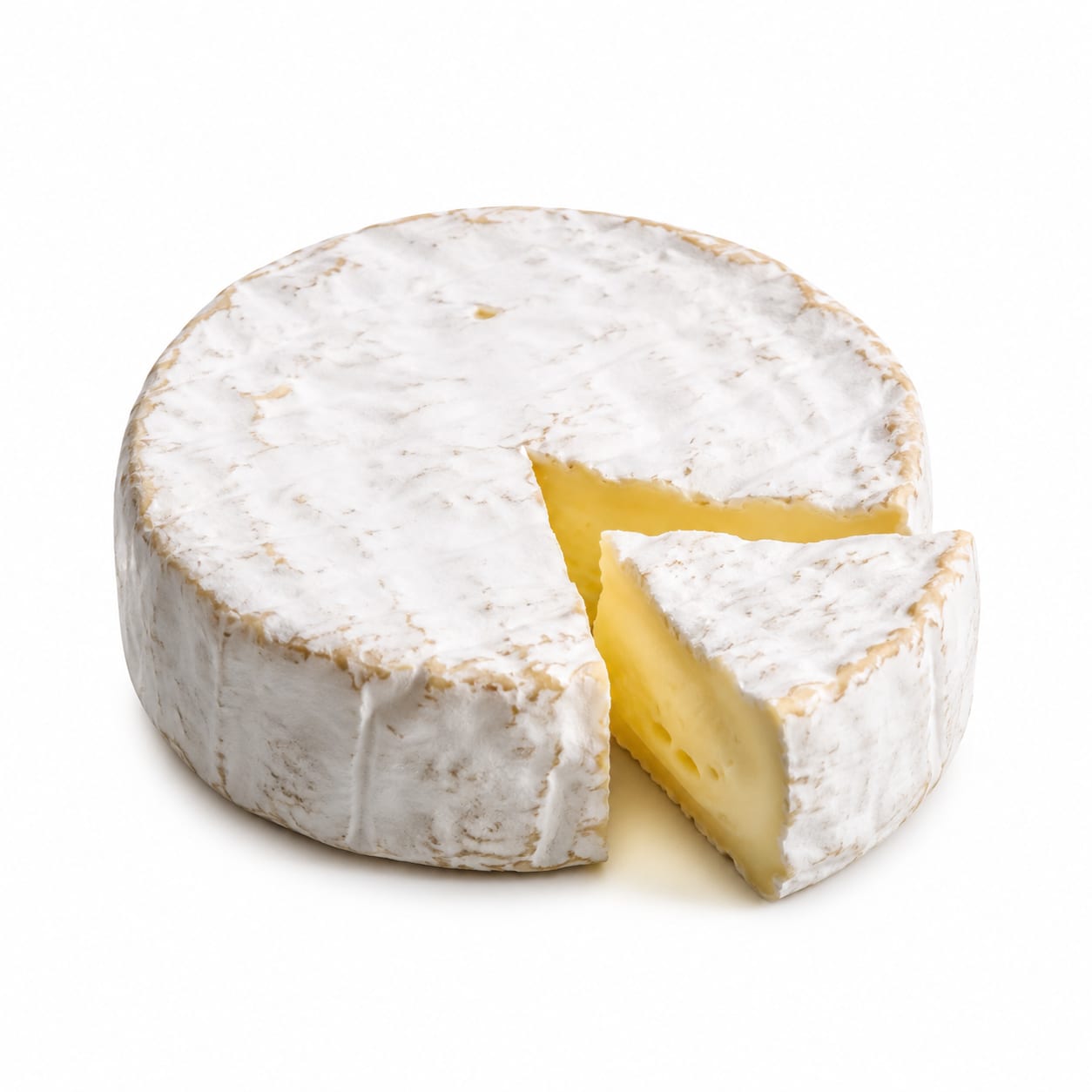
Camembert Cheese
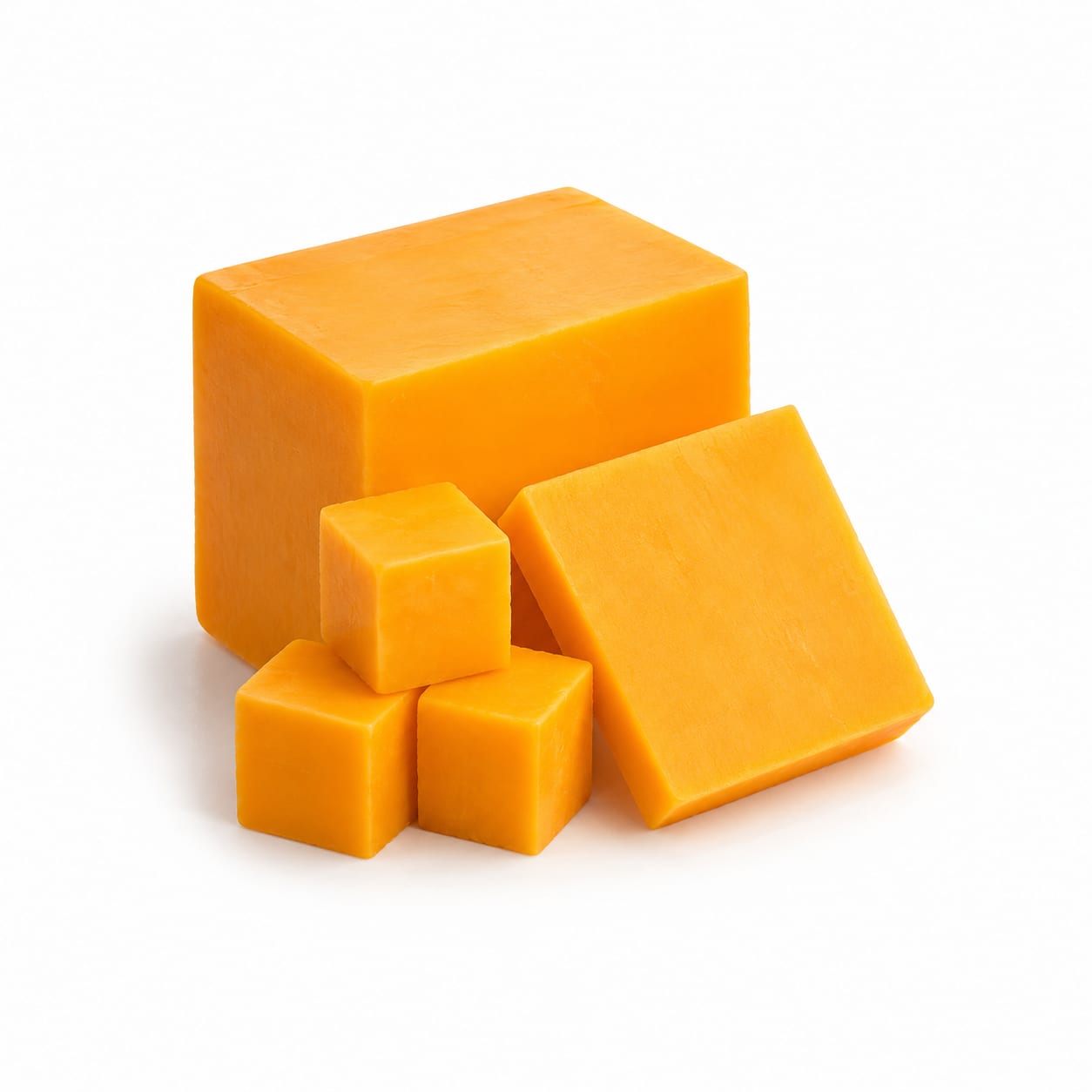
Cheddar Cheese
Cheddar wins on protein, calcium, and safety. Camembert wins on probiotic potential and lighter eating feel. Your pick depends on what you value most.
Cheddar scores higher due to superior protein, calcium, lower sodium per nutrient, and significantly better food safety. Camembert remains enjoyable but is less practical as a daily staple and carries meaningful safety caveats.
Cheddar is the more nutrient-dense and safer everyday cheese. Camembert offers a softer eating experience with beneficial mold cultures but carries higher food safety risk and more sodium per calorie.
At a glance
Executive summary
Overall
It depends
Healthier
Cheddar Cheese
More practical
Cheddar Cheese
Daily use
Cheddar Cheese
Key comparison lenses
choosing between soft and hard cheese for everyday eating
Users comparing these two are typically deciding what to keep in the fridge for regular consumption
sodium and heart health tradeoffs
Both are high-sodium cheeses but differ significantly in salt content per serving
food safety especially for pregnant women or immunocompromised
Camembert is a soft mold-ripened cheese with much higher listeria risk than hard cheddar
protein and satiety for meals vs snacking
Cheddar delivers more protein per bite while Camembert is often eaten as a spreading snack
calcium and bone health
Cheddar has nearly double the calcium per serving, a meaningful difference for bone density
Best choice for
Camembert Cheese
- People seeking probiotic-rich fermented foods
- Those who prefer lighter, creamier textures
- Charcuterie board enthusiasts wanting variety
- Anyone eating small portions of rich cheese mindfully
Cheddar Cheese
- Families needing a versatile everyday cheese
- Those prioritizing protein and calcium intake
- Pregnant women or immunocompromised individuals
- People watching sodium relative to nutrients gained
Least suitable for
Camembert Cheese
- Pregnant women due to listeria risk
- People on strict sodium restrictions
- Anyone needing long shelf life without refrigeration
- Those who dislike soft or moldy cheese textures
Cheddar Cheese
- People avoiding high-calorie dense foods
- Those who find hard cheese difficult to digest
- Anyone seeking probiotic diversity from cheese
- People wanting a light spreading cheese for bread
Deep comparison
Dimension by dimension
Each lens scores both foods and breaks down who each option suits.
- Dimension 1 · Priority 90Cheddar Cheese
Protein and Satiety
Camembert Cheese · 55Cheddar Cheese · 82Cheddar delivers roughly 25% more protein per serving, making it noticeably more filling and satisfying.
Tradeoff
Camembert feels lighter in the moment but leaves you hungry sooner. Cheddar keeps you full longer but is more calorie-dense per gram.
Why it matters
If you are eating cheese as a protein source rather than just a flavor accent, Cheddar gives you more per bite.
Real-world impact
A cheddar snack at 3pm will likely carry you to dinner. A Camembert snack may leave you reaching for something else within an hour.
Camembert Cheese
- Light snacking where you want flavor without feeling stuffed
- Appetizer courses where heaviness is undesirable
Better for
- Anyone relying on cheese as a primary protein source
- Active people needing satiating snacks
Worse for
Cheddar Cheese
- Post-workout protein boost
- Replacing meat protein at a meal
- Sustained energy between meals
Better for
- Those who find dense cheese uncomfortable before physical activity
- Light lunch pairings where heaviness feels wrong
Worse for
- Dimension 2 · Priority 88Cheddar Cheese
Sodium and Heart Health
Camembert Cheese · 40Cheddar Cheese · 58Camembert packs more sodium per calorie than Cheddar, making it the tougher choice for blood pressure management.
Tradeoff
Neither cheese is low-sodium, but Camembert's salt load is higher relative to the nutrients you get back. Cheddar at least rewards you with more protein and calcium per milligram of sodium.
Why it matters
For anyone watching blood pressure or kidney health, sodium-per-nutrient matters more than sodium-per-serving.
Real-world impact
Two slices of Camembert on toast can deliver 400mg of sodium with modest protein. The same sodium from Cheddar comes with significantly more calcium and protein.
Camembert Cheese
- Sodium-sensitive individuals
- People eating cheese daily who need to minimize salt
Worse for
Cheddar Cheese
- People managing hypertension who still want cheese
- Anyone tracking sodium-to-nutrient ratios
Better for
- Those who assume hard cheese is always higher in sodium than soft cheese
Worse for
- Dimension 3 · Priority 82Cheddar Cheese
Calcium and Bone Health
Camembert Cheese · 48Cheddar Cheese · 85Cheddar contains nearly double the calcium per serving compared to Camembert, making it a far better bone-support food.
Tradeoff
Camembert still provides calcium but you would need much larger portions to match Cheddar, which also means more sodium and saturated fat.
Why it matters
Cheese is one of the most bioavailable calcium sources. If you are eating cheese partly for bone health, Cheddar is dramatically more efficient.
Real-world impact
A single ounce of Cheddar covers about 20% of daily calcium needs. Camembert covers roughly 10-12%.
Camembert Cheese
- People relying on cheese as a primary calcium source
- Those avoiding calcium supplements who need food-based calcium
Worse for
Cheddar Cheese
- Older adults concerned about osteoporosis
- Teens building peak bone mass
- Anyone who does not consume dairy alternatives or supplements
Better for
- Dimension 4 · Priority 78Camembert Cheese
Probiotics and Gut Health
Camembert Cheese · 75Cheddar Cheese · 30Camembert's white rind contains Penicillium candidum, a living mold culture with potential gut health benefits that Cheddar simply does not offer.
Tradeoff
The probiotic benefit is real but modest compared to fermented foods like yogurt or kefir. Cheddar's aging process kills off most beneficial cultures.
Why it matters
If you are intentionally adding fermented foods to your diet, Camembert contributes diversity that Cheddar cannot match.
Real-world impact
Eating Camembert a few times per week adds another fermented food to your rotation, complementing yogurt or kimchi. Cheddar does not fill this role.
Camembert Cheese
- People building a diverse fermented food practice
- Those who enjoy eating the rind and its cultures
- Anyone seeking gut-friendly cheese options
Better for
- Those who cut the rind off and lose the probiotic benefit
- People expecting significant probiotic impact from cheese alone
Worse for
Cheddar Cheese
- Anyone specifically seeking probiotic foods
Worse for
- Dimension 5 · Priority 92Cheddar Cheese
Food Safety and Listeria Risk
Camembert Cheese · 35Cheddar Cheese · 80Camembert is a soft mold-ripened cheese with significantly higher listeria risk. Cheddar's hard texture and lower moisture make it inherently safer.
Tradeoff
The very moisture and mold that make Camembert probiotic-rich also create ideal conditions for harmful bacteria. Cheddar sacrifices that soft probiotic profile for much better safety.
Why it matters
For pregnant women, elderly individuals, and immunocompromised people, this is not a minor concern. Listeria infection can be life-threatening in vulnerable populations.
Real-world impact
A pregnant woman can eat Cheddar freely but should avoid Camembert entirely unless it is made from pasteurized milk and confirmed safe. Even then, many doctors advise against soft cheeses during pregnancy.
Camembert Cheese
- Pregnant women
- Anyone with weakened immunity
- People who forget cheese out at room temperature for extended periods
Worse for
Cheddar Cheese
- Pregnant women
- Elderly individuals
- Immunocompromised people
- Anyone storing cheese in less-than-ideal refrigeration
Better for
- Dimension 6 · Priority 75Camembert Cheese
Calorie Density and Portion Control
Camembert Cheese · 62Cheddar Cheese · 45Camembert's higher water content means fewer calories per gram, making it slightly easier to eat satisfying portions without overconsuming calories.
Tradeoff
Lower calorie density sounds good, but Camembert's soft texture makes it very easy to overeat. Cheddar's firmness naturally slows consumption.
Why it matters
Calorie density matters, but so does eating speed. Soft cheese disappears fast. Hard cheese forces you to slow down.
Real-world impact
You might slice 100 calories of Cheddar and feel done. With Camembert, it is easy to spread and eat 200-300 calories before noticing.
Camembert Cheese
- Those who practice mindful portioning
- People who prefer lighter-feeling meals
Better for
- Mindless eaters who consume soft cheese quickly
- People who underestimate calories from spreadable foods
Worse for
Cheddar Cheese
- Anyone who struggles with portion control and needs natural brakes on eating
- People who find firm cheese more satisfying in small amounts
Better for
- Those who find calorie-dense foods triggering for overeating
Worse for
- Dimension 7 · Priority 72Cheddar Cheese
Versatility and Practical Use
Camembert Cheese · 45Cheddar Cheese · 85Cheddar works in sandwiches, cooking, grating, melting, and snacking. Camembert is mostly a spreading or baking cheese with limited range.
Tradeoff
Camembert excels at its specific role but you need other cheeses for most cooking. Cheddar handles almost everything adequately.
Why it matters
If you want one cheese in the fridge that covers all needs, Cheddar is the clear choice. Camembert is a specialty item.
Real-world impact
Cheddar can top a burger, fill a quesadilla, or sit on a cracker. Camembert is best enjoyed on its own or baked. Most households will use Cheddar far more often.
Camembert Cheese
- Cheese boards and entertaining
- Baked cheese dishes like baked Camembert
Better for
- Anyone who wants a single multipurpose cheese
- Cooking applications beyond baking
Worse for
Cheddar Cheese
- Cooking and melting applications
- Everyday sandwich and snack use
- Families needing one versatile cheese
Better for
- Formal entertaining where Cheddar feels too casual
Worse for
Timeline
Health impact over time
Short-term
Hours to days
Camembert Cheese
- Quick satiety from fat content but fades faster than harder cheese
- Higher sodium may cause noticeable thirst or bloating
- Soft texture can trigger faster eating and overconsumption
- Potential mild digestive comfort from probiotic cultures in the rind
Cheddar Cheese
- Longer-lasting fullness due to higher protein and firmer texture
- More sustained energy from denser nutrient profile
- Slower eating pace naturally supports better portion control
- May feel heavy if eaten in large quantities before activity
Long-term
Months to years
Camembert Cheese
- Higher sodium intake if eaten regularly may contribute to blood pressure concerns
- Probiotic exposure from rind cultures may support gut microbiome diversity
- Sustained listeria risk requires ongoing vigilance for vulnerable individuals
- Moderate calcium contribution but insufficient as a primary source
Cheddar Cheese
- Strong calcium intake supports bone density long-term
- Higher protein contributes to muscle maintenance, especially important with aging
- Lower listeria risk makes it safer for consistent daily consumption
- Saturated fat content still warrants portion awareness for heart health
Risk profile
Safety & processing
Both Camembert and Cheddar are traditional fermented cheeses made from milk, cultures, rennet, and salt. Neither contains artificial additives in their traditional forms. The main processing difference is aging method: Camembert's surface mold ripening versus Cheddar's internal bacterial aging. Both are whole foods by cheese standards.
Camembert Cheese
Listeria contamination
highSoft mold-ripened cheeses like Camembert are among the highest-risk foods for Listeria monocytogenes. The high moisture content and surface mold create ideal conditions for bacterial growth. This is a serious concern for pregnant women, who should avoid Camembert entirely.
Spoilage at room temperature
mediumCamembert spoils faster than hard cheese when left out. Its soft texture and moisture make it vulnerable after just a few hours unrefrigerated.
Unpasteurized milk exposure
mediumTraditional Camembert is made from raw milk. While many commercial versions use pasteurized milk, artisanal varieties may not, increasing pathogen risk.
Cheddar Cheese
Listeria contamination
lowHard cheeses like Cheddar are inherently resistant to Listeria due to low moisture content and acidic environment. Infections from properly stored Cheddar are extremely rare.
Mold growth beyond surface
lowIf Cheddar develops mold, it can typically be cut away with a generous margin. Unlike soft cheese, mold rarely penetrates deeply into hard cheese.
Histamine content
lowAged Cheddar contains higher histamine levels than young cheeses. This may affect histamine-sensitive individuals with symptoms like headaches or skin flushing.
Who wins for whom
Audience fit
Same foods, different winners depending on your goal.
children
Cheddar CheeseCheddar is safer from a foodborne illness perspective, provides more calcium for growing bones, and is easier to portion into kid-friendly slices. Camembert's listeria risk is a concern for young children.
daily consumption
Cheddar CheeseCheddar's versatility, safety profile, and nutrient density make it a more practical daily cheese. Camembert is better enjoyed as an occasional specialty.
diabetes
Cheddar CheeseBoth cheeses are very low in carbohydrates, but Cheddar offers more protein and calcium per sodium unit, making it a slightly better choice for metabolic health management.
elderly
Cheddar CheeseOlder adults benefit greatly from Cheddar's superior calcium content for bone health and its lower listeria risk. Immune systems weaken with age, making soft cheese safety concerns more relevant.
muscle gain
Cheddar CheeseCheddar provides roughly 25% more protein per serving, making it a more effective muscle-supporting cheese when paired with other protein sources.
weight loss
Cheddar CheeseCheddar's higher protein and firmer texture support better satiety and portion control. Even though it is more calorie-dense per gram, you naturally eat less of it and feel fuller.
Your move
Decision guide
Choose Camembert Cheese
- You are building a diverse fermented food practice and want probiotic variety
- You are hosting a dinner party and want an elegant cheese course
- You are not pregnant or immunocompromised and can manage the safety considerations
- You prefer soft, creamy textures and find hard cheese unappealing
- You eat cheese in small, mindful portions and want a luxurious experience
Choose Cheddar Cheese
- You want one versatile cheese for cooking, snacking, and sandwiches
- You are pregnant, elderly, or immunocompromised and need safer options
- You prioritize protein and calcium intake from your dairy choices
- You are watching sodium and want more nutrients per milligram of salt
- You need a cheese with longer shelf life and less spoilage risk
Either works if
- You tolerate dairy well and just want a satisfying cheese experience
- You are eating cheese in moderation as part of a balanced diet
- Neither cheese is a major staple in your diet, just an occasional pleasure
Avoid both if
- You have a dairy allergy or severe lactose intolerance
- You are on a strict sodium-restricted diet under medical guidance
- You are following a vegan or plant-based eating pattern
- You have significant heart disease risk and need to minimize saturated fat
Final recommendation
Keep Cheddar as your everyday cheese and enjoy Camembert as an occasional treat. Cheddar gives you more protein, more calcium, better safety, and unmatched versatility for daily life. Camembert brings probiotic diversity and a luxurious eating experience that deserves a place at special meals, not your daily routine.
Practical
Consumer tips
- 1
If you eat Camembert, always eat the rind if you want the probiotic benefit. Cutting it off removes most of the beneficial cultures.
- 2
Check whether your Camembert is made from pasteurized milk if food safety is a concern for you. The label will say.
- 3
Store Cheddar wrapped in parchment paper inside a loose plastic bag. This prevents drying out while allowing it to breathe.
- 4
Camembert should be consumed within a few days of opening. Its high moisture content means it spoils quickly.
- 5
If you are pregnant, avoid Camembert entirely even if pasteurized. Many healthcare providers consider the risk unacceptable.
- 6
Aged Cheddar contains almost no lactose and is often well-tolerated by lactose-sensitive individuals. Camembert also has low lactose but slightly more than aged Cheddar.
- 7
For the best flavor experience, let Camembert come to room temperature for 30 minutes before serving. Cold Camembert masks its texture and taste.
- 8
Freeze Cheddar if you buy in bulk. It freezes well for up to 6 months. Camembert does not freeze well and loses its signature texture.