
Nutrition comparison
Camembert vs Brie: Which Soft Cheese Is Healthier and Tastier?
Compare Camembert and Brie on nutrition, sodium, flavor, safety, and everyday usability. Find out which soft-ripened cheese fits your diet and lifestyle better.
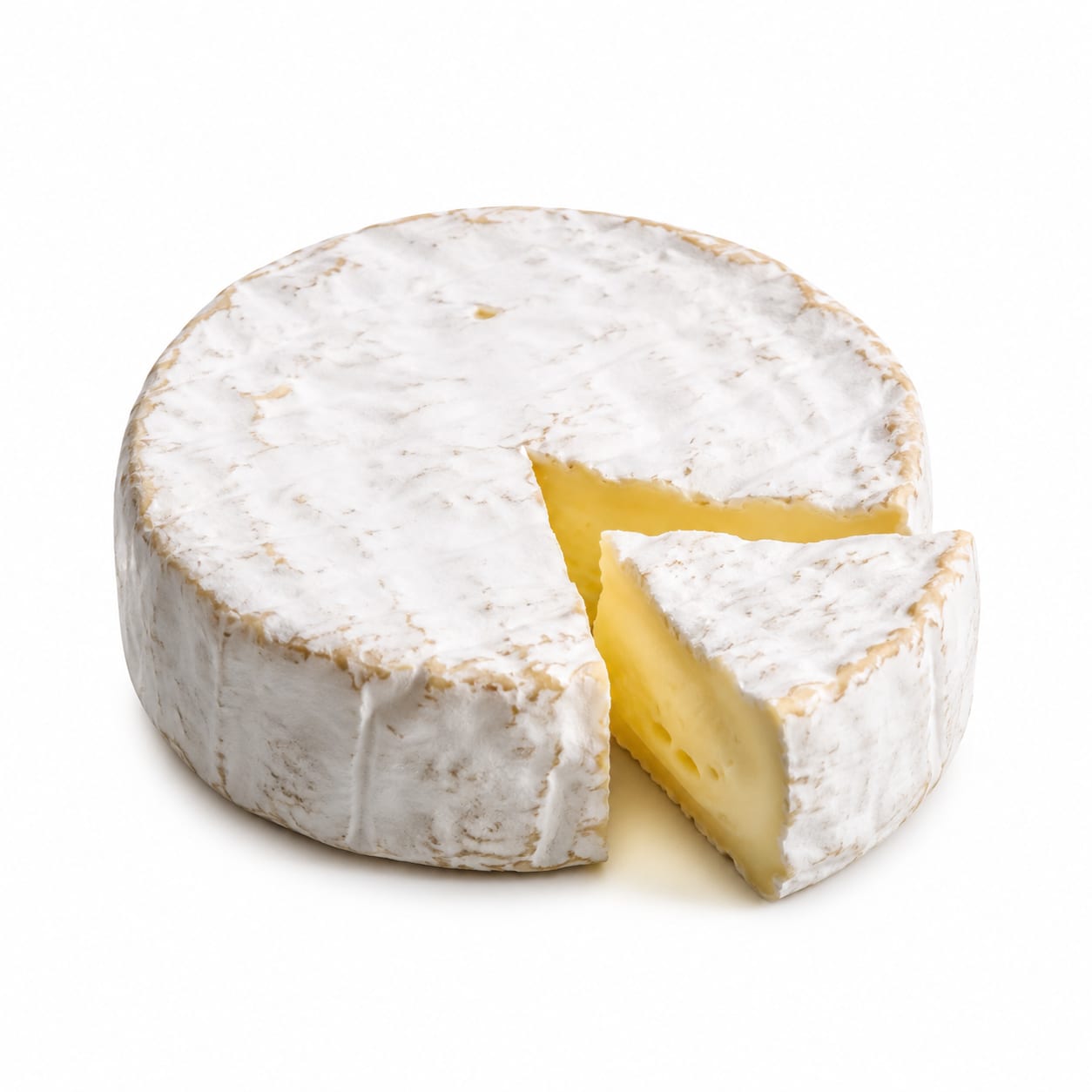
Camembert Cheese
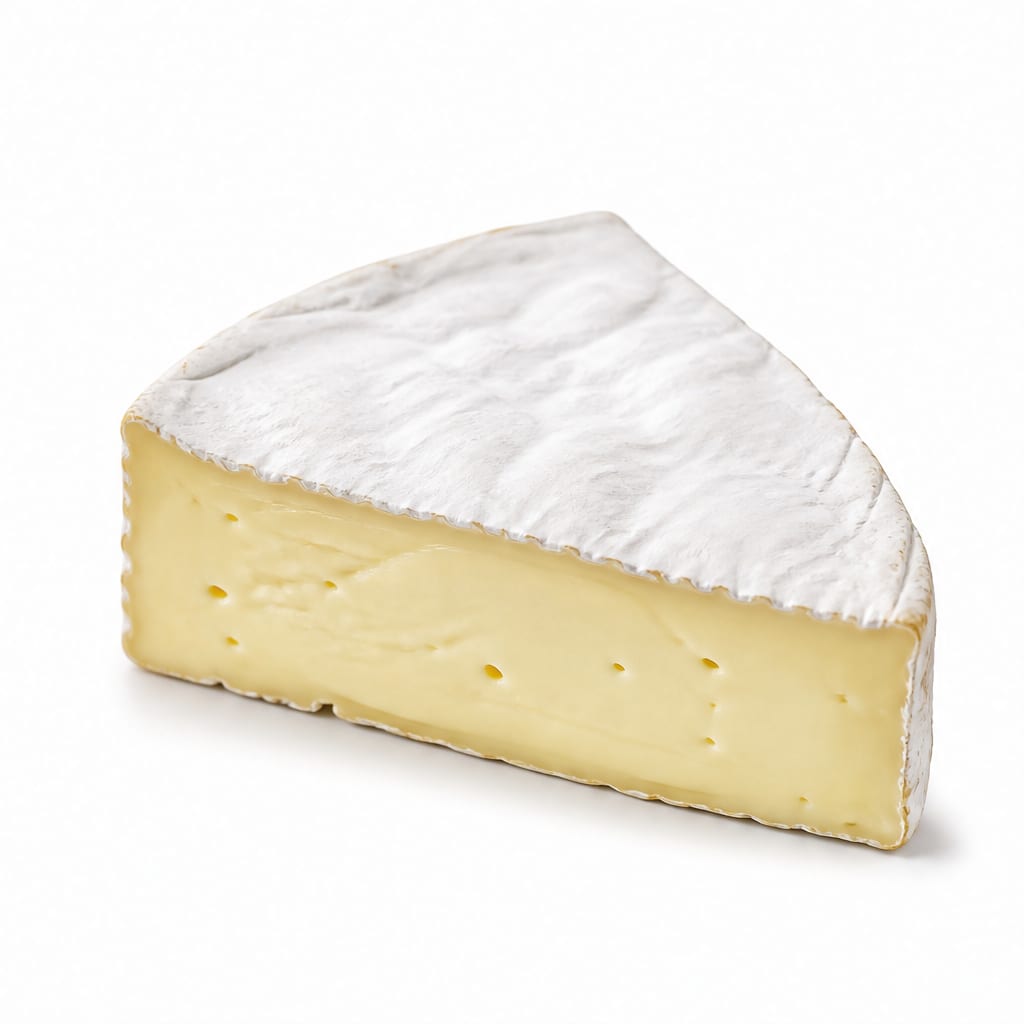
Brie
Camembert and Brie are nutritional near-twins, but Camembert delivers bolder flavor in a smaller package while Brie offers creamier versatility and slightly lower sodium.
Brie edges ahead mainly through lower sodium and greater culinary flexibility. Camembert scores well for flavor intensity and portion control but loses ground on salt density and everyday versatility.
Camembert gives you more intense flavor per bite but higher sodium density; Brie is milder, more adaptable in cooking, and gentler on salt intake.
At a glance
Executive summary
Overall
It depends
Healthier
Brie
More practical
Brie
Daily use
Brie
Key comparison lenses
choosing between similar soft cheeses for everyday eating
Camembert and Brie are often confused or used interchangeably, so understanding their practical differences matters for daily food choices
food safety and pregnancy considerations
Soft cheeses carry listeria risk, and understanding which is safer or how to mitigate risk is critical for vulnerable groups
flavor intensity and culinary versatility
Camembert is noticeably stronger and more pungent, which changes how each cheese fits into meals and snacking
sodium and heart health comparison
Both are moderate-to-high sodium cheeses, but differences exist that matter for blood pressure management
probiotic and gut health benefits
Both feature bloomy rinds with beneficial cultures, but surface area and ripening differ enough to matter
Best choice for
Camembert Cheese
- Bold flavor lovers who want a small, satisfying portion
- Those who eat cheese occasionally and want maximum taste impact
- Charcuterie boards where a strong cheese stands out
Brie
- Everyday cheese eaters who prefer milder flavor
- Cooking and baking applications like tartiflette or baked Brie
- Those watching sodium who still want a creamy cheese experience
Least suitable for
Camembert Cheese
- People on strict low-sodium diets
- Those sensitive to strong flavors or pungent aromas
- Pregnant women unless made with pasteurized milk and cooked thoroughly
Brie
- Anyone seeking a bold, intense cheese experience
- Those wanting built-in portion control (Brie wheels are larger)
- People who dislike very creamy textures
Deep comparison
Dimension by dimension
Each lens scores both foods and breaks down who each option suits.
- Dimension 1 · Priority 88Brie
Sodium Load
Camembert Cheese · 42Brie · 55Camembert packs roughly 15-25% more sodium per serving than Brie, making it the saltier choice bite for bite.
Tradeoff
That extra salt is part of what makes Camembert taste so punchy, but it adds up quickly if you eat cheese daily.
Why it matters
For anyone managing blood pressure or watching salt, this difference is meaningful over a week of eating.
Real-world impact
A typical Camembert wedge can deliver 300-400mg sodium versus 250-320mg for a similar Brie portion — a gap that matters at dinner if you already had salty foods earlier.
Camembert Cheese
- Those who find bland cheese unsatisfying and would eat less overall with stronger flavor
Better for
- Daily cheese eaters accumulating sodium across meals
Worse for
Brie
- People with hypertension or salt-sensitive conditions
- Anyone who pairs cheese with already-salty accompaniments like cured meats
Better for
- Those who need bold flavor to feel satisfied with a small portion
Worse for
- Dimension 2 · Priority 85Camembert Cheese
Flavor Intensity and Satisfaction
Camembert Cheese · 82Brie · 65Camembert delivers a more concentrated, earthy, pungent flavor that feels more satisfying per bite.
Tradeoff
The intensity that makes Camembert satisfying can also overwhelm delicate pairings or turn off mild-palate eaters.
Why it matters
Stronger flavor often means you naturally eat less, which helps with portion control without feeling deprived.
Real-world impact
Two thin slices of Camembert on a baguette feel like a complete experience; Brie might leave you reaching for more to get the same flavor hit.
Camembert Cheese
- Flavor-first eaters who prioritize enjoyment
- Anyone trying to feel satisfied with smaller cheese portions
Better for
- Casual snackers who find the aroma off-putting
Worse for
Brie
- Those who prefer subtle, buttery flavors that blend into dishes
- People serving cheese to mixed crowds including kids
Better for
- Adventurous eaters who find Brie boring
Worse for
- Dimension 3 · Priority 80Brie
Culinary Versatility
Camembert Cheese · 55Brie · 78Brie melts more evenly, pairs more broadly, and works in more recipes from appetizers to main dishes.
Tradeoff
Camembert can be baked and is wonderful warm, but its stronger flavor limits what it pairs with successfully.
Why it matters
A cheese that works in more situations gets used more and wasted less, which matters for your fridge and wallet.
Real-world impact
Brie slides onto a sandwich, into a quiche, or over a burger without dominating. Camembert demands the spotlight — great on a cheese board, harder to sneak into a recipe.
Camembert Cheese
- Dedicated cheese course presentations
- Baked whole-wheel appetizers where intensity is the star
Better for
- Recipe flexibility — it fights with other ingredients
Worse for
Brie
- Home cooks wanting one cheese for multiple uses
- Sandwich and wrap builders who need melty, mild creaminess
Better for
- Occasions where you want the cheese to be the main event
Worse for
- Dimension 4 · Priority 68Camembert Cheese
Probiotic and Gut Health Potential
Camembert Cheese · 70Brie · 65Both carry beneficial surface cultures from their bloomy rinds, but Camembert's smaller size means a higher rind-to-paste ratio per serving.
Tradeoff
The probiotic difference is modest and depends heavily on whether the cheese was made from raw or pasteurized milk.
Why it matters
If you eat cheese partly for gut health, the rind is where the beneficial cultures live — more rind contact means more potential benefit.
Real-world impact
Eating a wedge of Camembert with its rind gives you a slightly higher dose of those cultures than the same weight of Brie, but both are modest sources compared to yogurt or kefir.
Camembert Cheese
- Those who eat the rind and want maximum culture exposure per serving
Better for
- Anyone who discards the rind — you lose most of the probiotic advantage
Worse for
Brie
- People who prefer larger wheels where the rind can be trimmed more easily if texture bothers them
Better for
- Those seeking a significant probiotic source — neither cheese is a probiotic powerhouse
Worse for
- Dimension 5 · Priority 72Brie
Calorie and Fat Density
Camembert Cheese · 50Brie · 55Brie is slightly higher in calories and fat per 100g, but Camembert's smaller wheel size means portions are often smaller in practice.
Tradeoff
Nutritionally Brie is marginally richer, but behaviorally Camembert may lead to smaller actual consumption.
Why it matters
What you actually eat matters more than what the label says per 100g. Portion architecture shapes real intake.
Real-world impact
A whole Camembert wheel is about 250g — a natural single-serving boundary. Brie wheels can exceed 1kg, making it easier to cut larger portions without noticing.
Camembert Cheese
- Those who benefit from built-in portion boundaries
- People who find strong flavor naturally limiting
Better for
- Those who assume smaller wheel equals lighter and overindulge
Worse for
Brie
- Anyone tracking macros precisely who prefers a consistent, predictable serving
Better for
- Mindless snackers who keep cutting slices from a large wheel
Worse for
Timeline
Health impact over time
Short-term
Hours to days
Camembert Cheese
- Higher sodium may cause noticeable thirst or mild bloating after eating
- Strong flavor can trigger overeating in some or early satiety in others
- Rich fat content provides steady short-term energy but may feel heavy in large amounts
Brie
- Creamier texture may encourage faster eating before fullness signals register
- Slightly milder sodium load makes it easier on immediate thirst
- Rich and satisfying but less likely to cause flavor fatigue
Long-term
Months to years
Camembert Cheese
- Regular consumption contributes to higher cumulative sodium intake, relevant for blood pressure over years
- Moderate saturated fat intake is fine for most people but worth monitoring if cheese is a daily habit
- Potential probiotic benefit from rind cultures if consumed regularly
Brie
- Slightly better sodium profile makes it more sustainable as a daily cheese choice
- Similar saturated fat considerations as Camembert — moderation matters long-term
- Calcium and B12 contributions support bone and nervous system health over time
Risk profile
Safety & processing
Both Camembert and Brie are traditional fermented cheeses made with minimal ingredients — milk, cultures, rennet, and salt. Authentic versions from France follow strict production standards. Mass-produced supermarket versions may use pasteurized milk and stabilizers, but even these remain relatively simple compared to most processed foods.
Camembert Cheese
Listeria contamination
highSoft-ripened cheeses like Camembert are a well-known listeria risk, especially when made from raw milk. Pregnant women, elderly, and immunocompromised individuals should avoid unpasteurized versions entirely.
Over-ripening and ammonia buildup
mediumCamembert ripens quickly due to its small size. An overripe wheel develops an ammonia smell and off-flavors that indicate spoilage, not just strong cheese character.
Brie
Listeria contamination
highSame category risk as Camembert. Soft, moist interior and bloomy rind create favorable conditions for listeria growth if contamination occurs during production.
Extended refrigeration spoilage
mediumLarger Brie wheels sit in the fridge longer after opening, increasing the window for mold or bacterial growth beyond the intended cultures.
Who wins for whom
Audience fit
Same foods, different winners depending on your goal.
children
BrieBrie's milder, creamier flavor is more kid-friendly. Camembert's pungency often gets rejected by young palates, and children are more vulnerable to listeria from unpasteurized versions.
daily consumption
BrieBrie's milder flavor and lower sodium make it easier to incorporate daily without palate fatigue or excessive salt accumulation.
diabetes
It dependsBoth are very low in carbohydrates and have minimal glycemic impact. The deciding factor would be sodium concerns or what else is on the plate.
elderly
BrieLower sodium and softer texture make Brie slightly more appropriate, but both require caution regarding listeria for immunocompromised older adults.
muscle gain
It dependsBoth provide similar protein content per serving — around 20g per 100g. Neither is a standout protein source compared to cottage cheese or Greek yogurt.
weight loss
Camembert CheeseStronger flavor and smaller wheel size naturally encourage smaller portions, which helps with calorie control without feeling deprived.
Your move
Decision guide
Choose Camembert Cheese
- You want maximum flavor impact from a small cheese portion
- You are building a charcuterie board and need a standout cheese
- You eat cheese a few times a week and want each experience to count
- You prefer built-in portion control from a smaller wheel
Choose Brie
- You want an everyday cheese that works in sandwiches, cooking, and snacking
- You are watching sodium and want the slightly lighter option
- You are serving guests with mixed taste preferences including kids
- You want a cheese that melts smoothly into warm dishes
Either works if
- You are eating cheese occasionally and both fit your calorie budget
- You are choosing based on what looks best at the shop today
- You plan to bake the cheese whole — both work beautifully warm
Avoid both if
- You are pregnant and cannot confirm the cheese was made from pasteurized milk
- You have a severe dairy allergy or lactose intolerance that reacts to aged cheeses
- Your doctor has advised strict sodium restriction below 1500mg daily
Final recommendation
For most people, Brie is the more practical daily choice — milder, more versatile, and slightly lower in sodium. But if you eat cheese as an occasional pleasure rather than a staple, Camembert rewards you with more intensity per bite. Let frequency decide: daily reach for Brie, special occasions reach for Camembert.
Practical
Consumer tips
- 1
Check the label for 'made from pasteurized milk' if listeria risk concerns you — this matters for both cheeses
- 2
Let either cheese come to room temperature for 30 minutes before eating — cold mutes the flavor and ruins the texture
- 3
A whole baked Camembert or Brie wheel with garlic and honey is one of the easiest impressive appetizers you can make
- 4
Once opened, consume within 5-7 days — the rind will continue ripening and the interior can become unpleasantly runny or ammoniated
- 5
If the rind smells like ammonia rather than mushrooms or earth, the cheese is past its prime regardless of the sell-by date
- 6
Traditional French AOC versions (Camembert de Normandie, Brie de Meaux) are often raw milk — know your source if safety is a concern