
Nutrition comparison
Camembert Cheese vs Ricotta: Which is Healthier?
Compare Camembert Cheese and Ricotta on calories, protein, sodium, and culinary uses. Find out which cheese is better for weight loss, heart health, and daily meals.
Overall winner · Ricotta
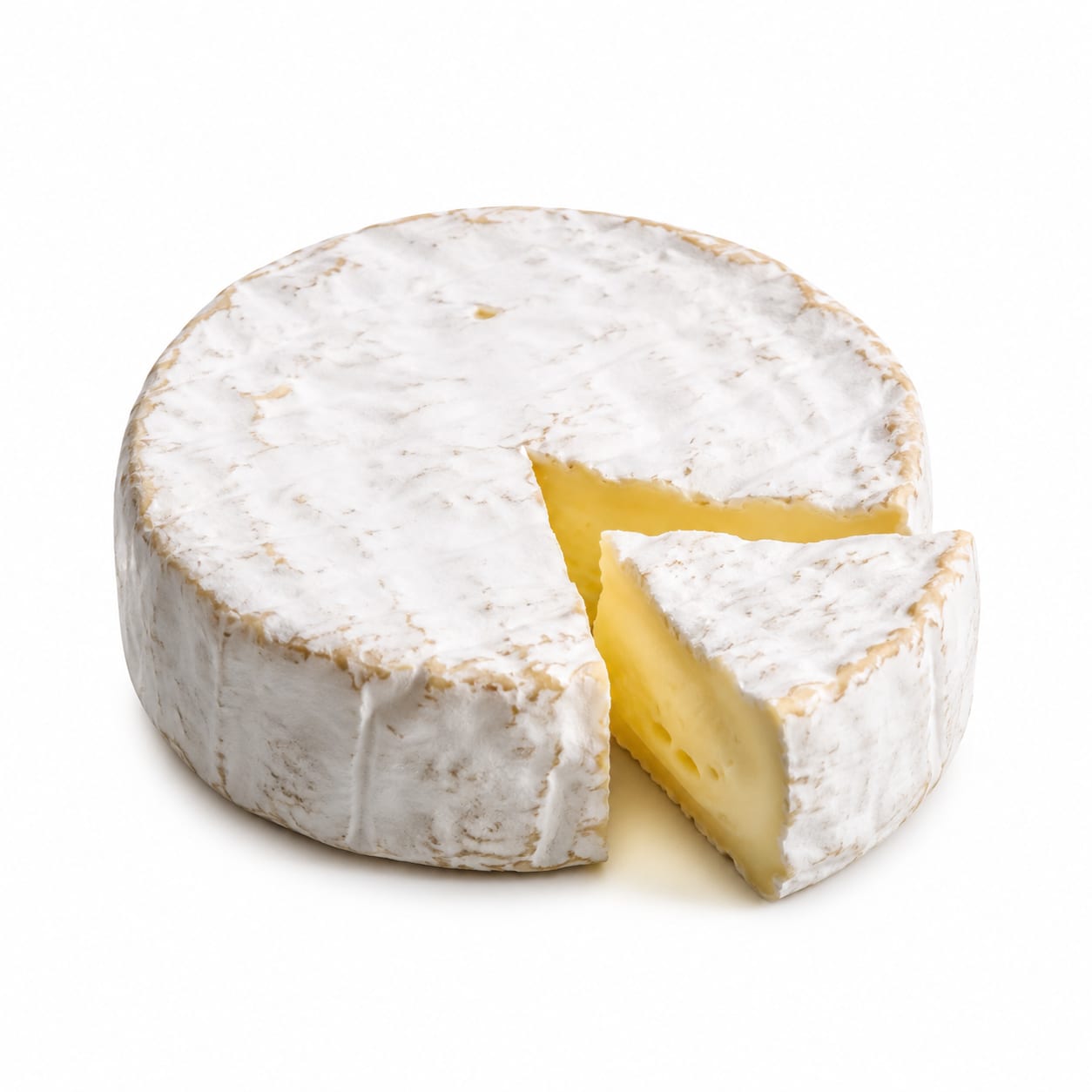
Camembert Cheese
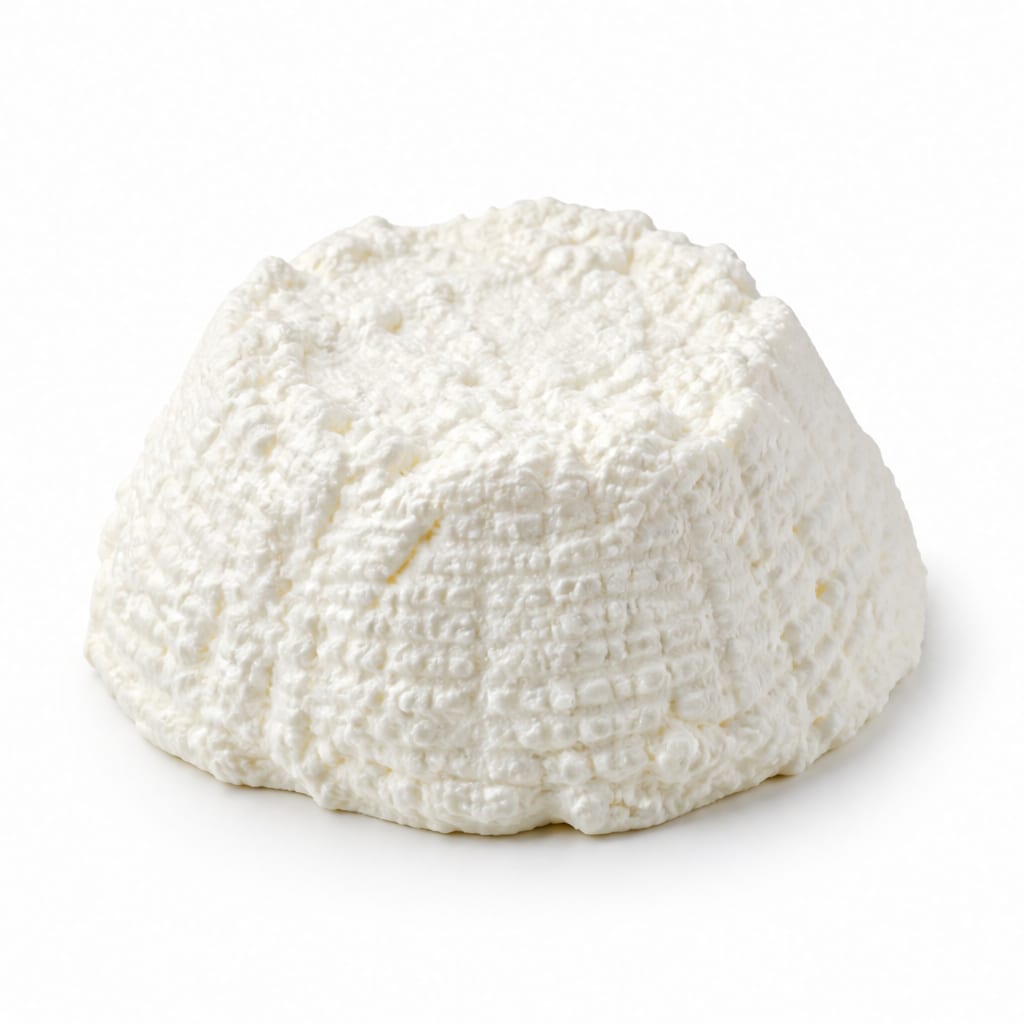
Ricotta
Ricotta is the healthier, more versatile everyday choice, while Camembert Cheese is a rich indulgence best enjoyed in moderation.
Ricotta scores significantly higher due to its favorable protein-to-calorie ratio, lower sodium, and culinary flexibility. Camembert Cheese loses ground on heart health and daily practicality but remains a satisfying indulgence.
You trade the bold, creamy indulgence and probiotics of Camembert Cheese for the lighter, lower-sodium, and highly adaptable profile of Ricotta.
At a glance
Executive summary
Overall
Ricotta
Healthier
Ricotta
More practical
Ricotta
Daily use
Ricotta
Key comparison lenses
Heart health and sodium impact
Camembert Cheese is high in saturated fat and sodium, while Ricotta is much lighter, making cardiovascular impact a major differentiator.
Weight management and calorie density
Ricotta offers high volume and protein for fewer calories, whereas Camembert Cheese is very calorie-dense and easy to overeat.
Culinary versatility and daily practicality
Ricotta works in sweet and savory dishes from breakfast to dessert, while Camembert Cheese is mostly a snack or appetizer cheese.
Food safety for vulnerable groups
Soft-ripened cheeses like Camembert Cheese carry a listeria risk, making Ricotta a safer choice for pregnant women and the elderly.
Best choice for
Camembert Cheese
- Keto dieters needing high-fat options
- Charcuterie board enthusiasts
- Those seeking gut-friendly probiotics
Ricotta
- Home cooks needing a versatile ingredient
- People managing blood pressure or heart health
- Anyone tracking calories or macros
Least suitable for
Camembert Cheese
- People with high blood pressure
- Pregnant women due to listeria risk
- Those on a low-fat diet
Ricotta
- Lactose-intolerant individuals
- Those wanting a bold, standalone cheese flavor
- Strict keto dieters avoiding all carbs
Deep comparison
Dimension by dimension
Each lens scores both foods and breaks down who each option suits.
- Dimension 1 · Priority 90Ricotta
Heart Health & Sodium
Camembert Cheese · 35Ricotta · 85Ricotta is much gentler on your heart, with far less sodium and saturated fat than Camembert Cheese.
Tradeoff
You give up the rich, buttery mouthfeel of Camembert Cheese to protect your blood pressure and arteries.
Why it matters
High sodium and saturated fat intake are leading drivers of heart disease, making this a critical daily tradeoff.
Real-world impact
Eating Camembert Cheese regularly could leave you bloated and pushing your sodium limits, while Ricotta easily fits into a heart-healthy routine.
Camembert Cheese
- Satiating fat cravings quickly
Better for
- Daily cardiovascular health
- Salt-sensitive individuals
Worse for
Ricotta
- Managing blood pressure
- Reducing saturated fat intake
Better for
- Feeling deeply indulgent
Worse for
- Dimension 2 · Priority 85Ricotta
Calorie Density & Weight Management
Camembert Cheese · 40Ricotta · 82Ricotta provides more food volume and protein for far fewer calories, making weight management much easier.
Tradeoff
Camembert Cheese is calorie-dense and easy to overeat, while Ricotta offers a lighter way to stay full.
Why it matters
Satiety per calorie determines how easily you can control your weight without feeling deprived.
Real-world impact
A small wedge of Camembert Cheese can cost you 200+ calories before you feel full, whereas a generous scoop of Ricotta keeps you satisfied for less.
Camembert Cheese
- Strict keto diets where carbs must be near zero
Better for
- Portion control
- Cutting calories
Worse for
Ricotta
- Staying full on fewer calories
- Tracking macros precisely
Better for
- Very low-carb diets
Worse for
- Dimension 3 · Priority 80Ricotta
Culinary Versatility
Camembert Cheese · 45Ricotta · 90Ricotta seamlessly blends into pancakes, pastas, and desserts, while Camembert Cheese is mostly limited to snacking or baking whole.
Tradeoff
You lose the complex, aged flavor profile of Camembert Cheese but gain an ingredient that works from breakfast to dessert.
Why it matters
A versatile ingredient reduces food waste and makes healthy eating less boring.
Real-world impact
Ricotta can be your go-to for protein-packed smoothies, lasagnas, or toast, whereas Camembert Cheese is usually a weekend treat with crackers.
Camembert Cheese
- Impressing guests with a cheese board
- Quick, elegant appetizers
Better for
- Everyday cooking integration
Worse for
Ricotta
- Meal prepping diverse dishes
- Mixing into sweet and savory recipes
Better for
- Standing alone as a centerpiece snack
Worse for
- Dimension 4 · Priority 70Camembert Cheese
Gut Health & Probiotics
Camembert Cheese · 75Ricotta · 30The bloomy rind of Camembert Cheese contains live cultures that support digestion, whereas Ricotta has none.
Tradeoff
You get gut-friendly probiotics from Camembert Cheese, but you must navigate its higher fat and sodium content.
Why it matters
Probiotics from fermented dairy can improve gut flora and digestion over time.
Real-world impact
Enjoying Camembert Cheese occasionally can give your gut a probiotic boost, but it is not something you should eat daily for that benefit.
Camembert Cheese
- Introducing beneficial bacteria to the gut
Better for
- Those sensitive to fermented foods or histamine
Worse for
Ricotta
- Easy digestion without fermentation byproducts
Better for
- Adding probiotic diversity to the diet
Worse for
Timeline
Health impact over time
Short-term
Hours to days
Camembert Cheese
- Quickly satisfies fat and salt cravings
- May cause bloating due to high sodium
- Can feel heavy in the stomach if overeaten
Ricotta
- Provides steady, light satiety
- Easy on the stomach and digestion
- Helps stabilize blood sugar when paired with fiber
Long-term
Months to years
Camembert Cheese
- Frequent consumption may raise LDL cholesterol
- High sodium intake can increase blood pressure over time
- Occasional consumption offers probiotic benefits without major risk
Ricotta
- Whey protein supports muscle maintenance as you age
- Lower sodium protects long-term cardiovascular health
- Versatility makes healthy eating easier to sustain
Risk profile
Safety & processing
Both are relatively simple dairy products, but Ricotta is essentially just heated whey and acid, making it one of the most minimally processed cheeses available. Camembert Cheese requires a fermentation and aging process, pushing it slightly further from raw milk.
Camembert Cheese
Listeria contamination
highSoft-ripened cheeses like Camembert Cheese carry a significant listeria risk, making them unsafe for pregnant women and immunocompromised individuals.
Histamine intolerance
mediumFermented, aged cheeses are high in histamine, which can trigger headaches or digestive issues in sensitive people.
Ricotta
Spoilage
lowFresh cheeses like Ricotta have a shorter shelf life and spoil faster than aged cheeses, so strict refrigeration is necessary.
Lactose content
mediumRicotta retains more lactose than aged cheeses, which can cause discomfort for those with lactose intolerance.
Who wins for whom
Audience fit
Same foods, different winners depending on your goal.
children
RicottaRicotta is safer, milder in flavor, and easier for kids to digest, plus it hides well in familiar foods like pasta and pancakes.
daily consumption
RicottaRicotta is light, versatile, and low in sodium, making it a sustainable daily staple unlike the heavy, salty Camembert Cheese.
diabetes
RicottaBoth are low in carbs, but Ricotta has less saturated fat, which is better for the cardiovascular risks associated with diabetes.
elderly
RicottaRicotta avoids the high sodium and listeria risks of Camembert Cheese, while providing easily digestible protein for aging muscles.
muscle gain
RicottaRicotta is rich in whey protein, which is highly bioavailable and excellent for muscle repair.
weight loss
RicottaRicotta delivers high protein and volume for minimal calories, making it far easier to stay in a deficit.
Your move
Decision guide
Choose Camembert Cheese
- You want a rich, satisfying cheese for a charcuterie board
- You are following a strict keto diet and need high fat
- You want the gut benefits of cheese probiotics
Choose Ricotta
- You need a versatile, mild cheese for cooking or baking
- You are watching your sodium or saturated fat intake
- You want a high-protein, lower-calorie addition to meals
Either works if
- You just need a low-carb dairy option
- You are looking to add creaminess to a dish
Avoid both if
- You have a severe dairy allergy
- You are strictly vegan
Final recommendation
Keep Ricotta in your fridge as a daily dietary staple for its protein, versatility, and heart-friendly profile. Save Camembert Cheese for special occasions when you want a rich, indulgent treat.
Practical
Consumer tips
- 1
Opt for part-skim Ricotta to maximize protein while minimizing calories and fat.
- 2
If you are pregnant, avoid Camembert Cheese unless it is explicitly made from pasteurized milk and cooked until steaming hot.
- 3
Use Ricotta in place of cream cheese or mayo to lighten up sandwiches and dips.
- 4
Let Camembert Cheese come to room temperature before serving to get the best flavor and texture.