
Nutrition comparison
Camembert Cheese vs Gouda: Nutrition, Safety, and Taste Compared
Compare Camembert Cheese and Gouda to discover which is healthier, safer, and better for your diet. Learn about probiotics, calcium, and Listeria risks.
Overall winner · Gouda
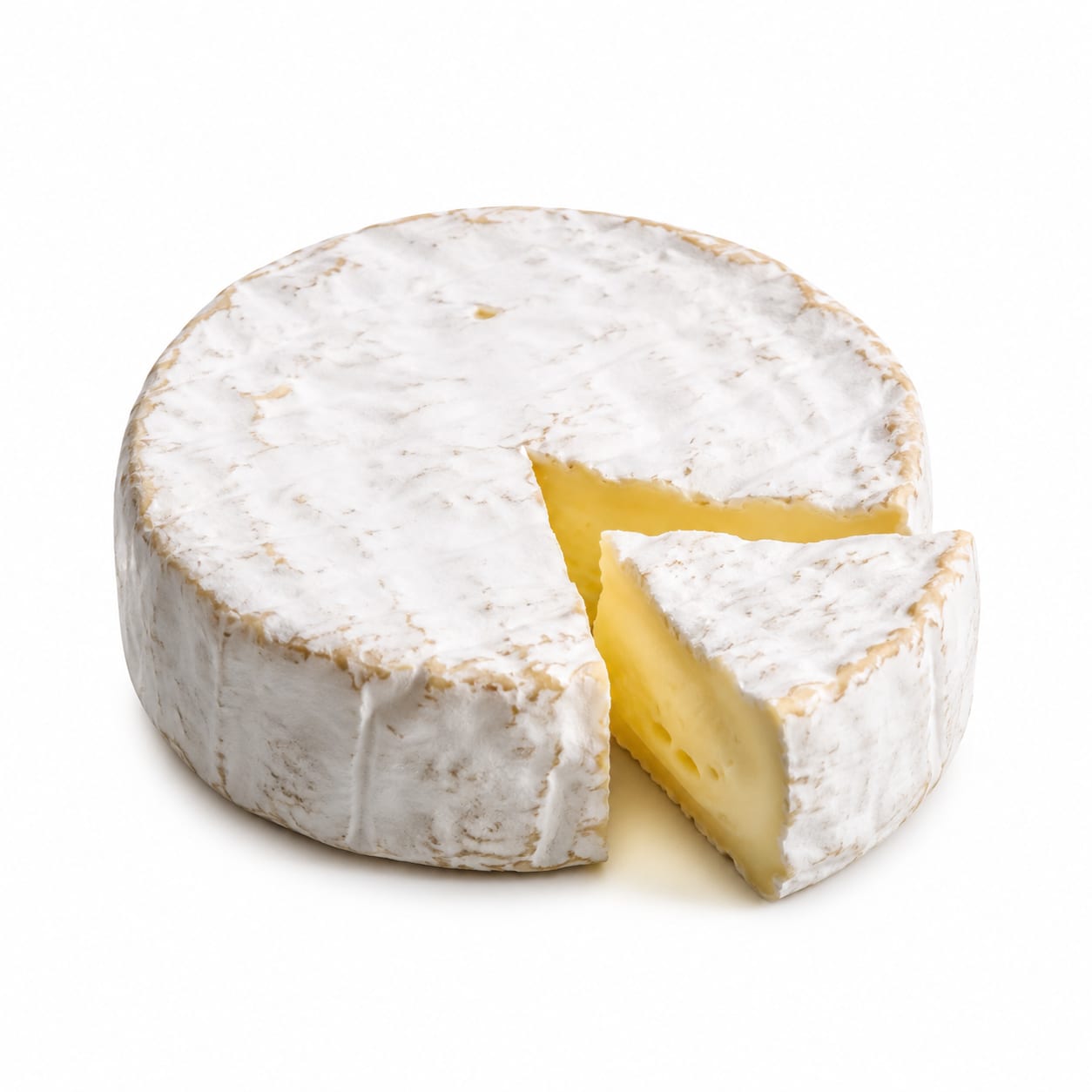
Camembert Cheese
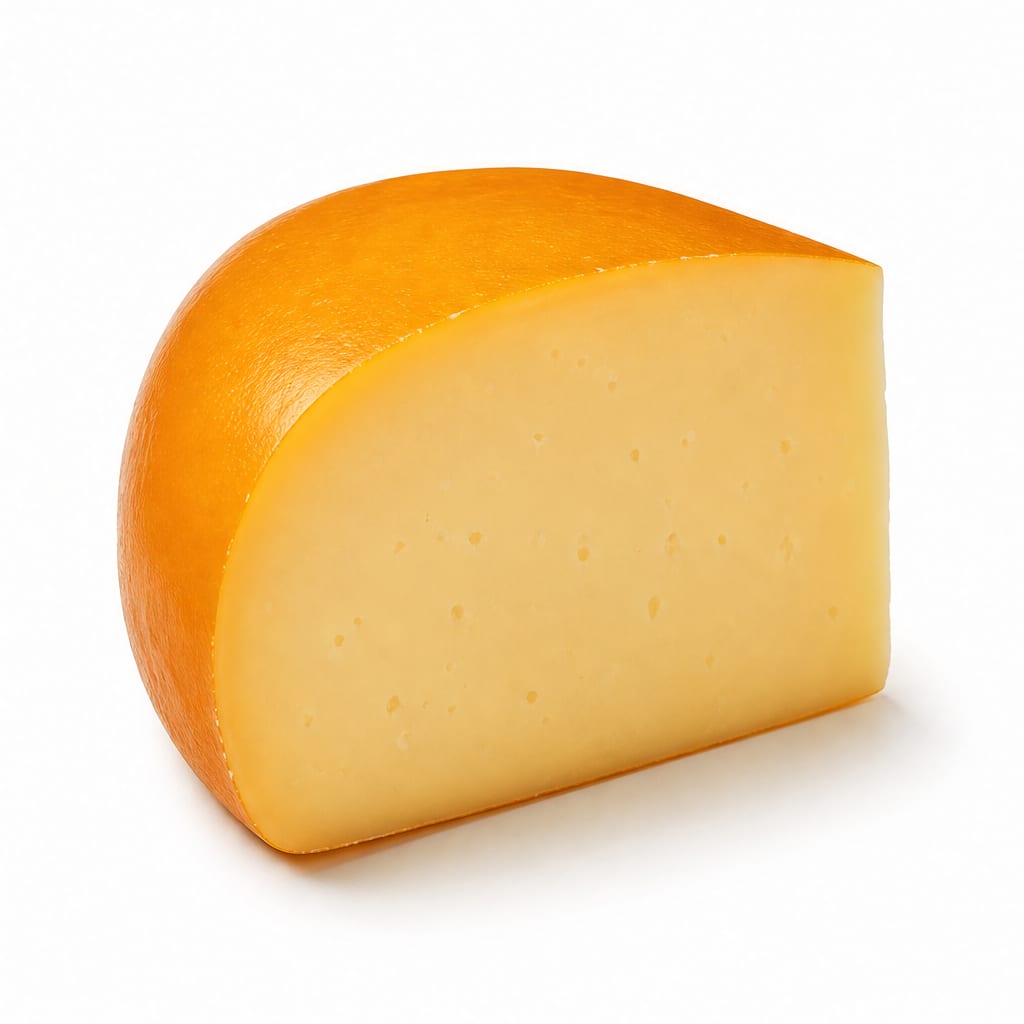
Gouda
Gouda offers more protein, calcium, and safer storage, while Camembert delivers unique probiotics and a richer tasting experience.
Gouda scores higher primarily due to its superior nutrient density per calorie and significantly lower food safety risks, making it a more reliable everyday staple.
Choosing between Gouda's nutrient density and safety versus Camembert's gut-friendly probiotics and creamy indulgence.
At a glance
Executive summary
Overall
Gouda
Healthier
Gouda
More practical
Gouda
Daily use
Gouda
Key comparison lenses
Food safety and Listeria risk
Soft-ripened cheeses like Camembert carry a significantly higher Listeria risk than hard cheeses like Gouda, which is a critical factor for pregnant or immunocompromised individuals.
Nutrient density and bone health
Gouda's lower water content concentrates protein, calcium, and vitamin K2, making it a superior choice for bone support and satiety.
Gut health and probiotics
Camembert's bloomy rind introduces beneficial molds and bacteria that support the microbiome, an advantage Gouda lacks.
Culinary versatility and snacking convenience
Gouda excels in grating, slicing, and melting for meals, while Camembert is limited to snacking and baked appetizers.
Best choice for
Camembert Cheese
- Cheese board enthusiasts seeking a gourmet experience
- Those looking for dairy-based probiotics and microbiome diversity
- Fans of warm, baked appetizers
Gouda
- Pregnant women needing a safe, calcium-rich option
- People tracking protein for muscle maintenance
- Anyone needing a versatile, long-lasting fridge staple
Least suitable for
Camembert Cheese
- Pregnant women or immunocompromised individuals
- Those needing a long-lasting pantry cheese
- People who dislike strong, earthy flavors
Gouda
- Lactose-intolerant individuals (though aged varieties are often tolerated)
- Those wanting a soft, spreadable texture
- People strictly limiting sodium
Deep comparison
Dimension by dimension
Each lens scores both foods and breaks down who each option suits.
- Dimension 1 · Priority 90Gouda
Nutrient Density & Bone Support
Camembert Cheese · 62Gouda · 88Gouda packs significantly more protein, calcium, and vitamin K2 per bite because it contains far less water than Camembert.
Tradeoff
You get more bone-building nutrients with Gouda, but miss out on the unique fungal cultures found in Camembert's rind.
Why it matters
Higher nutrient density means you eat less volume to hit your protein and calcium targets, which helps with calorie control.
Real-world impact
A small serving of Gouda after a workout provides a much stronger protein punch than the same size slice of Camembert.
Camembert Cheese
- Maximizing protein per serving
Worse for
Gouda
- Increasing daily protein intake without excess calories
- Supporting bone density in older adults
- Getting more vitamin K2 for heart and bone health
Better for
- Dimension 2 · Priority 82Camembert Cheese
Gut Health & Probiotics
Camembert Cheese · 85Gouda · 45Camembert's bloomy rind introduces beneficial molds and bacteria that support the microbiome, an advantage Gouda lacks.
Tradeoff
Camembert supports gut health better, but its soft nature increases food safety risks for vulnerable people.
Why it matters
A diverse microbiome is linked to better digestion and immunity, and fermented foods with live cultures help maintain that diversity.
Real-world impact
Eating Camembert occasionally can introduce helpful bacteria to your gut, whereas Gouda acts more as a pure nutrient source.
Camembert Cheese
- Adding beneficial fungi and bacteria to your diet
- Supporting overall digestive diversity
Better for
Gouda
- Providing live probiotic cultures
Worse for
- Dimension 3 · Priority 95Gouda
Food Safety (Listeria Risk)
Camembert Cheese · 45Gouda · 92Soft cheeses like Camembert are a known Listeria risk, whereas Gouda's low moisture and high acidity make it inhospitable to harmful bacteria.
Tradeoff
Gouda is a much safer choice for at-risk groups, but lacks the delicate, creamy texture that makes soft cheese appealing.
Why it matters
Listeria can cause severe illness or miscarriage, making cheese selection a critical decision for pregnant women.
Real-world impact
You can safely eat Gouda during pregnancy without worrying about pasteurization, while Camembert requires strict verification and still carries some risk.
Camembert Cheese
- Avoiding foodborne illness risks
Worse for
Gouda
- Safe snacking during pregnancy
- Worry-free cheese boards for immunocompromised guests
Better for
- Dimension 4 · Priority 78Gouda
Satiety & Caloric Control
Camembert Cheese · 68Gouda · 82Gouda's dense texture and higher protein content make it more filling per serving, helping you eat less overall.
Tradeoff
Gouda is more calorie-dense per gram, but its satiety effect means you naturally stop eating sooner than with the easily consumed Camembert.
Why it matters
Foods that stop you from overeating are crucial for weight management, even if they are calorie-dense.
Real-world impact
It is very easy to eat an entire wheel of melted Camembert with bread, while a few slices of Gouda feel substantial and satisfying.
Camembert Cheese
- Controlling portion sizes due to high palatability
Worse for
Gouda
- Curbing afternoon hunger pangs
- Preventing mindless snacking
Better for
- Dimension 5 · Priority 75Gouda
Culinary Versatility
Camembert Cheese · 55Gouda · 85Gouda excels in grating, slicing, and melting into meals, while Camembert is mostly limited to snacking and baked appetizers.
Tradeoff
Gouda is a workhorse ingredient for everyday cooking, whereas Camembert is a specialty item best for specific occasions.
Why it matters
A versatile cheese reduces food waste and makes healthy meal prep easier.
Real-world impact
You can toss Gouda into salads, sandwiches, and omelets, but Camembert really only shines on a cheese board or baked whole.
Camembert Cheese
- Creating a centerpiece for entertaining
Better for
- Everyday cooking versatility
Worse for
Gouda
- Quick sandwich assembly
- Adding flavor to everyday cooking
- Meal prepping for the week
Better for
Timeline
Health impact over time
Short-term
Hours to days
Camembert Cheese
- Quick, rich satisfaction from the creamy texture
- Potential digestive ease from probiotic cultures
- Can feel heavy if eaten in large quantities
Gouda
- Sustained fullness from dense protein and fat
- Very low blood sugar impact
- May cause thirst due to higher sodium content
Long-term
Months to years
Camembert Cheese
- Improved microbiome diversity from the bloomy rind
- Slight cumulative Listeria risk if sourcing is not carefully verified
- Moderate calcium intake for bone maintenance
Gouda
- Stronger bones and teeth from concentrated calcium and K2
- Easier time hitting daily protein targets for muscle retention
- Sodium can add up if over-consuming aged varieties
Risk profile
Safety & processing
Both are traditional fermented dairy products made with minimal ingredients, though Gouda requires a longer aging process.
Camembert Cheese
Listeria contamination
highThe high moisture and neutral pH of soft-ripened cheeses create an ideal environment for Listeria monocytogenes, especially if made from raw milk.
Histamine intolerance
mediumFermented cheeses contain histamine, which can trigger headaches or digestive issues in sensitive individuals.
Gouda
High sodium load
lowAged cheeses contain moderate to high sodium, which can affect blood pressure if consumed in large amounts.
Histamine in aged varieties
mediumOlder Gouda builds up histamine over time, potentially causing reactions in sensitive people.
Who wins for whom
Audience fit
Same foods, different winners depending on your goal.
children
GoudaGouda is much safer from a foodborne illness perspective and has a milder, kid-friendly flavor when young.
daily consumption
GoudaGouda is more versatile, stores longer, and is safer for consistent, daily use.
diabetes
GoudaBoth have near-zero carbs, but Gouda's higher protein content provides steadier blood sugar stability.
elderly
GoudaGouda provides superior bone-supporting nutrients and carries a much lower Listeria risk for aging immune systems.
muscle gain
GoudaGouda has a higher protein concentration per calorie due to its lower water content.
weight loss
GoudaGouda is more filling per serving, making it easier to control portions and avoid overeating.
Your move
Decision guide
Choose Camembert Cheese
- You want a gourmet cheese board centerpiece for entertaining
- You are specifically looking to add dairy-based probiotics to your diet
- You are making a baked appetizer and want that irresistible melted texture
Choose Gouda
- You are pregnant or serving cheese to immunocompromised guests
- You need a high-protein, calcium-rich snack for bone and muscle health
- You want a versatile cheese for sandwiches, grating, and everyday cooking
Either works if
- You just want a satisfying low-carb snack to curb hunger
- You tolerate dairy well and want healthy fats in your diet
Avoid both if
- You are strictly limiting sodium for blood pressure management
- You have a severe dairy allergy or highly sensitive lactose intolerance
Final recommendation
Keep Gouda in your fridge as a reliable, nutrient-dense daily staple, and save Camembert for occasional gourmet treats when you can verify its pasteurization and quality.
Practical
Consumer tips
- 1
Always check the label on Camembert to ensure it is made from pasteurized milk, especially if you are pregnant.
- 2
Look for tyrosine crystals in aged Gouda—those tiny crunchy bits are a sign of high-quality, well-aged protein breakdown.
- 3
Let Camembert sit at room temperature for 30 minutes before serving to unlock its full flavor and creamy texture.
- 4
Freeze Gouda for 20 minutes before grating to get clean, even shreds without the cheese sticking together.