
Nutrition comparison
Camembert Cheese vs Goat Cheese: Which is Healthier?
Compare Camembert Cheese and Goat Cheese to find out which is better for digestion, weight loss, and daily nutrition. Discover the health tradeoffs and culinary uses of each.
Overall winner · Goat Cheese
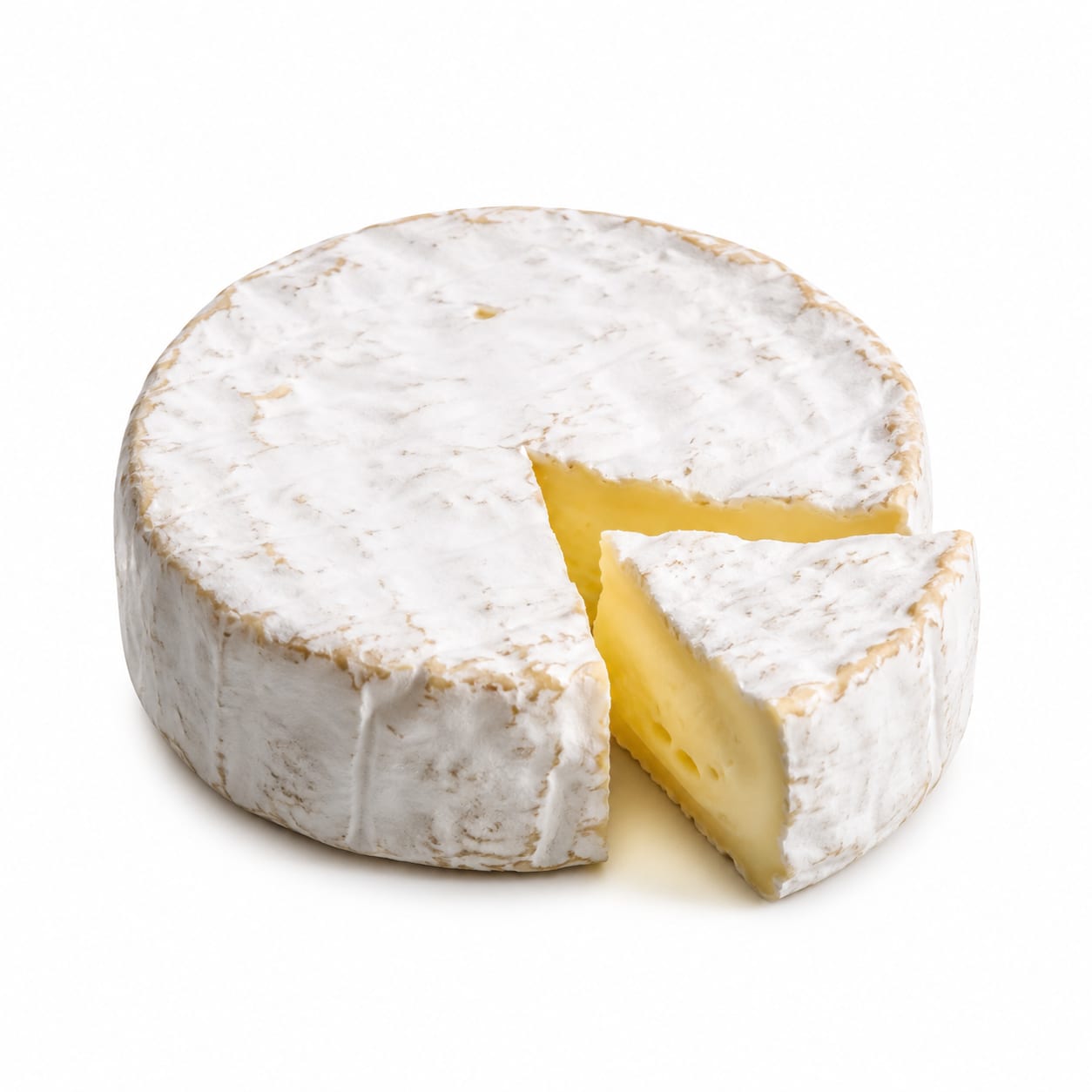
Camembert Cheese
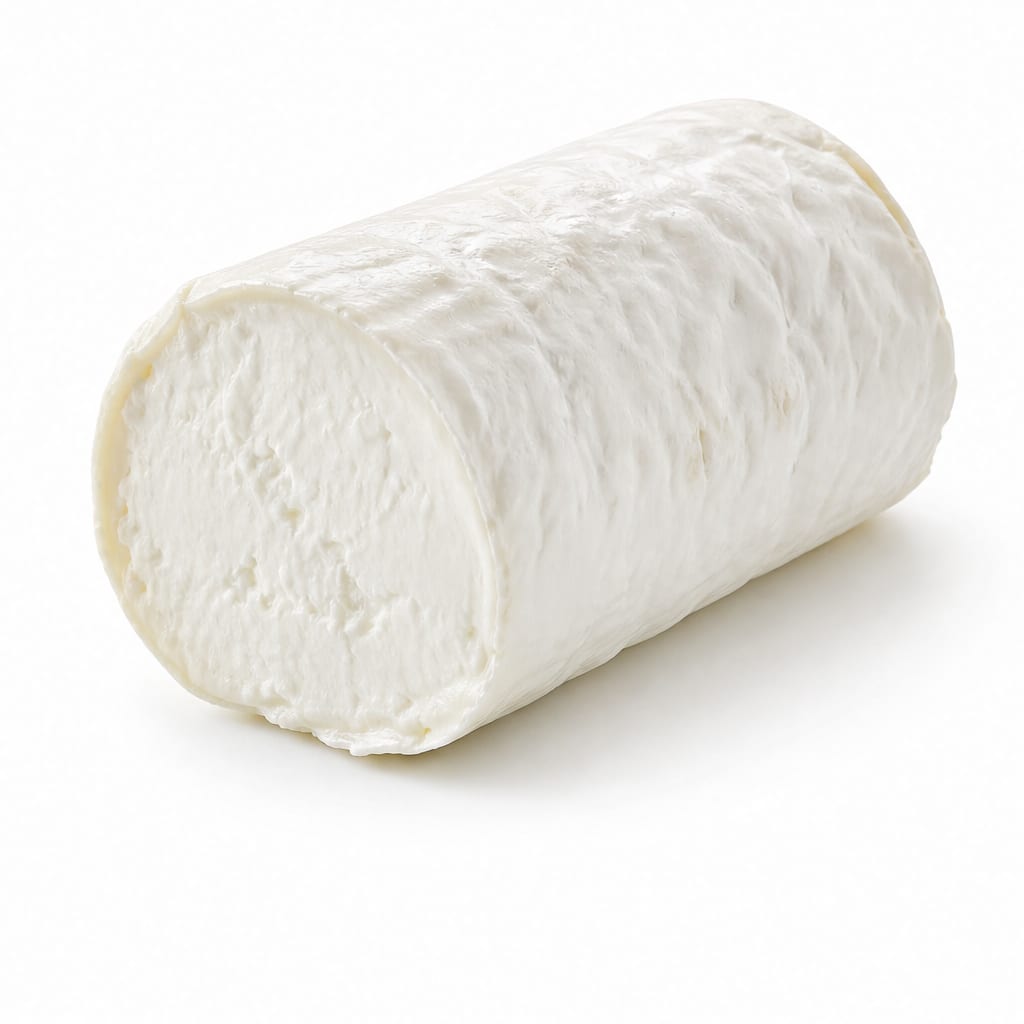
Goat Cheese
Goat Cheese edges out Camembert for daily eating thanks to easier digestion and a slightly friendlier fat profile, though Camembert wins on pure indulgent comfort.
Goat Cheese scores higher due to better digestibility and a slightly better nutritional profile for regular use. Camembert remains a delicious but heavier choice best enjoyed in moderation.
Rich, creamy comfort versus lighter, easier digestion.
At a glance
Executive summary
Overall
Goat Cheese
Healthier
Goat Cheese
More practical
Goat Cheese
Daily use
Goat Cheese
Key comparison lenses
Digestive tolerance and lactose sensitivity
Goat Cheese is naturally lower in lactose and often easier to digest than cow's milk Camembert.
Saturated fat and heart health
Both are rich cheeses, but fat profile differences impact daily health choices.
Culinary use and flavor preference
Creamy and earthy versus tangy and crumbly dictate how each fits into meals.
Sodium content and blood pressure
Soft-ripened cheeses like Camembert can be surprisingly high in sodium.
Best choice for
Camembert Cheese
- Charcuterie boards and entertaining
- Comforting, indulgent snacking
- Baking into warm, gooey dishes
Goat Cheese
- Salads and light meals
- People with mild lactose sensitivity
- Everyday sandwich or wrap spreads
Least suitable for
Camembert Cheese
- Daily heavy consumption due to high saturated fat
- Lactose intolerant individuals
- Low-sodium diets
Goat Cheese
- Those avoiding tangy flavors
- Strict low-fat diets
- Recipes requiring a melting, gooey texture
Deep comparison
Dimension by dimension
Each lens scores both foods and breaks down who each option suits.
- Dimension 1 · Priority 92Goat Cheese
Digestive Tolerance
Camembert Cheese · 55Goat Cheese · 85Goat Cheese is much gentler on the stomach for most people.
Tradeoff
You give up the ultra-creamy mouthfeel of Camembert but avoid the bloating that often follows cow's milk cheeses.
Why it matters
Many adults have some degree of lactose sensitivity, making cow's milk soft cheeses a common trigger for discomfort.
Real-world impact
Eating Goat Cheese as an afternoon snack leaves you feeling light, while Camembert might make you want to unbutton your jeans.
Camembert Cheese
- Those with zero lactose issues who prioritize texture
Better for
- Evening snacking if you are prone to indigestion
Worse for
Goat Cheese
- Sensitive stomachs
- Post-workout meals where heaviness is unwanted
- People prone to bloating
Better for
- Situations where a rich, comforting bite is the whole point
Worse for
- Dimension 2 · Priority 85Goat Cheese
Heart Health & Fat Profile
Camembert Cheese · 50Goat Cheese · 65Goat Cheese contains slightly less saturated fat and features medium-chain fatty acids that are easier for the body to use for energy rather than store.
Tradeoff
Neither is a low-fat food, but Goat Cheese is less likely to negatively impact cholesterol when eaten in reasonable portions.
Why it matters
Frequent saturated fat intake from cow's milk cheese can raise LDL cholesterol over time.
Real-world impact
Choosing Goat Cheese for your daily salads is a smarter long-term habit for your heart than slicing Camembert every night.
Camembert Cheese
- Occasional indulgent meals where nutritional tradeoffs are secondary
Better for
- People with a family history of heart disease eating cheese daily
Worse for
Goat Cheese
- Daily cheese eaters
- Those managing cholesterol levels
Better for
- Those who assume all goat cheese is inherently heart-healthy and overeat it
Worse for
- Dimension 3 · Priority 75Goat Cheese
Sodium Load
Camembert Cheese · 45Goat Cheese · 60Camembert is typically saltier than fresh Goat Cheese, which can sneakily push you over your daily sodium limits.
Tradeoff
The salt in Camembert is part of what makes it so addictive and flavorful, but it comes at a cost for blood pressure.
Why it matters
High sodium intake is a leading driver of hypertension, and cheese is a hidden source for many people.
Real-world impact
A few slices of Camembert can contain nearly a quarter of your daily sodium allowance, leaving you feeling parched.
Camembert Cheese
- Flavor enhancement in dishes where you would add salt anyway
Better for
- Late-night snacking where salt leads to water retention by morning
Worse for
Goat Cheese
- Those watching their blood pressure
- People who salt their food heavily elsewhere
Better for
- Aged goat cheeses, which can be just as salty as Camembert
Worse for
- Dimension 4 · Priority 80It depends
Culinary Versatility & Satiety
Camembert Cheese · 75Goat Cheese · 80Camembert excels in warm, melted applications, while Goat Cheese shines cold or crumbled, offering more everyday utility.
Tradeoff
Camembert provides a deeply satisfying, comforting richness, whereas Goat Cheese offers a bright tang that cuts through heavy dishes.
Why it matters
How you actually use the cheese determines how often you will reach for it and how much you will eat.
Real-world impact
Camembert is perfect for a weekend baked cheese dip, but Goat Cheese is the easier toss-in for a Tuesday night salad.
Camembert Cheese
- Baked appetizers
- Cheese boards paired with sweet jams
Better for
- Quick, everyday meal prep
Worse for
Goat Cheese
- Salads and grain bowls
- Spreading on toast or sandwiches
Better for
- Recipes requiring a stretchy or gooey melt
Worse for
Timeline
Health impact over time
Short-term
Hours to days
Camembert Cheese
- Quick feeling of fullness due to high fat content
- Potential bloating or gas for lactose-sensitive individuals
- Salty taste might trigger cravings for more food or wine
Goat Cheese
- Satisfying without feeling overly heavy
- Easier digestion with less post-meal discomfort
- Tangy flavor naturally signals the brain to stop eating sooner
Long-term
Months to years
Camembert Cheese
- Higher saturated fat intake could impact heart health if eaten daily
- Sodium load may contribute to elevated blood pressure over time
- Calcium and probiotics support bone and gut health
Goat Cheese
- Easier to maintain a healthy weight when used as a primary cheese
- Medium-chain fatty acids may support better energy metabolism
- Good calcium source without the heavy digestive burden
Risk profile
Safety & processing
Both are fermented dairy products with simple ingredient lists, though fresh Goat Cheese is typically less aged and processed than soft-ripened Camembert.
Camembert Cheese
Listeria contamination
highSoft-ripened cheeses made from unpasteurized milk carry a significant Listeria risk, especially dangerous for pregnant women.
Histamine intolerance
mediumAged and fermented cheeses like Camembert are high in histamine, which can trigger headaches or skin reactions in sensitive people.
Goat Cheese
Listeria contamination
mediumWhile fresh Goat Cheese is less prone to Listeria than soft-ripened cheeses, unpasteurized versions still pose a risk.
Dairy allergy cross-reactivity
lowSome individuals with severe cow's milk allergies may still react to goat's milk proteins, though many tolerate it well.
Who wins for whom
Audience fit
Same foods, different winners depending on your goal.
children
Camembert CheeseChildren often prefer the mild, creamy flavor of Camembert over the tangy taste of Goat Cheese, provided it is fully pasteurized.
daily consumption
Goat CheeseLower sodium, easier digestion, and a lighter mouthfeel make Goat Cheese a more sustainable daily habit.
diabetes
Goat CheeseGoat Cheese has slightly less lactose and a marginally better fat profile, making it a safer choice for blood sugar stability.
elderly
Goat CheeseGoat Cheese is easier to digest and gentler on aging digestive systems, while still providing necessary calcium.
muscle gain
It dependsBoth provide moderate protein, but neither is a primary muscle-building food; they are better used as flavor additions to high-protein meals.
weight loss
Goat CheeseGoat Cheese is slightly lower in calories and fat per serving, and its strong flavor means a little goes a long way.
Your move
Decision guide
Choose Camembert Cheese
- You want a rich, comforting treat for a special occasion
- You are building an impressive charcuterie board
- You have no lactose issues and crave a gooey, earthy bite
Choose Goat Cheese
- You want a versatile cheese for everyday salads and sandwiches
- You experience bloating or discomfort from cow's milk cheeses
- You are watching your sodium or saturated fat intake closely
Either works if
- You are simply looking for a flavorful cheese to pair with wine
- You need a quick source of fat and protein to stabilize blood sugar
Avoid both if
- You are strictly vegan or avoiding all dairy
- You are pregnant and cannot confirm the cheese is made from pasteurized milk
- You are on a strict low-fat diet prescribed by a doctor
Final recommendation
Keep Goat Cheese in your fridge for everyday meals and save Camembert for the weekends. You get the daily benefits of easier digestion and lower sodium, without giving up the occasional rich indulgence.
Practical
Consumer tips
- 1
Always check the label for pasteurization if you are pregnant or immunocompromised.
- 2
Pair either cheese with high-fiber foods like apple slices or whole grain crackers to blunt the fat impact on your digestion.
- 3
If buying Goat Cheese, opt for fresh logs over aged varieties to keep sodium and histamine levels down.
- 4
Let Camembert sit at room temperature for 30 minutes before eating to maximize its creamy texture and flavor.