
Nutrition comparison
Camembert Cheese vs Cream Cheese: Which Is Healthier?
Compare Camembert cheese and cream cheese on nutrition, sodium, probiotics, processing, and daily practicality. Find out which soft cheese fits your health goals better.
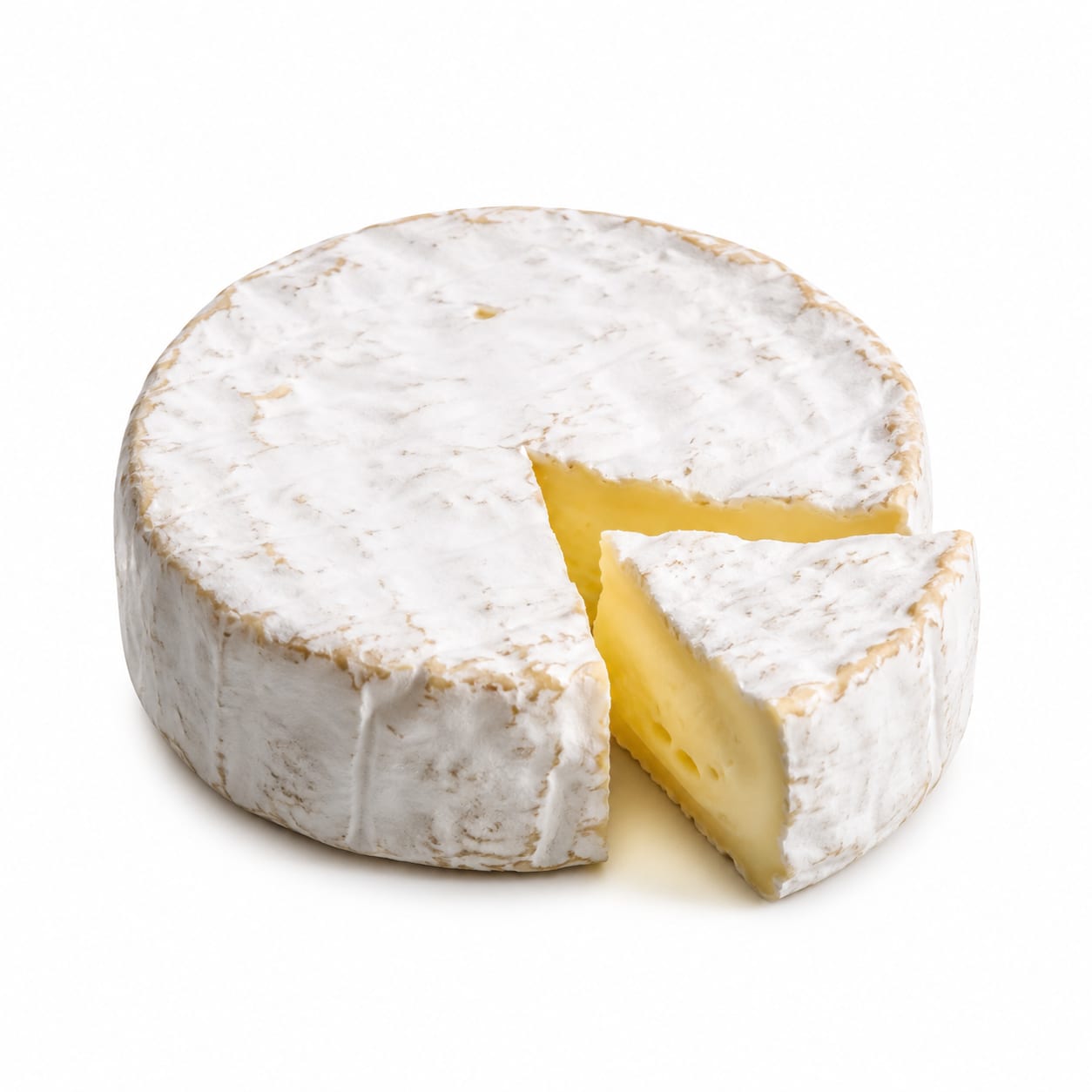
Camembert Cheese
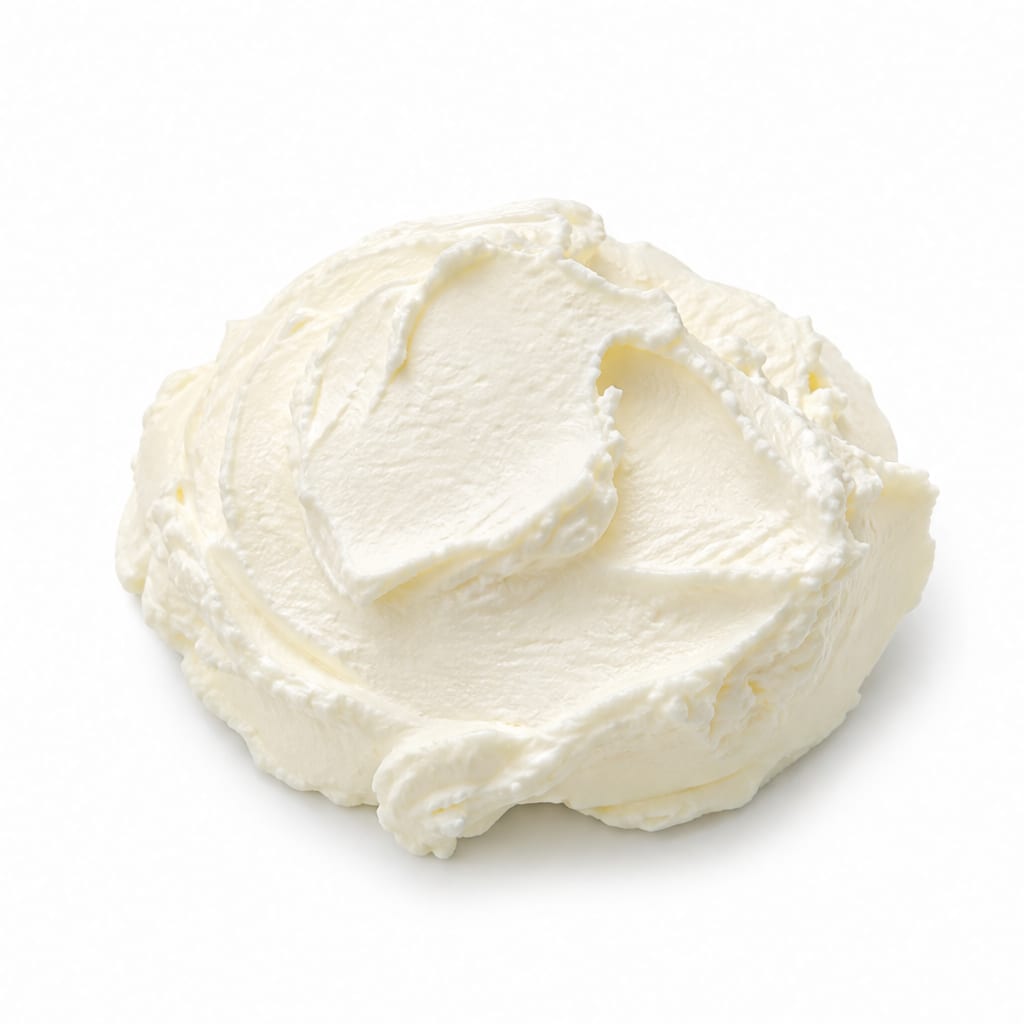
Cream Cheese
Camembert offers more nutritional depth and gut benefits but packs far more sodium; cream cheese is milder and lower-salt but more processed and less nutrient-rich.
Camembert scores higher for nutritional quality and fermentation benefits but loses ground on sodium and food safety. Cream cheese is more practical daily but more processed and less nutrient-rich. The gap is moderate because both are high-fat cheeses with limited daily utility.
Fermented probiotic richness and stronger flavor in Camembert versus lower sodium and milder versatility in cream cheese.
At a glance
Executive summary
Overall
It depends
Healthier
Camembert Cheese
More practical
Cream Cheese
Daily use
Cream Cheese
Key comparison lenses
fermented vs fresh cheese health tradeoffs
Camembert is a fermented, aged cheese with live cultures while cream cheese is fresh and unaged, creating fundamentally different health profiles
sodium and blood pressure concerns
Aged cheeses like Camembert are significantly higher in sodium than fresh cream cheese, a critical factor for many consumers
processing and additive exposure
Cream cheese commonly contains stabilizers, gums, and preservatives while Camembert is traditionally made with minimal ingredients
everyday spreading and snacking practicality
Both are soft spreadable cheeses but differ greatly in flavor intensity, portion control, and usage patterns
gut health and probiotic benefits
Camembert's fermentation delivers beneficial bacteria that cream cheese completely lacks
Best choice for
Camembert Cheese
- Cheese lovers seeking gut-friendly fermented foods
- People watching portion sizes naturally through strong flavor
- Those wanting more vitamins and minerals from their cheese
- Charcuterie and entertaining where small rich portions shine
Cream Cheese
- People managing blood pressure or sodium intake
- Baking and cooking needing a neutral creamy base
- Families wanting a mild kid-friendly spread
- Anyone needing an affordable everyday bagel topping
Least suitable for
Camembert Cheese
- People on strict low-sodium diets
- Those with mold allergies or compromised immune systems
- Anyone sensitive to strong pungent flavors
- Hot weather snacking where ripe cheese gets overwhelming
Cream Cheese
- Those avoiding processed foods with stabilizers and gums
- People seeking probiotic or fermented food benefits
- Anyone looking for nutrient-dense cheese with real depth
- Those prone to overeating bland high-calorie spreads
Deep comparison
Dimension by dimension
Each lens scores both foods and breaks down who each option suits.
- Dimension 1 · Priority 92Camembert Cheese
Nutritional Density
Camembert Cheese · 72Cream Cheese · 48Camembert delivers more protein, vitamin B12, riboflavin, and beneficial compounds from fermentation. Cream cheese is mostly fat with modest calcium.
Tradeoff
You get more micronutrients and bioactive compounds from Camembert but also more sodium per serving.
Why it matters
If cheese is an occasional food, making it nutrient-dense matters more than calorie minimization.
Real-world impact
A wedge of Camembert with fruit feels like a complete satisfying snack. Cream cheese on a bagel often leaves you hungry an hour later.
Camembert Cheese
- Getting more nutritional value per calorie consumed
- Supplementing B-vitamin intake through food
- Adding mineral diversity to a cheese plate
Better for
- Anyone tracking sodium closely
- People who find strong cheese unpalatable
Worse for
Cream Cheese
- Keeping calorie counts predictable in recipes
- Maintaining neutral nutrition that doesn't compete with other ingredients
Better for
- Those relying on cheese as a meaningful protein source
- Anyone seeking fermented food benefits
Worse for
- Dimension 2 · Priority 90Cream Cheese
Sodium Load
Camembert Cheese · 35Cream Cheese · 68Camembert contains roughly 400-500mg sodium per 100g while cream cheese sits around 300mg. The aged fermentation process concentrates salt significantly.
Tradeoff
The salt that preserves and flavors Camembert also makes it a concern for blood pressure management.
Why it matters
For the roughly half of adults managing hypertension, sodium is the single most important cheese metric.
Real-world impact
Two wedges of Camembert can deliver a third of your daily sodium limit. Cream cheese on a bagel uses about 10-15% of your allowance.
Camembert Cheese
- Flavor satisfaction that naturally limits overconsumption
- Salty pairing that complements sweet fruits and honey
Better for
- Anyone with hypertension or kidney concerns
- Those already eating processed or restaurant meals high in sodium
Worse for
Cream Cheese
- Blood pressure management and heart health
- More room for sodium from other foods throughout the day
Better for
- People who find low-salt cheese unsatisfying and overeat to compensate
Worse for
- Dimension 3 · Priority 85Camembert Cheese
Processing and Additives
Camembert Cheese · 82Cream Cheese · 48Traditional Camembert uses just milk, cultures, rennet, and salt. Commercial cream cheese typically adds stabilizers like carob bean gum, guar gum, and sometimes preservatives.
Tradeoff
Camembert's simplicity comes with shorter shelf life and more handling sensitivity. Cream cheese's additives enable consistent texture and longer fridge life.
Why it matters
People avoiding ultra-processed foods should know that cream cheese falls further along that spectrum.
Real-world impact
A Camembert ingredient list you can read in five seconds versus cream cheese labels with multiple unpronounceable additives.
Camembert Cheese
- Clean eating and whole-food approaches
- Those sensitive to food gums or emulsifiers
Better for
- Short window of peak ripeness creates food waste risk
- Requires more attention to storage and handling
Worse for
Cream Cheese
- Consistent cooking and baking results
- Longer storage without spoilage waste
Better for
- Anyone avoiding processed food additives
- Those experiencing digestive issues from gums and stabilizers
Worse for
- Dimension 4 · Priority 80Camembert Cheese
Gut Health and Fermentation
Camembert Cheese · 85Cream Cheese · 20Camembert is a living fermented food with beneficial bacteria and bioactive peptides. Cream cheese is essentially sterile fresh dairy with no fermentation benefits.
Tradeoff
The mold and bacteria that make Camembert health-promoting also create food safety considerations for vulnerable people.
Why it matters
Fermented dairy is one of the most evidence-supported categories for gut and immune health.
Real-world impact
Regular fermented cheese eaters get a small daily probiotic boost. Cream cheese offers nothing in this department.
Camembert Cheese
- Supporting microbiome diversity through food
- Accessing anti-inflammatory peptides from fermentation
- Complementing other fermented foods in the diet
Better for
- Immunocompromised individuals at risk from surface molds
- Pregnant women advised against unpasteurized varieties
Worse for
Cream Cheese
- Those with compromised immune systems who should avoid moldy foods
- People taking probiotics separately who don't need food sources
Better for
- Anyone specifically seeking fermented food benefits
- Those wanting cheese to contribute to gut health goals
Worse for
- Dimension 5 · Priority 75Camembert Cheese
Satiety and Overeating Risk
Camembert Cheese · 70Cream Cheese · 45Camembert's intense flavor naturally limits portions. Cream cheese's mild blandness makes it easy to spread thickly and consume far more calories than intended.
Tradeoff
Strong flavor protects against overeating but limits versatility. Mild flavor enables broad use but removes natural portion control.
Why it matters
With both foods packing 300+ calories per 100g, portion control is the biggest practical health lever.
Real-world impact
Most people stop after 30-40g of Camembert. A bagel with cream cheese often carries 60-80g without feeling like much.
Camembert Cheese
- Natural portion control through flavor intensity
- Feeling satisfied with less total calorie intake
Better for
- Social settings where you keep eating cheese beyond fullness
- Pairing with wine which can override natural satiety signals
Worse for
Cream Cheese
- Kids and picky eaters who refuse strong flavors
- Recipes needing large amounts of cheese without dominating taste
Better for
- Mindless spreading leading to excessive calorie intake
- Never feeling truly satisfied which triggers more snacking
Worse for
- Dimension 6 · Priority 72Cream Cheese
Versatility and Convenience
Camembert Cheese · 45Cream Cheese · 82Cream cheese works in bagels, dips, frosting, pasta sauces, and stuffed dishes. Camembert is mostly eaten as-is or baked occasionally.
Tradeoff
Cream cheese's neutral adaptability means it shows up in more meals but contributes less character to each one.
Why it matters
A food you actually use consistently beats a superior food that sits in the fridge past its prime.
Real-world impact
Cream cheese is a kitchen staple you reach for three ways before lunch. Camembert is a specific purchase for a specific occasion.
Camembert Cheese
- Creating memorable cheese courses and appetizer moments
- Impressing guests with minimal preparation effort
Better for
- Quick weekday meals needing fast fridge-to-plate solutions
- Anyone lacking confidence with cheese ripeness and timing
Worse for
Cream Cheese
- Meal prep and batch cooking applications
- Budget-conscious cooking where one ingredient serves multiple roles
Better for
- Special occasions wanting something distinctive and artisanal
- Cheese enthusiasts who find cream cheese boring
Worse for
Timeline
Health impact over time
Short-term
Hours to days
Camembert Cheese
- Strong umami satisfaction that curbs cravings quickly
- Potential digestive discomfort if very ripe or consumed in large amounts
- Higher sodium may cause bloating or thirst in sensitive individuals
Cream Cheese
- Easy to overconsume calories without feeling full due to mild flavor
- Stabilizers may cause mild digestive upset in sensitive people
- Rapid energy from fat with minimal satiety signaling
Long-term
Months to years
Camembert Cheese
- Regular fermented dairy intake associated with improved gut microbiome diversity
- Higher sodium intake may contribute to elevated blood pressure over time
- Beneficial peptides from fermentation may support immune function
Cream Cheese
- Frequent consumption without portion awareness contributes to gradual weight gain
- Additive exposure from gums and preservatives accumulates across processed foods
- Absence of fermentation benefits means missing a dietary health opportunity
Risk profile
Safety & processing
Traditional Camembert uses four ingredients and time. Commercial cream cheese uses industrial processes to achieve consistent texture and shelf stability, requiring gums, stabilizers, and sometimes preservatives. If ingredient simplicity matters to you, Camembert is clearly the cleaner option.
Camembert Cheese
Listeria from unpasteurized milk varieties
highRaw milk Camembert carries genuine listeria risk. Pregnant women, elderly, and immunocompromised should only consume pasteurized versions.
Surface mold overgrowth in very aged specimens
mediumWhile Penicillium camemberti is safe, overripe cheese can harbor unwanted molds. Discard if you see unusual colors beyond the white rind.
Improper storage temperature abuse
mediumSoft cheeses are more vulnerable to temperature fluctuation than hard cheeses. Keep refrigerated and consume within a few days of opening.
Cream Cheese
Contamination after opening due to repeated spreading
mediumDouble-dipping knives introduce bacteria that multiply in the moist environment. Use clean utensils each time.
Mold growth on improperly sealed containers
lowCream cheese mold is usually visible and easily avoided. Unlike hard cheeses, you should discard entirely if mold appears.
Additive sensitivities to gums and stabilizers
lowCarob bean gum and guar gum can cause digestive issues in sensitive individuals but are generally recognized as safe.
Who wins for whom
Audience fit
Same foods, different winners depending on your goal.
children
Cream CheeseMild flavor kids accept readily, lower sodium protects developing kidneys, and no surface mold concerns. Save Camembert for when palates mature.
daily consumption
Cream CheeseLower sodium, milder flavor, and broader versatility make cream cheese easier to incorporate regularly without accumulating health risks, provided portions stay reasonable.
diabetes
Camembert CheeseBoth are very low in carbohydrates, but Camembert's fermentation may offer marginal benefits for insulin sensitivity. Neither is a significant concern for blood sugar directly.
elderly
It dependsCamembert's probiotics and higher nutrient density benefit aging bodies, but its sodium and potential listeria risk from raw milk versions are serious concerns. Choose pasteurized Camembert if opting for it.
muscle gain
Camembert CheeseCamembert provides slightly more protein per calorie and more B-vitamins that support energy metabolism during training.
weight loss
Camembert CheeseStrong flavor naturally limits intake to smaller portions. A small wedge feels like a complete treat, whereas cream cheese on bagels can easily deliver 200+ calories without satisfaction.
Your move
Decision guide
Choose Camembert Cheese
- You want a fermented food that contributes to gut health
- Strong flavor helps you naturally eat smaller portions
- Clean ingredients and minimal processing are priorities
- You're building a cheese board or entertaining guests
- You get most of your sodium from home cooking rather than processed food
Choose Cream Cheese
- You're managing blood pressure and tracking sodium carefully
- You need a versatile spread for daily breakfast or meal prep
- You're cooking or baking where neutral creaminess matters more than character
- You have kids who need mild flavors and lower salt
- You want something that lasts reliably in the fridge without timing ripeness
Either works if
- You're looking for a low-carb cheese option for keto or diabetic eating
- You want an occasional treat rather than a daily staple
- You pair cheese with fruit or crackers for a balanced snack
Avoid both if
- You have a dairy allergy or severe lactose intolerance
- You're following a strict low-fat diet for cardiovascular reasons
- You're trying to reduce overall calorie density in your meals
Final recommendation
Keep both in your rotation for different purposes. Use Camembert when you want a small, satisfying, nutrient-rich cheese experience with fermentation benefits. Use cream cheese when you need practical everyday spreading with lower sodium. The real health win is treating both as occasional foods rather than daily staples, since neither belongs at the center of a healthy diet.
Practical
Consumer tips
- 1
Always check that Camembert is made from pasteurized milk if you're pregnant, elderly, or immunocompromised
- 2
Let Camembert sit at room temperature for 30 minutes before eating to unlock its full flavor and texture
- 3
Measure cream cheese portions rather than spreading freely — the calories add up deceptively fast
- 4
Look for cream cheese brands with shorter ingredient lists if you want to avoid unnecessary stabilizers
- 5
Freeze cream cheese for baking; it separates slightly when thawed but works fine in cooked recipes
- 6
Pair Camembert with fresh fruit and nuts to turn a cheese snack into a more balanced mini-meal
- 7
Use cream cheese as a base for vegetable dips to increase its nutritional value and satiety