
Nutrition comparison
Camembert Cheese vs Cottage Cheese: Nutrition & Health Comparison
Compare Camembert Cheese vs Cottage Cheese for protein, calories, weight loss, and daily use. Find out which cheese is healthier for your goals.
Overall winner · Cottage Cheese
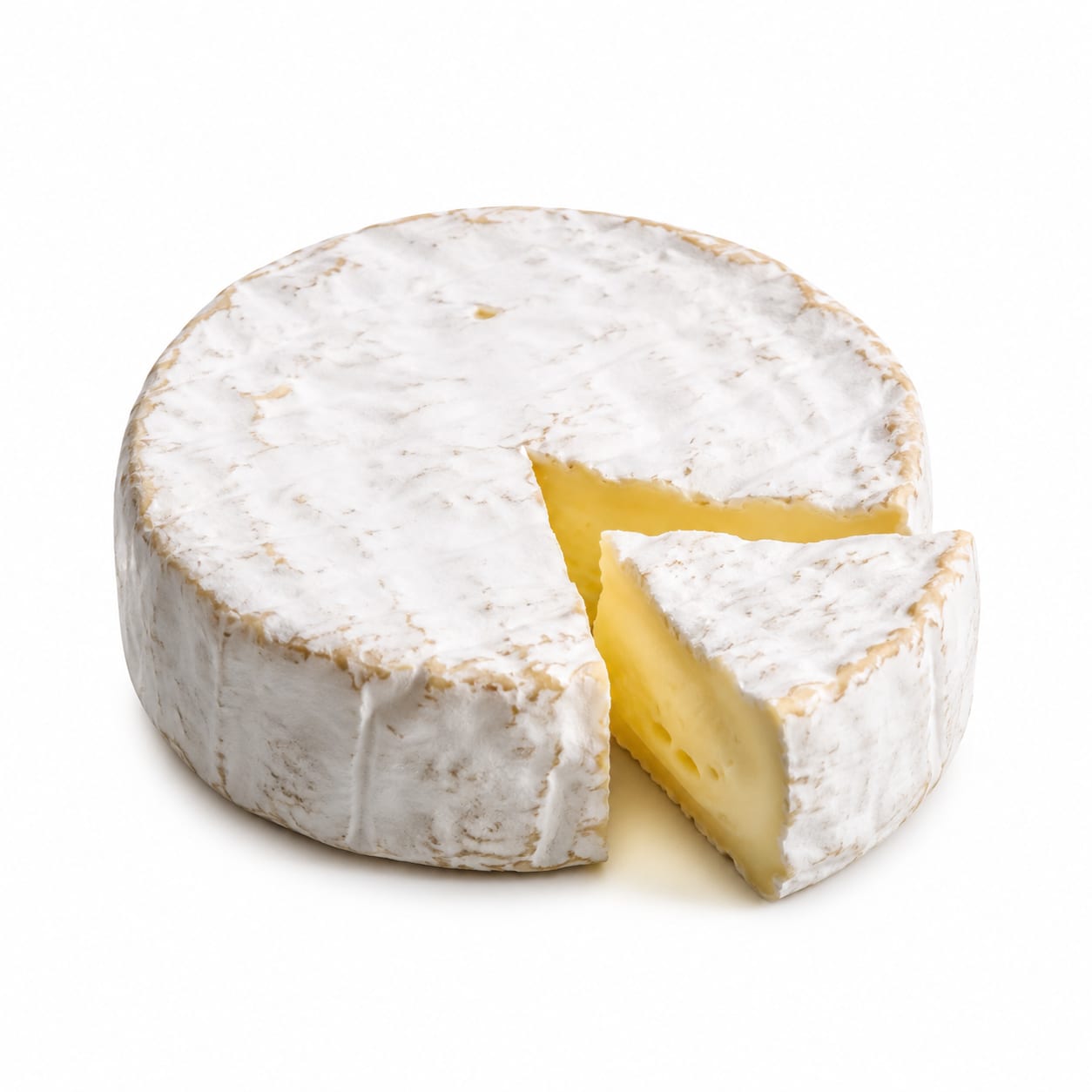
Camembert Cheese
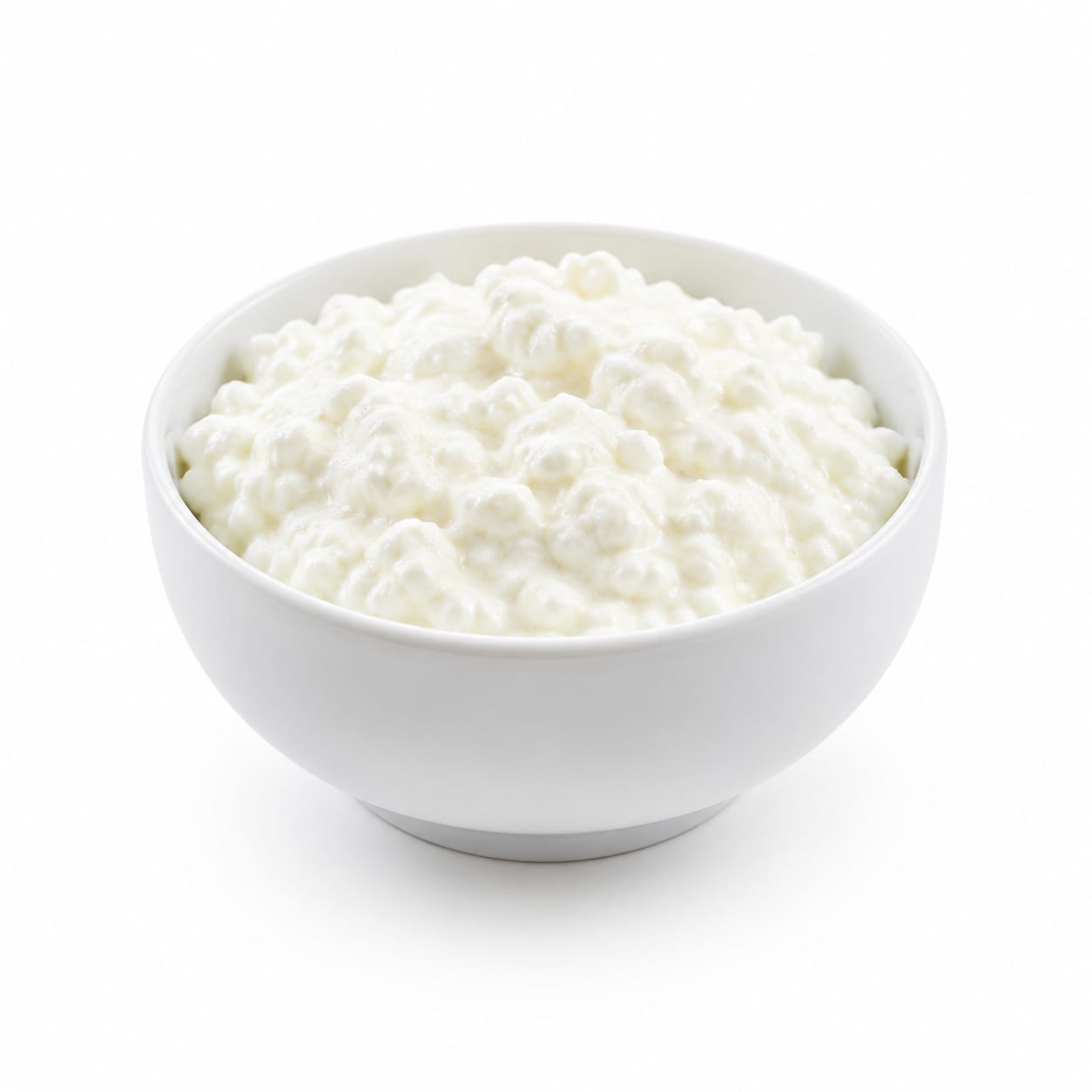
Cottage Cheese
Cottage Cheese dominates for protein, satiety, and weight management, while Camembert Cheese offers a richer, more indulgent flavor experience.
Cottage Cheese scores significantly higher due to its exceptional protein-to-calorie ratio and versatility for daily health goals. Camembert Cheese scores lower mainly because its high fat and calorie density make it a less practical everyday choice.
High protein and low calories versus luxurious taste and higher fat content.
At a glance
Executive summary
Overall
Cottage Cheese
Healthier
Cottage Cheese
More practical
Cottage Cheese
Daily use
Cottage Cheese
Key comparison lenses
weight loss and satiety
Cottage Cheese is a classic weight-loss food due to high volume and protein, while Camembert Cheese is calorie-dense
protein intake
Cottage Cheese provides a massive protein hit, whereas Camembert Cheese is primarily a fat source
culinary enjoyment vs utility
Camembert Cheese is an indulgent experience, while Cottage Cheese is often eaten purely for its nutritional profile
sodium and bloating
Both cheeses can be high in sodium, impacting water retention and blood pressure
Best choice for
Camembert Cheese
- Wine and cheese pairings
- Charcuterie boards
- Indulgent weekend treats
- Replacing meat with a rich vegetarian snack
Cottage Cheese
- High-protein breakfasts
- Post-workout recovery
- Late-night filling snacks
- Calorie-controlled diets
Least suitable for
Camembert Cheese
- Daily high-protein needs
- Strict calorie deficits
- Low-sodium diets
Cottage Cheese
- Gourmet entertaining
- Those who dislike dairy curds
- Low-protein diets
Deep comparison
Dimension by dimension
Each lens scores both foods and breaks down who each option suits.
- Dimension 1 · Priority 95Cottage Cheese
Protein Content & Muscle Support
Camembert Cheese · 15Cottage Cheese · 95Cottage Cheese is a protein powerhouse, while Camembert Cheese provides minimal protein per serving.
Tradeoff
You sacrifice rich flavor for massive protein gains by choosing Cottage Cheese over Camembert Cheese.
Why it matters
Protein is crucial for staying full, building muscle, and maintaining a healthy metabolism.
Real-world impact
A bowl of Cottage Cheese after a workout accelerates recovery; Camembert Cheese barely moves the needle on your daily protein needs.
Camembert Cheese
- Getting calories for endurance activities
Better for
- Body recomposition
- Athletic recovery
Worse for
Cottage Cheese
- Muscle repair
- Meeting daily protein targets
Better for
- Those strictly limiting protein
Worse for
- Dimension 2 · Priority 90Cottage Cheese
Calorie Density & Weight Management
Camembert Cheese · 25Cottage Cheese · 88Camembert Cheese is highly calorie-dense due to its fat content, whereas Cottage Cheese is light and low-calorie.
Tradeoff
Indulging in Camembert Cheese costs far more calories per bite than the voluminous, lean Cottage Cheese.
Why it matters
Calorie density dictates how much you can eat without gaining weight.
Real-world impact
You can eat a large bowl of Cottage Cheese for under 200 calories, but a few small wedges of Camembert Cheese easily exceed that.
Camembert Cheese
- Backpacking and needing compact energy
Better for
- Portion control
- Fat loss
Worse for
Cottage Cheese
- Staying full on a calorie deficit
- Volume eating
Better for
- Rapid weight gain strategies
Worse for
- Dimension 3 · Priority 85Cottage Cheese
Satiety & Appetite Control
Camembert Cheese · 55Cottage Cheese · 90Cottage Cheese keeps you full for hours thanks to its high protein and water volume. Camembert Cheese satisfies taste buds but less effective at stopping hunger.
Tradeoff
Volume and protein-based fullness versus fat-based flavor satisfaction.
Why it matters
Staying full prevents overeating and snacking between meals.
Real-world impact
Cottage Cheese at lunch prevents the afternoon energy crash and cravings; Camembert Cheese might leave you wanting more food soon after.
Camembert Cheese
- Ending a meal with sensory satisfaction
Better for
- Managing habitual snacking
Worse for
Cottage Cheese
- Curbing late-night hunger
- Stretching time between meals
Better for
- Craving rich, comforting textures
Worse for
- Dimension 4 · Priority 70Camembert Cheese
Gut Health & Probiotics
Camembert Cheese · 80Cottage Cheese · 60Camembert Cheese contains diverse beneficial molds and bacteria from the aging process, while Cottage Cheese has fewer live cultures.
Tradeoff
Camembert Cheese offers a more complex probiotic profile, but comes with more saturated fat.
Why it matters
A diverse gut microbiome supports digestion and immunity.
Real-world impact
Enjoying Camembert Cheese as an appetizer can introduce helpful bacteria, whereas Cottage Cheese offers milder digestive benefits.
Camembert Cheese
- Adding microbial diversity
Better for
- Those avoiding mold or aged foods
Worse for
Cottage Cheese
- Easy digestion for sensitive stomachs
Better for
- Maximizing probiotic intake
Worse for
- Dimension 5 · Priority 65It depends
Sodium & Water Retention
Camembert Cheese · 40Cottage Cheese · 45Both cheeses can be surprisingly high in sodium, though it varies by brand and preparation.
Tradeoff
Camembert Cheese packs sodium into a small serving, while Cottage Cheese delivers it in a larger volume.
Why it matters
High sodium leads to bloating and can raise blood pressure over time.
Real-world impact
Eating either cheese for dinner might mean waking up feeling puffy the next morning.
Camembert Cheese
- Smaller absolute sodium if strictly limiting portions
Better for
- Blood pressure management
Worse for
Cottage Cheese
- Availability of no-salt-added varieties
Better for
- Large servings can deliver a massive sodium load
Worse for
Timeline
Health impact over time
Short-term
Hours to days
Camembert Cheese
- Quick energy from fat, but potential for a heavy feeling in the stomach
- High sodium may cause immediate water retention
Cottage Cheese
- Highly filling, reducing the urge to snack
- Steadier energy levels without a sugar crash
Long-term
Months to years
Camembert Cheese
- Frequent consumption may increase LDL cholesterol due to high saturated fat
- Contributes to sustained sodium intake which can impact heart health
Cottage Cheese
- Supports muscle maintenance and metabolic health long-term
- Aids in sustainable weight management when replacing higher-calorie snacks
Risk profile
Safety & processing
Camembert Cheese undergoes a specific fermentation and aging process with mold cultures. Cottage Cheese is simply curdled milk with cream, making it closer to its raw ingredients.
Camembert Cheese
Listeria contamination
highSoft cheeses like Camembert, especially unpasteurized versions, carry a higher risk of Listeria, which is dangerous for pregnant women.
Histamine intolerance
mediumAged and fermented cheeses contain higher levels of histamine, which can trigger headaches or digestive issues in sensitive individuals.
Cottage Cheese
Spoilage
mediumHigh moisture content means Cottage Cheese spoils quickly once opened, requiring strict refrigeration.
Dairy allergy
highContains casein and whey, which are severe allergens for those with dairy intolerances or allergies.
Who wins for whom
Audience fit
Same foods, different winners depending on your goal.
children
Cottage CheeseGrowing bodies benefit far more from the protein and calcium in Cottage Cheese than the saturated fat in Camembert Cheese.
daily consumption
Cottage CheeseThe nutritional profile of Cottage Cheese supports daily health goals without the heavy calorie burden of Camembert Cheese.
diabetes
Cottage CheeseVirtually zero carbohydrates and high protein prevent blood sugar spikes, unlike the fat-heavy Camembert Cheese which often pairs with carbs.
elderly
Cottage CheeseCottage Cheese helps prevent sarcopenia due to its high protein content, though sodium intake should be monitored.
muscle gain
Cottage CheeseCasein protein in Cottage Cheese digests slowly, providing a steady stream of amino acids for muscle repair.
weight loss
Cottage CheeseLow calorie density and high protein make Cottage Cheese a top-tier food for fat loss and satiety.
Your move
Decision guide
Choose Camembert Cheese
- You are hosting a dinner party or wine night
- You want a rich, comforting treat in moderation
- You need calorie-dense food for hiking or endurance
Choose Cottage Cheese
- You need a high-protein breakfast to stay full until lunch
- You are tracking calories or trying to lose weight
- You want a post-workout snack that supports muscle recovery
Either works if
- You need a zero-carb snack to keep blood sugar stable
- You are looking to increase dietary calcium
Avoid both if
- You have a severe dairy allergy
- You are on a strict low-sodium diet without access to low-sodium varieties
Final recommendation
Make Cottage Cheese your daily driver for nutrition, satiety, and muscle support. Save Camembert Cheese for special occasions when you want a rich, indulgent experience without worrying about protein macros.
Practical
Consumer tips
- 1
Look for low-sodium Cottage Cheese to avoid water retention and blood pressure spikes.
- 2
Rinse regular Cottage Cheese under cold water to remove up to half the sodium.
- 3
Pair Camembert Cheese with fiber-rich fruits like apples or pears to balance the rich fat with digestion-slowing fiber.
- 4
Opt for 2% or whole milk Cottage Cheese for better flavor and satiety without a massive calorie increase compared to fat-free versions.
- 5
Warm Camembert Cheese slightly to enhance its creamy texture, making a little go a longer way flavor-wise.