
Nutrition comparison
Breadfruit vs Yam: Which Starchy Staple Is Healthier?
Compare breadfruit and yam nutrition, fiber, blood sugar impact, and health benefits. Discover which tropical staple is better for diabetes, weight loss, and daily energy.
Overall winner · Breadfruit

Breadfruit
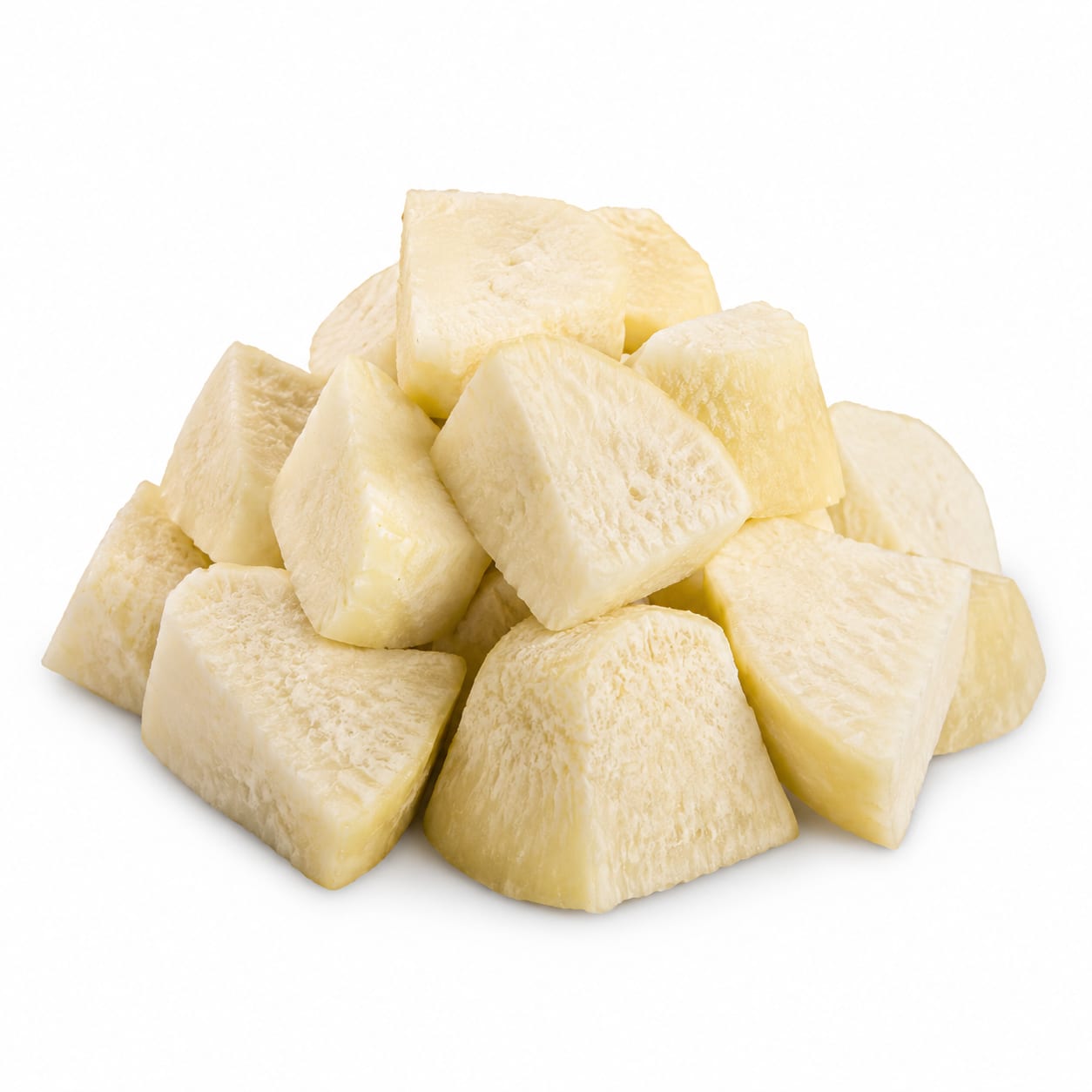
Yam
Breadfruit edges out yam thanks to superior fiber, steadier energy release, and richer vitamin C content, though yam offers unique anti-inflammatory compounds and broader availability.
Breadfruit scores higher due to its fiber advantage, lower glycemic impact, and vitamin C content. Yam remains competitive with potassium and unique phytonutrients but falls behind on digestive and metabolic metrics most users care about.
Breadfruit gives you more fiber and steadier blood sugar, while yam delivers more potassium and rare anti-inflammatory diosgenin that breadfruit cannot match.
At a glance
Executive summary
Overall
Breadfruit
Healthier
Breadfruit
More practical
Yam
Daily use
Breadfruit
Key comparison lenses
blood sugar management
Both are dense starchy staples that significantly impact blood sugar, making glycemic response the top concern for most users
digestive health and fiber intake
Fiber content differs substantially between these two roots, affecting satiety, gut health, and long-term disease risk
tropical diet staple selection
Both are traditional Pacific and Caribbean staples often substituted for each other in meals
weight management
Calorie density and satiety differ enough to matter for portion control and daily energy intake
nutrient density comparison
Vitamin and mineral profiles diverge meaningfully, affecting which conditions each food best supports
Best choice for
Breadfruit
- People managing blood sugar or prediabetes
- Those seeking better digestive regularity
- Anyone wanting higher fiber intake from starches
- Vitamin C-focused immune support
Yam
- Athletes needing quick post-workout carb replenishment
- People with inflammatory conditions benefiting from diosgenin
- Those who need widely available affordable starch
- Individuals requiring higher potassium intake
Least suitable for
Breadfruit
- People in regions where breadfruit is unavailable or expensive
- Those needing very rapid carbohydrate absorption after intense exercise
Yam
- People with strict blood sugar control needs
- Those prioritizing maximum fiber per calorie
- Anyone sensitive to yam's oxalate content
Deep comparison
Dimension by dimension
Each lens scores both foods and breaks down who each option suits.
- Dimension 1 · Priority 95Breadfruit
Blood Sugar Stability
Breadfruit · 78Yam · 58Breadfruit digests more slowly and causes gentler blood sugar rises than yam, making it the safer choice for sustained energy.
Tradeoff
Yam's faster digestion can be useful after intense exercise but risks energy crashes if eaten alone during sedentary periods.
Why it matters
Steadier blood sugar means fewer afternoon slumps, less cravings, and lower long-term diabetes risk.
Real-world impact
A breadfruit lunch keeps you satisfied until dinner. A yam lunch may leave you reaching for a snack by 3pm.
Breadfruit
- Prediabetics
- Office workers with long sedentary stretches
- Anyone prone to energy crashes after carb-heavy meals
Better for
- Athletes needing immediate glycogen replenishment
Worse for
Yam
- Endurance athletes mid-recovery
- Underweight individuals needing easy calorie absorption
Better for
- Diabetics
- People with insulin resistance
- Anyone sensitive to blood sugar spikes
Worse for
- Dimension 2 · Priority 90Breadfruit
Fiber and Digestive Health
Breadfruit · 85Yam · 55Breadfruit delivers roughly double the fiber of yam, making it significantly better for gut health, regularity, and fullness.
Tradeoff
Yam's lower fiber makes it gentler on sensitive stomachs but less protective against constipation and overeating.
Why it matters
Higher fiber means better digestion, lower cholesterol absorption, and natural appetite control without willpower.
Real-world impact
Regular breadfruit eaters are less likely to need fiber supplements. Yam eaters may need to source fiber elsewhere.
Breadfruit
- People with constipation
- Those trying to eat less without feeling hungry
- Gut microbiome optimization
Better for
- Acute digestive flare-ups requiring low-residue diets
Worse for
Yam
- People with IBS who tolerate low-fiber starches better
- Recovery from digestive illness when fiber is irritating
Better for
- Chronic constipation sufferers
- Those relying on starches as their primary fiber source
Worse for
- Dimension 3 · Priority 82Breadfruit
Nutrient Density
Breadfruit · 76Yam · 70Breadfruit wins on vitamin C and fiber, while yam excels in potassium and offers unique diosgenin compounds.
Tradeoff
Choosing breadfruit means better antioxidant vitamin support. Choosing yam means better electrolyte balance and anti-inflammatory phytonutrients.
Why it matters
Vitamin C supports immunity and skin health. Potassium regulates blood pressure and muscle function. Both matter, but most diets lack fiber more than potassium.
Real-world impact
Breadfruit helps fill the common vitamin C gap. Yam helps fill the potassium gap, especially in low-produce diets.
Breadfruit
- People with low fruit intake needing vitamin C from starches
- Those wanting antioxidant protection alongside carbs
Better for
- People who need concentrated potassium from food sources
Worse for
Yam
- People with hypertension needing potassium
- Those with inflammatory conditions like arthritis
Better for
- Those relying on staple carbs for vitamin C
Worse for
- Dimension 4 · Priority 78Yam
Anti-Inflammatory Properties
Breadfruit · 60Yam · 80Yam contains diosgenin and other unique compounds with documented anti-inflammatory effects that breadfruit lacks.
Tradeoff
Breadfruit offers general antioxidant support through vitamin C, but yam provides targeted anti-inflammatory action that may benefit chronic conditions.
Why it matters
Chronic inflammation drives heart disease, joint pain, and aging. Food-based anti-inflammatory compounds offer gentle daily protection.
Real-world impact
Regular yam consumption may reduce joint stiffness and inflammatory markers over months. Breadfruit's effect is milder and more general.
Breadfruit
- People seeking general antioxidant coverage
Better for
- Those specifically targeting inflammation through diet
Worse for
Yam
- Arthritis sufferers
- People with chronic inflammatory conditions
- Older adults concerned about systemic inflammation
Better for
- People who only need basic antioxidant support
Worse for
- Dimension 5 · Priority 75Yam
Availability and Practicality
Breadfruit · 45Yam · 82Yam is available in most grocery stores worldwide year-round. Breadfruit remains regional and seasonal, limiting access for most people.
Tradeoff
Breadfruit may be nutritionally superior, but you cannot benefit from a food you cannot buy. Yam's accessibility makes it the realistic daily choice for most.
Why it matters
The healthiest food is the one you can actually consistently obtain and prepare. Availability often trumps marginal nutritional advantages.
Real-world impact
Most suburban and urban shoppers can find yam easily. Finding fresh breadfruit often requires tropical markets or specialty stores.
Breadfruit
- Residents of tropical regions where breadfruit grows locally
- People with access to Caribbean or Pacific Island markets
Better for
- People living outside tropical growing regions
- Those without specialty market access
Worse for
Yam
- Most mainland US, European, and Asian consumers
- Anyone needing reliable year-round staple availability
Better for
- People in regions where yam is imported and expensive
Worse for
- Dimension 6 · Priority 72Breadfruit
Calorie Efficiency and Satiety
Breadfruit · 77Yam · 62Breadfruit provides more fullness per calorie thanks to its fiber content, making it easier to manage portions without hunger.
Tradeoff
Yam's higher calorie density can be advantageous for those needing to gain weight or fuel heavy physical labor.
Why it matters
Feeling full on fewer calories is the foundation of sustainable weight management without constant hunger.
Real-world impact
A moderate breadfruit portion satisfies like a large yam portion, naturally reducing calorie intake without deliberate restriction.
Breadfruit
- Weight-conscious eaters
- People who struggle with portion control
- Those wanting to feel full on less food
Better for
- Those who need calorie-dense affordable fuel
Worse for
Yam
- Manual laborers needing calorie-dense fuel
- Underweight individuals trying to gain
- Growing teenagers with high caloric needs
Better for
- Emotional eaters who struggle to stop at one serving
Worse for
Timeline
Health impact over time
Short-term
Hours to days
Breadfruit
- Steady energy without the crash that follows simpler starches
- Comfortable fullness that reduces between-meal snacking
- Gentle digestive stimulation from high fiber content
Yam
- Faster energy availability useful after physical exertion
- Milder digestive demand, easier on upset stomachs
- Possible mild blood sugar spike if eaten in large portions alone
Long-term
Months to years
Breadfruit
- Better blood sugar regulation reducing diabetes risk over years
- Improved gut microbiome diversity from consistent fiber intake
- Enhanced immune resilience from regular vitamin C consumption
Yam
- Reduced chronic inflammation from diosgenin accumulation
- Better blood pressure management from high potassium intake
- Potential thyroid support from yam's unique steroidal compounds
Risk profile
Safety & processing
Both breadfruit and yam are whole, minimally processed staple foods typically consumed close to their natural state. Neither carries significant additive or processing concerns when purchased fresh.
Breadfruit
Improper preparation of certain varieties
mediumSome breadfruit varieties contain mild latex compounds that require proper cooking to neutralize. Always cook thoroughly before eating.
Allergic cross-reactivity
lowPeople with latex-fruit syndrome may react to breadfruit due to protein similarities with latex. Rare but worth knowing.
Yam
Confusion with toxic wild yam species
highSome wild yam lookalikes are toxic and cannot be eaten without extensive processing. Always purchase cultivated yam from trusted sources.
Oxalate content
mediumYam contains moderate oxalates that may aggravate kidney stone formation in susceptible individuals. Boiling reduces oxalate levels significantly.
Inadequate cooking
mediumRaw or undercooked yam contains natural toxins that can cause mouth and throat irritation. Always cook yam fully before consuming.
Who wins for whom
Audience fit
Same foods, different winners depending on your goal.
children
YamYam's milder flavor, softer texture when mashed, and easier digestibility make it more child-friendly and less likely to cause tummy discomfort.
daily consumption
BreadfruitBreadfruit's broader nutrient profile and metabolic benefits make it the better everyday staple when available, though yam's accessibility may make it the practical daily choice for most people.
diabetes
BreadfruitBreadfruit's superior fiber content slows glucose absorption, producing gentler blood sugar responses that are easier to manage.
elderly
BreadfruitBreadfruit's fiber supports the digestive regularity that older adults often struggle with, and its vitamin C helps maintain immune function.
muscle gain
YamYam's faster-digesting carbs and higher calorie density better support post-workout glycogen replenishment and overall caloric surplus.
weight loss
BreadfruitHigher fiber and lower calorie density make breadfruit more filling per serving, naturally reducing total intake without hunger.
Your move
Decision guide
Choose Breadfruit
- You have reliable access to fresh breadfruit
- Blood sugar management is a daily priority
- You want maximum fiber from your staple starch
- Digestive regularity is a concern
- You live in a tropical region where breadfruit is affordable
Choose Yam
- You need a staple starch available at any grocery store
- You are an athlete needing fast carb recovery
- You have inflammatory conditions that may benefit from diosgenin
- You need calorie-dense fuel for physical labor
- You want a gentle starch for sensitive digestion
Either works if
- You simply need a nutritious whole-food carb source
- You enjoy variety and want to rotate between both
- You live in a region where both are affordable and available
Avoid both if
- You are on a strict very-low-carb or ketogenic diet
- You have severe oxalate restrictions for kidney health
- You are eliminating all starchy foods for medical reasons
Final recommendation
If you can access breadfruit regularly, choose it as your primary staple for the fiber, blood sugar, and vitamin C advantages. If breadfruit is unavailable or impractical, yam remains an excellent choice with unique anti-inflammatory benefits. The best approach is rotating both when possible, getting breadfruit's metabolic strengths and yam's anti-inflammatory compounds in the same weekly diet.
Practical
Consumer tips
- 1
Boil or steam both breadfruit and yam rather than frying to preserve nutrients and avoid excess calories
- 2
Soak yam in water for 30 minutes before cooking to reduce oxalate content if kidney stones are a concern
- 3
Pair either starch with a protein source and vegetables for balanced meals that prevent blood sugar spikes
- 4
If buying breadfruit, choose ones that yield slightly to pressure and have greenish-yellow skin for optimal ripeness
- 5
Store yam in a cool dry place but never refrigerate, as cold temperatures alter texture and flavor
- 6
Breadfruit can be used like potato in most recipes but cooks faster, so adjust timing to avoid mushiness
- 7
If you cannot find fresh breadfruit, check frozen sections of Caribbean or Asian markets, which often stock it