
Nutrition comparison
Breadfruit vs Quinoa: Which Staple Carb Is Better for You?
Compare breadfruit and quinoa on protein, blood sugar impact, satiety, cost, and convenience. Find out which tropical or Andean staple fits your health goals and lifestyle.
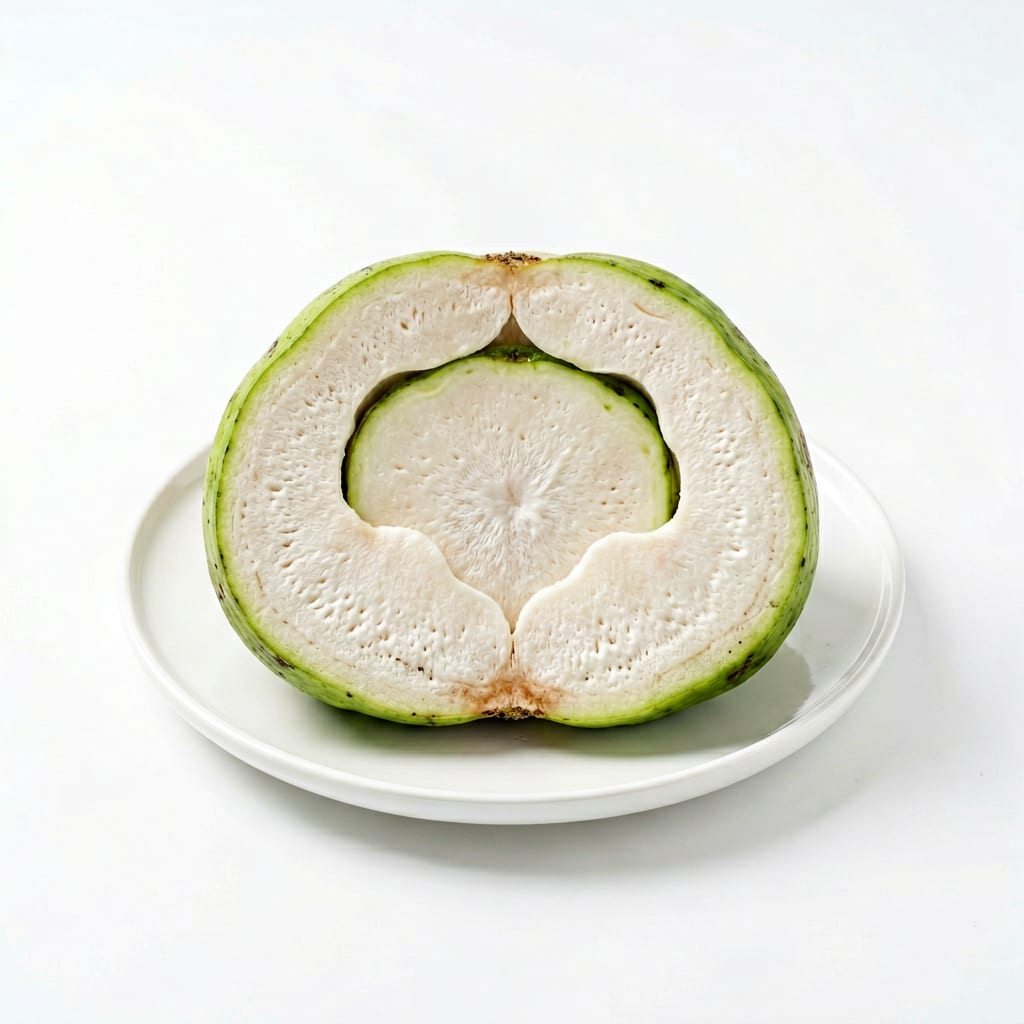
Breadfruit
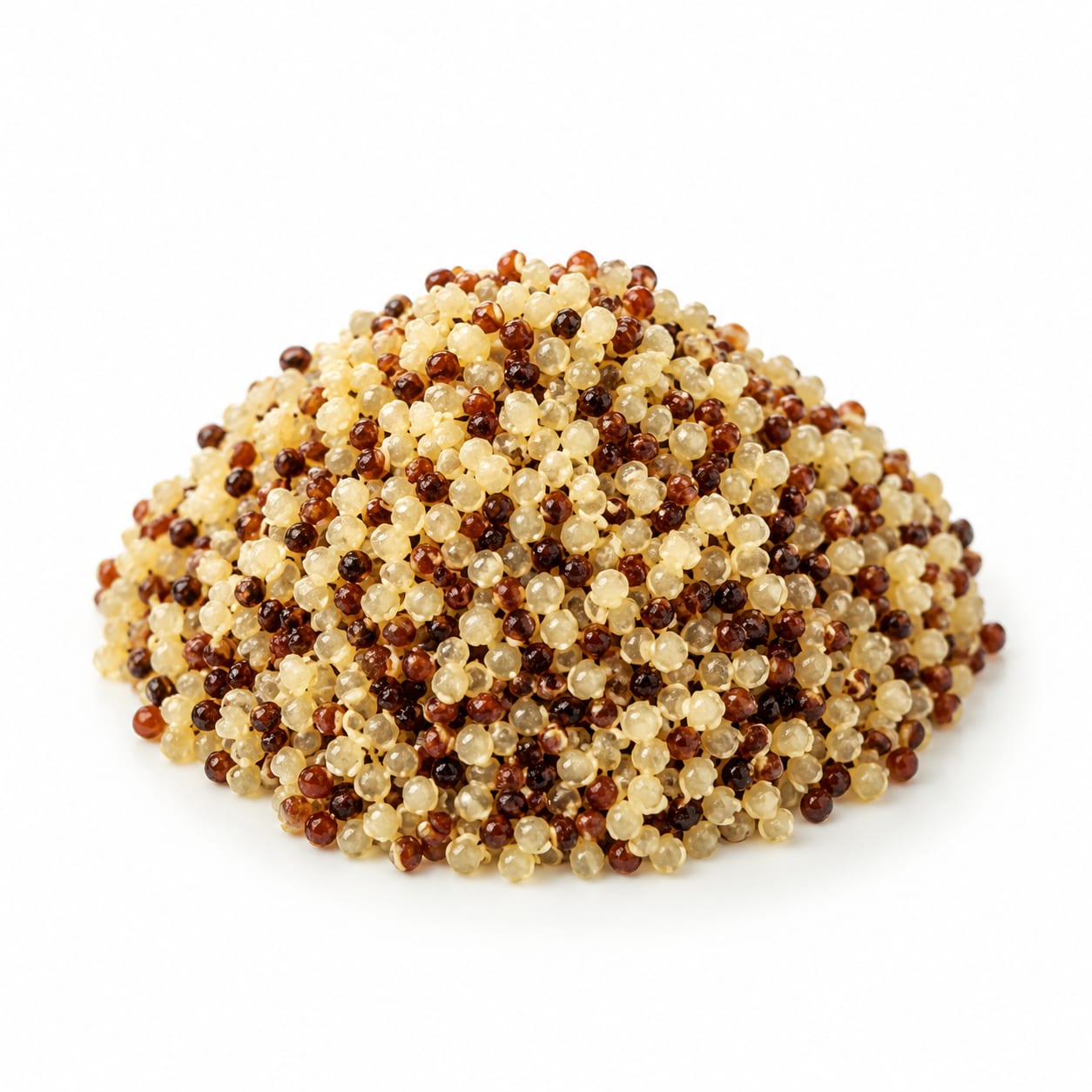
Quinoa
Quinoa wins on protein and nutrient density, but breadfruit delivers more filling starch at a lower cost if you can find it.
Quinoa scores higher due to superior protein, broader availability, and richer micronutrient profile. Breadfruit remains a strong regional staple but loses points on accessibility and protein content.
Complete protein and convenience versus cheaper, more satisfying bulk energy from a whole tropical fruit.
At a glance
Executive summary
Overall
It depends
Healthier
Quinoa
More practical
Quinoa
Daily use
Quinoa
Key comparison lenses
protein quality and completeness
Quinoa is renowned for complete protein while breadfruit is primarily starchy, making this the starkest contrast
blood sugar and energy stability
Both are carbohydrate-dense staples but behave very differently on blood sugar depending on preparation
satiety and meal satisfaction
Users choosing between staple carbs want to know which keeps them fuller longer
practicality and availability
Breadfruit is regionally limited while quinoa is globally available, heavily influencing real-world choice
nutrient density per calorie
Both foods carry cultural superfood status but deliver very different micronutrient profiles
Best choice for
Breadfruit
- People in tropical regions with local access
- Those wanting maximum fullness per dollar
- High-carb athletes needing starchy fuel
- Anyone seeking a whole-food potato alternative
Quinoa
- Vegetarians needing complete protein
- Meal preppers wanting shelf-stable convenience
- Anyone focused on micronutrient density
- People managing blood sugar who want lower glycemic load
Least suitable for
Breadfruit
- Low-carb dieters
- People far from tropical markets
- Anyone needing high protein from staples
- Those wanting quick-cooking weeknight sides
Quinoa
- Strict budget shoppers
- People with saponin sensitivity
- Those who find the texture unappealing
- Anyone avoiding seeds due to digestive issues
Deep comparison
Dimension by dimension
Each lens scores both foods and breaks down who each option suits.
- Dimension 1 · Priority 95Quinoa
Protein Quality and Content
Breadfruit · 30Quinoa · 90Quinoa provides all nine essential amino acids at meaningful levels. Breadfruit offers modest protein that is incomplete.
Tradeoff
You sacrifice complete protein with breadfruit but gain a more filling starchy base that pairs well with legumes to fill amino acid gaps.
Why it matters
For vegetarians especially, getting complete protein from a staple carb simplifies meal planning significantly.
Real-world impact
A quinoa bowl delivers roughly 8g complete protein per cup cooked. Breadfruit gives about 2-3g incomplete protein for the same volume, meaning you must add beans or eggs to match.
Breadfruit
- Carb-loading athletes who get protein elsewhere
Better for
- Plant-based eaters not combining with legumes
- Anyone counting protein per serving
Worse for
Quinoa
- Vegetarians relying on grains for protein
- Anyone eating plant-based most days
- Older adults needing higher protein per meal
Better for
- People already exceeding protein needs from other sources
Worse for
- Dimension 2 · Priority 88Quinoa
Blood Sugar Stability
Breadfruit · 55Quinoa · 75Quinoa has a lower glycemic index around 53, while breadfruit ranges from 47 to 80 depending on ripeness and preparation.
Tradeoff
Boiled young breadfruit can match quinoa's glycemic impact, but roasted or ripe breadfruit spikes blood sugar faster.
Why it matters
Steady energy matters more than most people realize. The difference between a gentle rise and a spike determines whether you feel focused or sluggish two hours later.
Real-world impact
A quinoa lunch keeps energy stable through the afternoon. Ripe roasted breadfruit might leave you reaching for a snack by 3pm.
Breadfruit
- Active people who burn through carbs quickly
- Those who boil rather than roast it
Better for
- Diabetics eating it roasted or overripe
- Sedentary people eating large portions
Worse for
Quinoa
- People with prediabetes or insulin resistance
- Office workers needing sustained focus
- Anyone prone to afternoon energy crashes
Better for
- Those who overcook it into a mushy state
Worse for
- Dimension 3 · Priority 85Breadfruit
Satiety and Fullness
Breadfruit · 82Quinoa · 72Breadfruit's dense starchy texture fills the stomach more physically. Quinoa satisfies through protein but feels lighter.
Tradeoff
Breadfruit gives that deeply stuffed feeling many people want from a staple. Quinoa satisfies without heaviness, which some prefer.
Why it matters
The food that actually keeps you full is the food you actually stick with. Satiety drives long-term dietary success more than nutrient charts.
Real-world impact
A breadfruit plate feels like a real meal. A quinoa portion feels like a smart side. Different psychological satisfaction.
Breadfruit
- Manual laborers needing lasting fuel
- Big eaters who feel hungry on lighter foods
- Anyone replacing potatoes or rice for more fullness
Better for
- Anyone wanting a light lunch
- People prone to food comas
Worse for
Quinoa
- People who dislike feeling stuffed
- Smaller appetites wanting balanced nutrition
- Those eating multiple small meals daily
Better for
- Heavy snackers who find it too light alone
Worse for
- Dimension 4 · Priority 82Quinoa
Micronutrient Density
Breadfruit · 60Quinoa · 85Quinoa delivers more iron, magnesium, manganese, and folate per serving. Breadfruit offers more vitamin C and potassium.
Tradeoff
Quinoa covers more micronutrient bases broadly. Breadfruit excels at a few specific ones but has gaps.
Why it matters
When a staple food carries heavy nutritional weight, you need fewer supplements and less careful meal planning around it.
Real-world impact
Regular quinoa eaters get meaningful iron and magnesium contributions. Breadfruit eaters get excellent potassium but should not rely on it for iron.
Breadfruit
- People needing potassium for blood pressure
- Those wanting vitamin C from a carb source
Better for
- Iron-deficient individuals relying on staples
- Anyone not eating varied vegetables alongside
Worse for
Quinoa
- Women needing iron from plant sources
- Anyone low on magnesium
- Pregnant women needing folate
Better for
- People already supplementing these minerals
Worse for
- Dimension 5 · Priority 80Quinoa
Availability and Convenience
Breadfruit · 35Quinoa · 88Quinoa is shelf-stable, available worldwide, and cooks in 15 minutes. Breadfruit is tropical, perishable, and seasonal.
Tradeoff
You gain superior convenience and access with quinoa but lose the affordability and cultural authenticity breadfruit offers in its home regions.
Why it matters
The healthiest food means nothing if you cannot buy it. Practical access determines what people actually eat consistently.
Real-world impact
Quinoa is a grocery store away anywhere. Breadfruit requires living in or near the tropics, or finding a specialty market.
Breadfruit
- Tropical residents with backyard trees
- Farmers market shoppers in Hawaii, Caribbean, or Pacific Islands
Better for
- Anyone outside tropical growing zones
- Meal preppers needing shelf stability
Worse for
Quinoa
- Most mainland US and European shoppers
- Anyone wanting a pantry staple that lasts months
- Busy cooks needing 15-minute sides
Better for
- Budget shoppers in quinoa-expensive regions
Worse for
- Dimension 6 · Priority 75Breadfruit
Cost and Affordability
Breadfruit · 85Quinoa · 50Where breadfruit grows locally, it is dramatically cheaper than quinoa. Quinoa remains a premium-priced grain globally.
Tradeoff
Breadfruit offers more calories and fullness per dollar in its native range. Quinoa costs more but delivers more nutrition per calorie.
Why it matters
Budget constraints shape real diets more than nutrition knowledge. The affordable staple always wins over the expensive superfood when money is tight.
Real-world impact
A breadfruit tree can feed a family for weeks for free. The equivalent quinoa costs 20-40 dollars at retail prices.
Breadfruit
- Families in the Pacific Islands and Caribbean
- Community food programs in tropical areas
- Anyone prioritizing calories per dollar
Better for
- Anyone importing it at specialty prices
Worse for
Quinoa
- Middle-class shoppers who value nutrition over cost
- Those buying in bulk from discount retailers
Better for
- Low-income households
- Large families feeding many people daily
Worse for
- Dimension 7 · Priority 70Breadfruit
Digestive Tolerance
Breadfruit · 78Quinoa · 62Breadfruit is gentle on most digestive systems. Quinoa contains saponins that bother some people despite rinsing.
Tradeoff
Breadfruit is easier on the gut for sensitive individuals. Quinoa's saponins are mostly removed by rinsing but can still cause issues.
Why it matters
A food that causes bloating or discomfort gets abandoned regardless of its nutritional merits.
Real-world impact
Some people report gas or stomach upset from quinoa even after thorough rinsing. Breadfruit rarely causes digestive complaints.
Breadfruit
- People with sensitive digestion
- Those new to high-fiber foods
- Anyone who experiences bloating from seeds
Better for
- Anyone eating it undercooked, which is harder to digest
Worse for
Quinoa
- People who rinse thoroughly and have no reaction
- Those accustomed to eating seeds and grains
Better for
- People with IBS or seed sensitivities
- Those who skip the rinsing step
Worse for
Timeline
Health impact over time
Short-term
Hours to days
Breadfruit
- Provides substantial immediate energy from complex starches
- Creates strong physical fullness that reduces snacking
- Vitamin C content supports immune function shortly after eating
- Ripe preparations can cause quicker blood sugar rise and subsequent dip
Quinoa
- Delivers steady energy without sharp spikes or crashes
- Protein content reduces hunger hormones within an hour
- Iron contributes to alertness and reduces fatigue
- Unrinsed saponins may cause mild stomach discomfort
Long-term
Months to years
Breadfruit
- Potassium supports healthy blood pressure over years
- Consistent fiber intake promotes regular digestion and gut health
- Low fat content supports cardiovascular health when replacing refined carbs
- Without protein pairing, may contribute to inadequate protein intake long-term
Quinoa
- Complete protein helps maintain muscle mass with aging
- Magnesium and iron support bone density and energy metabolism over decades
- Regular consumption associated with lower type 2 diabetes risk
- Saponin exposure from daily eating has unclear long-term effects on gut lining
Risk profile
Safety & processing
Both foods are whole and minimally processed when purchased in their natural form. Breadfruit comes straight from the tree. Quinoa seeds need only mechanical removal of the bitter saponin coating. Neither typically contains additives unless purchased as a pre-flavored or pre-cooked product.
Breadfruit
Improper preparation toxicity
mediumSome breadfruit varieties must be cooked properly. Raw or improperly prepared breadfruit can cause digestive distress due to natural compounds that are neutralized by cooking.
Latex allergy cross-reaction
lowBreadfruit belongs to the mulberry family and contains latex-like proteins. People with latex allergies may experience cross-reactive oral allergy symptoms.
Quinoa
Saponin-related digestive irritation
mediumQuinoa naturally contains saponins that can irritate the digestive tract. Most commercial quinoa is pre-rinsed, but inadequate washing leaves a bitter, potentially irritating residue.
Oxalate content
lowQuinoa contains moderate oxalates. People prone to kidney stones should be mindful of portion sizes, though the risk is lower than with spinach or beets.
Who wins for whom
Audience fit
Same foods, different winners depending on your goal.
children
QuinoaQuinoa's complete protein supports growth, and its mild flavor is easier to introduce. Breadfruit works well in tropical cultures where children grow up with it.
daily consumption
QuinoaBetter nutrient balance, easier availability, and more consistent quality make quinoa more sustainable as a daily staple for most people.
diabetes
QuinoaMore consistent low glycemic index and better blood sugar control, especially compared to ripe or roasted breadfruit.
elderly
QuinoaHigher protein helps prevent age-related muscle loss, and quinoa is easier to chew and digest for those with dental concerns.
muscle gain
QuinoaComplete protein and higher protein content per calorie directly support muscle repair and growth.
weight loss
QuinoaQuinoa's higher protein and lower calorie density per serving make it easier to control portions while staying satisfied.
Your move
Decision guide
Choose Breadfruit
- You live in a tropical region where breadfruit is affordable and fresh
- You want a filling, potato-like staple that keeps you full for hours
- You eat plenty of protein from other sources and just need a quality carb base
- You are cooking traditional Pacific Island or Caribbean cuisine
- You prioritize food that grows on trees with minimal environmental impact
Choose Quinoa
- You want complete protein from a plant-based staple
- You need a shelf-stable pantry carb available year-round
- You are managing blood sugar and want predictable glycemic responses
- You eat vegetarian or vegan and need protein from multiple sources
- You want quick-cooking versatility for salads, bowls, and sides
Either works if
- You are an active person who tolerates carbohydrates well
- You want a gluten-free alternative to wheat or rice
- You value whole foods over refined grains regardless of which one
- You rotate staples for dietary variety
Avoid both if
- You are on a strict ketogenic or very low-carb diet
- You have specific sensitivities to either food
- You need a protein-first staple rather than a carb-first one
Final recommendation
For most people reading this, quinoa is the more practical and nutritionally complete choice. It delivers protein, minerals, and steady energy with worldwide availability. However, if you have local access to fresh breadfruit, it is an exceptional filling staple that pairs beautifully with beans, fish, or eggs to create a complete meal. The best choice is the one you can actually find, afford, and enjoy eating regularly.
Practical
Consumer tips
- 1
Rinse quinoa thoroughly under running water for at least 30 seconds to remove saponins, even if the package says pre-rinsed
- 2
Choose young, firm breadfruit for lower glycemic impact and a texture closer to potatoes
- 3
Pair breadfruit with legumes like lentils or black beans to compensate for its lower protein content
- 4
Store quinoa in an airtight container in a cool pantry for up to 2-3 years of shelf life
- 5
Use breadfruit within a few days of purchase as it ripens and sweetens quickly at room temperature
- 6
Try cooking breadfruit the same ways you would use potatoes: boiled, roasted, or mashed
- 7
If quinoa causes bloating, try soaking it for 30 minutes before cooking and rinsing again