
Nutrition comparison
Breadfruit vs Cassava: Which Tropical Staple Is Healthier and Safer?
Compare breadfruit and cassava nutrition, safety, and health effects. Breadfruit offers more protein and fiber with zero cyanide risk, while cassava provides denser energy but requires careful processing.
Overall winner · Breadfruit
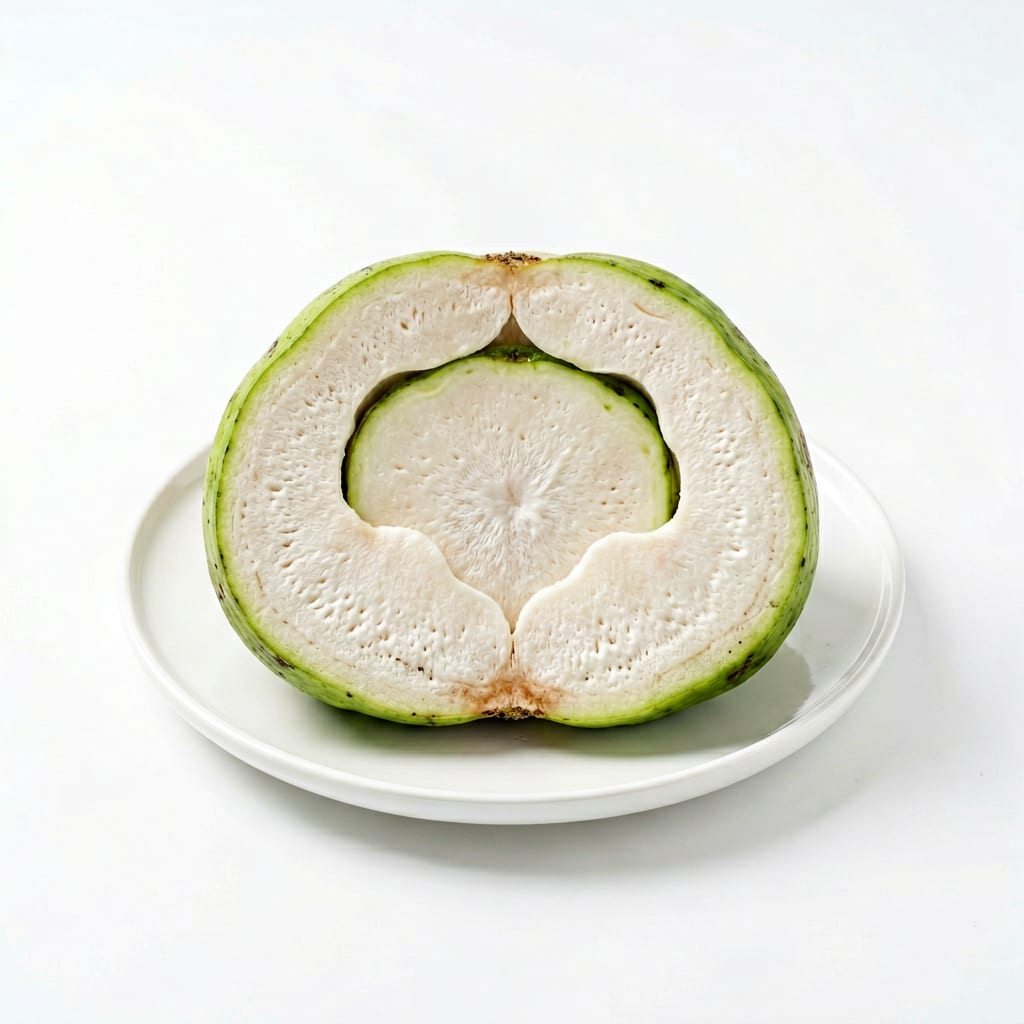
Breadfruit
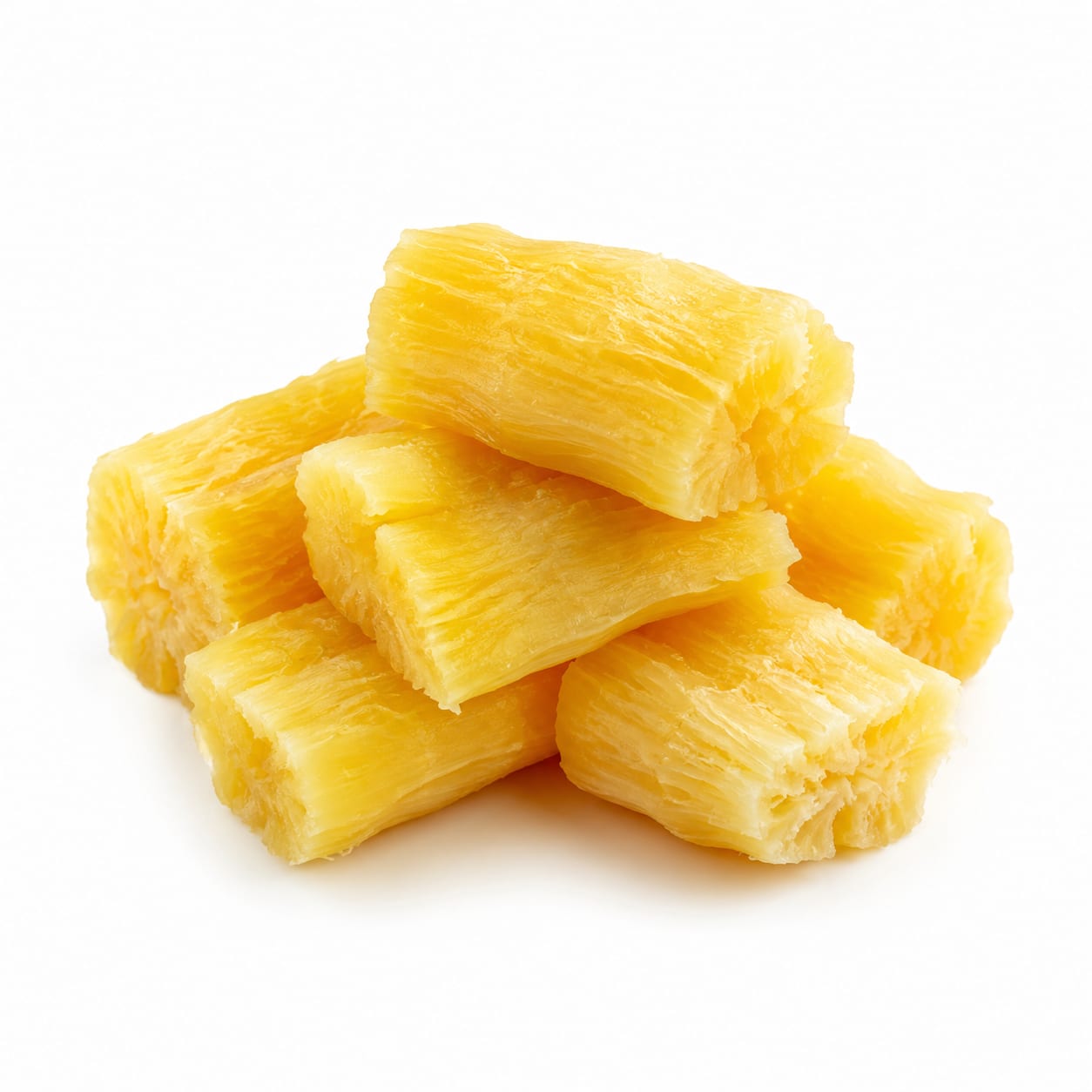
Cassava
Breadfruit wins on nutrition and safety, offering more protein, fiber, and vitamins with zero toxicity risk. Cassava provides more calories and drought resilience but demands careful processing to avoid cyanide exposure.
Breadfruit scores significantly higher due to superior nutritional density, zero toxicity risk, and easier preparation. Cassava's score reflects its caloric density and climate resilience but is pulled down by cyanide risk and lower micronutrient content.
Cassava gives you denser energy for less money in harsh climates, but you trade nutritional quality and must manage a real toxicity risk that breadfruit completely eliminates.
At a glance
Executive summary
Overall
Breadfruit
Healthier
Breadfruit
More practical
Breadfruit
Daily use
Breadfruit
Key comparison lenses
safety and toxicity
Cassava contains cyanogenic glycosides that require careful processing, making safety the single most critical differentiator
blood sugar management
Both are starchy staples but differ significantly in glycemic impact and fiber content, affecting energy stability
nutritional density
Breadfruit delivers notably more protein, fiber, and micronutrients per calorie than cassava
food security and sustainability
Both are tropical climate-resilient crops, but cassava tolerates drought better while breadfruit yields more nutritionally complete food
preparation convenience
Cassava demands extensive processing to detoxify; breadfruit simply needs cooking, affecting daily practicality
Best choice for
Breadfruit
- People managing blood sugar or diabetes
- Families wanting a safe, low-maintenance staple
- Anyone seeking more protein and fiber from carbs
- Communities with reliable rainfall and tree-growing conditions
Cassava
- Those needing maximum calories per acre in drought-prone areas
- People doing heavy physical labor who need dense energy
- Communities with traditional cassava processing knowledge
- Anyone making tapioca or fermented cassava products
Least suitable for
Breadfruit
- People in arid regions where breadfruit trees cannot thrive
- Those wanting a neutral-flavor starch base for other dishes
Cassava
- Children and pregnant women without guaranteed proper processing
- People with kidney issues who are sensitive to cyanide metabolites
- Anyone unfamiliar with safe cassava preparation methods
Deep comparison
Dimension by dimension
Each lens scores both foods and breaks down who each option suits.
- Dimension 1 · Priority 95Breadfruit
safety_and_toxicity
Breadfruit · 95Cassava · 40Breadfruit is inherently safe to eat once cooked. Cassava contains cyanogenic glycosides that release cyanide if not properly detoxified through peeling, soaking, fermenting, or thorough cooking.
Tradeoff
Cassava's drought hardiness comes from those same cyanogenic compounds that deter pests. What protects the plant in the field endangers the person at the table.
Why it matters
Improperly processed cassava causes acute cyanide poisoning and chronic conditions like konzo (paralytic disease) and tropical ataxic neuropathy. This is not theoretical—it affects millions in subsistence communities.
Real-world impact
If you rush cassava preparation or skip steps, you risk headaches, dizziness, or worse. Breadfruit lets you cook and eat with confidence.
Breadfruit
- Households with children who might help with cooking
- Pregnant women who need to avoid any cyanide exposure
- Busy people who cannot follow multi-step detoxification processes
Better for
- No significant safety downside
Worse for
Cassava
- Experienced cooks with traditional processing knowledge
- Communities with established fermentation infrastructure
Better for
- Families without reliable processing knowledge
- Anyone with compromised kidney function
- Pregnant and breastfeeding women
Worse for
- Dimension 2 · Priority 88Breadfruit
blood_sugar_stability
Breadfruit · 72Cassava · 45Breadfruit has a lower glycemic index and more fiber, leading to steadier blood sugar. Cassava is rapidly digested starch that spikes glucose quickly.
Tradeoff
Cassava's fast-digesting starch is great for immediate energy after intense labor but causes sharper crashes. Breadfruit keeps you fuller longer but feels less energizing in the short term.
Why it matters
Steady blood sugar means fewer cravings, better focus, and lower diabetes risk. Quick spikes followed by crashes drive overeating and fatigue.
Real-world impact
A breadfruit meal keeps you satisfied for 3-4 hours. Cassava may leave you hungry again within 2 hours unless paired with protein and fat.
Breadfruit
- People with prediabetes or diabetes
- Office workers needing sustained focus
- Anyone trying to reduce between-meal snacking
Better for
- Those who need rapid carbohydrate replenishment post-workout
Worse for
Cassava
- Athletes refueling after intense exercise
- Agricultural workers needing quick energy
- Underweight individuals who struggle to eat enough
Better for
- Anyone monitoring blood sugar
- People prone to afternoon energy crashes
- Individuals with insulin resistance
Worse for
- Dimension 3 · Priority 82Breadfruit
nutritional_density
Breadfruit · 78Cassava · 48Breadfruit delivers roughly 3x more protein, significantly more fiber, and higher levels of vitamin C, potassium, and B vitamins per serving than cassava.
Tradeoff
Cassava provides more calories per gram, which is valuable when food scarcity is the primary concern. But calorie-for-calorie, breadfruit is far more nourishing.
Why it matters
In subsistence diets where one staple provides most calories, micronutrient gaps develop fast. Breadfruit reduces that risk meaningfully.
Real-world impact
Replacing cassava with breadfruit in a typical diet could meaningfully improve protein and fiber intake without changing portion sizes.
Breadfruit
- Anyone relying on starches as a dietary cornerstone
- Vegetarians needing more plant protein
- People wanting to reduce supplement dependence
Better for
- No real nutritional downside compared to cassava
Worse for
Cassava
- Those whose primary challenge is getting enough total calories
- People in food-insecure regions needing maximum energy density
Better for
- Anyone already meeting calorie needs but lacking micronutrients
- People on low-protein diets who need to watch protein sources carefully
Worse for
- Dimension 4 · Priority 78Breadfruit
satiety_and_fullness
Breadfruit · 76Cassava · 52Breadfruit's higher fiber and protein content creates lasting fullness. Cassava digests quickly, leaving you hungry sooner.
Tradeoff
Cassava's lighter digestive feel is preferable before physical activity. Breadfruit's heaviness can feel uncomfortable right before exercise but prevents overeating later.
Why it matters
Foods that keep you full reduce total calorie intake without willpower. Foods that digest fast require more frequent eating or larger portions.
Real-world impact
A breadfruit lunch carries you to dinner. A cassava lunch often needs a snack bridge.
Breadfruit
- People managing weight through portion control
- Anyone trying to eat fewer meals per day
- Those who dislike feeling hungry between meals
Better for
- Those who prefer light meals before physical activity
Worse for
Cassava
- Athletes who need food to digest quickly before competition
- People with small appetites who find high-fiber meals uncomfortable
Better for
- Emotional eaters triggered by hunger returns
- People trying to reduce snacking frequency
Worse for
- Dimension 5 · Priority 70Breadfruit
preparation_ease
Breadfruit · 75Cassava · 45Breadfruit needs peeling and cooking—simple. Cassava requires peeling, soaking, fermenting or thorough cooking with specific methods to remove cyanide.
Tradeoff
Cassava's extra processing creates fermented products like gari and fufu with unique flavors and preserved shelf life. The labor produces something you cannot get otherwise.
Why it matters
Complex preparation increases the chance of errors. With cassava, preparation errors have health consequences, not just culinary ones.
Real-world impact
Breadfruit can go from tree to plate in 30 minutes. Safe cassava preparation takes hours to days depending on the method.
Breadfruit
- Weeknight cooks short on time
- People new to tropical starch staples
- Anyone cooking without traditional knowledge support
Better for
- People wanting a neutral starch that absorbs other flavors completely
Worse for
Cassava
- People who enjoy traditional fermentation processes
- Cooks making specific cultural dishes like gari or farinha
- Those who batch-process food for the week
Better for
- Impatient cooks who might skip safety steps
- Anyone without reliable access to large amounts of clean water for soaking
Worse for
- Dimension 6 · Priority 65It depends
digestive_tolerance
Breadfruit · 65Cassava · 62Both are generally well-tolerated when properly prepared. Breadfruit's higher fiber can cause bloating in sensitive people. Properly processed cassava is very gentle on the gut.
Tradeoff
Breadfruit feeds gut bacteria better due to fiber but may cause gas initially. Cassava is easier on sensitive stomachs once detoxified but contributes less to microbiome health.
Why it matters
People with IBS or sensitive digestion often tolerate low-fiber starches better, even though higher fiber is healthier long-term.
Real-world impact
If you have a sensitive stomach, small portions of cassava may feel more comfortable. If your digestion is normal, breadfruit's fiber is a clear advantage.
Breadfruit
- People with healthy digestion wanting microbiome benefits
- Anyone transitioning from low-fiber to high-fiber diets gradually
Better for
- People with severe bloating or IBS flare-ups
Worse for
Cassava
- People with IBS or sensitive digestion
- Those recovering from gastrointestinal illness who need gentle foods
Better for
- Anyone wanting to improve gut microbiome diversity
Worse for
Timeline
Health impact over time
Short-term
Hours to days
Breadfruit
- Steady energy release without sugar crash
- Mild fullness and satisfaction lasting several hours
- Slight bloating possible if unused to high fiber intake
Cassava
- Quick energy surge followed by hunger return within 2 hours
- Risk of headache or dizziness if undercooked or improperly processed
- Light feeling in stomach that may trigger earlier re-eating
Long-term
Months to years
Breadfruit
- Better blood sugar control reducing diabetes risk
- Improved gut health from consistent fiber intake
- Higher protein intake supporting muscle maintenance with age
- Reduced risk of cyanide-related neurological conditions
Cassava
- Chronic low-level cyanide exposure risk if processing is inconsistent, potentially affecting thyroid and nerve health
- Higher diabetes risk from repeated glycemic spikes if eaten as a dietary staple without balancing foods
- Possible iodine deficiency exacerbation in areas where cassava dominates the diet
- Resistant starch benefits from cooled cassava may support gut health
Risk profile
Safety & processing
Both are whole foods straight from the plant. The critical difference is that cassava requires traditional processing for safety, not for shelf life or taste. Breadfruit only needs cooking to be edible and safe.
Breadfruit
Allergic reaction
lowRare but possible, especially in people with latex or jackfruit allergies due to cross-reactivity. Symptoms are typically mild.
Cassava
Cyanide poisoning
highCassava roots contain cyanogenic glycosides that release hydrogen cyanide. Bitter varieties contain up to 50x more than sweet varieties. Inadequate processing causes acute poisoning (headache, nausea, death in extreme cases) and chronic conditions like konzo and tropical ataxic neuropathy.
Thyroid disruption
mediumChronic low-level cyanide exposure from marginally processed cassava competes with iodine uptake, worsening goiter and hypothyroidism in iodine-deficient populations.
Microbial contamination during soaking
mediumThe multi-day soaking process for cassava can introduce harmful bacteria if water quality is poor, especially in tropical temperatures.
Who wins for whom
Audience fit
Same foods, different winners depending on your goal.
children
BreadfruitZero cyanide risk and better nutritional density make breadfruit safer and more nourishing for growing bodies. Children are also more vulnerable to cyanide toxicity from cassava.
daily consumption
BreadfruitSafer for daily use without processing vigilance. More nutritionally complete as a staple. Lower risk of cumulative cyanide exposure from occasional preparation shortcuts.
diabetes
BreadfruitLower glycemic index and higher fiber slow glucose absorption. Cassava's rapid digestion creates sharper blood sugar spikes that complicate diabetes management.
elderly
BreadfruitBetter micronutrient profile supports aging needs, and fiber helps with common constipation. No toxicity risk is especially important for older bodies with reduced detoxification capacity.
muscle gain
It dependsNeither is ideal for muscle gain alone. Breadfruit provides more protein but still not enough to matter significantly. Pair either with a strong protein source.
weight loss
BreadfruitHigher fiber and protein keep you full longer on fewer calories. Lower glycemic impact reduces insulin-driven fat storage signals.
Your move
Decision guide
Choose Breadfruit
- You want a staple you can cook simply without safety worries
- Blood sugar management matters for your health
- You prefer foods that keep you full for hours
- You are feeding children or elderly family members
- You have access to breadfruit trees or markets
Choose Cassava
- You live in a drought-prone area where cassava grows reliably
- You need maximum calories from limited land
- You have traditional knowledge and infrastructure for safe cassava processing
- You are making specific cultural dishes that require cassava
- You need quick-digesting carbs for intense physical labor
Either works if
- You want a tropical starch to pair with protein and vegetables
- You are rotating staple foods for dietary variety
- You live in a region where both are affordable and available
Avoid both if
- You are following a low-carb or ketogenic diet
- You have severe difficulty digesting starchy foods
- You need a grain-free but also nut-free staple and have other options like sweet potato
Final recommendation
For most people in most situations, breadfruit is the clearly better choice: safer, more nutritious, more filling, and easier to prepare. Choose cassava when climate demands it, cultural dishes require it, or you need denser calories for heavy labor. If you do eat cassava, never skip proper processing—soak, ferment, or cook thoroughly every single time.
Practical
Consumer tips
- 1
If buying cassava, choose sweet varieties when possible—they contain far less cyanogenic compounds than bitter varieties
- 2
Never eat cassava raw; always peel thoroughly and soak for at least 24 hours before cooking
- 3
Cooled and reheated cassava develops resistant starch, which feeds beneficial gut bacteria and lowers glycemic impact
- 4
Breadfruit can be roasted, boiled, steamed, or fried—roasting brings out a pleasant, bread-like flavor
- 5
If you are new to breadfruit, choose firm, greenish fruits for a potato-like texture or slightly soft ones for a sweeter, creamier taste
- 6
Both foods are best paired with protein sources like fish, beans, or lean meat to create a balanced plate
- 7
Store breadfruit at room temperature and use within a few days; it does not refrigerate well
- 8
Fresh cassava roots deteriorate quickly—use within 1-2 days of purchase or buy frozen, which is already processed for safety