
Nutrition comparison
Boysenberry vs Strawberry: Nutrition, Antioxidants, and Health Benefits
Compare boysenberries vs strawberries for antioxidants, fiber, vitamin C, and pesticide risk. Find out which berry is better for your health goals.
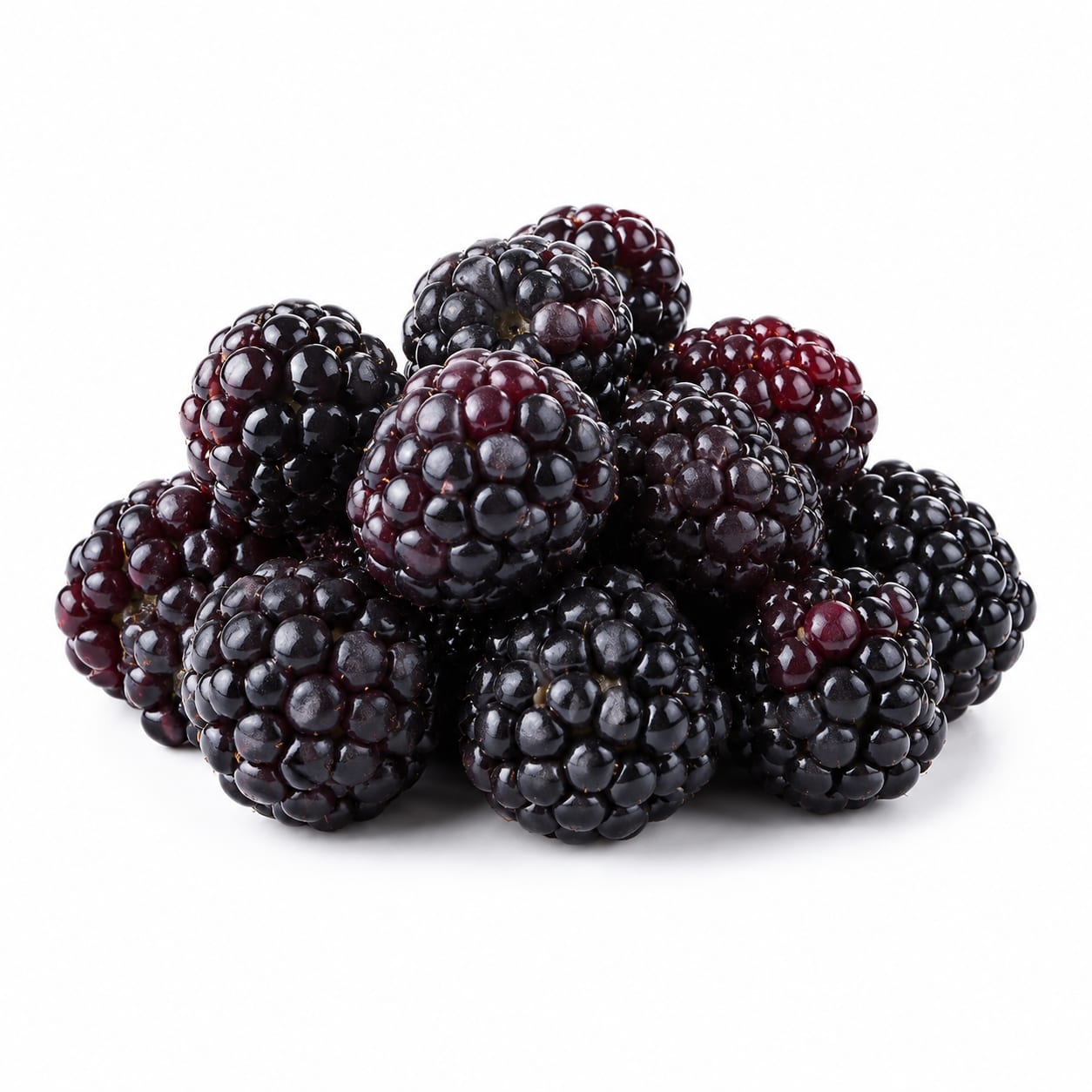
Boysenberry
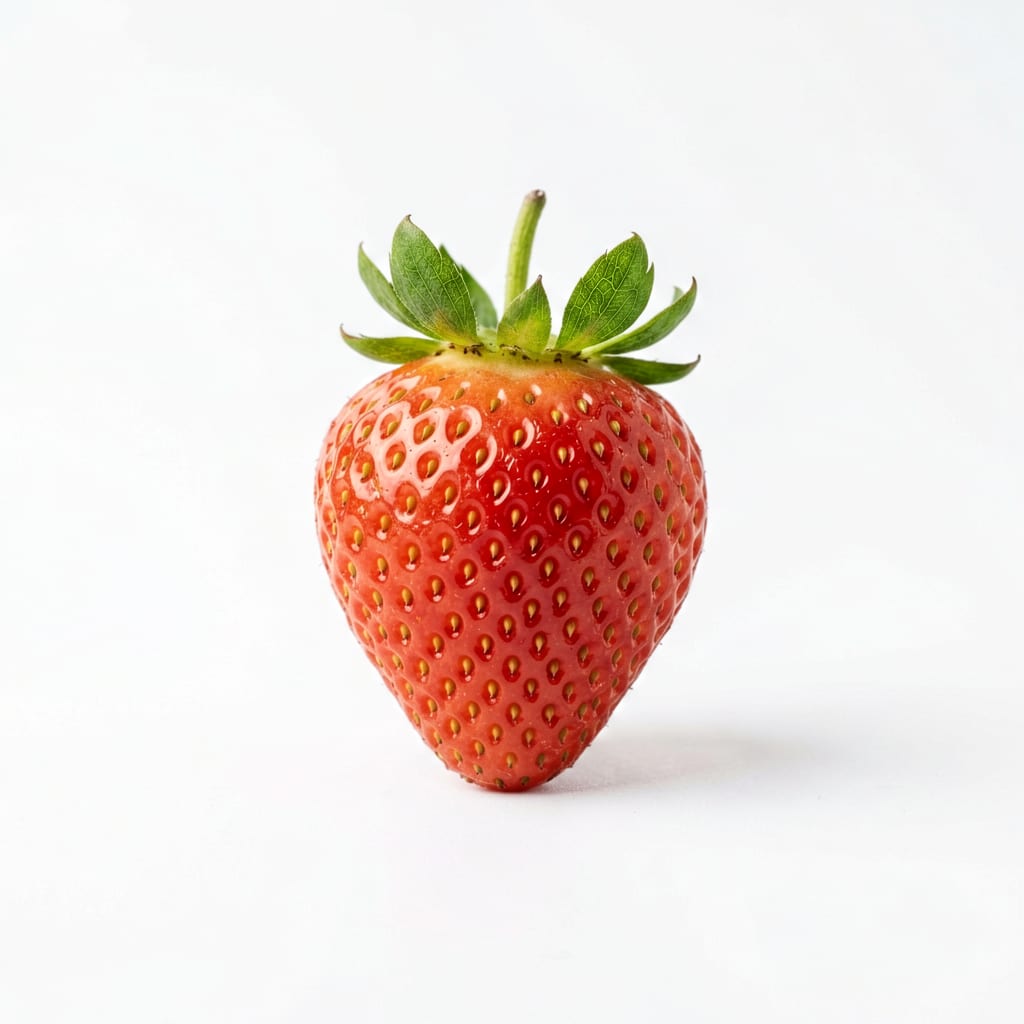
Strawberry
Boysenberries offer deeper antioxidant power and more fiber, while strawberries provide a brighter vitamin C boost and far easier everyday access.
Strawberries score slightly higher overall due to overwhelming practicality, affordability, and vitamin C content, though boysenberries win on specific nutritional metrics like fiber and antioxidants.
Nutritional depth and digestive fullness (Boysenberry) versus convenience, availability, and immunity support (Strawberry).
At a glance
Executive summary
Overall
It depends
Healthier
Boysenberry
More practical
Strawberry
Daily use
Strawberry
Key comparison lenses
Antioxidant density and cellular protection
Berries are primarily consumed for their antioxidant profiles, and comparing these two reveals distinct phytonutrient advantages.
Everyday practicality and availability
Strawberries are a grocery staple while boysenberries are seasonal and harder to source, heavily influencing real-world choices.
Blood sugar impact and fiber content
Differing fiber levels affect how these fruits influence satiety and glucose response.
Pesticide exposure and safety
Strawberries consistently rank high on the Dirty Dozen list, making pesticide residue a major consumer concern.
Best choice for
Boysenberry
- Maximizing antioxidant and anthocyanin intake
- Improving digestive regularity with extra fiber
- Adding complex, tart flavor to desserts and smoothies
Strawberry
- Quick, everyday snacking
- Boosting vitamin C and immune function
- Accessible, budget-friendly fruit options
Least suitable for
Boysenberry
- Shoppers without access to specialty markets or frozen sections
- Those wanting a sweet, mild-flavored snack
Strawberry
- Strict organic-only shoppers on a tight budget (due to pesticide concerns)
- Those needing a high-fiber fruit to stay full for hours
Deep comparison
Dimension by dimension
Each lens scores both foods and breaks down who each option suits.
- Dimension 1 · Priority 95Boysenberry
Antioxidant Density & Cellular Protection
Boysenberry · 93Strawberry · 82Boysenberries pack a heavier punch in anthocyanins and total antioxidant capacity, offering deeper cellular defense.
Tradeoff
You get more oxidative stress protection with boysenberries, but strawberries still provide excellent ellagic acid and vitamin C.
Why it matters
Higher antioxidant intake supports aging gracefully and reduces everyday cellular wear and tear.
Real-world impact
Choosing boysenberries is like upgrading your cellular shield from standard to heavy-duty, especially useful during periods of high stress.
Boysenberry
- Combatting oxidative stress from intense exercise
- Supporting brain health and cognitive longevity
Better for
- Situations requiring widely available, consistent sourcing
Worse for
Strawberry
- Fighting off common colds with vitamin C
- Everyday maintenance of skin collagen
Better for
- Targeted recovery from severe inflammatory stress
Worse for
- Dimension 2 · Priority 85Boysenberry
Fiber & Digestive Fullness
Boysenberry · 86Strawberry · 68Boysenberries contain significantly more dietary fiber, making them more filling and gentler on blood sugar.
Tradeoff
The extra fiber in boysenberries slows digestion for steadier energy, while strawberries are lighter and less filling if you just want a quick bite.
Why it matters
Fiber is the missing link in most diets, controlling hunger and keeping blood sugar stable.
Real-world impact
A bowl of boysenberries will keep you satisfied until your next meal, whereas strawberries might leave you reaching for a snack an hour later.
Boysenberry
- Staying full between meals
- Managing blood sugar spikes
Better for
- Those unaccustomed to high fiber who eat large quantities at once
Worse for
Strawberry
- Light pre-workout snacking
- When you want a refreshing treat without feeling heavy
Better for
- Using fruit as a standalone breakfast to control hunger
Worse for
- Dimension 3 · Priority 80Strawberry
Vitamin C & Immune Support
Boysenberry · 62Strawberry · 95Strawberries are an exceptional source of vitamin C, far outpacing boysenberries in immune-boosting power.
Tradeoff
You trade the deep antioxidant complexity of boysenberries for a massive, immediate dose of immunity-supporting vitamin C with strawberries.
Why it matters
Vitamin C is crucial for immune resilience and skin repair, and strawberries deliver it efficiently.
Real-world impact
Eating a cup of strawberries covers your entire daily vitamin C need, making them an easy win for immune health during cold season.
Boysenberry
- Long-term anti-aging and cellular repair
Better for
- Rapid immune support when you feel a cold coming on
Worse for
Strawberry
- Fending off seasonal colds
- Supporting skin elasticity and wound healing
Better for
- Situations where high acidity might aggravate acid reflux
Worse for
- Dimension 4 · Priority 90Strawberry
Everyday Availability & Cost
Boysenberry · 40Strawberry · 96Strawberries are available year-round in almost every grocery store, while boysenberries are rare, seasonal, and often expensive.
Tradeoff
You gain nutritional superiority with boysenberries, but you sacrifice the convenience of grabbing a affordable pack at any local store.
Why it matters
The healthiest food is the one you can actually buy and eat consistently.
Real-world impact
You can toss strawberries in your cart every week without a thought, but finding boysenberries usually requires specialty stores or buying frozen.
Boysenberry
- Specialty baking and gourmet cooking
- Occasional nutritional upgrades when in season
Better for
- Quick grocery runs
- Sticking to a tight food budget
Worse for
Strawberry
- Consistent weekly meal prep
- Budget-friendly daily fruit intake
Better for
- Culinary projects requiring a tart, complex berry flavor
Worse for
- Dimension 5 · Priority 80Boysenberry
Pesticide Exposure & Safety
Boysenberry · 78Strawberry · 45Strawberries consistently top the Dirty Dozen list for pesticide residues, whereas boysenberries are typically cleaner, especially frozen.
Tradeoff
Strawberries are easier to find but carry a higher risk of chemical exposure unless you buy organic, which raises the cost.
Why it matters
Pesticide exposure accumulates over time, impacting hormonal and neurological health.
Real-world impact
If you eat strawberries daily, budgeting for organic is a must to avoid high pesticide loads; boysenberries are a safer bet if organic isn't available.
Boysenberry
- Eating conventionally grown fruit with less worry
- Avoiding the Dirty Dozen list entirely
Better for
- None regarding safety, mostly an access issue
Worse for
Strawberry
- Situations where organic options are reliably stocked and affordable
Better for
- Families with young children buying conventional produce
Worse for
Timeline
Health impact over time
Short-term
Hours to days
Boysenberry
- Provides steady energy without a sugar crash due to higher fiber content.
- Offers a rich, tart flavor that satisfies sweet cravings moderately.
Strawberry
- Delivers a quick hydration and vitamin C boost.
- Very easy to eat large volumes, which can add up in sugar if you aren't mindful.
Long-term
Months to years
Boysenberry
- Superior antioxidant profile supports cellular aging defense and brain health.
- High fiber contributes to long-term gut health and improved cholesterol.
Strawberry
- Excellent for sustained immune health and collagen production for skin.
- Frequent consumption supports heart health, but requires careful sourcing to avoid pesticide buildup.
Risk profile
Safety & processing
Both are whole foods when bought fresh or frozen. Watch out for added sugars in boysenberry preserves or frozen strawberry blends, which drastically alter their health profile.
Boysenberry
Pesticide residue
lowBoysenberries are not heavily treated compared to other berries, and are often found frozen, which reduces residue risk.
Mold and spoilage
mediumLike all delicate berries, they spoil quickly; discard any mushy or moldy ones to avoid stomach upset.
Strawberry
Pesticide residue
highStrawberries consistently rank in the top three of the EWG's Dirty Dozen list due to heavy pesticide use in conventional farming.
Mold and spoilage
highTheir delicate skin and close contact with soil make them prone to rapid mold growth and bacterial contamination.
Who wins for whom
Audience fit
Same foods, different winners depending on your goal.
children
StrawberryStrawberries are sweeter, more familiar, and easier for kids to grab and eat, making them a practical everyday choice.
daily consumption
StrawberryStrawberries are far easier to find year-round and more affordable, making consistent daily intake realistic.
diabetes
BoysenberryBoysenberries have more fiber, which slows sugar absorption and leads to a gentler blood sugar response.
elderly
BoysenberryThe extra fiber aids digestive regularity, and the dense antioxidants support cognitive aging and cellular repair.
muscle gain
It dependsNeither berry is a significant protein source; both serve best as antioxidant-rich additions to a high-protein meal.
weight loss
StrawberryStrawberries are lower in calories and sugar per cup, making it easier to eat a larger volume for fewer calories.
Your move
Decision guide
Choose Boysenberry
- You want maximum antioxidant and fiber bang for your buck.
- You have access to fresh or frozen boysenberries at a reasonable price.
- You are managing blood sugar and need slower-digesting carbs.
Choose Strawberry
- You want an easy, affordable everyday fruit.
- You need a massive vitamin C boost for immune support.
- You prefer sweeter, milder flavors for snacking.
Either works if
- You just want a healthy, low-calorie berry to mix into yogurt or oatmeal.
- You are looking for natural ways to satisfy a sweet tooth.
Avoid both if
- You have a severe allergy to berries.
- You are on a strict very-low-carb or ketogenic diet and tracking every gram of sugar.
Final recommendation
Choose strawberries for everyday convenience, vitamin C, and budget-friendliness, but opt for organic to dodge pesticides. Choose boysenberries when you can find them for a fiber-rich, antioxidant-heavy upgrade, especially if you want steadier energy and better blood sugar control.
Practical
Consumer tips
- 1
Buy organic strawberries whenever possible to avoid high pesticide residues.
- 2
Frozen boysenberries are often easier to find than fresh and retain their antioxidant power perfectly.
- 3
Mix both berries together for a balance of vitamin C, fiber, and complex flavor profiles.
- 4
Wash all berries right before eating, not before storing, to prevent premature mold and sogginess.