
Nutrition comparison
Boysenberry vs Red Currant: Nutrition, Sugar, and Health Comparison
Compare boysenberries and red currants side by side — sugar content, vitamin C, antioxidants, calories, and which berry fits your diet best.
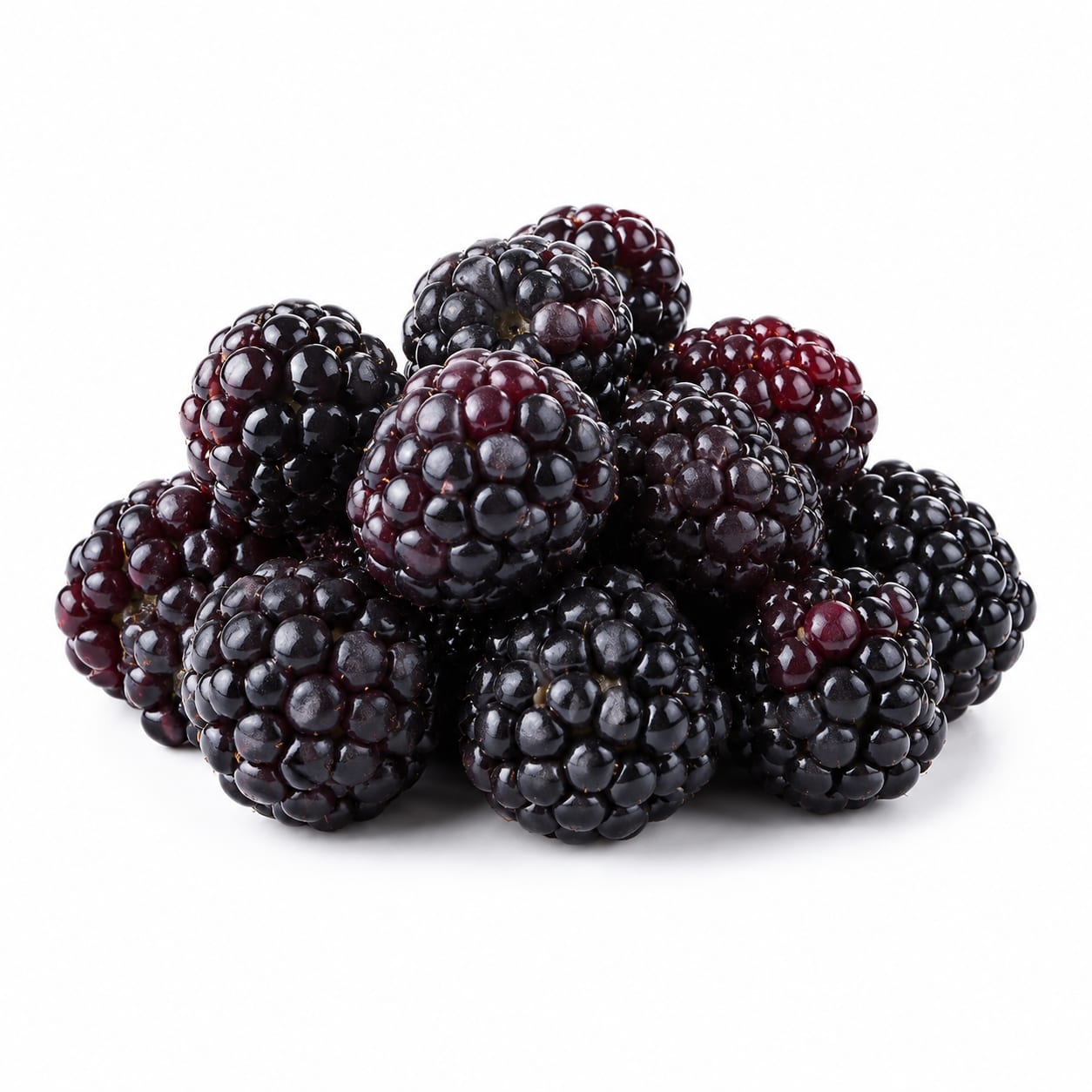
Boysenberry
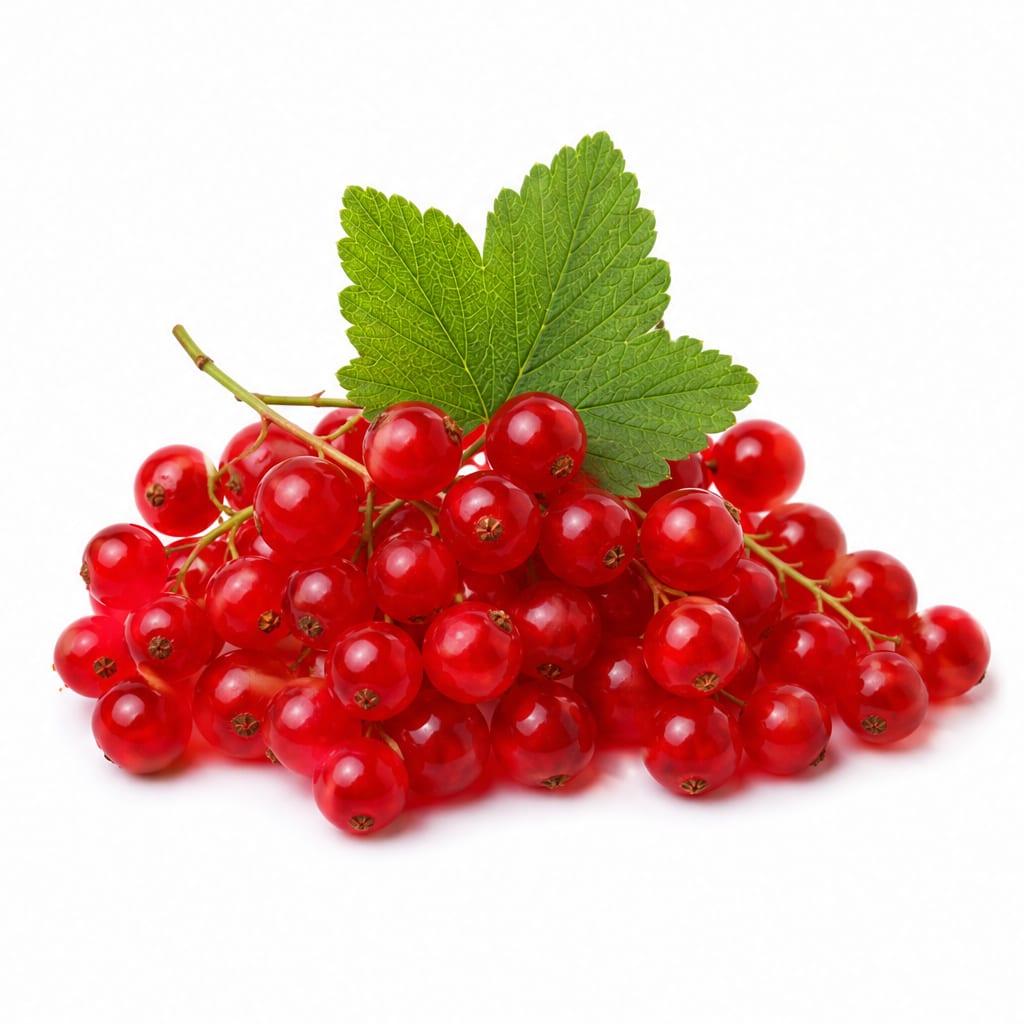
Red Currant
Boysenberries win on sweetness, fiber, and anthocyanin richness; red currants win on vitamin C, low sugar, and calorie efficiency.
Red currants edge ahead due to superior vitamin C content, dramatically lower sugar, and better calorie-to-nutrient ratio. Boysenberries remain excellent for anthocyanins and are more enjoyable to eat plain, but their higher sugar and calorie load slightly reduces their everyday versatility.
Flavor satisfaction and antioxidant depth versus vitamin C potency and calorie control.
At a glance
Executive summary
Overall
It depends
Healthier
It depends
More practical
Red Currant
Daily use
Red Currant
Key comparison lenses
antioxidant density
Both berries are prized for anthocyanins and vitamin C, so users want to know which delivers more protective compounds per bite
sugar and calorie tradeoff
Boysenberries are notably sweeter and higher in calories, while red currants are tart and very low in sugar — a key decision factor for weight-conscious or diabetic users
vitamin C priority
Red currants are exceptionally high in vitamin C, making this a standout differentiator for immune-focused consumers
culinary versatility
These berries serve very different kitchen roles: sweet dessert berry versus tart garnish or jelly base
availability and practicality
Both are specialty berries that can be hard to find fresh, so frozen or preserved forms matter for real-world use
Best choice for
Boysenberry
- Smoothie lovers wanting natural sweetness without added sugar
- Those seeking high anthocyanin intake for brain and heart health
- Home bakers making pies, cobblers, or fruit-forward desserts
- Anyone who finds tart berries unpleasant and needs palatable fruit options
Red Currant
- Weight-loss dieters counting every calorie and sugar gram
- Immune-support seekers wanting maximum vitamin C per serving
- Garnish enthusiasts and European-style jelly makers
- Blood sugar–sensitive individuals who need low-glycemic fruit
Least suitable for
Boysenberry
- Strict low-carb or keto dieters watching sugar closely
- Those who find very sweet fruit triggers overeating
- Shoppers with limited access to specialty or frozen berry sections
Red Currant
- Children or adults who reject sour flavors
- Anyone looking for a satisfying standalone snack berry
- People needing calorie-dense fruit for energy or weight gain
Deep comparison
Dimension by dimension
Each lens scores both foods and breaks down who each option suits.
- Dimension 1 · Priority 92Boysenberry
antioxidant_power
Boysenberry · 88Red Currant · 80Boysenberries deliver deeper anthocyanin coverage thanks to their dark purple flesh, while red currants offer solid but less diverse antioxidant protection.
Tradeoff
Broader antioxidant spectrum in boysenberries versus more concentrated vitamin C antioxidant action in red currants.
Why it matters
Anthocyanins support brain health, blood vessel flexibility, and inflammation control over time.
Real-world impact
Regular boysenberry eaters may notice better recovery from exercise and less afternoon brain fog; red currant eaters get stronger immune defense during cold season.
Boysenberry
- Long-term cognitive protection
- Cardiovascular flexibility
- Anti-inflammatory diets
Better for
- Quick immune boosts during illness
Worse for
Red Currant
- Acute immune support
- Skin collagen maintenance
- Short-term cold prevention
Better for
- Deep cellular protection against oxidative stress
Worse for
- Dimension 2 · Priority 88Red Currant
sugar_and_calorie_efficiency
Boysenberry · 55Red Currant · 92Red currants contain roughly half the sugar and calories of boysenberries per serving, making them far more efficient for calorie-conscious eating.
Tradeoff
You sacrifice the satisfying sweetness of boysenberries but gain much tighter control over sugar and calorie intake.
Why it matters
For anyone managing weight, blood sugar, or metabolic health, sugar density is often the deciding factor in fruit choices.
Real-world impact
A cup of red currants feels light and won't spike your energy, while a cup of boysenberries can feel more like a treat that satisfies a sweet tooth but adds up faster.
Boysenberry
- Active individuals needing calorie-dense natural fuel
- Those replacing processed desserts with whole fruit
Better for
- Sugar-sensitive individuals
- Calorie-restricted eating plans
Worse for
Red Currant
- Diabetics monitoring glycemic load
- Weight-loss diets requiring low-calorie volume
- Intermittent fasters breaking fasts gently
Better for
- Endurance athletes needing quick energy
Worse for
- Dimension 3 · Priority 82Red Currant
vitamin_c_concentration
Boysenberry · 60Red Currant · 94Red currants are vitamin C powerhouses, delivering significantly more per serving than boysenberries.
Tradeoff
Boysenberries give you broader antioxidant coverage but cannot match the concentrated vitamin C hit of red currants.
Why it matters
Vitamin C is essential for immune resilience, skin health, and iron absorption — and many people fall short.
Real-world impact
Eating red currants regularly can meaningfully reduce sick days and improve skin texture, especially in winter months when fresh produce variety drops.
Boysenberry
- Situations where diverse antioxidants matter more than single-vitamin potency
Better for
- Targeted vitamin C supplementation through food
Worse for
Red Currant
- Immune system support during cold and flu season
- Improving non-heme iron absorption from plant meals
- Skin health and collagen support routines
Better for
- Nothing significant — this is a clear strength
Worse for
- Dimension 4 · Priority 72Boysenberry
fiber_content
Boysenberry · 82Red Currant · 74Boysenberries provide slightly more fiber per serving, thanks to their larger flesh and seed content.
Tradeoff
The fiber difference is modest — both are good sources — but boysenberries feel more filling because of it.
Why it matters
Fiber controls hunger, steadies blood sugar, and feeds gut bacteria that influence mood and immunity.
Real-world impact
A boysenberry snack keeps you full longer; red currants digest lighter and faster, which can feel either refreshing or unsatisfying depending on your needs.
Boysenberry
- Satiety-focused snacking
- Gut microbiome support
- Reducing between-meal hunger
Better for
- Situations requiring light pre-exercise fuel
Worse for
Red Currant
- Light eating before workouts
- Easily digestible fruit options
Better for
- Appetite control between meals
Worse for
- Dimension 5 · Priority 78Boysenberry
taste_and_eating_enjoyment
Boysenberry · 85Red Currant · 62Boysenberries are naturally sweet with a rich, jammy flavor most people enjoy immediately. Red currants are sharply tart and an acquired taste.
Tradeoff
Pleasant eating experience versus calorie discipline — the sweeter berry is easier to overeat.
Why it matters
If a healthy food tastes bad, you won't eat it consistently. Enjoyment drives long-term adherence.
Real-world impact
Kids and picky eaters will almost always prefer boysenberries. Red currants work better as accents than standalone snacks.
Boysenberry
- Standalone snacking
- Family-friendly fruit options
- Replacing candy or dessert cravings naturally
Better for
- Portion control for sugar-sensitive individuals
Worse for
Red Currant
- Culinary garnishing
- Balancing sweet dishes with tartness
- Making sugar-free preserves
Better for
- Eating out of hand as a casual snack
Worse for
- Dimension 6 · Priority 70Red Currant
availability_and_convenience
Boysenberry · 58Red Currant · 68Neither berry is a supermarket staple, but red currants are slightly more available in European markets and specialty stores, and both are most commonly found frozen.
Tradeoff
Both require effort to source fresh — frozen is the practical default for either.
Why it matters
A berry you can't find is a berry you won't eat, no matter how nutritious.
Real-world impact
Most consumers will buy these frozen, which preserves nutrients well but changes texture. Red currants hold up slightly better in frozen form for garnishing.
Boysenberry
- Farmers markets in boysenberry-growing regions like the Pacific Northwest
Better for
- Year-round fresh availability
- Mainstream grocery accessibility
Worse for
Red Currant
- European grocery chains and specialty importers
- Online specialty berry suppliers
Better for
- Consistent fresh access outside Europe
Worse for
Timeline
Health impact over time
Short-term
Hours to days
Boysenberry
- Quick natural energy from higher sugar content
- Satisfying fullness from fiber and larger serving volume
- Possible mild blood sugar rise in sensitive individuals
Red Currant
- Minimal blood sugar impact, steady energy
- Refreshing hydration with very low calorie cost
- Tartness may cause mild mouth puckering or stomach awareness if eaten in large quantities
Long-term
Months to years
Boysenberry
- Strong cardiovascular and cognitive protection from consistent anthocyanin intake
- Improved gut health from higher fiber load
- Potential for excess sugar intake if portions are not managed
Red Currant
- Enhanced immune resilience and skin quality from sustained high vitamin C intake
- Excellent weight maintenance support due to low calorie density
- Strong antioxidant protection, though with less anthocyanin diversity than darker berries
Risk profile
Safety & processing
Both boysenberries and red currants are whole, minimally processed fruits with no additive concerns when purchased fresh or frozen. Watch for added sugars in boysenberry jams and preserves, which are common and can dramatically increase sugar content.
Boysenberry
Pesticide residue on conventionally grown berries
mediumBoysenberries have delicate skins that retain pesticide residue. Organic is preferable when available, especially since they are often eaten unwashed or lightly rinsed.
Mold and spoilage due to high moisture content
mediumBoysenberries spoil quickly — often within 1-2 days of purchase. Inspect containers carefully and refrigerate immediately.
Red Currant
Pesticide residue on conventionally grown berries
mediumRed currants share the same pesticide concerns as all small berries. Their tight clusters can trap residue, so thorough washing is important.
Oxalate content
lowRed currants contain moderate oxalates, which may be a minor concern for individuals prone to kidney stones if consumed in very large quantities.
Who wins for whom
Audience fit
Same foods, different winners depending on your goal.
children
BoysenberryMost children prefer sweet flavors and will eat boysenberries willingly, while red currants are often rejected for their tartness.
daily consumption
Red CurrantRed currants' low sugar and calorie load makes them easier to eat daily without accumulating excess calories, while boysenberries are better treated as a few-times-per-week indulgence.
diabetes
Red CurrantRed currants have significantly less sugar and a lower glycemic impact, making them safer for blood sugar management.
elderly
Red CurrantRed currants provide concentrated vitamin C for immune support and collagen maintenance, both critical for aging bodies, with less sugar to manage.
muscle gain
It dependsNeither berry is a meaningful protein source. Boysenberries offer slightly more post-workout carbs for glycogen replenishment, but the difference is negligible.
weight loss
Red CurrantRed currants deliver strong nutrition at roughly half the calories and sugar of boysenberries, making them far easier to fit into a calorie deficit.
Your move
Decision guide
Choose Boysenberry
- You want a dessert-like fruit that satisfies sweet cravings naturally
- Brain and heart health are your top long-term priorities
- You live in a region where boysenberries are grown and accessible
- You're making smoothies, pies, or cobblers and want rich flavor without added sugar
Choose Red Currant
- You're counting calories or managing blood sugar closely
- Immune support and vitamin C intake are your primary goals
- You enjoy tart flavors or use berries as garnishes and accents
- You want a daily-use berry that won't add up calorically over the week
Either works if
- You're simply trying to eat more berries and both are available
- You rotate fruits for dietary diversity and antioxidant breadth
- You use frozen berries in oatmeal, yogurt, or baking where differences matter less
Avoid both if
- You have a severe berry allergy or salicylate sensitivity
- You cannot access either berry fresh or frozen and would rely on heavily sweetened processed versions
Final recommendation
For most people seeking a daily berry habit, red currants are the more sustainable choice — low in sugar, rich in vitamin C, and easy on your calorie budget. But if you find red currants too tart to enjoy consistently, boysenberries are a perfectly healthy alternative that you'll actually want to eat. The best berry is the one you'll keep reaching for.
Practical
Consumer tips
- 1
Buy both berries frozen if fresh is unavailable — freezing locks in nutrients and avoids the rapid spoilage that wastes money
- 2
Wash all berries thoroughly, even organic, to remove pesticide residue trapped in crevices
- 3
Check boysenberry jam and preserve labels for added sugar — many commercial versions contain more sugar than fruit
- 4
Freeze fresh red currants on a baking sheet before bagging to prevent clumping and preserve their shape for garnishing
- 5
Mix both berries together in a bowl with plain yogurt: the tartness of red currants balances the sweetness of boysenberries perfectly
- 6
If you have kidney stone concerns, moderate your red currant intake due to oxalate content and ensure adequate hydration