
Nutrition comparison
Boysenberry vs Raspberry: Which Berry Is Healthier for You?
Compare boysenberry and raspberry nutrition including antioxidants, fiber, vitamins, and blood sugar impact. Find out which berry fits your health goals best.
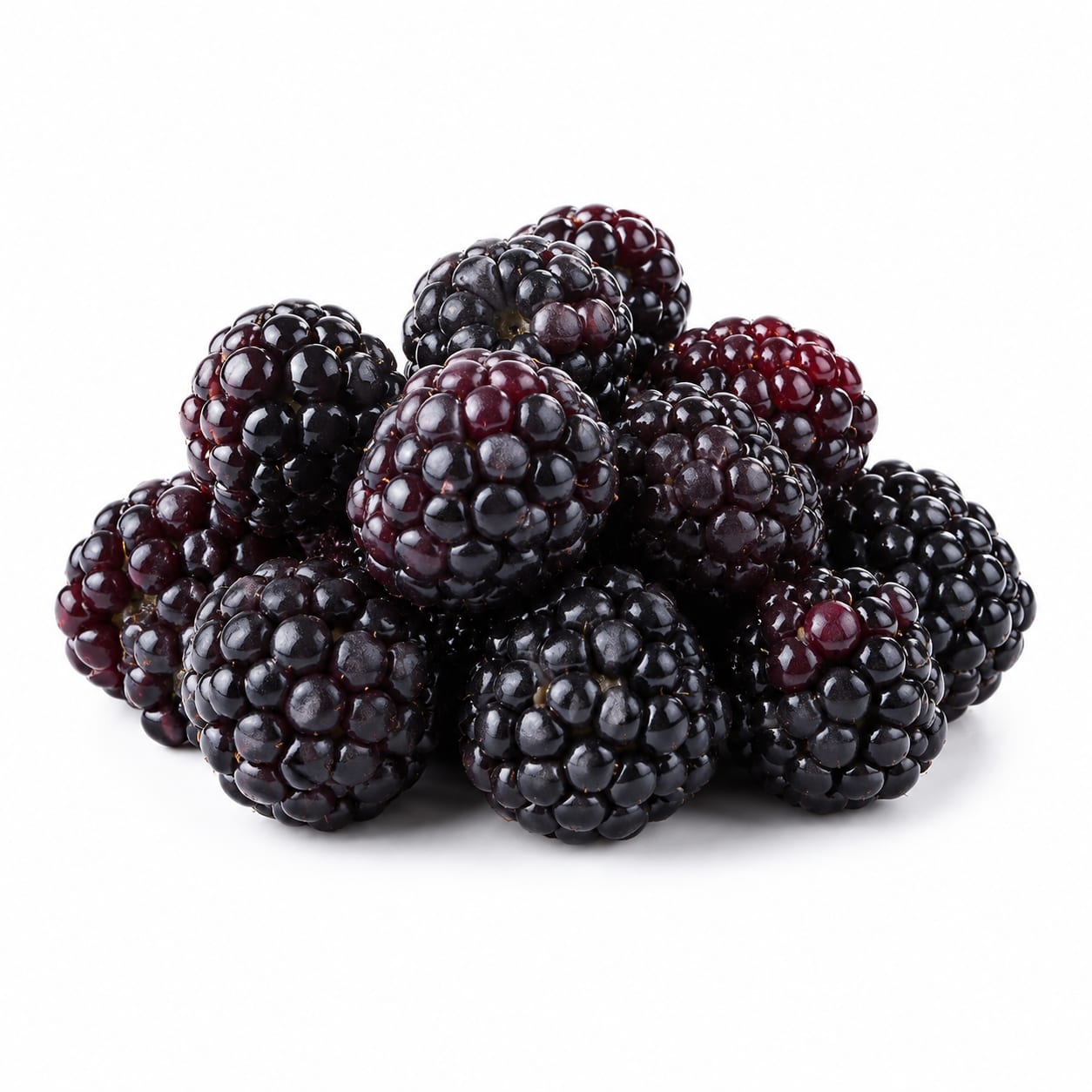
Boysenberry
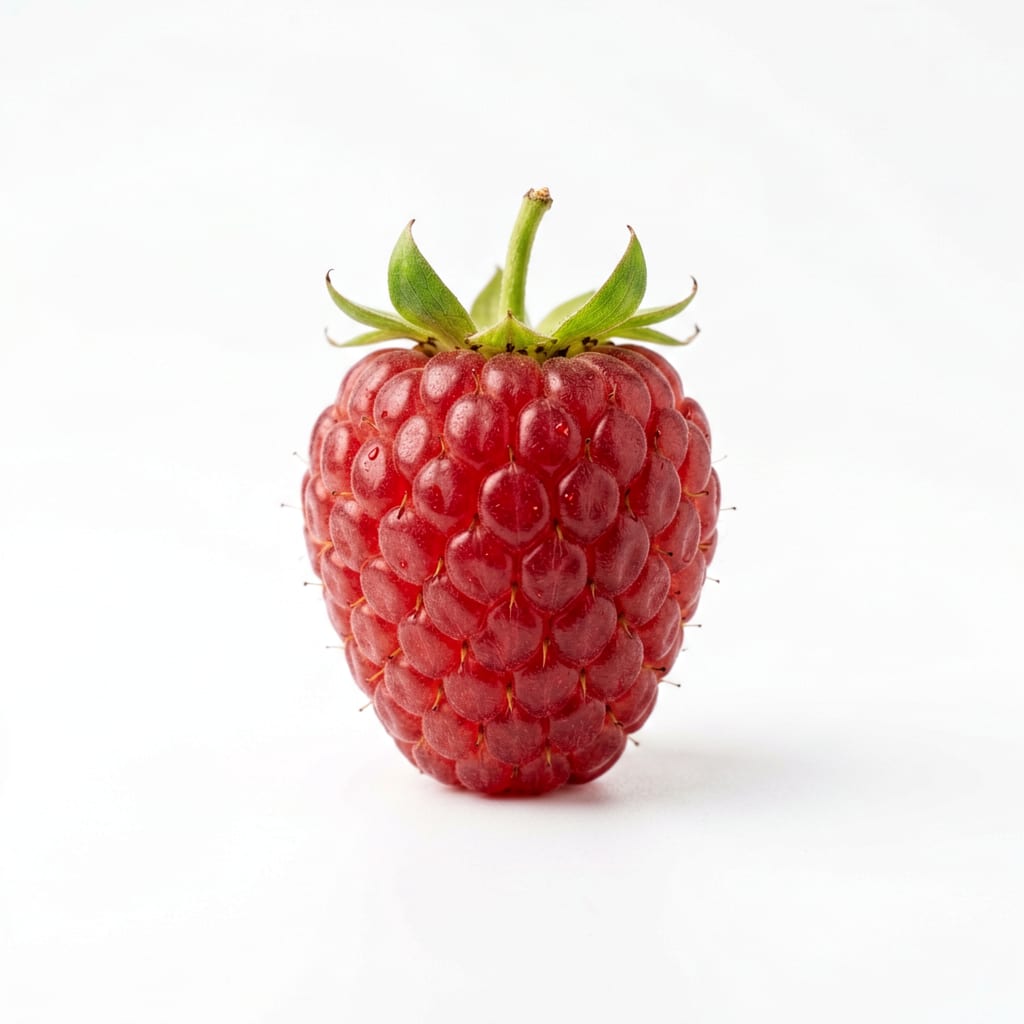
Raspberry
Boysenberries deliver more antioxidants and vitamin K per bite, but raspberries win on fiber, vitamin C, availability, and calorie efficiency.
Raspberries score higher mainly due to superior fiber content, better availability, and stronger evidence base for daily consumption. Boysenberries excel in specific antioxidant metrics but their scarcity and seasonal nature reduce real-world usability.
Peak antioxidant power versus everyday practicality and fiber density.
At a glance
Executive summary
Overall
It depends
Healthier
It depends
More practical
Raspberry
Daily use
Raspberry
Key comparison lenses
antioxidant density
Both berries are antioxidant powerhouses but boysenberries have deeper pigmentation indicating higher anthocyanin concentration
daily practicality
Raspberries are available year-round in most grocery stores while boysenberries are seasonal and harder to find fresh
blood sugar management
Both are low-sugar fruits but their fiber-to-sugar ratios differ meaningfully for diabetics and low-carb eaters
anti inflammatory benefits
Users comparing these berries are often seeking inflammation-reducing foods and the anthocyanin difference matters
weight management
Calorie and fiber differences per cup affect satiety and how easily they fit into calorie-controlled eating
Best choice for
Boysenberry
- Maximizing antioxidant intake per serving
- Boosting vitamin K for bone and blood health
- Anti-inflammatory focused eating patterns
- Occasional specialty nutrition boosts
Raspberry
- Daily high-fiber low-calorie snacking
- Vitamin C immune support
- Blood sugar friendly fruit choices
- Consistent year-round berry consumption
Least suitable for
Boysenberry
- People needing easy grocery access on a budget
- Anyone wanting a reliable daily fruit staple
- Those who dislike tart complex flavors
Raspberry
- Situations requiring maximum antioxidant concentration per calorie
- Recipes needing a deeper richer berry flavor profile
- Those specifically seeking high vitamin K from fruit
Deep comparison
Dimension by dimension
Each lens scores both foods and breaks down who each option suits.
- Dimension 1 · Priority 92Boysenberry
antioxidant_density
Boysenberry · 91Raspberry · 78Boysenberries contain significantly more anthocyanins due to their darker pigmentation and hybrid genetics crossing multiple dark berry species.
Tradeoff
You get more antioxidant punch per boysenberry but raspberries still provide excellent antioxidant diversity especially ellagic acid.
Why it matters
Higher anthocyanin intake links to better brain aging, reduced oxidative stress, and improved vascular function over time.
Real-world impact
Eating boysenberries when available is like getting a concentrated antioxidant supplement in whole food form.
Boysenberry
- Reducing oxidative stress from intense exercise
- Supporting cognitive health in aging adults
- Combating chronic inflammation markers
Better for
- Inconsistent intake due to limited availability reduces long-term benefit
Worse for
Raspberry
- Sustained daily antioxidant intake without seasonal gaps
- Ellagic acid specific benefits for cellular health
Better for
- Lower total anthocyanin load per serving compared to darker berries
Worse for
- Dimension 2 · Priority 88Raspberry
fiber_content
Boysenberry · 72Raspberry · 90Raspberries are one of the highest-fiber fruits available with roughly 8 grams per cup versus about 5-6 grams in boysenberries.
Tradeoff
Raspberries give you notably more fiber per calorie which means better satiety and blood sugar control for fewer calories consumed.
Why it matters
Fiber is the single most undervalued nutrient for digestive health, appetite control, and metabolic stability.
Real-world impact
A cup of raspberries with breakfast can keep you full an hour longer than the same amount of boysenberries.
Boysenberry
- Still provides decent fiber especially when eaten in larger quantities
Better for
- Less fiber per calorie means you eat more calories for the same digestive benefit
Worse for
Raspberry
- Managing hunger between meals on fewer calories
- Supporting healthy gut microbiome diversity
- Smoothing out blood sugar after carbohydrate-containing meals
Better for
- Very high fiber can cause bloating if you are not used to it
Worse for
- Dimension 3 · Priority 75It depends
vitamin_and_mineral_profile
Boysenberry · 80Raspberry · 82Boysenberries dominate in vitamin K and manganese while raspberries deliver substantially more vitamin C.
Tradeoff
Choose boysenberries for bone and blood clotting support or raspberries for immune function and collagen synthesis.
Why it matters
Vitamin K is surprisingly hard to get from fruit and boysenberries are an excellent source. Vitamin C from raspberries supports iron absorption and skin health.
Real-world impact
If you rarely eat leafy greens, boysenberries help close your vitamin K gap. If you need immune support during cold season, raspberries are the better pick.
Boysenberry
- Supporting bone density alongside calcium-rich foods
- Improving blood clotting function naturally
- Getting manganese for connective tissue health
Better for
- Lower vitamin C means less support for iron absorption at meals
Worse for
Raspberry
- Boosting iron absorption from plant-based meals
- Supporting wound healing and skin integrity
- Strengthening immune defense during illness
Better for
- Minimal vitamin K contribution compared to boysenberries
Worse for
- Dimension 4 · Priority 85Raspberry
availability_and_practicality
Boysenberry · 35Raspberry · 88Raspberries are stocked in virtually every grocery store year-round. Fresh boysenberries are rare and seasonal, mostly available frozen or in preserves.
Tradeoff
You can reliably eat raspberries daily but boysenberries require effort to source and often come frozen or with added sugar in processed forms.
Why it matters
The healthiest food is the one you can actually access and eat consistently. Scarcity undermines dietary adherence.
Real-world impact
Planning meals around boysenberries means checking specialty stores or ordering online. Raspberries are a grab-and-go grocery staple.
Boysenberry
- Finding frozen boysenberries can work well for smoothies and baking
Better for
- Limited fresh access means you may settle for sugary preserves instead
- Higher cost per serving reduces long-term sustainability
Worse for
Raspberry
- Easy weekly meal prep and consistent nutrition habits
- Available fresh for salads, snacks, and toppings without planning
- Organic options widely accessible
Better for
- Out-of-season raspberries can be expensive and less flavorful
Worse for
- Dimension 5 · Priority 80Raspberry
blood sugar_impact
Boysenberry · 74Raspberry · 84Raspberries have a lower sugar content and higher fiber ratio per calorie, resulting in a gentler blood sugar response.
Tradeoff
Both are low-glycemic fruits but raspberries give you more blood sugar stability per serving for fewer calories.
Why it matters
For diabetics, prediabetics, or anyone avoiding energy crashes, the fiber-to-sugar ratio determines how steady you feel after eating.
Real-world impact
A cup of raspberries causes less post-meal blood sugar fluctuation than a cup of boysenberries, though both are far better than most fruits.
Boysenberry
- Still a very blood sugar friendly option compared to most fruits
Better for
- Slightly more sugar per serving requires more portion awareness for diabetics
Worse for
Raspberry
- Diabetics seeking the safest fruit choice
- Low-carb and keto dieters tracking net carbs closely
- Preventing afternoon energy crashes
Better for
- Large servings may still affect sensitive individuals
Worse for
- Dimension 6 · Priority 65It depends
flavor_and_culinary_versatility
Boysenberry · 78Raspberry · 76Boysenberries offer a deeper, more complex tart-sweet flavor ideal for desserts and jams. Raspberries are brighter and more versatile across sweet and savory dishes.
Tradeoff
Boysenberries shine in rich recipes where their bold flavor stands out. Raspberries work everywhere from salads to smoothies to sauces.
Why it matters
Flavor determines whether you actually enjoy eating healthy food. A berry you love eating is more valuable than a technically superior one you avoid.
Real-world impact
Boysenberry jam on toast feels indulgent and satisfying. Raspberries in a salad feel fresh and light. Different moods, different berries.
Boysenberry
- Making homemade jams and preserves with less added sugar needed
- Rich desserts where deep berry flavor is the star
- Smoothies where you want a bold berry punch
Better for
- Overpowering in delicate recipes where subtlety is needed
Worse for
Raspberry
- Savory applications like vinaigrettes and meat glazes
- Light breakfast toppings for yogurt and oatmeal
- Garnishing dishes where visual appeal matters
Better for
- Can taste too tart without sweetener for some palates
Worse for
Timeline
Health impact over time
Short-term
Hours to days
Boysenberry
- Quick antioxidant boost after consumption especially noticeable after exercise
- Mild digestive support from fiber though less than raspberries
- Satiating enough to curb sweet cravings for an hour or two
Raspberry
- Noticeable fullness from high fiber content reducing snacking urges
- Gentle blood sugar response preventing energy spikes and crashes
- Vitamin C supporting immediate immune cell activity
Long-term
Months to years
Boysenberry
- Consistent anthocyanin intake may support cognitive preservation with aging
- Vitamin K contribution helps maintain bone mineral density over decades
- Anti-inflammatory compounds may reduce chronic disease risk markers
Raspberry
- Superior fiber intake supports gut microbiome diversity and colorectal health
- Consistent low-sugar fruit habit helps maintain insulin sensitivity
- Ellagic acid exposure may offer cellular protection against certain cancers
Risk profile
Safety & processing
Both berries are whole foods when purchased fresh or frozen without additives. However boysenberries are more commonly found in processed forms like jams and syrups with added sugar, which dramatically changes their health profile.
Boysenberry
Added sugar in processed forms
mediumMost commercially available boysenberry products are preserves or syrups with significant added sugar. Always check labels if buying anything other than fresh or plain frozen.
Pesticide residue
lowBerries generally carry some pesticide residue but boysenberries are less commonly tested. Choose organic when available.
Raspberry
Pesticide residue
mediumRaspberries consistently appear on the EWG Dirty Dozen list due to pesticide residue concerns. Organic is strongly recommended.
Mold and spoilage
lowRaspberries are highly perishable and mold quickly. Inspect containers carefully and consume within two days of purchase.
Who wins for whom
Audience fit
Same foods, different winners depending on your goal.
children
RaspberryRaspberries are easier to find fresh, more affordable, and their brighter flavor appeals more to kids. Their softer texture is also safer for young children.
daily consumption
RaspberryYear-round availability, lower cost, and consistent fiber intake make raspberries the more sustainable daily habit.
diabetes
RaspberryLower sugar content and higher fiber per calorie give raspberries a gentler impact on blood glucose.
elderly
BoysenberryThe higher vitamin K and anthocyanin content in boysenberries specifically supports bone density and cognitive health which are critical concerns for aging adults.
muscle gain
It dependsNeither berry is a significant protein source. Both offer antioxidant benefits for recovery but the difference is negligible for muscle building.
weight loss
RaspberryRaspberries provide more fiber and fewer calories per cup, making them more satiating per calorie and easier to fit into a deficit.
Your move
Decision guide
Choose Boysenberry
- You find fresh or frozen boysenberries without added sugar and want maximum antioxidant impact
- Bone health and vitamin K intake are personal priorities
- You enjoy richer, deeper berry flavors and want something that feels special
- You are building anti-inflammatory meal plans and want the most concentrated berry source
Choose Raspberry
- You want a reliable daily high-fiber fruit that is easy to find and afford
- Blood sugar management is a primary concern
- You need versatile berries for everything from smoothies to salads
- You prefer organic produce and want widely available organic options
Either works if
- You simply want a low-sugar antioxidant-rich fruit and both are available
- You are rotating berries for nutrient diversity which is ideal anyway
- Neither berry is a staple and you are choosing based on what looks freshest
Avoid both if
- You have a salicylate sensitivity which can be triggered by berries
- You are on a very strict low-fiber diet for digestive recovery
- You are allergic to berries or have histamine intolerance
Final recommendation
Eat raspberries as your daily go-to berry for their fiber, availability, and blood sugar benefits. When you find quality boysenberries, treat them as a nutritional bonus and enjoy their superior antioxidant concentration. The best approach is rotating both when possible since berry diversity gives you the broadest spectrum of protective compounds.
Practical
Consumer tips
- 1
Buy raspberries organic whenever possible due to high pesticide residue on conventional crops
- 2
Frozen boysenberries are often more nutritious than fresh ones that have traveled long distances
- 3
Check boysenberry product labels carefully as most commercial options contain added sugar
- 4
Freeze fresh raspberries on a baking sheet before bagging to prevent clumping for smoothie-ready portions
- 5
Mix both berries together for a flavor and nutrition combination that outperforms either alone
- 6
Avoid pre-washed raspberries in containers with visible moisture as they spoil faster
- 7
Thaw frozen boysenberries slowly in the refrigerator to preserve texture for baking