
Nutrition comparison
Boysenberry vs Gooseberry: Nutrition, Taste, and Health Comparison
Compare boysenberries and gooseberries side by side — antioxidant power, vitamin C, sugar content, flavor, and which berry fits your health goals better.
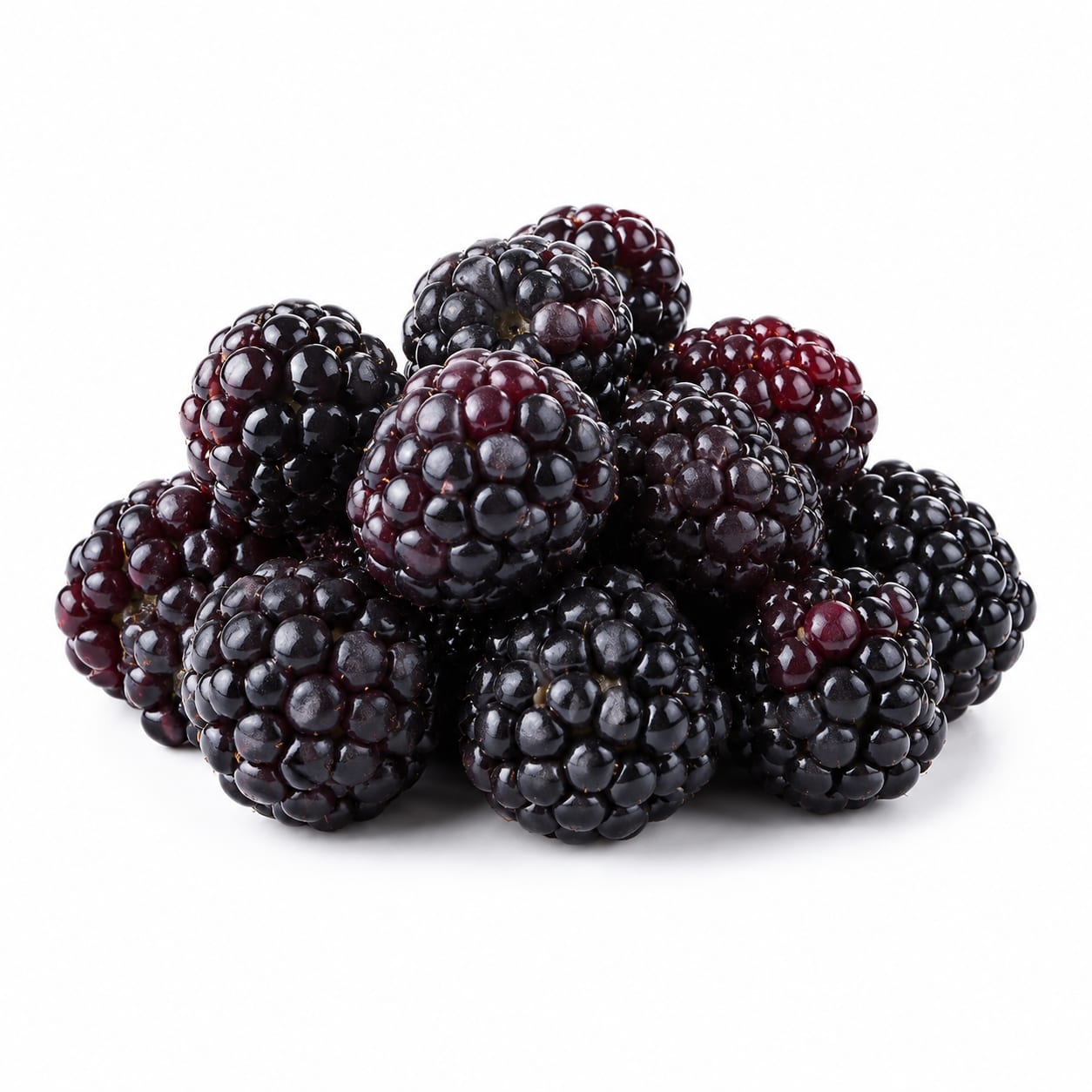
Boysenberry
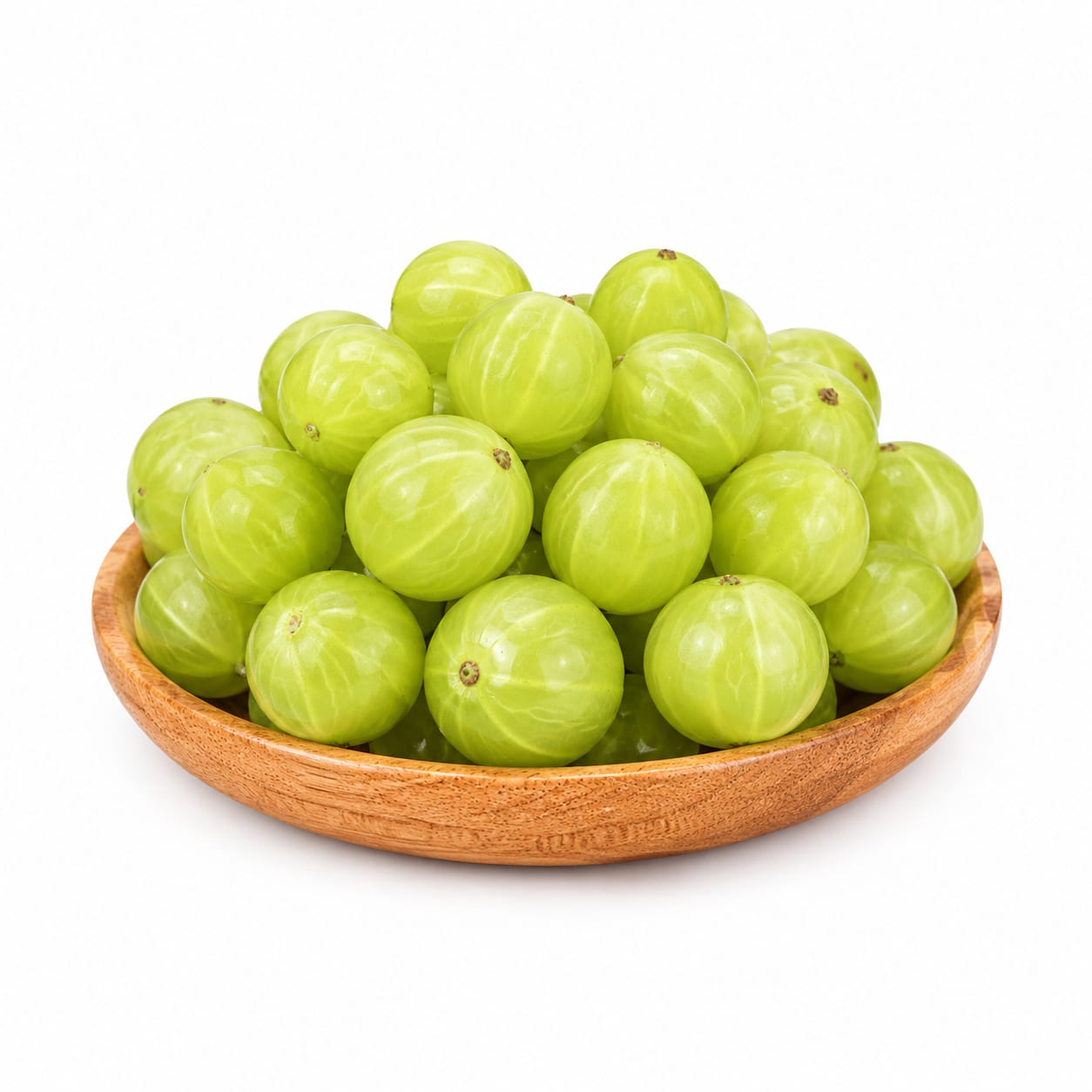
Gooseberry
Boysenberries deliver richer antioxidants and a sweeter eating experience, while gooseberries offer far more vitamin C and less sugar — your pick depends on whether you prioritize flavor indulgence or tart nutritional punch.
Gooseberries edge ahead due to superior vitamin C content, lower sugar, and broader availability — but boysenberries remain excellent for antioxidant density and eating enjoyment. The gap is modest because both are genuinely healthy whole foods.
Sweet, anthocyanin-rich indulgence versus tart, vitamin-C-loaded restraint
At a glance
Executive summary
Overall
It depends
Healthier
Gooseberry
More practical
Gooseberry
Daily use
Gooseberry
Key comparison lenses
antioxidant density
Both berries are prized for phytonutrients, but their antioxidant profiles differ significantly due to pigment and acid composition
sugar and blood impact
Boysenberries are notably sweeter, making sugar load and glycemic response a key differentiator
vitamin C immunity
Gooseberries are exceptionally high in vitamin C, a major reason people choose them over other berries
culinary versatility
Tartness versus sweetness shapes how each berry fits into meals, snacks, and recipes
availability and practicality
Both are specialty berries with limited fresh availability, but access differs by region and form
Best choice for
Boysenberry
- People seeking potent dark-pigment antioxidants
- Those who prefer sweeter berries for snacking
- Anyone making desserts where natural sweetness reduces added sugar
- Smoothie enthusiasts wanting deep berry flavor
Gooseberry
- People prioritizing immune support through vitamin C
- Those monitoring sugar intake closely
- Anyone who enjoys tart, complex flavors
- Bakers making traditional pies and preserves
Least suitable for
Boysenberry
- People strictly limiting fruit sugar
- Those who find very sweet fruit unappealing
- Anyone needing a vitamin C-dominant food source
Gooseberry
- Children or adults sensitive to tart flavors
- Those wanting an easy-to-eat snacking berry
- People seeking high anthocyanin intake
Deep comparison
Dimension by dimension
Each lens scores both foods and breaks down who each option suits.
- Dimension 1 · Priority 92Boysenberry
antioxidant_power
Boysenberry · 88Gooseberry · 65Boysenberries' deep purple-black skin signals a heavy load of anthocyanins, giving them a clear antioxidant advantage over the paler gooseberry.
Tradeoff
You get more cell-protective pigments with boysenberries but sacrifice the vitamin C intensity gooseberries provide.
Why it matters
Anthocyanins support vascular health, cognitive function, and inflammation control — benefits that compound over years of consistent intake.
Real-world impact
Regularly eating dark berries like boysenberries may mean fewer signs of oxidative wear over time, from skin aging to stiff joints.
Boysenberry
- Long-term anti-aging strategies
- Brain health and cognitive preservation
- Cardiovascular protection
Better for
- Acute immune challenges where vitamin C matters most
Worse for
Gooseberry
- Immune resilience during cold season
- Collagen support for skin and joints
- Quick recovery from oxidative stress
Better for
- Chronic inflammatory conditions where anthocyanins shine
Worse for
- Dimension 2 · Priority 85Gooseberry
vitamin_c_content
Boysenberry · 45Gooseberry · 91Gooseberries are vitamin C powerhouses, delivering roughly 3-4 times more than boysenberries per serving.
Tradeoff
Choosing gooseberries for immunity means accepting their sharper, less approachable flavor.
Why it matters
Vitamin C is not stored by the body, so daily intake directly affects immune readiness, wound healing, and iron absorption.
Real-world impact
A single serving of gooseberries can cover most of your daily vitamin C needs, while boysenberries would only cover about a quarter.
Boysenberry
- Casual snacking without puckering
Better for
- Anyone relying on a single fruit for vitamin C
Worse for
Gooseberry
- Fighting off colds
- Supporting iron absorption from plant meals
- Maintaining skin elasticity
Better for
- Those who cannot tolerate tart flavors daily
Worse for
- Dimension 3 · Priority 82Gooseberry
sugar_and_blood_impact
Boysenberry · 55Gooseberry · 82Gooseberries contain significantly less sugar, making them gentler on blood glucose and easier to fit into low-sugar eating patterns.
Tradeoff
Lower sugar means less natural sweetness — you may need to pair gooseberries with other foods to enjoy them.
Why it matters
Even natural fruit sugar adds up, and steadier blood sugar means steadier energy, fewer cravings, and better metabolic health over time.
Real-world impact
A bowl of boysenberries can trigger a noticeable sugar lift followed by a mild dip; gooseberries provide a more even, calm energy curve.
Boysenberry
- Pre-workout quick energy
- Active individuals who burn sugar readily
Better for
- Insulin-resistant individuals
- Those tracking carbohydrate grams carefully
Worse for
Gooseberry
- Diabetics and pre-diabetics
- Low-carb and keto-adapted eaters
- Anyone avoiding afternoon energy crashes
Better for
- Endurance athletes needing fast glycogen replenishment
Worse for
- Dimension 4 · Priority 74Boysenberry
fiber_and_digestion
Boysenberry · 78Gooseberry · 72Both berries provide solid fiber, but boysenberries have a slight edge due to their larger seed content and denser skin structure.
Tradeoff
More fiber from boysenberries comes with more seeds, which some people find texturally annoying.
Why it matters
Fiber keeps you full longer, feeds beneficial gut bacteria, and slows sugar absorption — making it central to how a fruit actually feels in your body.
Real-world impact
Boysenberries may keep you satisfied an extra 30-60 minutes compared to gooseberries, thanks to that extra roughage slowing digestion.
Boysenberry
- Satiety between meals
- Gut microbiome nourishment
- Slower glucose absorption
Better for
- Anyone irritated by small seeds
- Diverticulitis patients avoiding seeds
Worse for
Gooseberry
- Smoother texture preferences
- Easier digestion for sensitive stomachs
Better for
- Those needing maximum fullness from small portions
Worse for
- Dimension 5 · Priority 78It depends
flavor_and_eating_experience
Boysenberry · 80Gooseberry · 72Boysenberries are sweet-tart and juicy with a rich, jammy depth. Gooseberries are sharply tart with a green, citrusy brightness — each appeals to different palates.
Tradeoff
Sweetness makes boysenberries easier to eat raw; tartness makes gooseberries more versatile in cooking where sugar can be controlled.
Why it matters
The best healthy food is one you actually want to eat. Flavor determines consistency, and consistency determines results.
Real-world impact
Most people can happily snack on fresh boysenberries alone. Gooseberries often need a companion — yogurt, honey, or a recipe — to become enjoyable.
Boysenberry
- Effortless raw snacking
- Kids and picky eaters
- No-prep dessert replacement
Better for
- People who find sweet fruit boring
Worse for
Gooseberry
- Culinary experimentation
- Balancing sweetness in recipes
- Those who find sweet fruit cloying
Better for
- Anyone unlikely to prep or cook with berries
Worse for
- Dimension 6 · Priority 68Gooseberry
availability_and_cost
Boysenberry · 48Gooseberry · 65Both are specialty berries, but gooseberries have wider commercial cultivation and are easier to find frozen or canned in many regions.
Tradeoff
Neither berry is as accessible as blueberries or strawberries — but gooseberries require less hunting.
Why it matters
A berry you cannot find is a berry you cannot eat regularly. Practical access determines whether nutritional benefits actually materialize.
Real-world impact
You will likely find gooseberries at farmers markets, specialty stores, or online with moderate effort. Boysenberries may require more searching or growing yourself.
Boysenberry
- California and Pacific Northwest residents near production areas
Better for
- Anyone without access to specialty markets
- Budget-conscious shoppers
Worse for
Gooseberry
- Most other regions
- Online and frozen berry shoppers
- Home gardeners in temperate climates
Better for
- Areas where neither berry is distributed
Worse for
Timeline
Health impact over time
Short-term
Hours to days
Boysenberry
- Quick natural energy from higher sugar content
- Mild satiety from fiber and rich flavor
- Antioxidant boost that supports post-exercise recovery
Gooseberry
- Noticeable immune support from concentrated vitamin C
- Steady energy without a sugar spike
- Tartness that can stimulate digestion and appetite
Long-term
Months to years
Boysenberry
- Anthocyanin accumulation supporting vascular and cognitive health
- Consistent fiber intake promoting gut microbiome diversity
- Higher sugar load requiring moderation if consumed daily
Gooseberry
- Sustained vitamin C intake strengthening immune resilience and collagen integrity
- Lower sugar habit reducing metabolic strain over years
- Tart flavor profile naturally limiting overconsumption
Risk profile
Safety & processing
Both boysenberries and gooseberries are whole, minimally processed fruits when purchased fresh or frozen. The main concern is added sugar in processed forms like jams, syrups, and pie fillings — always check labels on preserved versions.
Boysenberry
Pesticide residue on conventionally grown berries
mediumBoysenberries' delicate skin and bumpy surface can trap pesticide residues. Organic is preferable when available.
Mold and spoilage
mediumHigh moisture and thin skin make boysenberries extremely perishable. Inspect carefully and consume within 1-2 days of purchase.
Gooseberry
Pesticide residue
lowGooseberries have a slightly tougher skin that is easier to wash, reducing residue retention compared to softer berries.
Oxalic acid content
lowGooseberries contain small amounts of oxalic acid, which is rarely an issue at normal serving sizes but worth noting for those prone to kidney stones.
Who wins for whom
Audience fit
Same foods, different winners depending on your goal.
children
BoysenberrySweet flavor and juicy texture make boysenberries far more kid-friendly, though portions should still be reasonable.
daily consumption
GooseberryLower sugar, higher vitamin C, and broader availability make gooseberries easier to eat consistently without accumulating excess fructose.
diabetes
GooseberrySignificantly less sugar and a gentler glycemic impact make gooseberries safer for blood glucose management.
elderly
GooseberryHigher vitamin C supports collagen and joint health, lower sugar reduces metabolic burden, and the fiber is gentler due to fewer seeds.
muscle gain
It dependsNeither berry is a protein source. Boysenberries offer marginally more post-workout carbohydrate for glycogen, but the difference is negligible.
weight loss
GooseberryLower sugar and tart flavor naturally limit portions, while still providing strong satiety signals and high vitamin C.
Your move
Decision guide
Choose Boysenberry
- You want a dessert-like berry that feels indulgent without being junk food
- Antioxidant density and dark pigment benefits are your priority
- You live where boysenberries are grown or easily found
- You are an active person who burns through fruit sugar easily
Choose Gooseberry
- You want maximum vitamin C from a whole food source
- You are watching your sugar intake for any reason
- You enjoy or can adapt to tart, complex flavors
- You want a berry that naturally prevents overeating
- Kidney stone prevention is on your radar — moderate oxalates are manageable but worth tracking
Either works if
- You simply want to eat more berries and both are available
- You rotate fruits for nutrient diversity anyway
- You are using them as ingredients rather than standalone snacks
Avoid both if
- You have a severe berry allergy or salicylate sensitivity
- Neither is available fresh or frozen in your area and processed versions are loaded with added sugar
Final recommendation
For most people seeking a daily berry habit, gooseberries are the smarter default — more vitamin C, less sugar, easier to find. But if antioxidant richness and eating pleasure are what keep you coming back to fruit, boysenberries are absolutely worth seeking out. The best choice is whichever one you will actually eat consistently.
Practical
Consumer tips
- 1
Buy both berries frozen if fresh is unavailable — frozen retains nutrients well and avoids spoilage waste
- 2
Check jam and preserve labels carefully; added sugar can turn either berry into candy
- 3
Wash both berries gently but thoroughly to reduce pesticide residue, especially on boysenberries
- 4
If gooseberries are too tart raw, try halving them into yogurt or oatmeal where creaminess balances the sharpness
- 5
Boysenberries pair beautifully with dark chocolate for an antioxidant-dense treat
- 6
Grow either berry at home if you have the climate — both are rewarding garden plants that produce for years