
Nutrition comparison
Boysenberry vs Elderberry: Safety, Immune Benefits, and Which Berry to Choose
Compare boysenberry and elderberry nutrition, safety, and immune benefits. Learn why raw elderberry is dangerous, which berry is better for daily use, and how to choose between them.
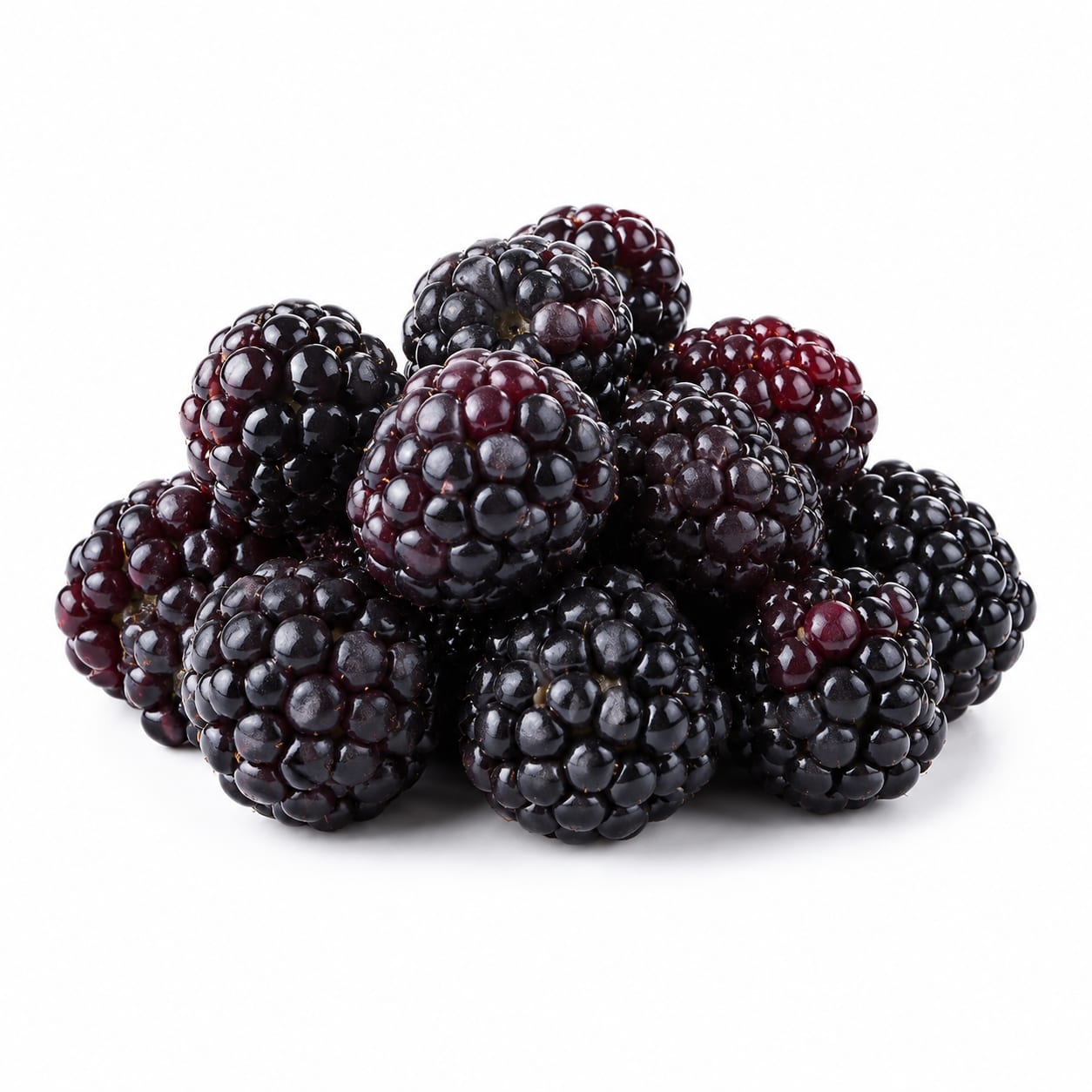
Boysenberry
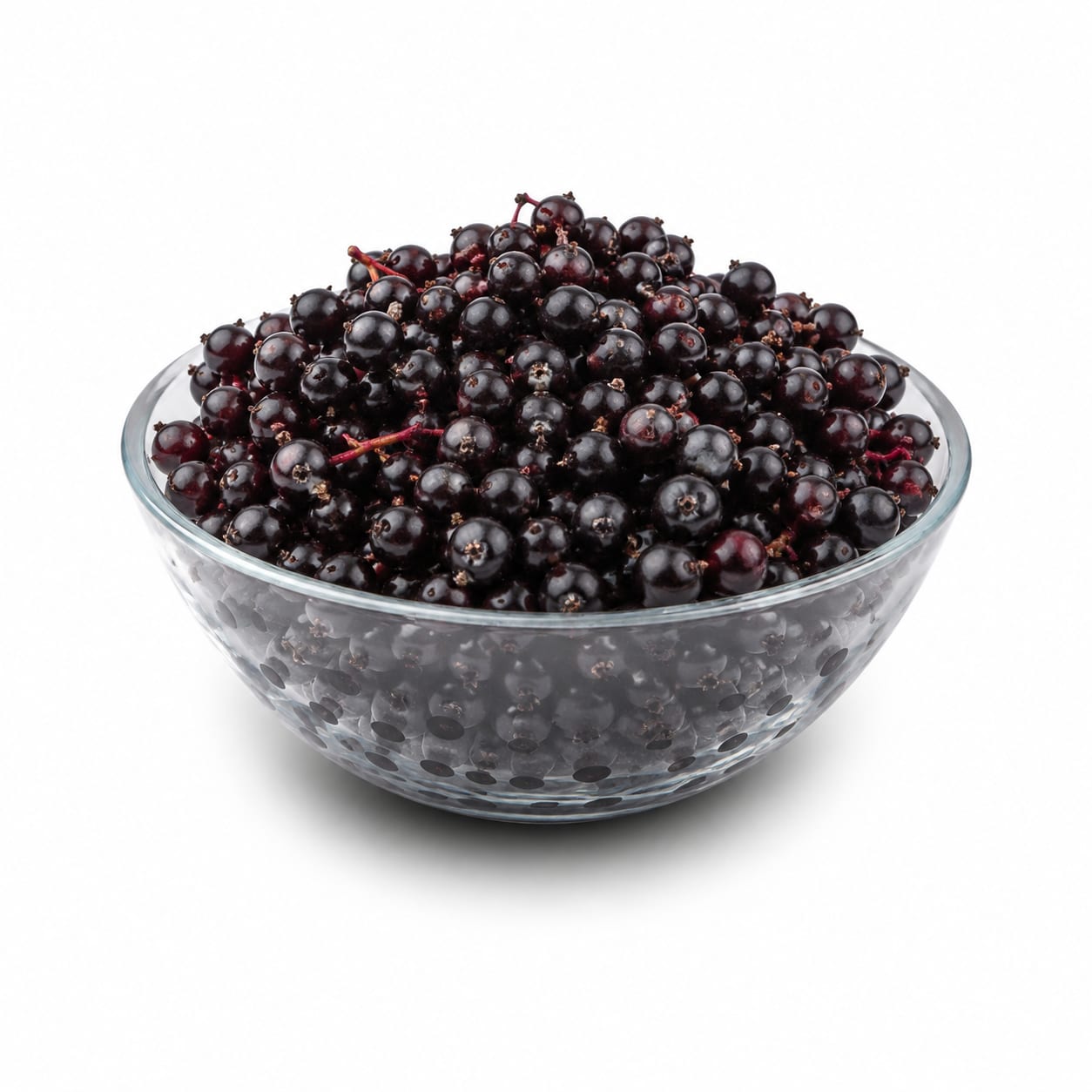
Elderberry
Boysenberry is the safer, tastier everyday fruit; elderberry is the concentrated immune-support specialist with important preparation caveats.
Boysenberry scores higher overall due to safety, versatility, and ease of daily use. Elderberry's superior antioxidant density and immune reputation are tempered by raw toxicity risks and limited culinary roles.
You gain stronger immune-targeted antioxidants with elderberry but take on safety risks and limited culinary flexibility; boysenberry gives you worry-free enjoyment with solid but less specialized nutrition.
At a glance
Executive summary
Overall
It depends
Healthier
It depends
More practical
Boysenberry
Daily use
Boysenberry
Key comparison lenses
immune support comparison
Elderberry is widely sought for immune defense; users want to know if Boysenberry offers comparable benefits
safety and preparation
Raw elderberry contains cyanogenic glycosides and requires cooking — a critical safety distinction
antioxidant potency
Both berries are anthocyanin-rich but at different concentrations and with different evidence bases
everyday versatility
Boysenberry is a fresh-eating berry; elderberry is almost exclusively used cooked or in supplements
culinary enjoyment
Flavor, texture, and recipe flexibility differ significantly between these two berries
Best choice for
Boysenberry
- Fresh snacking and fruit salads
- Families with children who grab fruit from the fridge
- Baking, jams, and dessert recipes
- Anyone wanting a no-prep berry with reliable safety
Elderberry
- Targeted immune support during cold season
- People making homemade syrups or tinctures
- Those seeking the highest anthocyanin concentration per serving
- Supplement-oriented users comfortable with preparation requirements
Least suitable for
Boysenberry
- Anyone specifically seeking clinically-studied immune modulation
- People wanting the most concentrated antioxidant dose in a small serving
Elderberry
- Raw food diets — raw elderberries are unsafe
- Households with small children who might eat berries straight from the bush
- Anyone wanting a quick, no-cook snack berry
Deep comparison
Dimension by dimension
Each lens scores both foods and breaks down who each option suits.
- Dimension 1 · Priority 95Boysenberry
safety_and_preparation_requirements
Boysenberry · 95Elderberry · 45Boysenberries are safe to eat raw off the vine; elderberries must be cooked to neutralize cyanogenic compounds that can cause nausea and vomiting.
Tradeoff
Elderberry's potency comes with a preparation tax — skip the cooking step and you risk real illness.
Why it matters
A berry you can safely eat out of hand fits effortlessly into daily life. One that requires processing creates friction and risk.
Real-world impact
If you grab a handful of raw elderberries thinking they are like other berries, you could experience vomiting and diarrhea within hours.
Boysenberry
- Zero-prep snacking
- Kids' lunchboxes
- Trail mix and fresh fruit bowls
Better for
- No specific safety downside
Worse for
Elderberry
- People who enjoy making syrups and preserves as a kitchen ritual
Better for
- Raw consumption risk
- Requires heat treatment every time
- Stems and seeds also contain toxins — careful straining needed
Worse for
- Dimension 2 · Priority 90Elderberry
antioxidant_density_and_immune_support
Boysenberry · 68Elderberry · 92Elderberry delivers one of the highest anthocyanin concentrations of any berry and has clinical research supporting its role in reducing cold duration and severity.
Tradeoff
The evidence for elderberry's immune effects is stronger but mostly from concentrated extracts and syrups — not from eating the berries casually.
Why it matters
If you are specifically reaching for a berry during flu season, elderberry has the more targeted reputation and data.
Real-world impact
A tablespoon of elderberry syrup daily during winter may meaningfully reduce how long a cold lingers — that is hard to replicate with boysenberry.
Boysenberry
- Broad-spectrum antioxidant intake from a whole food you actually enjoy eating
Better for
- Less concentrated per serving for immune-specific goals
Worse for
Elderberry
- Targeted immune season supplementation
- Higher total anthocyanin delivery per gram
- More clinical evidence for specific immune outcomes
Better for
- Benefits are dose-dependent and preparation-dependent — casual use does not guarantee effects
Worse for
- Dimension 3 · Priority 72Boysenberry
vitamin_and_mineral_profile
Boysenberry · 78Elderberry · 70Boysenberry offers more vitamin C, vitamin K, and manganese per serving. Elderberry provides solid vitamin C and iron but slightly less overall micronutrient breadth.
Tradeoff
Both are respectable nutrient sources, but boysenberry edges ahead as a more complete daily fruit contributor.
Why it matters
Consistent micronutrient intake from a food you eat regularly matters more than occasional high doses.
Real-world impact
A cup of fresh boysenberries with your breakfast contributes meaningfully to your daily vitamin C and K targets without extra effort.
Boysenberry
- Higher vitamin K for bone and blood health
- More manganese for metabolism support
- Better as a regular dietary contributor
Better for
- Not a standout source of any single micronutrient
Worse for
Elderberry
- Slightly more iron per serving
- Good vitamin A content
Better for
- Nutritional advantages are partly offset by the fact that cooking reduces some heat-sensitive vitamins
Worse for
- Dimension 4 · Priority 68Boysenberry
fiber_and_digestive_benefits
Boysenberry · 80Elderberry · 65Boysenberry provides more dietary fiber per serving, especially when eaten whole and raw. Elderberry's fiber content drops when strained into syrups or jellies.
Tradeoff
How you consume elderberry determines whether you get any fiber at all — most popular preparations remove it entirely.
Why it matters
Fiber is one of the most underconsumed nutrients, and whole berries are an easy way to close that gap.
Real-world impact
Eating boysenberries whole gives you a fiber boost that supports fullness and gut health. Elderberry syrup gives you almost none.
Boysenberry
- Higher fiber per cup when eaten whole
- Supports regularity and satiety naturally
- Seeds contribute beneficial insoluble fiber
Better for
- Seeds can be slightly gritty for sensitive palates
Worse for
Elderberry
- Whole cooked elderberries still provide some fiber if not strained
Better for
- Most common preparations strip fiber completely
- Cooking and straining removes the very part that helps digestion
Worse for
- Dimension 5 · Priority 75Boysenberry
culinary_versatility_and_enjoyment
Boysenberry · 88Elderberry · 50Boysenberry shines in pies, jams, smoothies, salads, and fresh eating. Elderberry is essentially limited to cooked syrups, jellies, and supplements — it is rarely a pleasure to eat on its own.
Tradeoff
Elderberry is a functional ingredient more than a food you crave. Boysenberry is something you actually look forward to eating.
Why it matters
The best healthy food is one you enjoy enough to eat consistently.
Real-world impact
You will reach for boysenberries as a snack because they taste great. Elderberry is something you take like medicine — and that matters for long-term adherence.
Boysenberry
- Delicious fresh, baked, blended, or preserved
- Complex sweet-tart flavor people genuinely enjoy
- Works in both sweet and savory dishes
Better for
- Short fresh season and fragile — spoils quickly
Worse for
Elderberry
- Makes a distinctive, richly colored syrup or jelly
- Pairs well with warming spices like ginger and clove in tonics
Better for
- Tart and astringent raw — not palatable
- Very limited recipe range
- Almost never eaten as a standalone fruit
Worse for
- Dimension 6 · Priority 60Boysenberry
accessibility_and_cost
Boysenberry · 62Elderberry · 55Both berries are niche compared to strawberries or blueberries. Boysenberry is slightly easier to find fresh in season; elderberry is more often sold as supplements or dried.
Tradeoff
Neither berry is a grocery staple. Expect to seek them out at farmers markets, specialty stores, or online.
Why it matters
A superfood you cannot find is not super useful.
Real-world impact
If you live near boysenberry-growing regions like Oregon or New Zealand, fresh berries may be seasonal but accessible. Elderberry products are available year-round but often overpriced.
Boysenberry
- Occasionally available fresh at farmers markets
- Can be grown at home more easily in temperate climates
Better for
- Very limited fresh availability outside growing regions
- Frozen options are scarce compared to mainstream berries
Worse for
Elderberry
- Dried elderberries and syrups are available online year-round
- More supplement options if that is your preferred format
Better for
- Fresh berries are almost impossible to find commercially
- Supplement market is unregulated — quality varies wildly
Worse for
Timeline
Health impact over time
Short-term
Hours to days
Boysenberry
- Quick energy from natural sugars without a crash
- Mild digestive support from fiber if eaten in reasonable quantities
- Satisfying sweet-tart flavor can curb sugar cravings naturally
Elderberry
- Raw consumption causes nausea, vomiting, and diarrhea — this is the dominant short-term concern
- Properly prepared elderberry syrup may reduce cold duration if taken at first sign of symptoms
- Concentrated extracts can cause stomach upset in sensitive individuals even when cooked
Long-term
Months to years
Boysenberry
- Consistent antioxidant intake supports cardiovascular and cognitive health over decades
- Regular fiber consumption promotes gut microbiome diversity
- Vitamin K contributes to long-term bone density maintenance
Elderberry
- Regular elderberry syrup use during cold seasons may reduce frequency and severity of viral infections
- High anthocyanin intake supports vascular health and reduces oxidative stress markers
- Long-term safety of daily elderberry supplementation has not been well studied — best used seasonally
Risk profile
Safety & processing
Fresh boysenberries are as natural as any fruit gets. Elderberry in its whole form is also unprocessed, but most people encounter it as syrups, gummies, or extracts — products that often contain added sugars, preservatives, or fillers. Read labels carefully on elderberry supplements.
Boysenberry
Pesticide residue on conventionally grown berries
mediumLike all berries, boysenberries are thin-skinned and can carry pesticide residue. Choose organic when possible or wash thoroughly.
Mold and spoilage
lowHighly perishable. Inspect for mold before eating, especially if berries have been stored more than a few days.
Elderberry
Cyanogenic glycoside toxicity from raw berries
highRaw elderberries contain compounds that release cyanide when digested. Even a small amount of raw berries can cause vomiting, diarrhea, and nausea. Always cook thoroughly before consuming.
Unregulated supplement quality
mediumElderberry syrups and gummies are not well regulated. Some products contain far less active compound than claimed, or excessive added sugars.
Stem and seed toxicity
mediumElderberry stems, leaves, and seeds also contain cyanogenic compounds. Proper preparation involves removing stems and straining seeds after cooking.
Who wins for whom
Audience fit
Same foods, different winners depending on your goal.
children
BoysenberryChildren can safely eat fresh boysenberries. Raw elderberries are dangerous for kids, and even syrups should be dosed carefully for young children.
daily consumption
BoysenberrySafe, enjoyable, and easy to incorporate daily. Elderberry is better used seasonally or situationally rather than as a daily staple.
diabetes
BoysenberryWhole boysenberries have a lower glycemic impact and more fiber to slow sugar absorption. Elderberry syrups are often sweetened and can spike blood sugar.
elderly
It dependsBoysenberry supports bone health through vitamin K. Elderberry may help elderly individuals reduce respiratory infection risk during winter months when used properly.
muscle gain
It dependsNeither berry is relevant for muscle gain — both are low in protein. Choose based on what you enjoy as a side, not as a muscle-building tool.
weight loss
BoysenberryBoysenberry is lower in calories per cup when eaten whole and provides more fiber for fullness. Elderberry preparations often include added sugars.
Your move
Decision guide
Choose Boysenberry
- You want a berry you can eat fresh without thinking about preparation
- You are feeding a family and need something safe for all ages
- You value culinary enjoyment alongside nutrition
- You want a reliable fiber and vitamin C source in your regular fruit rotation
Choose Elderberry
- You are specifically building an immune-support protocol for cold and flu season
- You are comfortable cooking and straining berries or buying quality-tested syrups
- You want the highest anthocyanin concentration available in a berry
- You treat berries as functional supplements rather than everyday snacks
Either works if
- You are making a mixed-berry jam or preserve and want layered flavor
- You want antioxidant diversity from multiple berry sources
- You are growing both in your garden and using each for its strengths
Avoid both if
- You have a severe berry allergy or salicylate sensitivity
- You are on a very tight budget and need affordable daily fruit — both are premium and hard to find
Final recommendation
Keep boysenberry in your regular fruit rotation for safe, enjoyable nutrition. Add elderberry syrup as a seasonal immune tool when winter hits — but never raw, and always from a trusted source. They serve different purposes, and the smartest approach uses both for their respective strengths.
Practical
Consumer tips
- 1
If buying elderberry syrup, check that it lists actual elderberry extract content — not just fruit juice concentrate with elderberry flavoring
- 2
Never forage wild elderberries unless you are absolutely certain of identification and proper preparation — confusing elderberry with toxic lookalikes is dangerous
- 3
Boysenberries freeze well — buy in season and freeze on a sheet pan before bagging to preserve shape for smoothies and baking
- 4
When cooking elderberries, simmer for at least 20 minutes and always strain out seeds and any remaining stem fragments
- 5
If you want elderberry benefits without the preparation hassle, look for third-party tested supplements with standardized anthocyanin content
- 6
Both berries stain badly — wear an apron and avoid light-colored cutting boards