
Nutrition comparison
Boysenberry vs Cranberry: Which Berry Is Healthier for You?
Compare boysenberry vs cranberry nutrition, antioxidants, fiber, sugar, and health benefits. Find out which berry is better for UTIs, weight loss, and daily eating.
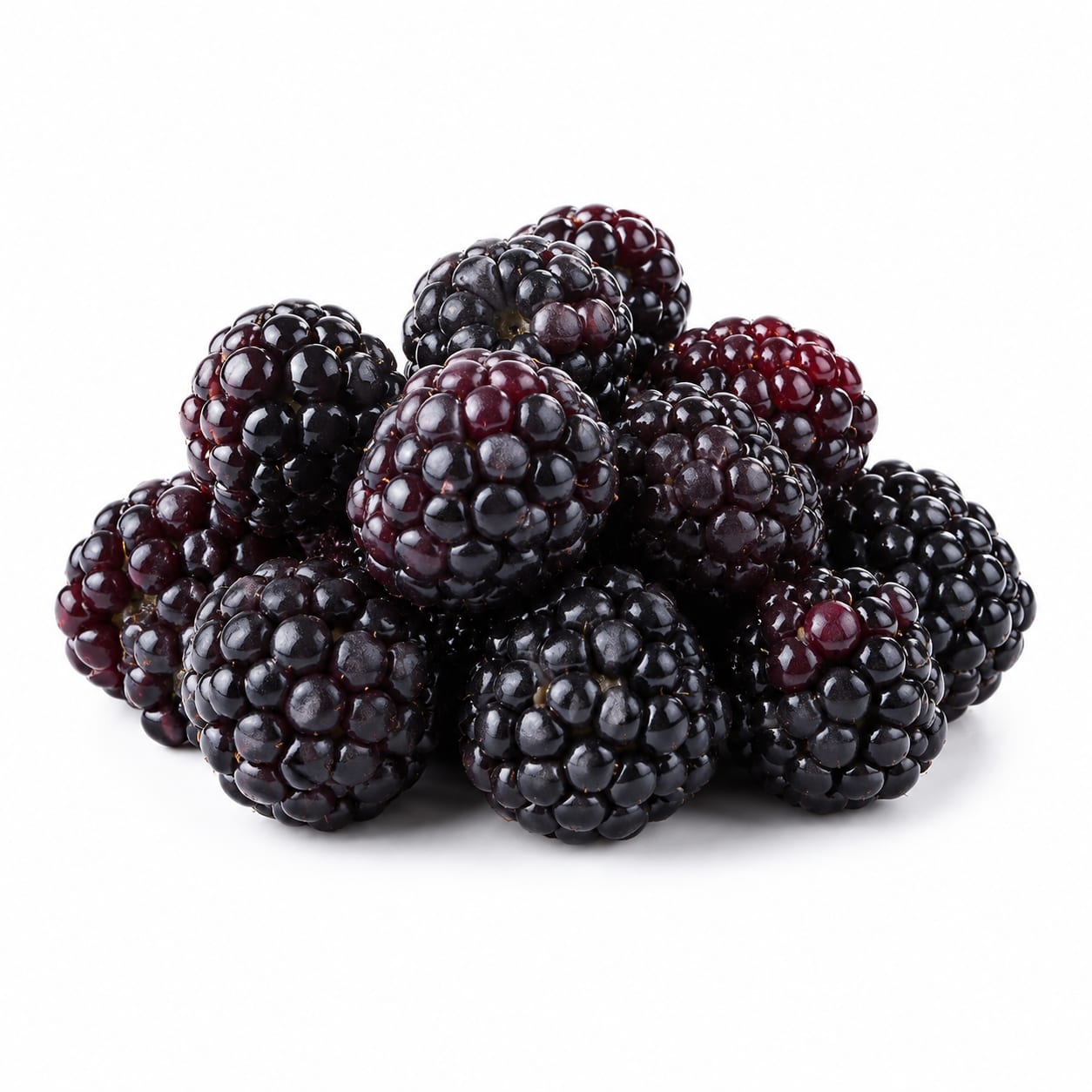
Boysenberry
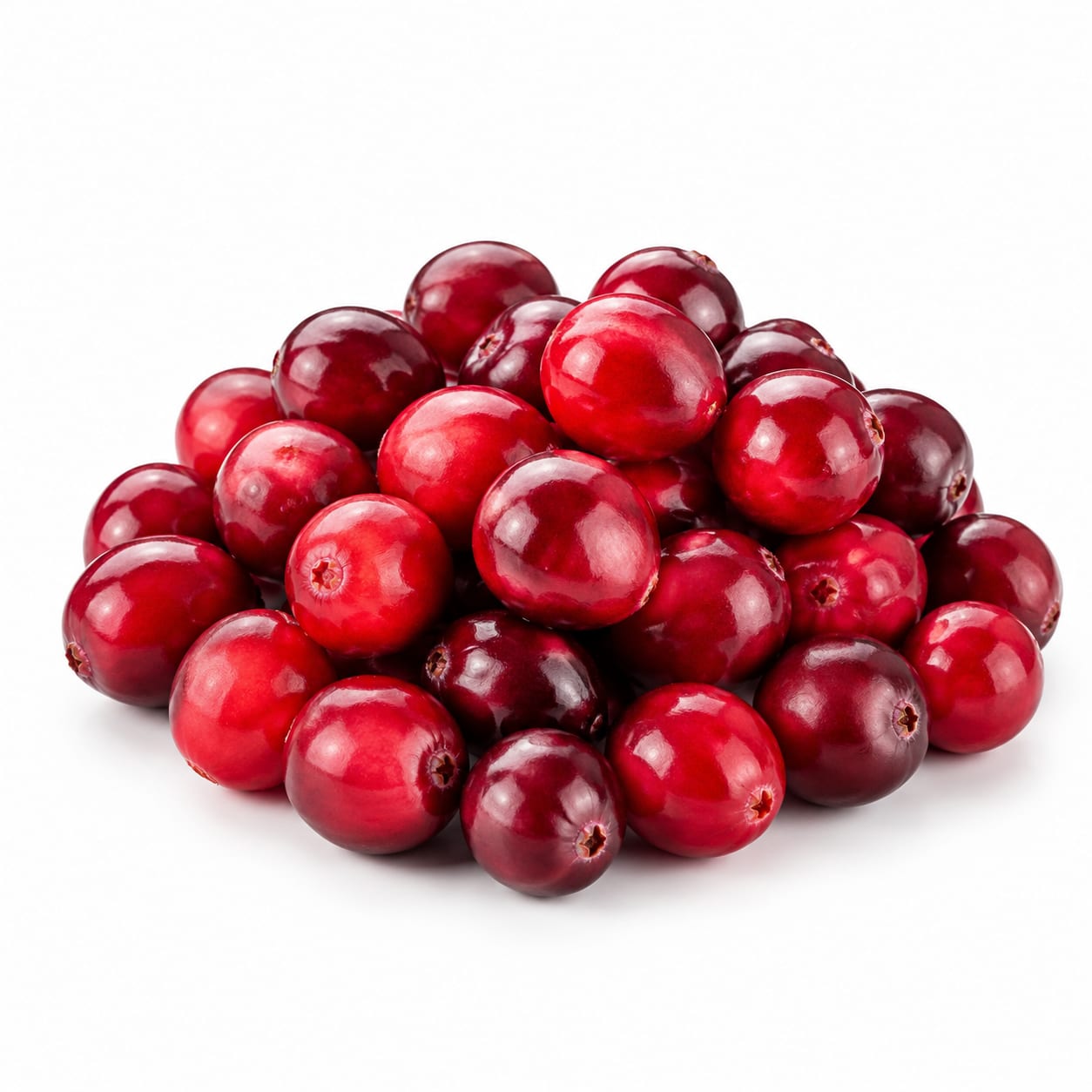
Cranberry
Boysenberries win on fiber, natural sweetness, and eating pleasure fresh. Cranberries win on UTI protection, vitamin C, and low calorie density. The real deciding factor is how you consume them—fresh vs processed.
Boysenberries edge ahead slightly due to better fresh eating experience and higher fiber, but cranberries close the gap with unique UTI benefits and lower calories. The near-tie reflects that each serves distinctly different health goals.
Boysenberries give you more fiber and a sweeter eating experience raw, while cranberries offer unique urinary tract benefits and fewer calories but almost require sweetening to be palatable.
At a glance
Executive summary
Overall
It depends
Healthier
It depends
More practical
Cranberry
Daily use
Boysenberry
Key comparison lenses
antioxidant and berry superiority
Both are prized for antioxidant density, so users want to know which delivers more protective compounds
sugar and taste tradeoff
Boysenberries are naturally sweeter while cranberries are extremely tart, shaping how each is actually consumed
urinary and gut health
Cranberries are famous for UTI prevention; boysenberries offer stronger fiber benefits for digestion
practical availability
Fresh boysenberries are rare in stores while cranberries are seasonal but widely available frozen and dried
hidden sugar from processing
Most cranberry products add significant sugar to offset tartness, which changes the health equation dramatically
Best choice for
Boysenberry
- Digestive regularity and gut health
- Snacking fresh without added sugar
- Higher satiety from fiber
- Antioxidant diversity from anthocyanins
- Baking and desserts needing less added sweetener
Cranberry
- UTI prevention and urinary tract health
- Low-calorie flavor boost in water or smoothies
- Vitamin C immune support
- Reducing natural sugar intake
- Cooking into sauces where you control sweetener
Least suitable for
Boysenberry
- Anyone who cannot find fresh or frozen locally
- Very low-calorie diets where every calorie counts
- People wanting a tart flavor profile
Cranberry
- Eating fresh as a standalone snack without sweetener
- Anyone avoiding all added sugars who finds plain cranberries unpalatable
- Those seeking high-fiber fruit options
Deep comparison
Dimension by dimension
Each lens scores both foods and breaks down who each option suits.
- Dimension 1 · Priority 92Boysenberry
antioxidant_profile
Boysenberry · 86Cranberry · 80Boysenberries offer a broader spectrum of anthocyanins and ellagic acid, while cranberries concentrate unique proanthocyanidins that target urinary bacteria.
Tradeoff
Boysenberries give more general cellular protection; cranberries give targeted urinary tract defense that no other berry matches.
Why it matters
If you want whole-body antioxidant coverage, boysenberries deliver more variety. If UTI prevention is your priority, cranberries are unmatched.
Real-world impact
Regular boysenberry eaters may see broader anti-aging and anti-inflammatory benefits over time. Cranberry eaters get a specialized shield against recurrent UTIs.
Boysenberry
- General inflammation reduction
- Skin and cellular aging protection
- Diverse polyphenol intake
Better for
- Lacks the specific proanthocyanidins that prevent UTIs
Worse for
Cranberry
- Recurrent UTI prevention
- E. coli bacterial adhesion inhibition
- Targeted urinary tract defense
Better for
- Narrower antioxidant range focused heavily on one compound class
Worse for
- Dimension 2 · Priority 88Boysenberry
fiber_and_satiety
Boysenberry · 84Cranberry · 58Boysenberries contain roughly double the fiber of cranberries, making them noticeably more filling and better for digestion.
Tradeoff
You get significantly more digestive benefit from boysenberries, but cranberries keep calorie counts lower if portion control matters more than fullness.
Why it matters
Fiber drives satiety, blood sugar stability, and gut health. The gap here meaningfully affects how satisfied you feel after eating.
Real-world impact
A cup of boysenberries as a snack keeps you fuller longer. A cup of cranberries leaves you reaching for something else sooner.
Boysenberry
- Staying full between meals
- Regular bowel movements
- Feeding beneficial gut bacteria
- Steadier blood sugar after eating
Better for
- Slightly higher calorie count from natural sugars paired with fiber
Worse for
Cranberry
- Very low-calorie flavor addition to meals
- Light garnish that won't add bulk
Better for
- Less satisfying as a standalone snack
- Minimal contribution to daily fiber goals
Worse for
- Dimension 3 · Priority 85Cranberry
sugar_and_calorie_density
Boysenberry · 62Cranberry · 82Raw cranberries are extremely low in sugar and calories. Boysenberries are naturally sweeter with more calories per cup.
Tradeoff
Cranberries win on raw numbers, but almost nobody eats them unsweetened. Once you add sugar to make cranberries palatable, the calorie advantage often disappears.
Why it matters
The sugar gap only holds if you tolerate plain cranberries. Most people consume cranberries in sweetened forms that negate this benefit.
Real-world impact
Eating fresh boysenberries gives you natural sweetness without guilt. Eating cranberry sauce or sweetened dried cranberries can deliver more sugar than you expected.
Boysenberry
- Satisfying sweet cravings without added sugar
- Natural sweetness that needs no enhancement
- Enjoyable fresh eating experience
Better for
- Higher natural sugar means more calories per serving
- Less suitable for very low-carb diets
Worse for
Cranberry
- Strict calorie counting when consumed plain
- Very low glycemic impact in raw form
- Keto-friendly in small unsweetened amounts
Better for
- Nearly impossible to enjoy raw without sweetener
- Processed cranberry products often contain substantial added sugar
Worse for
- Dimension 4 · Priority 72Cranberry
vitamin_and_mineral_density
Boysenberry · 68Cranberry · 78Cranberries deliver significantly more vitamin C per serving. Boysenberries offer more vitamin K and folate.
Tradeoff
Cranberries support immune function more directly; boysenberries contribute more to blood clotting and cell repair.
Why it matters
If immune support during cold season matters, cranberries have the edge. For overall micronutrient balance, both contribute differently.
Real-world impact
A serving of cranberries covers more of your daily vitamin C needs. Boysenberries quietly support bone health and cellular repair in the background.
Boysenberry
- Vitamin K for bone and blood health
- Folate for cell repair
- Manganese for metabolism
Better for
- Less vitamin C than cranberries per serving
Worse for
Cranberry
- Vitamin C for immune defense
- Collagen production support
- Iron absorption enhancement when paired with iron-rich foods
Better for
- Lower in folate and vitamin K
Worse for
- Dimension 5 · Priority 78Cranberry
availability_and_practicality
Boysenberry · 48Cranberry · 80Cranberries are widely available frozen, dried, and as juice nationwide. Fresh boysenberries are specialty items found mainly in farmers markets or specific regions.
Tradeoff
Cranberries are far easier to find year-round, but the convenient forms often come with added sugar. Boysenberries are harder to source but typically consumed closer to their natural state.
Why it matters
The healthiest berry is the one you can actually buy and eat regularly. Availability often determines real-world nutritional outcomes.
Real-world impact
You can grab frozen cranberries at almost any grocery store anytime. Finding fresh boysenberries might require a special trip or online order.
Boysenberry
- When you can find them, they typically come in less-processed forms
- Excellent for home gardening in suitable climates
Better for
- Very limited fresh availability outside specialty stores
- Short seasonal window for fresh berries
- Often only found in preserves or jams with added sugar
Worse for
Cranberry
- Available frozen in nearly every grocery store
- Multiple convenient forms: juice, dried, sauce, frozen
- Longer shelf life in dried or frozen form
Better for
- Most accessible forms are heavily sweetened
- Fresh cranberries available only in fall
Worse for
Timeline
Health impact over time
Short-term
Hours to days
Boysenberry
- Natural sweetness satisfies sugar cravings without junk food
- Fiber provides noticeable fullness after eating
- Mild blood sugar rise but stabilized by fiber content
Cranberry
- Extreme tartness can be off-putting without preparation
- Very low blood sugar impact when eaten plain
- May cause mouth puckering or digestive discomfort in large raw quantities
Long-term
Months to years
Boysenberry
- Consistent fiber intake supports gut microbiome diversity
- Anthocyanin variety may reduce chronic inflammation markers
- Higher natural sugar intake is still modest compared to processed foods
Cranberry
- Regular consumption reduces recurrent UTI incidence significantly
- Proanthocyanidins may protect against certain bacterial infections beyond urinary tract
- Risk of excess added sugar if primarily consumed through sweetened products
Risk profile
Safety & processing
Both berries are whole foods in their natural state. However, cranberries are far more commonly consumed in processed forms—juices, dried cranberries, and sauces—that routinely add sugar, oils, and preservatives. Boysenberries, when you can find them, are typically eaten fresh or frozen with minimal intervention.
Boysenberry
Pesticide residue on conventionally grown berries
mediumLike most berries, boysenberries are thin-skinned and rank moderate on pesticide concern lists. Organic is preferable when available.
Mold and spoilage due to delicate skin
mediumBoysenberries spoil quickly. Inspect carefully and consume within a day or two of purchase. Discard any mushy or moldy berries.
Cranberry
Added sugar in processed cranberry products
highCranberry juice cocktails often contain more sugar than soda. Dried cranberries typically have added sweetener and sometimes oil. Read labels carefully.
Kidney stone risk from high oxalate content
mediumCranberries contain moderate oxalates. People with a history of calcium oxalate kidney stones should moderate intake and stay well-hydrated.
Medication interaction with blood thinners
lowCranberry may theoretically interact with warfarin, though evidence is mixed. Consult your doctor if taking blood thinners.
Who wins for whom
Audience fit
Same foods, different winners depending on your goal.
children
BoysenberryKids are far more likely to eat boysenberries willingly due to natural sweetness. Getting children to eat unsweetened cranberries is extremely difficult.
daily consumption
BoysenberryBoysenberries are easier to eat daily without getting tired of them. The natural sweetness and pleasant flavor make them a sustainable habit. Daily cranberries often require willpower or added sugar.
diabetes
CranberryRaw cranberries have minimal sugar and an extremely low glycemic impact. Just avoid sweetened cranberry products that would reverse this benefit entirely.
elderly
CranberryUTI prevention is especially valuable for older adults, and cranberry's vitamin C supports aging immune systems. The fiber gap matters less if overall diet includes other fiber sources.
muscle gain
It dependsNeither berry is a protein source. Boysenberries offer slightly more carbohydrates for training fuel. Neither moves the needle meaningfully for muscle building.
weight loss
It dependsCranberries are lower in calories raw, but most people consume them sweetened, which eliminates the advantage. Boysenberries are more satisfying fresh, which may prevent overeating later.
Your move
Decision guide
Choose Boysenberry
- You want a berry you actually enjoy eating fresh by the handful
- Digestive health and fiber intake are top priorities
- You can source fresh or frozen boysenberries reasonably easily
- You prefer natural sweetness without adding sugar
- You want broader antioxidant coverage for general wellness
Choose Cranberry
- You struggle with recurrent UTIs and need targeted prevention
- You're counting calories strictly and will eat them plain or in unsweetened forms
- You want a tart flavor accent for cooking, sauces, or water infusion
- Vitamin C intake is a priority during cold season
- You have reliable access to unsweetened frozen cranberries
Either works if
- You simply want more berry variety in your diet
- You're rotating antioxidant sources for broader polyphenol coverage
- Both are available and you enjoy different berries on different days
Avoid both if
- You're on a very strict low-oxalate diet for kidney stone prevention
- You have a berry allergy or salicylate sensitivity
- You can only access heavily sweetened versions of either berry and are avoiding added sugar
Final recommendation
Eat boysenberries when you want a satisfying, naturally sweet berry snack with strong fiber benefits. Choose cranberries when UTI prevention or low-calorie flavor is your goal. The smartest approach is rotating both—use boysenberries for daily snacking and cranberries a few times weekly for urinary tract protection. Just watch the added sugar trap on cranberry products.
Practical
Consumer tips
- 1
If buying cranberry juice, look for 100% juice with no added sugar—cranberry juice cocktail is not the same thing.
- 2
Frozen boysenberries and cranberries retain nearly all their nutrients and are often more practical than fresh.
- 3
Dried cranberries almost always contain added sugar—check the label and portion carefully.
- 4
Add a handful of fresh or frozen cranberries to smoothies for tartness instead of using juice.
- 5
Boysenberries pair well with plain yogurt for a filling breakfast that needs no added sweetener.
- 6
If you grow your own, boysenberry bushes are productive and the fruit freezes beautifully for year-round use.