
Nutrition comparison
Boysenberry vs Blueberry: Which Berry Is Healthier?
Compare boysenberry vs blueberry nutrition, antioxidants, fiber, and health benefits. Find out which berry wins for weight loss, diabetes, and daily snacking.
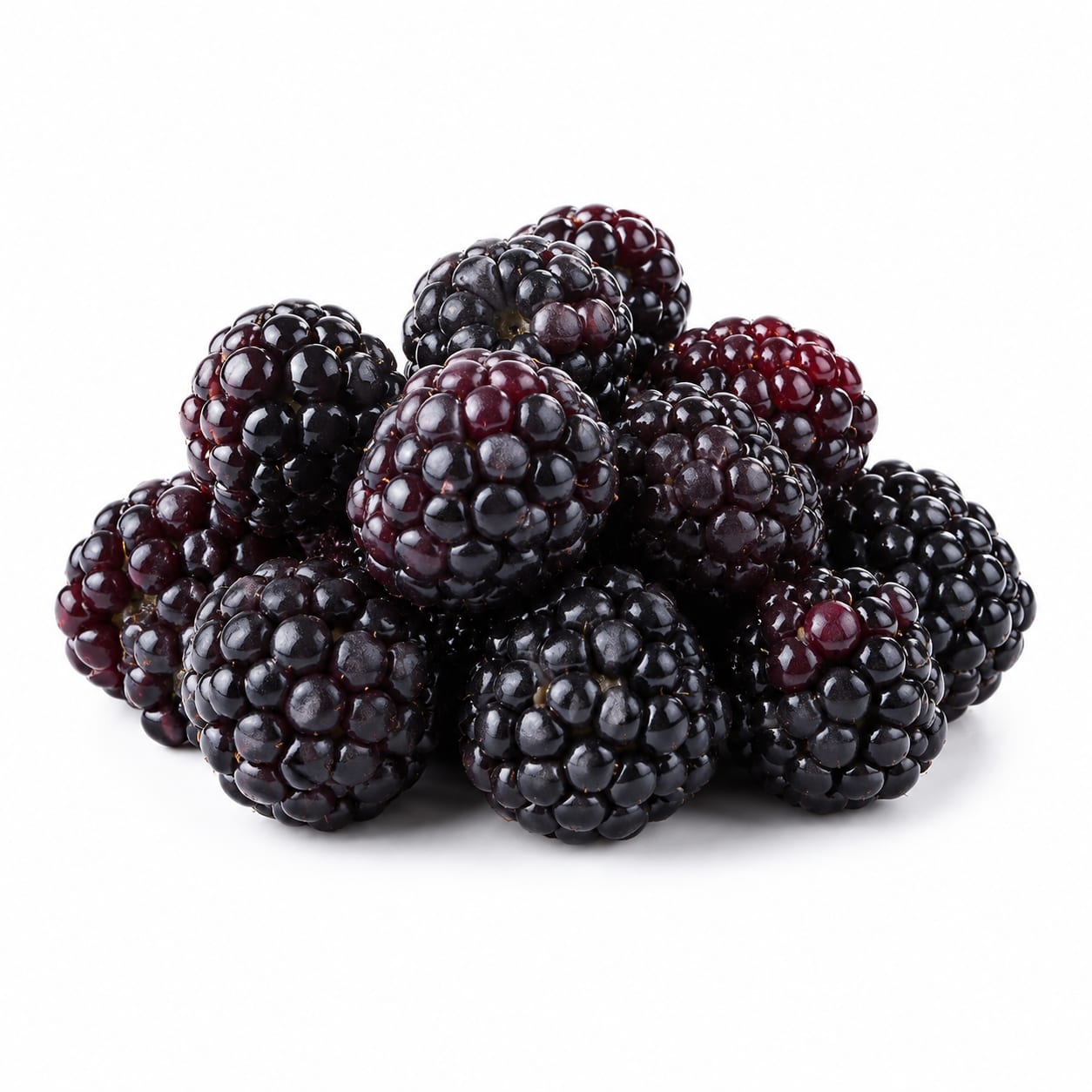
Boysenberry
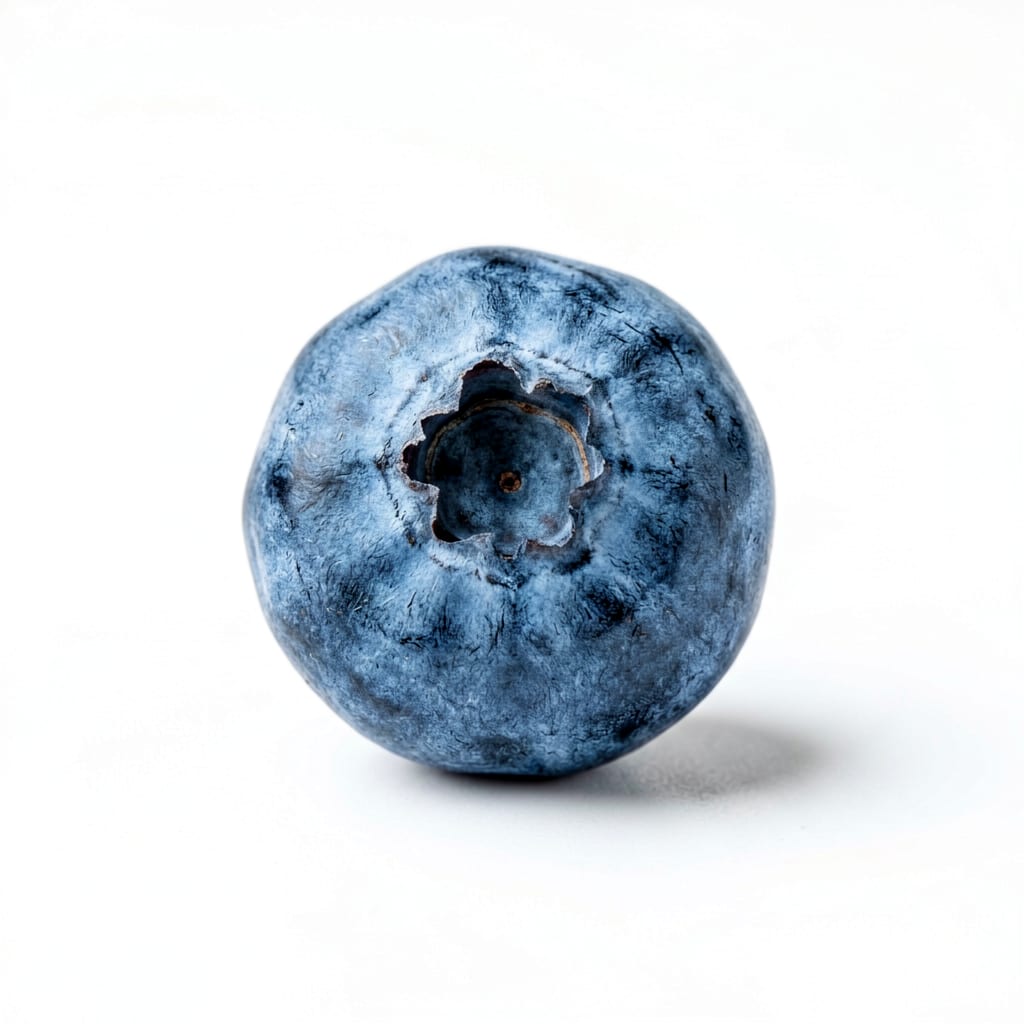
Blueberry
Blueberries win on convenience and consistency; boysenberries deliver more fiber and a bolder nutrient punch when you can find them.
Boysenberries edge ahead nutritionally with more fiber, vitamin K, and vitamin C per serving. Blueberries score higher overall because their year-round availability, lower cost, and massive research backing make them easier to actually eat consistently.
Accessibility versus nutritional density — blueberries are everywhere, boysenberries are rare but richer in several key areas.
At a glance
Executive summary
Overall
It depends
Healthier
Boysenberry
More practical
Blueberry
Daily use
Blueberry
Key comparison lenses
antioxidant density and type
Both berries are prized for antioxidants, but their profiles differ significantly in anthocyanin types and total ORAC values
availability and everyday practicality
Blueberries are a grocery staple while boysenberries are seasonal and harder to find fresh
fiber and digestive benefit
Boysenberries deliver noticeably more fiber per serving, impacting satiety and gut health
sugar and calorie conscious snacking
Calorie and sugar differences matter for weight management and blood sugar control
culinary versatility
Blueberries work in smoothies, baking, and snacking effortlessly; boysenberries shine in specific recipes
Best choice for
Boysenberry
- Maximizing fiber and vitamin K intake
- Exploring unique tart-sweet flavor profiles
- Making preserves, compotes, or desserts
- Boosting iron absorption with higher vitamin C content
Blueberry
- Consistent daily antioxidant intake
- Easy snacking and meal prep
- Cognitive and brain health support
- Budget-friendly berry nutrition year-round
Least suitable for
Boysenberry
- Quick grab-and-go snacking needs
- Tight grocery budgets in most regions
- People who dislike tart or complex flavors
Blueberry
- Those seeking maximum fiber per calorie
- Culinary applications needing bold tartness
- Anyone bored with mild berry flavors
Deep comparison
Dimension by dimension
Each lens scores both foods and breaks down who each option suits.
- Dimension 1 · Priority 92Boysenberry
Antioxidant Power and Diversity
Boysenberry · 86Blueberry · 80Boysenberries contain a broader mix of anthocyanins and ellagic acid thanks to their blackberry and raspberry lineage, giving them a wider antioxidant spectrum.
Tradeoff
Blueberries have been studied far more extensively for human health outcomes, especially brain function, so their benefits are better proven even if the total antioxidant range is narrower.
Why it matters
A wider antioxidant variety may protect more cellular pathways, but proven benefits matter more than theoretical ones.
Real-world impact
Eating boysenberries is like getting a multi-vitamin of antioxidants; blueberries are like taking one well-researched supplement you know works.
Boysenberry
- Broader cellular protection from diverse anthocyanins
- Higher ellagic acid for potential anti-inflammatory effects
Better for
- Less clinical research on specific health outcomes
Worse for
Blueberry
- Stronger evidence for cognitive and memory benefits
- More consistent antioxidant levels across commercial varieties
Better for
- Narrower range of antioxidant compounds
Worse for
- Dimension 2 · Priority 85Boysenberry
Fiber and Satiety
Boysenberry · 88Blueberry · 68Boysenberries deliver roughly 50% more fiber per cup than blueberries, making them significantly more filling and better for digestion.
Tradeoff
The extra fiber comes with slightly more calories and sugar, though the net effect is still strongly positive for blood sugar control.
Why it matters
Fiber is the single most undervalued nutrient for weight management, gut health, and steady energy.
Real-world impact
A cup of boysenberries keeps you fuller longer and supports smoother digestion; blueberries are lighter and less satiating.
Boysenberry
- Better gut health and regularity
- More satisfying as a standalone snack
- Superior blood sugar stabilization
Better for
- Slightly higher calorie load per serving
Worse for
Blueberry
- Lighter option for those watching calorie intake closely
Better for
- Less effective at keeping hunger at bay between meals
Worse for
- Dimension 3 · Priority 78Boysenberry
Vitamin and Mineral Density
Boysenberry · 82Blueberry · 70Boysenberries provide more vitamin K, vitamin C, and folate per serving, giving them a clearer micronutrient advantage.
Tradeoff
Blueberries offer more manganese, which supports bone health and metabolism, so the gap is not absolute.
Why it matters
Vitamin K is critical for bone density and blood clotting, and many people under-consume it.
Real-world impact
Regular boysenberry consumption meaningfully contributes to daily vitamin K needs; blueberries contribute but more modestly.
Boysenberry
- Stronger vitamin K contribution for bone and blood health
- More vitamin C for immune support and iron absorption
- Higher folate for cell repair and energy production
Better for
- Less manganese per serving
Worse for
Blueberry
- Better manganese source for metabolism and connective tissue
Better for
- Weaker overall micronutrient contribution
Worse for
- Dimension 4 · Priority 88Blueberry
Availability and Convenience
Boysenberry · 35Blueberry · 95Blueberries are available fresh year-round in nearly every grocery store. Boysenberries are seasonal, fragile, and often only found frozen or in specialty markets.
Tradeoff
Frozen boysenberries retain most nutrients and are more practical, but even frozen options are far less common than blueberries.
Why it matters
The healthiest food is the one you can actually buy and eat regularly.
Real-world impact
You can grab blueberries anywhere, any week. Boysenberries require planning, specialty shopping, or online ordering.
Boysenberry
- Frozen boysenberries are excellent for smoothies and baking when found
Better for
- Very limited fresh availability
- Often more expensive per pound
- Shorter shelf life when fresh
Worse for
Blueberry
- Available fresh in virtually every supermarket year-round
- Easy to find organic options
- Consistent pricing and supply
Better for
- None significant for this dimension
Worse for
- Dimension 5 · Priority 72Blueberry
Sugar and Calorie Profile
Boysenberry · 65Blueberry · 80Blueberries are slightly lower in both calories and sugar per cup, making them the leaner option for daily grazing.
Tradeoff
The sugar difference is modest and both berries are low-glycemic, so this mainly matters for strict calorie counters.
Why it matters
For people managing weight or blood sugar, every gram of sugar and calorie adds up over daily habits.
Real-world impact
If you eat berries by the handful multiple times daily, blueberries keep the sugar tally slightly lower.
Boysenberry
- Higher fiber offsets the sugar impact on blood glucose
Better for
- More sugar per serving, though still moderate
Worse for
Blueberry
- Fewer calories per cup for weight-conscious snacking
- Lower sugar content for those monitoring intake closely
Better for
- Less fiber to slow sugar absorption
Worse for
- Dimension 6 · Priority 70Blueberry
Culinary Versatility
Boysenberry · 60Blueberry · 85Blueberries work effortlessly in smoothies, oatmeal, salads, baking, and as raw snacks. Boysenberries excel in specific applications but are less versatile overall.
Tradeoff
Boysenberries shine in jams, pies, and sauces where their complex tartness is the star, but their softness limits raw applications.
Why it matters
Versatility determines how often a food actually makes it into your meals.
Real-world impact
Blueberries are the Swiss army knife of berries. Boysenberries are the specialty tool you reach for occasionally.
Boysenberry
- Superior for preserves, compotes, and fruit sauces
- More interesting flavor complexity for desserts
Better for
- Too soft and tart for many raw applications
- Overpowers delicate flavor pairings
Worse for
Blueberry
- Better texture for raw snacking and salads
- Easier to bake with due to firmer skin
- More neutral flavor that pairs with anything
Better for
- Less exciting flavor for standalone desserts
Worse for
Timeline
Health impact over time
Short-term
Hours to days
Boysenberry
- Higher fiber provides quicker digestive regularity
- Vitamin C boost supports immediate immune function
- Tartness may satisfy sweet cravings with less sugar than processed snacks
Blueberry
- Gentle on digestion with lower fiber load
- Mild blood sugar impact makes it safe for most snacking situations
- Quick antioxidant infusion without digestive discomfort
Long-term
Months to years
Boysenberry
- Superior fiber intake supports long-term gut microbiome diversity
- Higher vitamin K contributes to sustained bone density
- Ellagic acid may offer cumulative anti-inflammatory protection
Blueberry
- Consistent anthocyanin intake linked to slower cognitive decline
- Regular consumption associated with improved cardiovascular markers
- Well-documented long-term benefits from extensive human studies
Risk profile
Safety & processing
Both berries are whole foods with minimal processing concerns. Fresh or frozen, neither typically contains additives. The main consideration is that boysenberries are more commonly found in processed forms like jams and syrups, which add sugar and reduce their natural advantage.
Boysenberry
Pesticide residue on conventional crops
mediumBoysenberries have delicate skins that can retain pesticide residues. Organic options are preferable but harder to find.
Mold and spoilage due to fragile texture
mediumBoysenberries spoil faster than blueberries. Inspect carefully and consume within 1-2 days of purchase when fresh.
Blueberry
Pesticide residue on conventional crops
mediumBlueberries frequently appear on EWG's Dirty Dozen list. Organic is recommended when budget allows.
Contamination in frozen imports
lowSome imported frozen blueberries have shown occasional contamination issues. Buy reputable brands and check origin.
Who wins for whom
Audience fit
Same foods, different winners depending on your goal.
children
BlueberryBlueberries are sweeter, milder, and easier for kids to eat by the handful. Their small size and pleasant taste make them a kid favorite.
daily consumption
BlueberryConsistent availability, affordable pricing, and mild flavor make blueberries the most sustainable daily berry habit.
diabetes
BoysenberryHigher fiber content slows sugar absorption more effectively, resulting in a gentler blood sugar response despite slightly more natural sugar.
elderly
BlueberryBlueberries have stronger evidence for cognitive protection in aging populations, and their soft texture requires minimal effort to eat.
muscle gain
It dependsNeither berry is a significant protein source. Both offer antioxidant support for recovery, but the difference is negligible for muscle building.
weight loss
BlueberryLower calories and sugar per cup make blueberries easier to fit into a calorie deficit, especially for frequent snacking.
Your move
Decision guide
Choose Boysenberry
- You want maximum fiber and vitamin K from your fruit
- You enjoy complex, tart-sweet flavors and find blueberries too mild
- You have access to fresh or frozen boysenberries at reasonable prices
- You are making jams, sauces, or desserts where bold flavor matters
Choose Blueberry
- You need a reliable berry you can find any week at any store
- You want well-researched cognitive and heart health benefits
- You prefer sweeter, milder flavors for daily snacking
- You are watching calories or sugar closely
Either works if
- You simply want more berry variety in your diet
- You are focused on general antioxidant intake without specific targets
- You enjoy mixing different berries together for broader nutrient coverage
Avoid both if
- You have a salicylate sensitivity, as both berries contain moderate levels
- You are on a very low-carb or keto diet and need to limit all fruit sugar
Final recommendation
Make blueberries your daily default for consistency and proven benefits, but grab boysenberries whenever you find them for a fiber and nutrient boost. Mixing both gives you the best of both worlds — blueberry reliability plus boysenberry intensity.
Practical
Consumer tips
- 1
Buy organic blueberries when possible — they consistently rank high for pesticide residue on conventional crops
- 2
Choose frozen boysenberries over fresh unless you find truly fresh ones — frozen retains nutrients and avoids rapid spoilage
- 3
Mix both berries together in smoothies or oatmeal for a wider antioxidant spectrum
- 4
Store boysenberries unwashed and eat within 1-2 days; blueberries last up to a week refrigerated
- 5
Check farm stands and farmers markets in summer for fresh boysenberries — this is when they are most affordable and flavorful
- 6
Avoid boysenberry jams and syrups as a substitute for the whole fruit — added sugar negates most of the health advantage