
Nutrition comparison
Bouillabaisse vs Miso Soup: Which Soup Is Healthier for You?
Compare Bouillabaisse and Miso Soup on protein, calories, omega-3s, gut health, sodium, and daily practicality. Find out which iconic soup fits your health goals better.
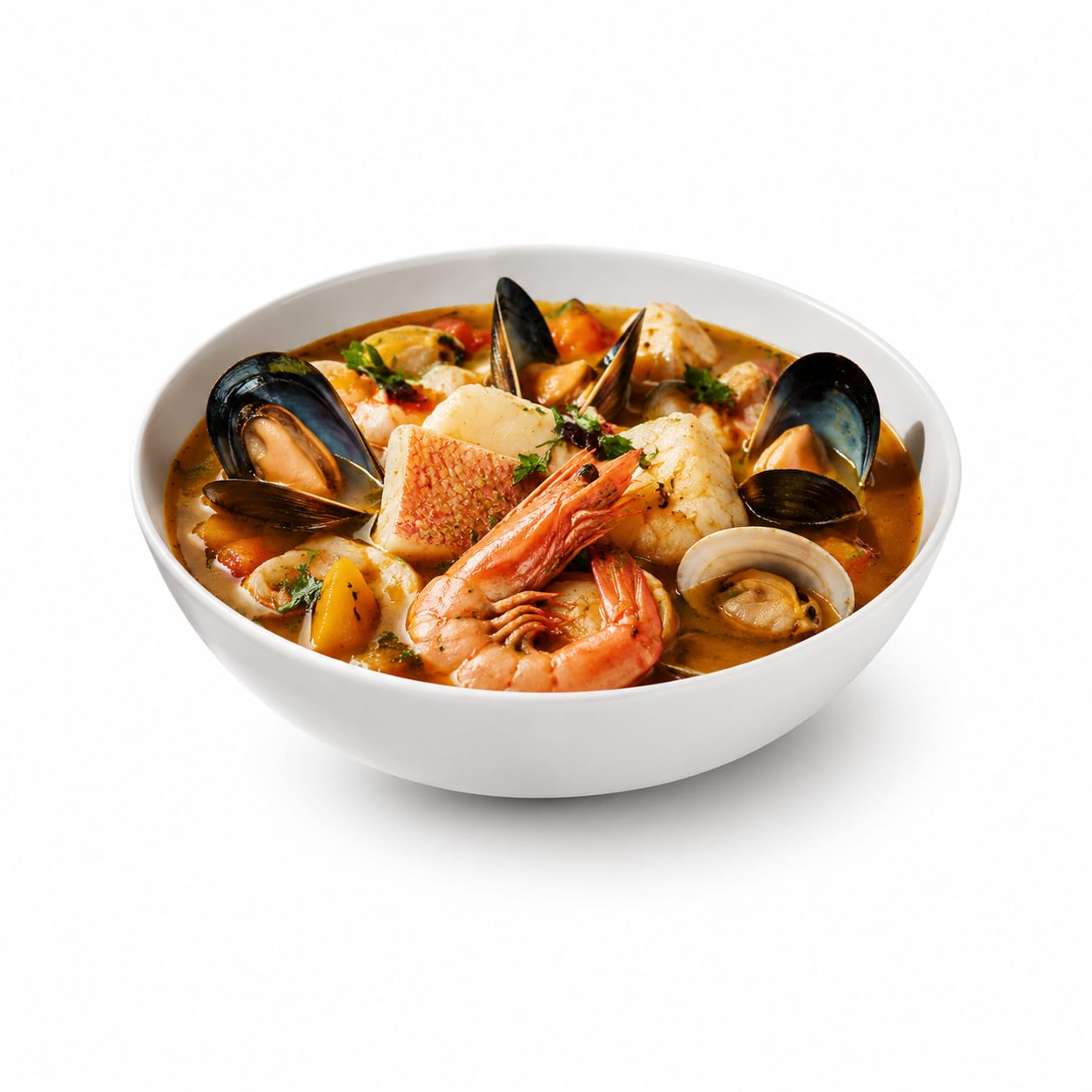
Bouillabaisse
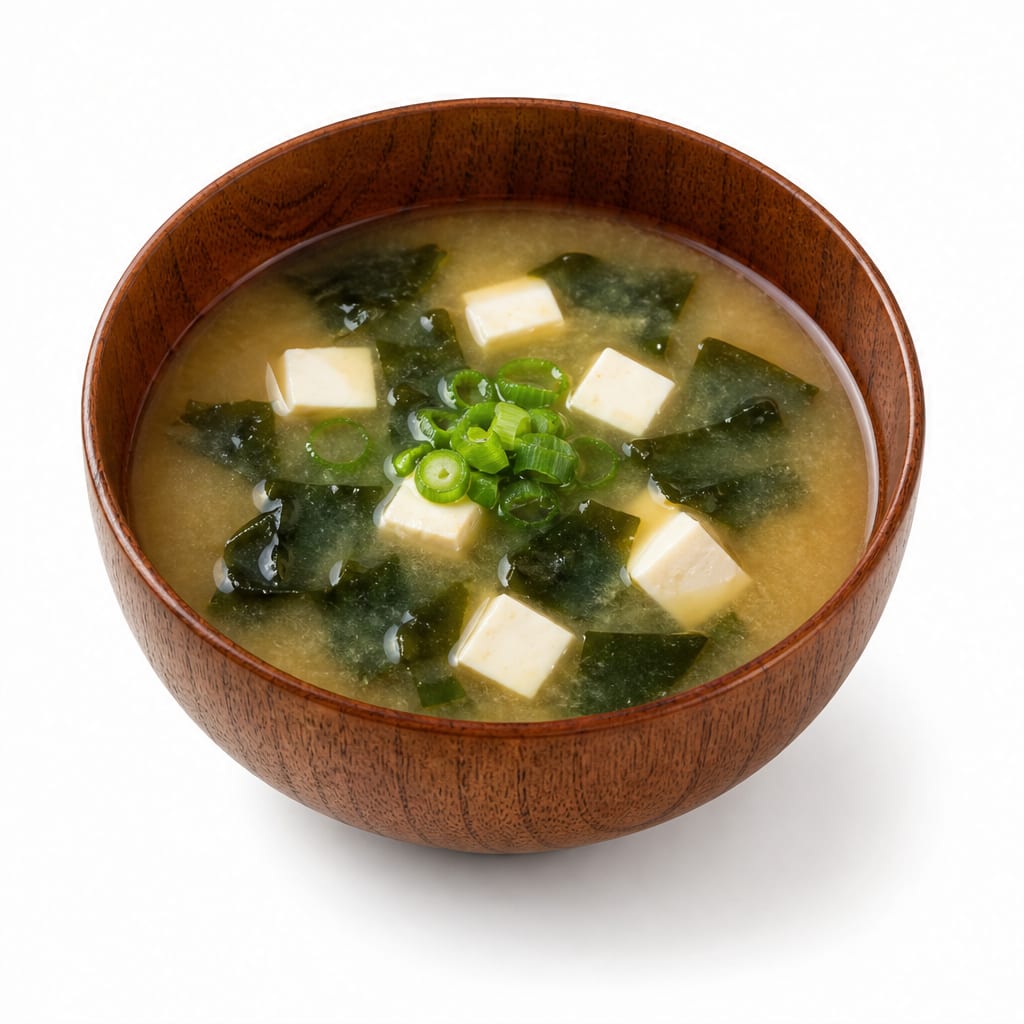
Miso Soup
Bouillabaisse is a nutrient-dense protein powerhouse, while Miso Soup is a light gut-friendly daily staple. They serve completely different roles in a diet.
Miso Soup edges ahead for everyday practicality and gut health benefits, but Bouillabaisse wins decisively on protein, omega-3s, and satiety. The close scores reflect that neither is universally better — they serve fundamentally different dietary roles.
Rich satiating nutrition versus light daily sustainability — Bouillabaisse fills you up with omega-3s and protein, while Miso Soup nurtures your gut with minimal calories but leaves you hungry sooner.
At a glance
Executive summary
Overall
It depends
Healthier
It depends
More practical
Miso Soup
Daily use
Miso Soup
Key comparison lenses
Everyday soup choice for health and convenience
Both are iconic soups from different culinary traditions, and users are likely deciding which to incorporate into regular meals
Weight management and caloric control
Miso Soup is famously light while Bouillabaisse is a rich, hearty stew — a stark calorie contrast
Gut health and digestive benefits
Miso's fermented probiotics vs Bouillabaisse's seafood-based nutrition creates a meaningful gut health tradeoff
Sodium awareness
Both soups are sodium-heavy but from different sources, impacting blood pressure concerns differently
Protein and satiety needs
Bouillabaisse delivers substantial protein from seafood while Miso Soup is relatively low-protein
Best choice for
Bouillabaisse
- People needing high protein intake
- Those seeking omega-3 fatty acids from food
- Recovery meals after intense physical activity
- Special occasion nourishing meals
- Anyone wanting a complete meal in a bowl
Miso Soup
- Daily gut health maintenance
- Weight-conscious eaters wanting low-calorie warmth
- People seeking a quick light breakfast or snack
- Those managing cardiovascular risk through lighter meals
- Anyone wanting a comforting daily ritual without heaviness
Least suitable for
Bouillabaisse
- Daily consumption due to cost and heaviness
- Sodium-sensitive individuals
- People with shellfish or fish allergies
- Those seeking a light pre-bedtime snack
Miso Soup
- Athletes needing substantial protein recovery
- Those who find soup alone unsatisfying
- People with soy allergies or sensitivities
- Anyone needing a complete meal replacement
Deep comparison
Dimension by dimension
Each lens scores both foods and breaks down who each option suits.
- Dimension 1 · Priority 90Miso Soup
Caloric Efficiency and Weight Management
Bouillabaisse · 55Miso Soup · 92Miso Soup delivers big flavor for roughly 40-70 calories per bowl, while Bouillabaisse packs 300-500+ calories per serving.
Tradeoff
You get far more satiety and nutrition per bowl of Bouillabaisse, but at 5-8 times the calorie cost.
Why it matters
For anyone watching portions or eating multiple meals daily, calorie density determines whether a food supports or sabotages your goals.
Real-world impact
A bowl of Miso Soup won't dent your daily calorie budget, making it easy to enjoy freely. Bouillabaisse is essentially a full meal — delicious but not something you pair casually with other courses.
Bouillabaisse
- Active individuals needing calorie surplus
- Those who struggle to eat enough
Better for
- Sedentary days with low calorie needs
- Late-night eating
Worse for
Miso Soup
- Weight loss diets
- Intermittent fasting windows
- Anyone tracking calories closely
Better for
- Post-workout recovery when calories are needed
- Growing teenagers with high energy needs
Worse for
- Dimension 2 · Priority 88Bouillabaisse
Protein Quality and Satiety
Bouillabaisse · 90Miso Soup · 35Bouillabaisse delivers 25-40g of high-quality complete protein from fish and shellfish, while Miso Soup typically provides only 3-6g.
Tradeoff
Bouillabaisse keeps you full for hours; Miso Soup satisfies momentarily but hunger returns within an hour or two.
Why it matters
Protein is the most satiating macronutrient. Meals lacking it often lead to snacking and overeating later.
Real-world impact
After Bouillabaisse, you're done eating for hours. After Miso Soup alone, you'll likely reach for something else within 90 minutes.
Bouillabaisse
- Muscle maintenance and recovery
- Sustained energy without crashes
- Reducing between-meal snacking
Better for
- Small appetite situations
- Right before intense exercise
Worse for
Miso Soup
- Light eating before a larger meal
- When you want warmth without fullness
Better for
- Main meal replacement
- Athletic recovery nutrition
Worse for
- Dimension 3 · Priority 86Miso Soup
Gut Health and Digestive Support
Bouillabaisse · 50Miso Soup · 88Miso's fermentation creates probiotics and enzymes that support gut flora. Bouillabaisse offers no fermentation benefits but is generally easy to digest.
Tradeoff
Miso Soup actively nurtures your microbiome daily, while Bouillabaisse is digestively neutral — neither harmful nor particularly beneficial for gut bacteria.
Why it matters
Gut health influences immunity, mood, and long-term disease risk more than most people realize.
Real-world impact
Regular Miso Soup consumption is associated with better digestion and immune resilience. Bouillabaisse supports you through nutrition but not through microbiome pathways.
Bouillabaisse
- Those already taking probiotic supplements
- People with healthy gut function
Better for
- Dysbiosis recovery
- Post-antibiotic gut repair
Worse for
Miso Soup
- Anyone rebuilding gut health
- Post-antibiotic recovery
- Daily microbiome maintenance
Better for
- Acute soy intolerance episodes
Worse for
- Dimension 4 · Priority 82It depends
Sodium Load and Blood Pressure Impact
Bouillabaisse · 45Miso Soup · 40Both are high-sodium foods. Bouillabaisse gets sodium from seafood broth and seasoning (600-1200mg), while Miso Soup delivers 700-1500mg from fermented soy paste.
Tradeoff
Neither soup is blood-pressure friendly. Miso's sodium comes with potassium and fermentation benefits that partially offset the load, while Bouillabaisse's sodium comes alongside omega-3s that support vascular health.
Why it matters
For the 1 in 3 adults with hypertension, sodium is a daily negotiation that affects stroke and heart disease risk.
Real-world impact
If blood pressure is a concern, both soups require portion awareness. A single bowl of either can deliver a third to half your daily sodium limit.
Bouillabaisse
- Those who tolerate sodium well
- Active people who lose sodium through sweat
Better for
- Salt-sensitive hypertension
- Kidney disease management
Worse for
Miso Soup
- Japanese-style eating patterns where miso is balanced with low-sodium foods
- Those eating potassium-rich foods alongside
Better for
- Strict low-sodium diets
- Multiple daily servings habit
Worse for
- Dimension 5 · Priority 80Bouillabaisse
Omega-3 and Heart Health
Bouillabaisse · 92Miso Soup · 45Bouillabaisse is rich in EPA and DHA omega-3s from fish and shellfish, directly supporting heart and brain health. Miso Soup offers some cardiovascular benefit through soy isoflavones but no direct omega-3s.
Tradeoff
Bouillabaisse delivers the most bioavailable form of omega-3s your body can use immediately, while Miso's heart benefits are indirect and slower-acting.
Why it matters
Most people are deficient in omega-3s, and seafood remains the most efficient dietary source.
Real-world impact
Eating Bouillabaisse twice a month meaningfully contributes to your omega-3 intake. Miso Soup supports heart health through different pathways but won't fix an omega-3 gap.
Bouillabaisse
- Cardiovascular risk reduction
- Brain health and cognitive support
- Anti-inflammatory nutrition
Better for
- Mercury-conscious pregnant women depending on fish types used
Worse for
Miso Soup
- Cholesterol management through soy isoflavones
- Long-term heart health in low-risk populations
Better for
- Anyone with documented omega-3 deficiency
Worse for
- Dimension 6 · Priority 78Miso Soup
Convenience and Daily Practicality
Bouillabaisse · 25Miso Soup · 90Miso Soup can be prepared in under 5 minutes from paste and hot water. Bouillabaisse requires 1-2 hours of active cooking with expensive fresh seafood.
Tradeoff
Miso Soup wins on speed, cost, and repeatability. Bouillabaisse is a labor of love best saved for weekends or special occasions.
Why it matters
The healthiest food is the one you actually eat regularly. Convenience often determines long-term adherence.
Real-world impact
You can realistically eat Miso Soup 365 days a year. Bouillabaisse is a monthly or quarterly experience for most people.
Bouillabaisse
- Weekend cooking projects
- Impressive dinner parties
Better for
- Time-crunched weeknights
- Beginner cooks
- Budget meal plans
Worse for
Miso Soup
- Busy weeknight meals
- Office lunch breaks
- Travel and hotel cooking
- Budget-conscious meal planning
Better for
- Culinary experiences and celebrations
- When cooking is a joyful activity rather than a task
Worse for
- Dimension 7 · Priority 75Bouillabaisse
Micronutrient Density
Bouillabaisse · 82Miso Soup · 60Bouillabaisse delivers iodine, selenium, zinc, B12, and vitamin D from seafood. Miso Soup provides manganese, vitamin K, and some B vitamins but in smaller quantities.
Tradeoff
Bouillabaisse is a micronutrient multi-vitamin in a bowl, especially for nutrients many people lack. Miso Soup's micronutrients are helpful but less comprehensive.
Why it matters
Nutrient density per calorie matters more than total nutrient content for most people eating normal portions.
Real-world impact
Regular Bouillabaisse eaters get meaningful iodine, selenium, and B12 intake. Miso Soup contributes trace minerals but isn't a significant source of hard-to-get nutrients.
Bouillabaisse
- Correcting B12 deficiency risk
- Thyroid support through iodine
- Immune support through selenium and zinc
Better for
- Those meeting micronutrient needs through supplements already
Worse for
Miso Soup
- Bone health through vitamin K2
- Enzyme function support through manganese
Better for
- Vegans needing B12 from food sources
Worse for
Timeline
Health impact over time
Short-term
Hours to days
Bouillabaisse
- Strong satiety lasting 4-5 hours due to high protein and fat content
- Possible digestive warmth and comfort from the rich broth
- Potential mild sodium bloating depending on portion size
Miso Soup
- Immediate warming comfort with minimal digestive burden
- Light satisfaction that fades within 1-2 hours
- Gentle probiotic activity supporting same-day digestion
Long-term
Months to years
Bouillabaisse
- Improved omega-3 status supporting heart and brain health with regular consumption
- Better thyroid function from consistent iodine and selenium intake
- Risk of heavy metal accumulation if consuming large fish frequently
Miso Soup
- Enhanced gut microbiome diversity from daily fermented soy consumption
- Potential cardiovascular benefits from soy isoflavones over months and years
- Possible excessive sodium intake if consuming multiple bowls daily without balancing other meals
Risk profile
Safety & processing
Traditional Bouillabaisse uses whole seafood, vegetables, herbs, and olive oil — essentially unprocessed ingredients combined through cooking. Miso paste itself is a fermented product with moderate processing, though traditional fermentation is natural. Both are far less processed than most packaged soups.
Bouillabaisse
Mercury and heavy metals in fish
mediumDepends on fish species used. Larger predatory fish accumulate more mercury. Traditional recipes often use rockfish and shellfish which are moderate risk.
Shellfish allergy reactions
highBouillabaisse typically contains mussels, shrimp, or other shellfish that trigger severe allergic reactions in sensitive individuals.
Seafood spoilage and foodborne illness
mediumFresh seafood spoils quickly and can harbor Vibrio bacteria or cause scombroid poisoning if not handled properly.
Miso Soup
Soy allergy and intolerance
mediumSoy is a top 8 allergen. Miso Soup is unsafe for those with soy allergies and can cause discomfort for those with milder sensitivities.
Excessive sodium intake
mediumRegular consumption without portion control can contribute to hypertension, especially in sodium-sensitive individuals.
MSG sensitivity
lowSome miso pastes and dashi preparations contain added MSG, which can cause symptoms in sensitive individuals though this is rare.
Who wins for whom
Audience fit
Same foods, different winners depending on your goal.
children
Miso SoupMiso Soup's mild flavor and soft tofu pieces are child-friendly, and the probiotics support developing immune systems. Bouillabaisse's complex flavors and seafood allergy risk make it less suitable for young children.
daily consumption
Miso SoupMiso Soup is affordable, quick, light, and culturally consumed daily by millions in Japan. Bouillabaisse is too heavy, expensive, and time-consuming for daily use.
diabetes
Miso SoupMiso Soup has minimal impact on blood sugar with nearly zero carbohydrates. Bouillabaisse is also low-carb but its larger portion size and potential potato or bread accompaniments require more vigilance.
elderly
It dependsMiso Soup is easier to consume and digest, with probiotics supporting aging immune systems. Bouillabaisse provides crucial protein and B12 that elderly people often lack. Both serve important but different needs.
muscle gain
BouillabaisseBouillabaisse provides 25-40g of complete protein with leucine-rich seafood, directly supporting muscle protein synthesis.
weight loss
Miso SoupAt 40-70 calories per bowl, Miso Soup allows generous portions without calorie concern. Bouillabaisse at 300-500+ calories requires careful portioning.
Your move
Decision guide
Choose Bouillabaisse
- You need a protein-rich meal that keeps you full for hours
- Omega-3 intake from real food is a priority for you
- You're cooking for a special occasion and want something impressive
- You're recovering from intense training and need substantial nutrition
- You enjoy cooking as an experience, not just a task
Choose Miso Soup
- You want a daily soup ritual that supports gut health without heaviness
- Calorie control is a priority right now
- You need something warm and comforting in under 5 minutes
- Budget is a concern — miso paste is incredibly cost-effective
- You're building a Japanese-style eating pattern associated with longevity
Either works if
- You want a warming soup on a cold day
- Sodium intake is already well-managed through your other meals
- You're exploring world cuisines and both sound appealing
Avoid both if
- You're on a strict low-sodium diet for kidney disease or severe hypertension
- You have both seafood and soy allergies
- You need a portable, on-the-go meal — neither travels well
Final recommendation
Keep both in your life but at different frequencies. Make Miso Soup your daily staple — it takes minutes, costs pennies, and nurtures your gut every day. Save Bouillabaisse for weekends or special occasions when you want a deeply satisfying, nutrient-packed meal that feels like an event. They complement each other perfectly: one for daily rhythm, one for celebration.
Practical
Consumer tips
- 1
Choose unpasteurized miso paste when possible — it retains live probiotics that pasteurized versions destroy
- 2
Add extra tofu or wakame to Miso Soup to boost its protein and mineral content without many extra calories
- 3
When making Bouillabaisse, favor smaller fish like sardines and anchovies over large predatory fish to reduce mercury exposure
- 4
Never boil miso — add it to warm broth off heat to preserve probiotics and flavor
- 5
If sodium is a concern, use less miso paste than recipes suggest and compensate with ginger, garlic, or scallions
- 6
Pair Bouillabaisse with a large green salad instead of bread to keep the meal lower in refined carbs
- 7
Make a large batch of Bouillabaisse and freeze portions — it reheats beautifully and saves future cooking time
- 8
Look for low-sodium miso varieties if you plan to eat it daily