
Nutrition comparison
Bouillabaisse vs Beef Stew: Which Hearty Stew Is Healthier?
Compare Bouillabaisse and Beef Stew nutrition, health benefits, and tradeoffs. Discover which stew is better for heart health, weight loss, and everyday eating.
Overall winner · Bouillabaisse
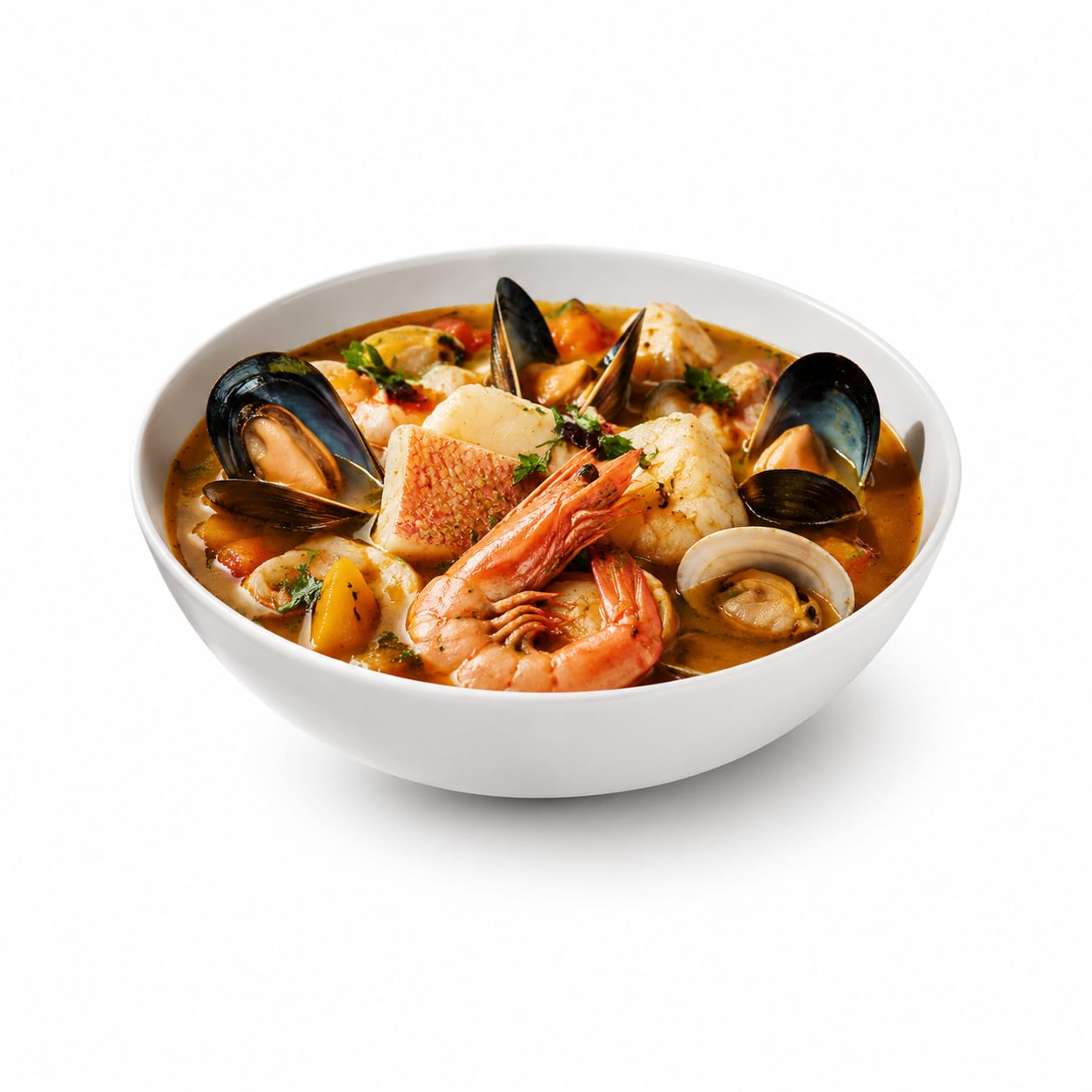
Bouillabaisse
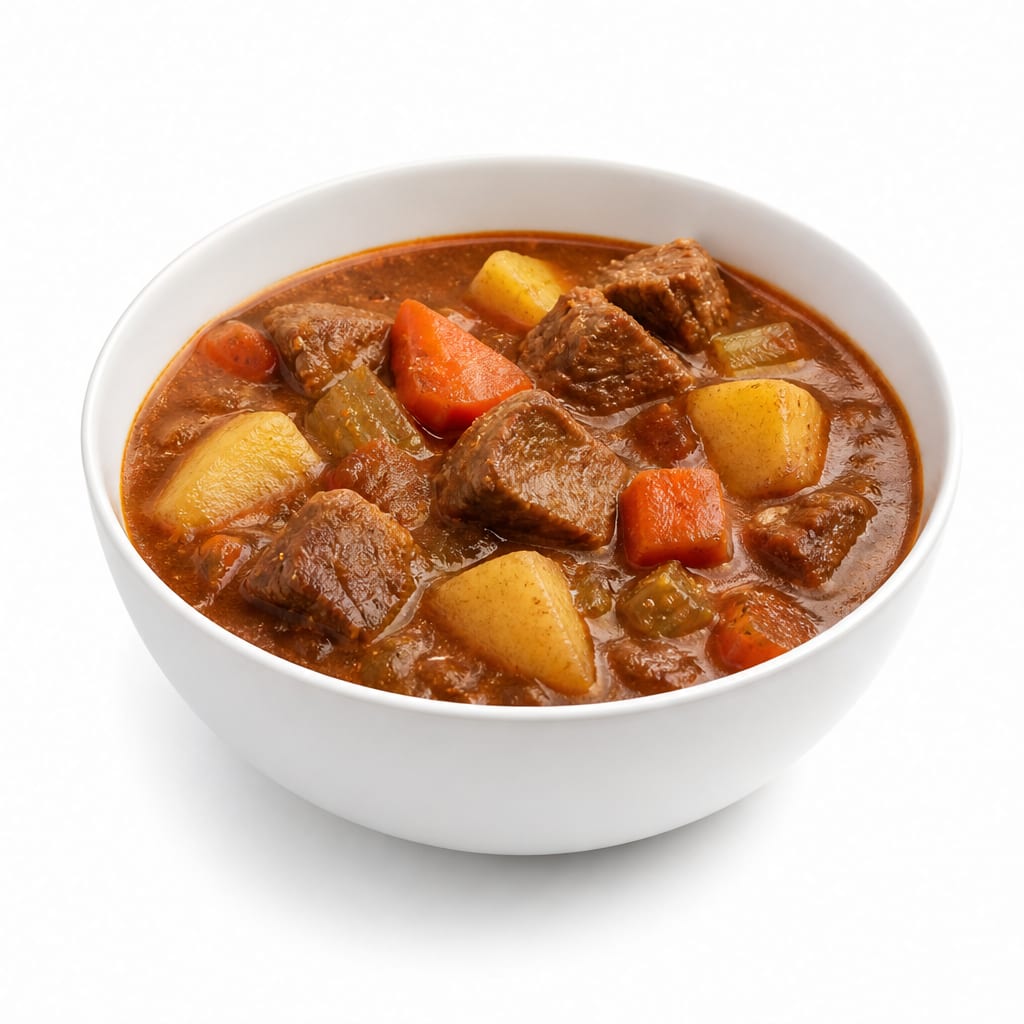
Beef Stew
Bouillabaisse wins on heart health and anti-inflammatory benefits, but beef stew delivers more filling protein at a fraction of the cost.
Bouillabaisse scores higher due to superior heart health profile and anti-inflammatory omega-3 content. Beef stew remains a solid choice for satiety and iron but carries meaningful long-term health tradeoffs from saturated fat and red meat consumption.
You choose between cardiovascular protection and omega-3s from seafood or the satisfying heft and iron boost from red meat at higher saturated fat cost.
At a glance
Executive summary
Overall
Bouillabaisse
Healthier
Bouillabaisse
More practical
Beef Stew
Daily use
Beef Stew
Key comparison lenses
heart health comparison
Fish-based vs red meat-based stew creates a stark cardiovascular tradeoff that defines this comparison
comfort food nutrition tradeoff
Both are warming, satisfying stews but deliver very different nutritional profiles and long-term health outcomes
inflammatory potential
Omega-3 rich fish vs saturated fat heavy beef creates opposing inflammatory signals in the body
protein quality and satiety
Seafood protein vs beef protein have different amino acid profiles, digestibility, and fullness effects
everyday practicality
Bouillabaisse is expensive and complex to prepare while beef stew is accessible and budget-friendly
Best choice for
Bouillabaisse
- People prioritizing heart health and longevity
- Those seeking anti-inflammatory meals
- Anyone wanting lighter but still satisfying dinners
- Pescatarian or Mediterranean diet followers
Beef Stew
- Active individuals needing sustained energy and iron
- Budget-conscious families wanting hearty meals
- People recovering from illness needing calorie density
- Anyone craving deep comfort food satisfaction
Least suitable for
Bouillabaisse
- People with shellfish or fish allergies
- Those on tight grocery budgets
- Anyone needing high calorie intake for recovery
- People in areas with limited fresh seafood access
Beef Stew
- People managing high cholesterol or heart conditions
- Those reducing red meat for cancer risk concerns
- Anyone seeking lighter evening meals
- People following Mediterranean or pescatarian diets
Deep comparison
Dimension by dimension
Each lens scores both foods and breaks down who each option suits.
- Dimension 1 · Priority 95Bouillabaisse
Heart Health & Cardiovascular Impact
Bouillabaisse · 88Beef Stew · 42Bouillabaisse delivers omega-3 fatty acids that actively protect your heart, while beef stew contributes saturated fat that raises cardiovascular risk over time.
Tradeoff
You gain heart-protective fats with Bouillabaisse but sacrifice the deep satisfaction and iron that beef provides.
Why it matters
Regular fish consumption is linked to lower heart disease risk, while frequent red meat intake is associated with increased cardiovascular events.
Real-world impact
Choosing Bouillabaisse a few times a month instead of beef stew could meaningfully shift your long-term heart health trajectory.
Bouillabaisse
- Lowering triglycerides
- Reducing blood pressure
- Decreasing heart attack risk
- Improving arterial flexibility
Better for
- Minimal saturated fat contribution
Worse for
Beef Stew
- Boosting heme iron levels
- Providing B12 for blood health
Better for
- Raising LDL cholesterol
- Increasing arterial plaque risk
- Contributing to hypertension with regular consumption
Worse for
- Dimension 2 · Priority 85Beef Stew
Protein Quality & Satiety
Bouillabaisse · 68Beef Stew · 82Beef stew delivers more protein per serving with higher satiety impact, keeping you fuller for longer. Bouillabaisse provides leaner protein that digests faster.
Tradeoff
Beef stew fills you up more but sits heavier. Bouillabaisse leaves you satisfied without the sluggish feeling.
Why it matters
Satiety determines whether you reach for snacks later. Beef protein keeps hunger at bay longer, but the heavy feeling may not suit everyone.
Real-world impact
After beef stew, you are less likely to snack before bed. After Bouillabaisse, you may want a small snack within a few hours.
Bouillabaisse
- Easier digestion
- Lighter post-meal feeling
- Lean protein without excess calories
Better for
- Less satiety per calorie
- May not satisfy big appetites
Worse for
Beef Stew
- Longer-lasting fullness
- Higher total protein per serving
- More complete amino acid profile for muscle maintenance
Better for
- Heavier digestive load
- Can cause post-meal sluggishness
Worse for
- Dimension 3 · Priority 88Bouillabaisse
Inflammatory Potential
Bouillabaisse · 85Beef Stew · 38Bouillabaisse actively fights inflammation through omega-3s, while beef stew promotes inflammation through saturated fat and arachidonic acid.
Tradeoff
You get anti-inflammatory benefits from fish or pro-inflammatory signals from red meat. This difference compounds over years of eating patterns.
Why it matters
Chronic inflammation drives joint pain, fatigue, and disease progression. Your stew choice either helps or harms this balance.
Real-world impact
Regular Bouillabaisse eaters may notice less joint stiffness and better recovery. Regular beef stew eaters may experience more aches and slower recovery over time.
Bouillabaisse
- Reducing systemic inflammation
- Supporting joint health
- Lowering inflammatory markers like CRP
Better for
- Potential histamine reactions in sensitive individuals from seafood
Worse for
Beef Stew
- Iron delivery for energy production
Better for
- Promoting chronic low-grade inflammation
- Contributing to inflammatory bowel symptoms
- Worsening arthritis over time
Worse for
- Dimension 4 · Priority 80Bouillabaisse
Calorie Density & Weight Management
Bouillabaisse · 78Beef Stew · 55Bouillabaisse is naturally lower in calories per serving due to lean seafood, while beef stew packs more calories from fat-marbled meat and often potatoes.
Tradeoff
Lower calories help with weight management but may leave you hungrier sooner. Higher calories provide lasting energy but can easily exceed daily needs.
Why it matters
A bowl of beef stew can easily hit 500-700 calories, while Bouillabaisse typically lands around 300-450 calories for a similar portion.
Real-world impact
If you eat stew regularly, Bouillabaisse makes it easier to maintain your weight. Beef stew requires more portion awareness.
Bouillabaisse
- Easier portion control
- Lower calorie density
- Better for weight maintenance
Better for
- May feel insufficient after physical labor
Worse for
Beef Stew
- More energy per serving for active days
- Better for healthy weight gain
Better for
- Easy to overeat
- Calories add up quickly with bread or extra servings
Worse for
- Dimension 5 · Priority 82It depends
Nutrient Density & Micronutrients
Bouillabaisse · 79Beef Stew · 76Bouillabaisse excels in iodine, selenium, and omega-3s. Beef stew dominates in iron, zinc, and B12. They shine in different nutritional lanes.
Tradeoff
Seafood provides nutrients most people lack, while beef provides nutrients some people already get enough of through other sources.
Why it matters
Iodine and omega-3 deficiencies are common. Iron deficiency is also common but beef is not the only way to address it.
Real-world impact
Bouillabaisse fills nutritional gaps most diets have. Beef stew fills iron gaps but may oversupply zinc and saturated fat.
Bouillabaisse
- Iodine for thyroid function
- Selenium for antioxidant defense
- Omega-3 DHA for brain health
- Vitamin D from certain fish
Better for
- Lower iron content
- Less B12 per serving
Worse for
Beef Stew
- Heme iron for blood health
- Zinc for immune function
- B12 for nerve health
- More bioavailable minerals overall
Better for
- No omega-3 fatty acids
- Missing iodine entirely
Worse for
- Dimension 6 · Priority 75Beef Stew
Practicality & Accessibility
Bouillabaisse · 35Beef Stew · 85Beef stew is affordable, uses widely available ingredients, and freezes beautifully. Bouillabaisse requires fresh seafood, costs significantly more, and is harder to source.
Tradeoff
Health benefits mean little if you cannot access or afford them regularly. Beef stew wins on everyday viability.
Why it matters
A pot of beef stew costs roughly $15-25 to make. Authentic Bouillabaisse can easily exceed $50-80 with quality seafood.
Real-world impact
Most families can enjoy beef stew weekly. Bouillabaisse becomes a special occasion dish for most households.
Bouillabaisse
- Impressive for entertaining
- Elevated dining experience
Better for
- Expensive to make properly
- Hard to find fresh seafood inland
- Does not store or reheat as well
Worse for
Beef Stew
- Budget-friendly
- Easy to find ingredients anywhere
- Meal prep friendly
- Freezes and reheats well
Better for
- Less culinary excitement
- Fewer gourmet moments
Worse for
- Dimension 7 · Priority 70Bouillabaisse
Digestive Comfort
Bouillabaisse · 80Beef Stew · 58Bouillabaisse digests more easily due to lean fish protein and broth. Beef stew sits heavier and can trigger reflux or bloating in sensitive people.
Tradeoff
Lighter digestion means less discomfort but potentially less satisfaction. Heavier meals feel more comforting but may disrupt sleep if eaten late.
Why it matters
If you eat stew for dinner, how you feel that night and the next morning matters a lot for quality of life.
Real-world impact
Bouillabaisse at 7pm lets you sleep comfortably by 10pm. Beef stew at the same time may cause heartburn or restlessness.
Bouillabaisse
- Gentler on the stomach
- Less likely to cause reflux
- Better evening meal choice
Better for
- Seafood can cause issues for those with sensitivities
Worse for
Beef Stew
- More warming and comforting sensation
Better for
- Higher fat slows gastric emptying
- Can trigger heartburn
- May cause bloating
Worse for
Timeline
Health impact over time
Short-term
Hours to days
Bouillabaisse
- Lighter post-meal energy without sluggishness
- Quick-digesting protein that does not sit heavy
- Potential mild histamine response from shellfish in sensitive individuals
- Satisfying warmth without the food coma
Beef Stew
- Deep satiety that lasts for hours
- Possible post-meal drowsiness from heavy protein and fat load
- Warming comfort that feels emotionally grounding
- Potential heartburn or reflux within an hour of eating
Long-term
Months to years
Bouillabaisse
- Reduced cardiovascular disease risk with regular consumption
- Better inflammatory status supporting joint and brain health
- Potential mercury accumulation if using high-mercury fish frequently
- Improved lipid profile with consistent omega-3 intake
Beef Stew
- Increased LDL cholesterol with frequent red meat consumption
- Higher colorectal cancer risk associated with regular red meat intake
- Better iron stores preventing anemia
- Potential for increased cardiovascular events with heavy consumption patterns
Risk profile
Safety & processing
Both dishes are traditionally made from whole, minimally processed ingredients. The main concern is seafood sourcing for Bouillabaisse and beef quality for stew, rather than additive issues.
Bouillabaisse
Mercury exposure
mediumDepends on fish species used. Larger predatory fish like monkfish or sea bass carry more mercury. Smaller fish and shellfish are lower risk.
Shellfish allergy
highBouillabaisse typically contains shellfish which can trigger severe allergic reactions in sensitive individuals.
Seafood spoilage
mediumFresh seafood spoils faster than beef. Improper storage or handling increases foodborne illness risk significantly.
Microplastics
lowSeafood can contain microplastics, though the health impact at typical consumption levels remains uncertain.
Beef Stew
Heme iron overload
lowRegular consumption of heme iron from beef can contribute to iron overload in susceptible individuals, particularly men and postmenopausal women.
Antibiotic and hormone residues
mediumConventionally raised beef may contain antibiotic residues and hormones. Choosing grass-fed or organic reduces this concern.
Bacterial contamination
lowProperly cooked beef stew eliminates most bacterial risk. Undercooked beef poses E. coli risk but stew cooking methods typically reach safe temperatures.
Who wins for whom
Audience fit
Same foods, different winners depending on your goal.
children
It dependsBeef stew provides iron and zinc crucial for growth, but Bouillabaisse offers brain-supporting omega-3s. Choice depends on the child's existing nutrient intake and allergy status.
daily consumption
Beef StewAffordability and accessibility make beef stew more realistic for regular meals, though it should be limited to a few times per week due to health tradeoffs.
diabetes
BouillabaisseLower saturated fat and higher omega-3 content improve insulin sensitivity, while red meat is linked to increased diabetes risk.
elderly
BouillabaisseEasier digestion, heart-protective fats, and lower cardiovascular risk make Bouillabaisse more appropriate for aging bodies that need gentler nutrition.
muscle gain
Beef StewHigher total protein and calorie content support muscle building and recovery more effectively.
weight loss
BouillabaisseLower calorie density and lean protein make Bouillabaisse easier to fit into a calorie deficit without feeling deprived.
Your move
Decision guide
Choose Bouillabaisse
- Heart health is a top priority for you or your family
- You want anti-inflammatory benefits from omega-3s
- You prefer lighter meals that do not leave you sluggish
- You have access to quality seafood and the budget for it
- You follow a Mediterranean or pescatarian eating pattern
Choose Beef Stew
- You need affordable, filling meals for a family
- Iron levels are a concern and you tolerate red meat well
- You want maximum satiety from a single dish
- Comfort food satisfaction matters more than optimization
- You are physically active and need calorie-dense fuel
Either works if
- You want a warming stew and can alternate between both
- Your overall diet is balanced and neither choice creates a pattern problem
- You are cooking for a special occasion and want something memorable
Avoid both if
- You have gout and need to limit both purines from seafood and red meat
- You are on a strict low-sodium diet as both can be quite salty
- You have severe histamine intolerance as both slow-cooked dishes accumulate histamines
Final recommendation
Eat Bouillabaisse when you can access good seafood and want to invest in your heart health. Eat beef stew when you need affordable comfort and satisfying fuel. The best approach is alternating between both, leaning toward Bouillabaisse more often if heart health is a priority. Limit beef stew to once or twice weekly and choose leaner cuts when possible.
Practical
Consumer tips
- 1
Make Bouillabaisse with smaller fish like mackerel, sardines, or mussels to reduce mercury exposure while keeping omega-3 benefits
- 2
Choose grass-fed beef for stew to get a better fat profile with more conjugated linoleic acid and fewer antibiotic concerns
- 3
Skim the fat from beef stew after refrigerating overnight for a significantly healthier bowl with most of the flavor intact
- 4
Add extra vegetables to either stew to boost fiber and reduce the calorie density without sacrificing satisfaction
- 5
If Bouillabaisse is too expensive, a simpler fish stew with white fish and clams delivers similar health benefits at lower cost
- 6
Pair beef stew with a large side salad to add fiber and antioxidants that help counterbalance the inflammatory effects of red meat