
Nutrition comparison
Black Rice vs White Rice: Which is Healthier?
Compare Black Rice vs White Rice on nutrition, blood sugar impact, and antioxidants. Find out which rice is better for weight loss, diabetes, and daily health.
Overall winner · Black Rice
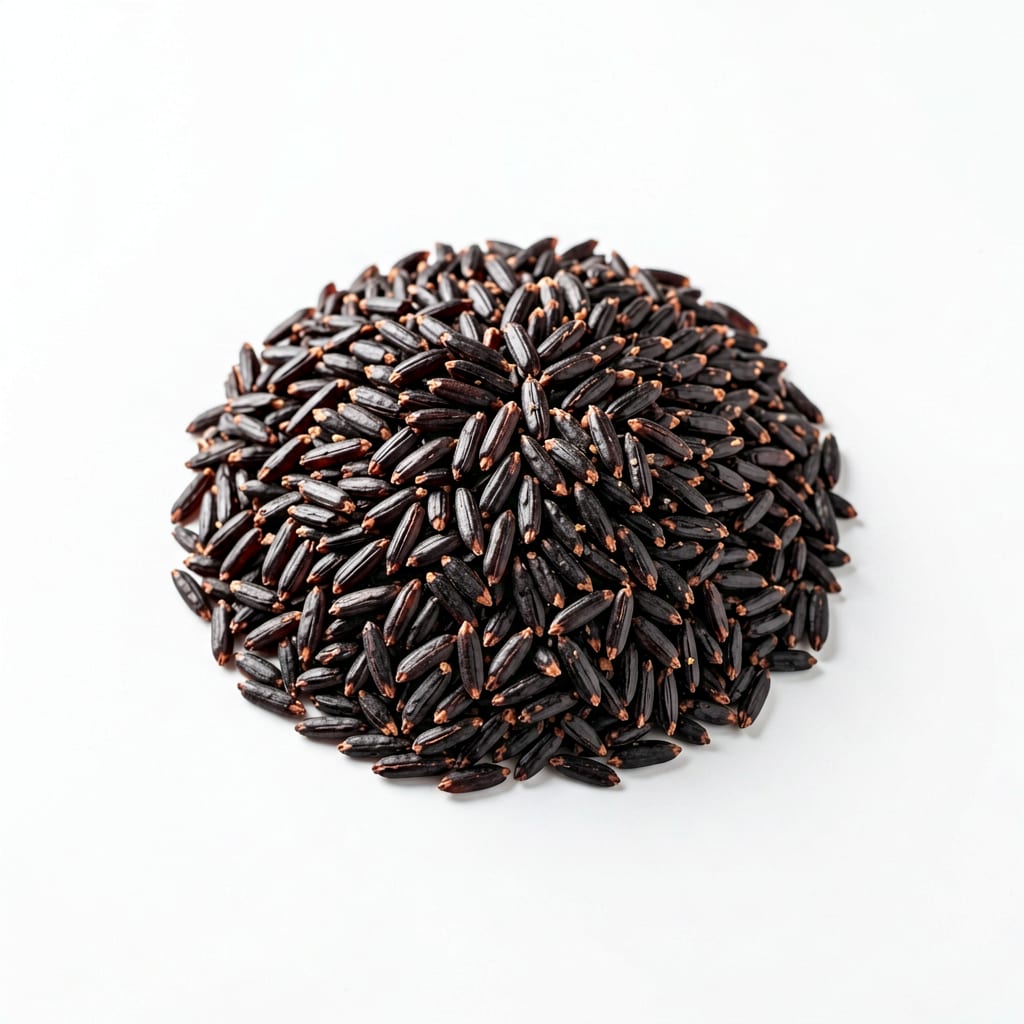
Black Rice
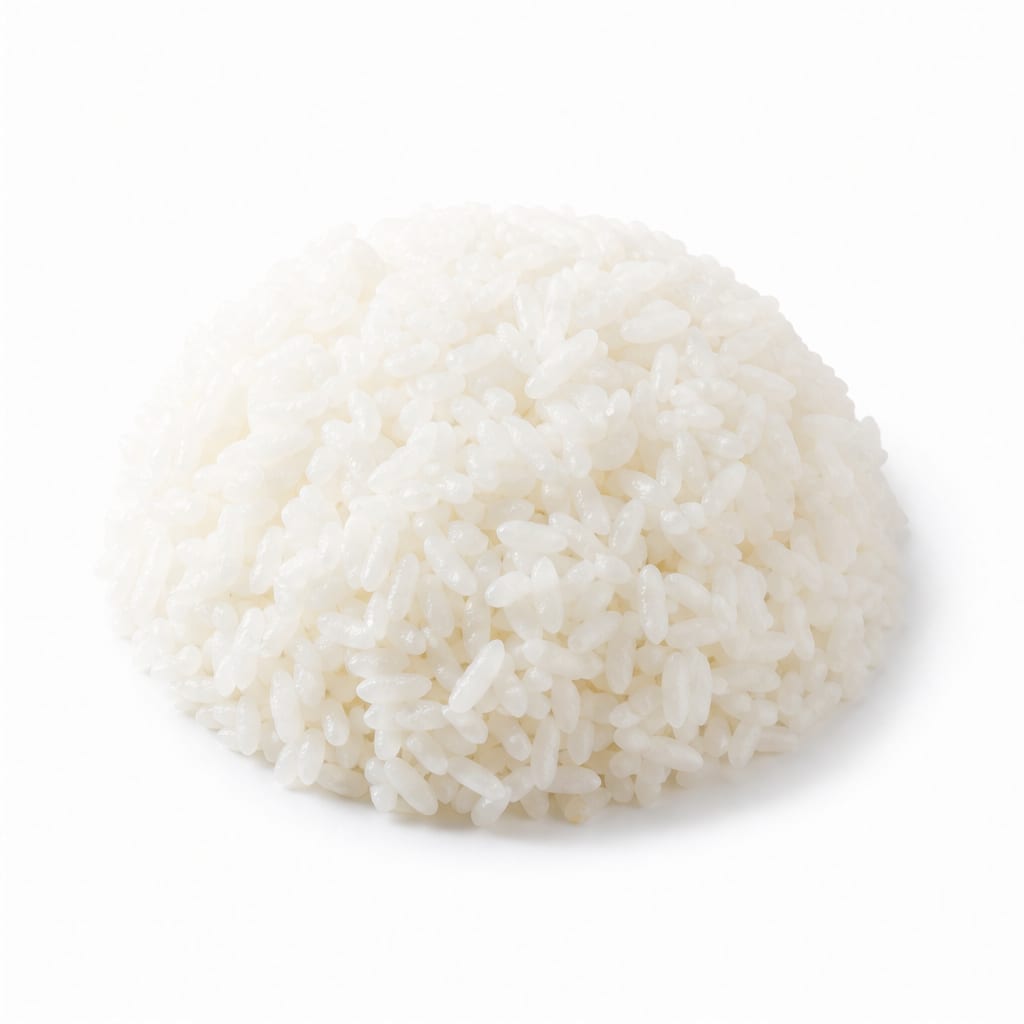
White Rice
Black Rice dominates on nutrition and blood sugar stability, but White Rice wins on convenience and quick energy.
Black Rice scores significantly higher due to its whole grain fiber, protein, and anthocyanin content. White Rice is not inherently bad, but its stripped-down nutritional profile makes it a less optimal everyday staple.
You trade cooking time and quick-digesting carbs for deep antioxidant power and steady, long-lasting energy.
At a glance
Executive summary
Overall
Black Rice
Healthier
Black Rice
More practical
White Rice
Daily use
Black Rice
Key comparison lenses
Blood sugar impact and diabetes risk
White Rice causes rapid blood sugar spikes, while Black Rice provides slow, steady energy due to its whole grain fiber.
Antioxidant and nutrient density
Black Rice is famously rich in anthocyanins, offering massive antioxidant benefits that White Rice completely lacks.
Meal prep convenience and cooking time
White Rice cooks much faster and is more widely available, making it a default convenience choice.
Digestive tolerance and comfort
White Rice is gentler on upset stomachs or low-fiber diets, whereas Black Rice requires more digestive effort.
Best choice for
Black Rice
- Managing blood sugar and preventing energy crashes
- Boosting antioxidant intake for heart and brain health
- Staying full longer between meals
White Rice
- Quick pre- or post-workout carb loading
- Soothing an upset stomach or digestive flare-up
- Fast weeknight meal prep when time is tight
Least suitable for
Black Rice
- Those needing low-fiber diets before colonoscopies or during IBD flares
- People in a rush who need dinner ready in 15 minutes
White Rice
- People with insulin resistance or type 2 diabetes
- Those looking to increase daily fiber and micronutrient intake
Deep comparison
Dimension by dimension
Each lens scores both foods and breaks down who each option suits.
- Dimension 1 · Priority 95Black Rice
Blood Sugar Stability
Black Rice · 90White Rice · 30Black Rice provides steady energy without the crash, while White Rice causes rapid blood sugar spikes.
Tradeoff
White Rice gives you a fast energy hit, but you will likely feel hungry again sooner and experience an afternoon slump.
Why it matters
Frequent blood sugar spikes from White Rice can increase the risk of insulin resistance over time.
Real-world impact
Eating Black Rice at lunch keeps you focused through the 3 PM slump. White Rice might leave you reaching for a coffee or snack.
Black Rice
- Avoiding the afternoon energy crash
- Managing prediabetes or diabetes
- Sustained focus during long workdays
Better for
- Situations requiring immediate, fast-absorbing glucose
Worse for
White Rice
- Quick carb replenishment after an intense workout
Better for
- Sitting at a desk all day with minimal activity
- Anyone prone to reactive hypoglycemia
Worse for
- Dimension 2 · Priority 90Black Rice
Antioxidant & Nutrient Density
Black Rice · 95White Rice · 15Black Rice is a nutritional powerhouse packed with anthocyanins, while White Rice is mostly empty starch.
Tradeoff
You sacrifice the deep purple pigments and vitamins in Black Rice when you choose the milder, polished White Rice.
Why it matters
Anthocyanins protect cells from damage, reduce inflammation, and support heart and brain health.
Real-world impact
Choosing Black Rice is like getting a serving of blueberries hidden in your grain bowl. White Rice offers calories but no protective compounds.
Black Rice
- Reducing systemic inflammation
- Supporting long-term heart and cognitive health
- Getting the most nutrition per calorie
Better for
- People who find the strong nutty flavor overwhelming in delicate dishes
Worse for
White Rice
- Providing neutral calories for weight gain when nutrient density isn't the priority
Better for
- Preventing nutrient deficiencies if relied on as a dietary staple
Worse for
- Dimension 3 · Priority 85Black Rice
Satiety & Fullness
Black Rice · 85White Rice · 40The fiber and protein in Black Rice keep you full for hours, whereas White Rice digests quickly.
Tradeoff
Black Rice is more filling but takes longer to chew and digest, which can feel heavy if you want a light meal.
Why it matters
Staying full longer helps control overall calorie intake without relying on willpower.
Real-world impact
A Black Rice bowl at noon easily carries you to dinner. A White Rice bowl might have you scavenging the pantry by 3 PM.
Black Rice
- Controlling portions naturally without feeling deprived
- Long gaps between meals
Better for
- Eating right before a workout when you need light digestion
Worse for
White Rice
- Eating a light meal before a run or intense activity
Better for
- Late-night snacking that leads to overeating
Worse for
- Dimension 4 · Priority 75White Rice
Convenience & Cooking Time
Black Rice · 40White Rice · 90White Rice cooks in 15-20 minutes and is universally available. Black Rice takes 30-40 minutes and can be harder to find.
Tradeoff
You save 20 minutes of cooking time with White Rice, but spend your health capital in the process.
Why it matters
When hunger strikes, convenience often wins. If a healthy food is too inconvenient, people default to less healthy options.
Real-world impact
White Rice is a reliable weeknight staple you can throw together quickly. Black Rice usually requires weekend meal prep or a rice cooker with a timer.
Black Rice
- Batch cooking on Sundays for the week ahead
Better for
- Impromptu meals with zero prep time
Worse for
White Rice
- Exhausted weeknights when you need food fast
- Dining out or ordering takeout where options are limited
Better for
- Those willing to plan ahead for better health outcomes
Worse for
- Dimension 5 · Priority 70White Rice
Digestive Tolerance
Black Rice · 50White Rice · 85White Rice is extremely gentle on the gut, making it a go-to for upset stomachs. Black Rice's bran can irritate sensitive systems.
Tradeoff
The fiber that makes Black Rice healthy can be a problem if your digestive tract is already inflamed or irritated.
Why it matters
During illness or flare-ups, low-fiber foods reduce digestive workload and bathroom urgency.
Real-world impact
When you have a stomach bug, White Rice is comforting and safe. Black Rice would be too rough and could worsen symptoms.
Black Rice
- Promoting regular, healthy bowel movements when digestion is normal
Better for
- Active gastrointestinal illness or diarrhea
Worse for
White Rice
- Recovering from a stomach bug or food poisoning
- Managing acute IBS or IBD flare-ups
- Pre-race meals for runners with sensitive guts
Better for
- Chronic constipation from a low-fiber diet
Worse for
Timeline
Health impact over time
Short-term
Hours to days
Black Rice
- Sustained energy without a sugar crash
- Feeling comfortably full for hours
- Slightly longer digestion time
White Rice
- Rapid energy spike followed by a crash
- Quick stomach settling if nauseous
- Hunger returning within 1-2 hours
Long-term
Months to years
Black Rice
- Lower risk of type 2 diabetes and metabolic syndrome
- Reduced cellular damage from high antioxidant intake
- Improved cholesterol levels and heart health
White Rice
- Increased risk of blood sugar dysregulation with frequent consumption
- Potential contribution to chronic low-grade inflammation
- Higher likelihood of overeating due to low satiety
Risk profile
Safety & processing
Black Rice is a whole grain with its bran and germ intact. White Rice has been milled and polished, stripping away the most nutritious parts of the grain.
Black Rice
Arsenic exposure
mediumAs a whole grain, Black Rice retains its bran layer where inorganic arsenic tends to accumulate. Rinsing thoroughly and cooking in excess water reduces this.
White Rice
Arsenic exposure
lowPolishing removes the outer bran, lowering arsenic levels compared to whole grain rice, though it still varies by growing region.
Who wins for whom
Audience fit
Same foods, different winners depending on your goal.
children
It dependsWhite Rice is easier for picky eaters and sensitive tummies, but Black Rice offers vital nutrients for growth.
daily consumption
Black RiceThe superior nutrient profile and blood sugar stability make Black Rice a much better everyday staple for overall health.
diabetes
Black RiceThe low glycemic index and high fiber prevent dangerous blood sugar spikes.
elderly
It dependsWhite Rice is gentler on aging digestive systems with decreased stomach acid, though Black Rice helps prevent age-related inflammation.
muscle gain
White RiceFast-digesting White Rice delivers glucose to muscles quickly after a heavy lifting session.
weight loss
Black RiceHigh fiber and protein keep hunger at bay, making it easier to eat fewer calories overall.
Your move
Decision guide
Choose Black Rice
- You want steady energy and no afternoon crash
- You are watching your blood sugar or trying to lose weight
- You want to maximize antioxidants and fight inflammation
Choose White Rice
- You need quick carbs after a hard workout
- You have an upset stomach or need a low-fiber meal
- You are short on time and need a fast-cooking side dish
Either works if
- You are mixing them with plenty of vegetables, healthy fats, and lean protein to balance the meal
- You simply want a base for a curry or stir-fry and eat it occasionally
Avoid both if
- You are on a strict ketogenic or very low-carb diet
- You have severe arsenic sensitivity concerns and cannot source rice from safe regions
Final recommendation
Make Black Rice your default for daily meals to reap the antioxidant and fiber benefits. Keep White Rice as an occasional tool for post-workout recovery or sick days. Mixing the two is also a great way to transition your palate while getting the best of both worlds.
Practical
Consumer tips
- 1
Rinse both Black Rice and White Rice thoroughly before cooking to reduce surface arsenic and improve texture.
- 2
Cook Black Rice in excess water like pasta and drain it to further lower arsenic levels.
- 3
If cooking time is a barrier, soak Black Rice overnight or use a rice cooker with a delayed timer.
- 4
Try a 50/50 mix of Black Rice and White Rice to ease into the nuttier flavor and chewier texture while still boosting nutrition.
- 5
Look for Black Rice sourced from regions known for lower arsenic levels, such as certain areas in Italy or the US.