
Nutrition comparison
Black Rice vs Quinoa: Which is Healthier?
Compare Black Rice vs Quinoa for protein, antioxidants, weight loss, and blood sugar. Discover the nutritional tradeoffs and find out which grain is best for your diet.
Overall winner · Quinoa
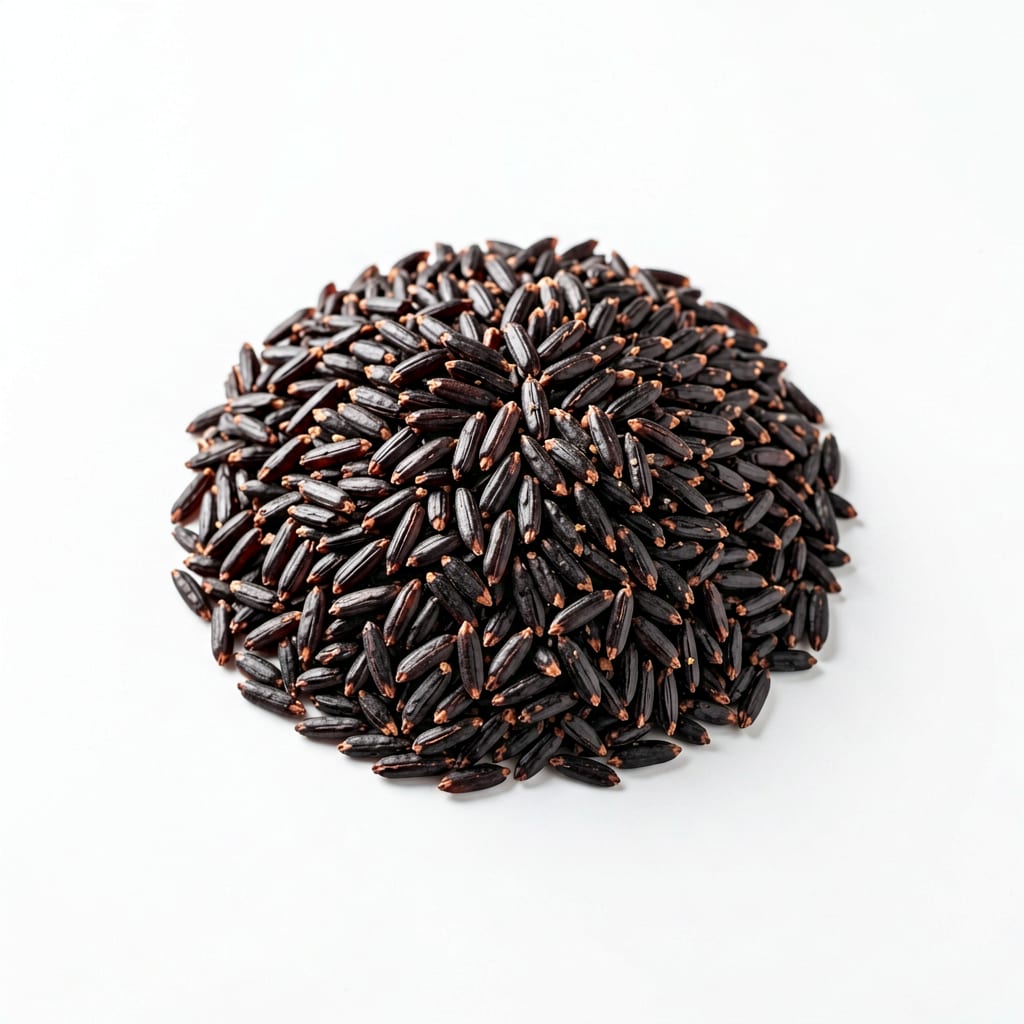
Black Rice
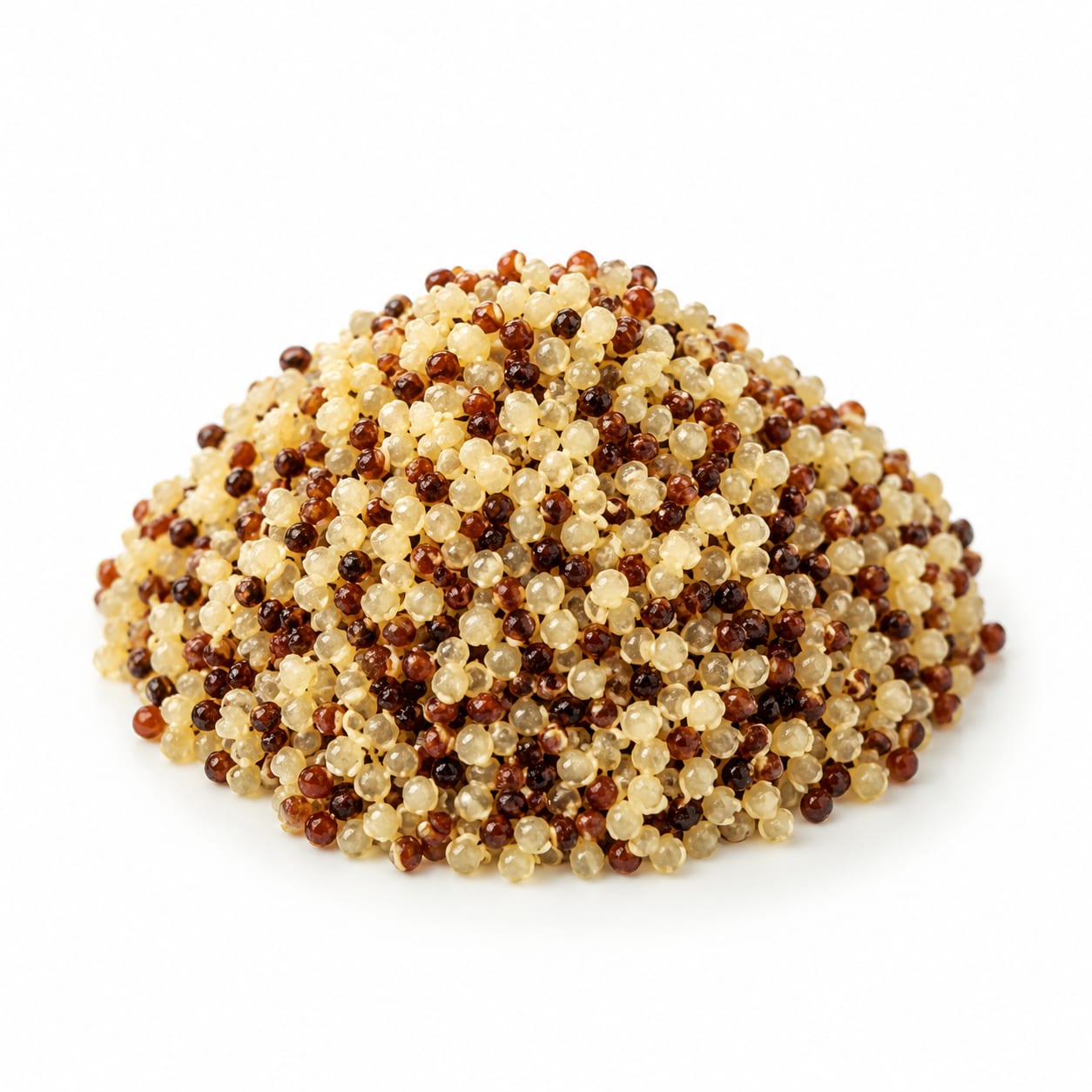
Quinoa
Quinoa wins on protein and convenience, but Black Rice dominates in antioxidants and fiber.
Quinoa edges out Black Rice overall due to its complete amino acid profile and faster cooking time, making it a more practical daily staple. However, Black Rice is nutritionally superior in antioxidants, keeping the scores very close.
Complete protein and quick cooking versus superior antioxidant protection and deeper satiety.
At a glance
Executive summary
Overall
Quinoa
Healthier
It depends
More practical
Quinoa
Daily use
Quinoa
Key comparison lenses
Antioxidant vs Protein prioritization
Black Rice is famous for anthocyanins while Quinoa is prized for complete protein, making this the core tradeoff.
Blood sugar management
Both are whole grains favored by people watching their blood sugar, but they behave differently due to fiber types.
Meal prep and cooking convenience
Quinoa cooks much faster than Black Rice, heavily impacting daily practicality for busy people.
Best choice for
Black Rice
- Boosting antioxidant intake and fighting cellular aging
- Managing blood sugar with high fiber
- Adding striking color and chewy texture to bowls
Quinoa
- Building muscle with a complete plant protein
- Quick weeknight dinners and meal prep
- Getting a light, fluffy texture that absorbs flavors well
Least suitable for
Black Rice
- Those needing a quick 15-minute weeknight meal
- People looking for a primary protein source in a single food
Quinoa
- Those sensitive to saponins or with severe digestive intolerances
- People specifically seeking deep anthocyanin antioxidant benefits
Deep comparison
Dimension by dimension
Each lens scores both foods and breaks down who each option suits.
- Dimension 1 · Priority 95Black Rice
Antioxidant Power & Cellular Health
Black Rice · 96Quinoa · 55Black Rice contains massive amounts of anthocyanins—the same antioxidants found in blueberries—giving it a deep purple color and major cellular protection.
Tradeoff
You sacrifice the complete protein of Quinoa but gain far more protection against oxidative stress and inflammation.
Why it matters
Anthocyanins support heart health, brain function, and anti-aging. Quinoa has some antioxidants, but nowhere near the concentration found in Black Rice.
Real-world impact
Eating Black Rice regularly can help reduce systemic inflammation, making you feel less sluggish and recover faster from workouts.
Black Rice
- Reducing oxidative stress and inflammation
- Supporting long-term cognitive and heart health
Better for
Quinoa
- Lacks the deep cellular protection needed for high-stress or aging bodies
Worse for
- Dimension 2 · Priority 90Quinoa
Protein Quality & Muscle Support
Black Rice · 50Quinoa · 94Quinoa is one of the rare plant foods with all nine essential amino acids, making its protein complete. Black Rice has protein, but it is incomplete.
Tradeoff
Choosing Quinoa gives you a muscle-friendly, complete protein, whereas Black Rice requires pairing with beans or nuts to complete its amino acid profile.
Why it matters
Complete proteins are crucial for muscle repair, hormone production, and keeping you full. Plant-based eaters especially need this.
Real-world impact
A Quinoa bowl keeps you full longer and supports muscle maintenance without needing to carefully combine different protein sources in the same meal.
Black Rice
- Requires additional protein sources to make a balanced meal
Worse for
Quinoa
- Vegans and vegetarians needing reliable complete protein
- Athletes repairing muscle after workouts
Better for
- Dimension 3 · Priority 85Black Rice
Blood Sugar Stability & Satiety
Black Rice · 84Quinoa · 78Black Rice is slightly higher in fiber and has a chewier, denser physical structure, which slows down digestion and prevents blood sugar spikes.
Tradeoff
Quinoa digests a bit faster, giving quicker energy, but Black Rice provides steadier, longer-lasting fullness.
Why it matters
Steadier blood sugar means fewer afternoon energy crashes and less craving for snacks.
Real-world impact
Black Rice leaves you feeling heavier and more satisfied for hours, while Quinoa feels lighter in the stomach.
Black Rice
- Preventing mid-afternoon energy crashes
- Staying full for hours on less volume
Better for
- Can feel too heavy if you want a light pre-workout meal
Worse for
Quinoa
- Needing lighter digestion before a workout
Better for
- Might leave you hungry sooner if eaten alone
Worse for
- Dimension 4 · Priority 75Quinoa
Cooking Convenience & Practicality
Black Rice · 55Quinoa · 88Quinoa cooks in about 15 minutes, while Black Rice takes 30 to 40 minutes and requires more water and attention.
Tradeoff
Quinoa fits easily into busy weeknights, while Black Rice demands meal prep planning or a pressure cooker.
Why it matters
If a healthy food is hard to cook, you are less likely to eat it consistently.
Real-world impact
Quinoa is a realistic everyday side dish; Black Rice is more of a weekend grain or requires batch-cooking on Sundays.
Black Rice
- Takes too long for spontaneous cooking
Worse for
Quinoa
- Quick weeknight dinners
- Last-minute meal prep
Better for
Timeline
Health impact over time
Short-term
Hours to days
Black Rice
- Provides deep, lasting satiety due to high fiber density
- Can feel heavy in the stomach if overeaten
Quinoa
- Offers quick, light energy without feeling sluggish
- May cause mild bloating if not rinsed properly before cooking
Long-term
Months to years
Black Rice
- Superior protection against chronic inflammation and cellular aging
- Supports healthy cholesterol levels through soluble fiber
Quinoa
- Supports lean muscle mass and metabolic health with complete protein
- Helps maintain steady energy and reduces reliance on animal proteins
Risk profile
Safety & processing
Both Black Rice and Quinoa are whole, minimally processed foods. You are eating the intact seed or grain in both cases, making them exceptionally clean choices.
Black Rice
Arsenic contamination
mediumRice can accumulate arsenic from soil and water more than other crops. Rinsing thoroughly and cooking with excess water reduces this significantly.
Quinoa
Saponin sensitivity
lowQuinoa naturally coats itself in bitter saponins to deter pests. If not rinsed well, these can cause stomach irritation or mild digestive distress.
Who wins for whom
Audience fit
Same foods, different winners depending on your goal.
children
QuinoaQuinoa is lighter, fluffier, and easier for kids to chew and digest, plus it provides the complete protein growing bodies need.
daily consumption
QuinoaQuinoa is faster to cook and offers a more balanced macronutrient profile for everyday meals without needing heavy meal prep.
diabetes
Black RiceThe higher fiber content and denser structure of Black Rice slow glucose absorption, leading to steadier blood sugar levels.
elderly
QuinoaQuinoa is softer and easier to chew for sensitive teeth, and its complete protein helps prevent age-related muscle loss.
muscle gain
QuinoaQuinoa provides a complete protein profile with all essential amino acids, making it far superior for muscle repair and growth.
weight loss
Black RiceBlack Rice is higher in fiber and digests slower, keeping you full longer on fewer calories, which helps control snacking.
Your move
Decision guide
Choose Black Rice
- You want to maximize antioxidant intake and fight inflammation
- You prioritize deep, lasting fullness to avoid snacking
- You have time to batch-cook grains for the week
Choose Quinoa
- You need a quick-cooking, complete protein for plant-based meals
- You want a lighter grain that digests easily before or after workouts
- You are meal-prepping on a tight schedule
Either works if
- You are rotating whole grains for a diverse gut microbiome
- You want a nutrient-dense base for veggie bowls
Avoid both if
- You are on a strict very-low-carb or ketogenic diet
Final recommendation
Keep both in your pantry. Use Quinoa for busy weekdays when you need fast protein, and save Black Rice for weekends or meal-prep days when you want an antioxidant boost and deeper satiety. Rotating them gives you the best of both worlds.
Practical
Consumer tips
- 1
Always rinse Quinoa under cold water for 30 seconds to remove bitter saponins and prevent stomach upset.
- 2
Cook Black Rice like pasta—in a large pot of boiling water—then drain to reduce arsenic levels significantly.
- 3
Mix them together! Cooking a blend of Black Rice and Quinoa gives you the antioxidants of the rice with the protein of the quinoa.
- 4
Soak Black Rice for a few hours before cooking to cut the cooking time in half and improve digestibility.