
Nutrition comparison
Black Rice vs Oatmeal: Which Grain Is Healthier for Daily Eating?
Compare Black Rice and Oatmeal on antioxidants, heart health, satiety, blood sugar, and convenience. Learn which grain fits your goals and how to use both for maximum benefit.
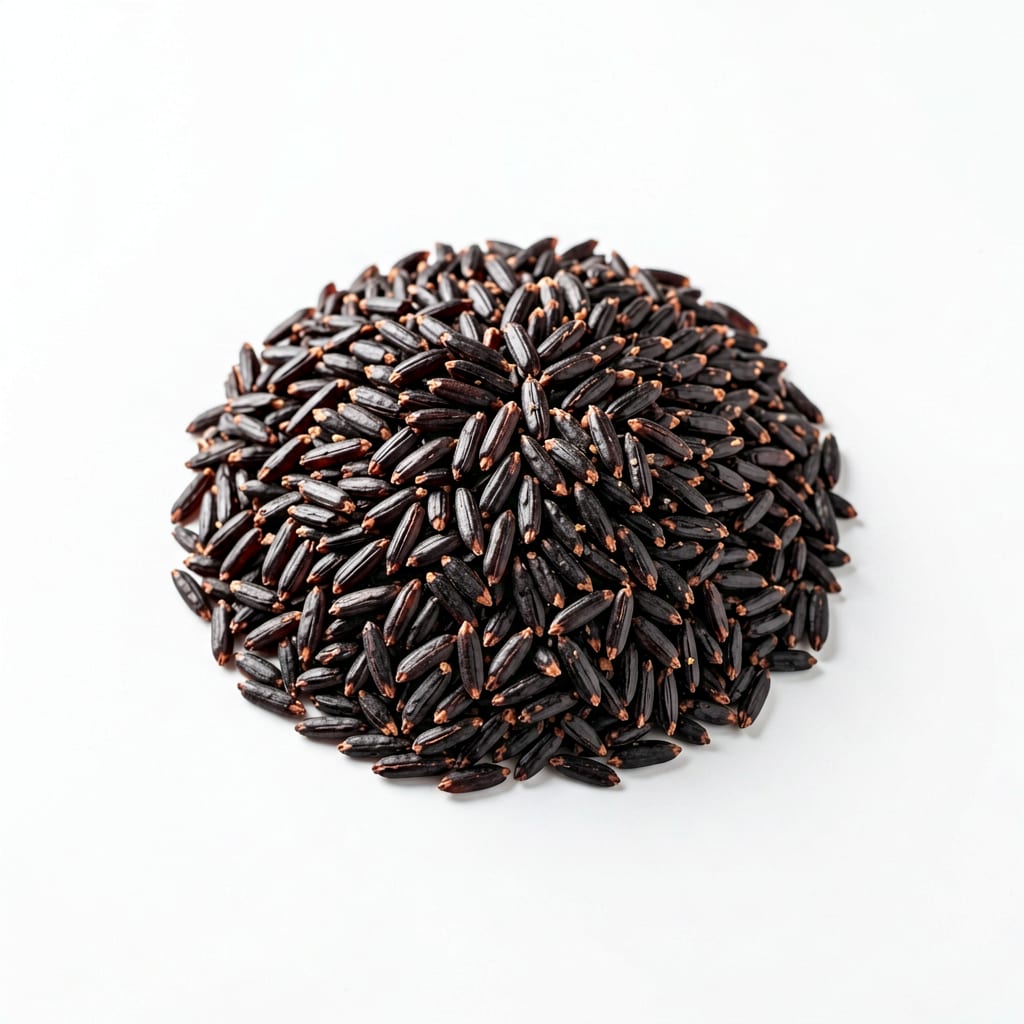
Black Rice
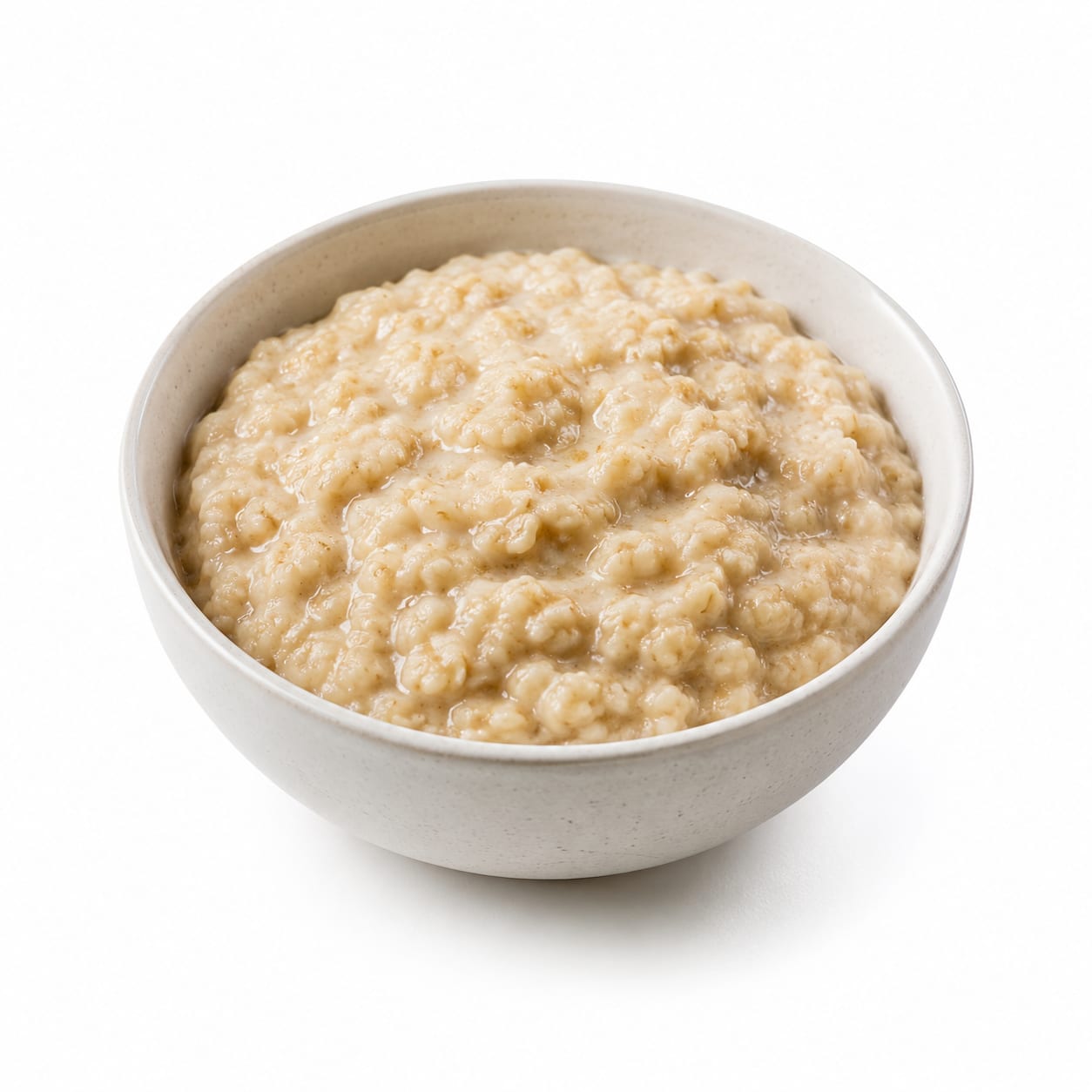
Oatmeal
Black Rice delivers superior antioxidants and a striking nutrient profile, but Oatmeal wins on heart health, satiety, and everyday practicality.
Oatmeal scores higher mainly due to convenience, cost, satiety, and the massive evidence base behind beta-glucan for heart health. Black Rice is nutritionally impressive but its longer cook time, higher cost, and smaller research backing narrow its everyday appeal.
Anthocyanin-rich cellular protection vs beta-glucan-driven cholesterol and fullness — different pathways to health, and your priority determines the winner.
At a glance
Executive summary
Overall
It depends
Healthier
It depends
More practical
Oatmeal
Daily use
Oatmeal
Key comparison lenses
antioxidant density vs heart health
Black Rice is prized for anthocyanins while Oatmeal is legendary for beta-glucan and cholesterol lowering — this is the core tradeoff
breakfast staple decision
Most people choosing between these are deciding what to eat each morning, so satiety, convenience, and energy stability matter most
blood sugar management
Both are whole grains but affect blood sugar differently depending on preparation and fiber type
long term disease prevention
Users often compare these for chronic disease protection — antioxidant vs soluble fiber pathways
practical everyday sustainability
Cooking time, cost, and ease of preparation heavily influence which grain people actually stick with
Best choice for
Black Rice
- People prioritizing antioxidant intake and anti-aging nutrition
- Those wanting to reduce oxidative stress from intense training or environmental exposure
- Anyone seeking visual variety and a nutrient-dense side dish beyond breakfast
- Individuals with oat sensitivity or gluten cross-contamination concerns
Oatmeal
- People managing high cholesterol or heart disease risk
- Those who need a filling breakfast that prevents mid-morning snacking
- Anyone wanting a quick, affordable, and sustainable daily habit
- People with blood sugar concerns who need soluble fiber's gel-forming effect
Least suitable for
Black Rice
- People who need a 5-minute breakfast before rushing out the door
- Those on a tight grocery budget who eat grains daily
- Anyone who finds long cook times a barrier to consistent healthy eating
- People wanting the simplest possible meal prep routine
Oatmeal
- People with celiac disease or severe gluten sensitivity due to cross-contamination risk
- Those who find oatmeal texturally unappealing and would skip breakfast entirely
- Anyone seeking peak antioxidant density from their grain choices
Deep comparison
Dimension by dimension
Each lens scores both foods and breaks down who each option suits.
- Dimension 1 · Priority 95Black Rice
antioxidant_power
Black Rice · 93Oatmeal · 58Black Rice is one of the most antioxidant-rich grains available, thanks to deep purple anthocyanins that rival blueberries.
Tradeoff
You get far more cellular protection from Black Rice, but you sacrifice the soluble fiber benefits that make Oatmeal cardioprotective.
Why it matters
Anthocyanins combat oxidative stress, support brain health, and reduce inflammation — benefits most grains simply cannot match.
Real-world impact
Regular Black Rice eaters get a daily dose of antioxidants usually found only in berries, which is rare for a staple grain.
Black Rice
- Reducing exercise-induced oxidative stress
- Supporting cognitive aging defenses
- Adding anti-inflammatory nutrition without supplements
Better for
- Overestimating health impact if portion sizes are small
Worse for
Oatmeal
- Getting modest antioxidant intake alongside proven heart benefits
- Simplifying nutrition by combining fiber and antioxidants in one bowl
Better for
- Expecting berry-level antioxidant protection from oats alone
Worse for
- Dimension 2 · Priority 92Oatmeal
heart_health_and_cholesterol
Black Rice · 62Oatmeal · 94Oatmeal's beta-glucan is one of the most studied cholesterol-lowering fibers in existence, with FDA-backed health claims.
Tradeoff
Black Rice supports cardiovascular health indirectly through antioxidants, but Oatmeal directly lowers LDL cholesterol with strong clinical evidence.
Why it matters
If heart disease runs in your family, this is not a close call — beta-glucan has decades of data behind it.
Real-world impact
A daily bowl of oatmeal can lower LDL cholesterol by 5-10%, a meaningful reduction from a simple food choice.
Black Rice
- Providing antioxidant protection to blood vessels
- Reducing oxidative damage to arterial walls
Better for
- Lacking the specific soluble fiber proven to lower cholesterol
Worse for
Oatmeal
- Actively reducing LDL cholesterol numbers
- Improving blood lipid profiles within weeks of daily consumption
- Offering FDA-recognized heart health benefits
Better for
- Being less effective if heavily sweetened or paired with high-fat toppings
Worse for
- Dimension 3 · Priority 88Oatmeal
satiety_and_fullness
Black Rice · 68Oatmeal · 87Oatmeal's soluble fiber forms a gel in your stomach that slows digestion and keeps you full for hours.
Tradeoff
Black Rice fills you up with insoluble fiber and bulk, but lacks the gel-forming effect that makes Oatmeal uniquely satisfying.
Why it matters
If you are tired of snacking between meals, the type of fiber matters more than the total amount.
Real-world impact
A bowl of oatmeal at 7am often prevents hunger until noon. Black Rice at the same calorie count may leave you reaching for a snack by 10am.
Black Rice
- Providing bulk that stretches the stomach mechanically
- Working well as a side dish alongside protein for fullness
Better for
- Being less effective at preventing between-meal hunger when eaten alone
Worse for
Oatmeal
- Creating prolonged satiety through gel-forming beta-glucan
- Reducing mid-morning cravings and unplanned snacking
- Supporting portion control naturally without willpower
Better for
- Causing bloating in sensitive individuals unaccustomed to high soluble fiber
Worse for
- Dimension 4 · Priority 84Oatmeal
blood_sugar_stability
Black Rice · 70Oatmeal · 82Both are whole grains with moderate glycemic impact, but Oatmeal's soluble fiber slows glucose absorption more effectively.
Tradeoff
Black Rice has a decent glycemic profile, but Oatmeal's beta-glucan creates a more predictable and gentle blood sugar curve.
Why it matters
For prediabetics or anyone avoiding energy crashes, the fiber type that slows sugar absorption is the safer bet.
Real-world impact
Steel-cut oats produce a noticeably steadier energy curve than Black Rice, which can cause a slightly faster rise depending on portion and pairing.
Black Rice
- Being a whole grain with more fiber than white or brown rice
- Providing a moderate glycemic option for rice lovers
Better for
- Causing sharper blood sugar rises if eaten in large portions without protein or fat
Worse for
Oatmeal
- Slowing glucose entry into the bloodstream via gel-forming fiber
- Reducing post-meal insulin spikes more reliably
- Being widely recommended in diabetic meal plans
Better for
- Spiking blood sugar faster if using instant oats instead of steel-cut
Worse for
- Dimension 5 · Priority 80Oatmeal
convenience_and_practicality
Black Rice · 38Oatmeal · 88Oatmeal can be ready in 2-5 minutes; Black Rice takes 30-40 minutes unless pre-soaked or pressure-cooked.
Tradeoff
Black Rice rewards patience with superior nutrients, but most people will not cook it daily regardless of good intentions.
Why it matters
The healthiest grain only matters if you actually eat it. Convenience often determines consistency.
Real-world impact
On a busy Tuesday morning, Oatmeal wins by default. Black Rice requires batch cooking on weekends to be a realistic weekday option.
Black Rice
- Being excellent for meal prep when cooked in large batches
- Adding variety to grain bowls and dinner sides
Better for
- Requiring 30-40 minutes of cooking that most mornings cannot accommodate
- Being impractical for spontaneous meals without advance planning
Worse for
Oatmeal
- Being ready in minutes with minimal effort
- Requiring no special cooking techniques or equipment
- Fitting easily into any morning routine
Better for
- Feeling monotonous if eaten every single day without variation
Worse for
- Dimension 6 · Priority 72Oatmeal
cost_and_accessibility
Black Rice · 42Oatmeal · 92Oatmeal is one of the cheapest health foods available. Black Rice is a specialty grain with a premium price tag.
Tradeoff
Black Rice offers unique nutrients at 3-5 times the cost per serving. Oatmeal delivers proven benefits at pennies per bowl.
Why it matters
For families or individuals on a budget eating grains daily, cost compounds quickly over months.
Real-world impact
A month of daily oatmeal costs roughly $4-8. A month of daily Black Rice can cost $20-40 depending on source and quality.
Black Rice
- Providing premium nutrition for those who can afford it
- Being increasingly available in health food stores and online
Better for
- Being prohibitively expensive for daily consumption on tight budgets
- Requiring specialty stores or online ordering in many areas
Worse for
Oatmeal
- Being accessible to virtually any budget
- Available in every grocery store without specialty shopping
- Allowing bulk purchasing for maximum savings
Better for
- Offering less nutrient novelty per dollar spent
Worse for
- Dimension 7 · Priority 68It depends
digestive_tolerance
Black Rice · 78Oatmeal · 72Black Rice is gentler for people with gluten sensitivity, while Oatmeal is better for constipation but can bloat sensitive stomachs.
Tradeoff
Oatmeal's soluble fiber helps some digestive issues but worsens others. Black Rice is more neutral and less likely to cause gas.
Why it matters
If you have IBS or a sensitive gut, the wrong fiber type can turn a healthy breakfast into an uncomfortable morning.
Real-world impact
Some people feel bloated after oatmeal but fine after Black Rice. Others need oatmeal's soluble fiber specifically for regularity.
Black Rice
- Being naturally gluten-free without cross-contamination concerns
- Causing less gas and bloating in fiber-sensitive individuals
Better for
- Providing less soluble fiber for those who specifically need it for regularity
Worse for
Oatmeal
- Promoting bowel regularity through soluble fiber's gel effect
- Softening stool more effectively for constipation-prone individuals
Better for
- Triggering bloating or discomfort in people unaccustomed to high soluble fiber
- Carrying gluten cross-contamination risk for celiac patients
Worse for
Timeline
Health impact over time
Short-term
Hours to days
Black Rice
- Provides steady energy without sharp crashes when paired with protein
- May feel less immediately filling than oatmeal despite similar calories
- Offers noticeable visual satisfaction from its striking dark purple color
Oatmeal
- Creates strong satiety that reduces snacking for 3-4 hours
- Can cause mild bloating during the first week if your gut is adjusting to more soluble fiber
- Delivers comforting warmth and texture that supports emotional satisfaction at breakfast
Long-term
Months to years
Black Rice
- Anthocyanin intake may reduce chronic inflammation and support healthy aging
- Consistent consumption supports vascular health through antioxidant protection
- Could help maintain cognitive function as part of an antioxidant-rich diet pattern
Oatmeal
- Daily consumption measurably lowers LDL cholesterol and supports heart disease prevention
- Beta-glucan intake improves gut microbiome diversity over months
- Long-term oat eaters show better weight maintenance and metabolic markers in population studies
Risk profile
Safety & processing
Both are whole, minimally processed grains when purchased in their basic form. The key distinction is that instant oatmeal packets often contain added sugars and sodium, while Black Rice has fewer processed variants on the market. Steel-cut or rolled oats are as natural as Black Rice — just avoid the flavored packets.
Black Rice
arsenic contamination
mediumRice accumulates more arsenic than other grains. Black Rice is not exempt. Rinsing thoroughly and cooking in excess water reduces levels significantly.
heavy metal exposure in some regions
lowSourcing matters — rice from certain regions may carry higher cadmium or lead. Buying from reputable sources mitigates this.
Oatmeal
gluten cross-contamination
mediumOats are inherently gluten-free but are frequently processed in facilities that handle wheat. Certified gluten-free oats exist but cost more.
glyphosate residue
lowConventionally grown oats may carry glyphosate residue. Choosing organic oats eliminates this concern almost entirely.
Who wins for whom
Audience fit
Same foods, different winners depending on your goal.
children
OatmealOatmeal is easier to prepare, softer in texture, and more familiar to kids. Black Rice's chewiness and longer cook time make it a harder sell at breakfast.
daily consumption
OatmealOatmeal's convenience, affordability, and massive evidence base make it the more sustainable daily habit for most people.
diabetes
OatmealOatmeal's soluble fiber slows glucose absorption more reliably, producing gentler blood sugar curves — assuming steel-cut or rolled oats, not instant.
elderly
OatmealOatmeal is softer, easier to chew and digest, and has stronger evidence for cardiovascular protection — a top priority for older adults.
muscle gain
It dependsNeither is a protein powerhouse. Both work as carb sources alongside protein. Black Rice has slightly more protein per serving, but the difference is minimal and irrelevant without a protein-rich accompaniment.
weight loss
OatmealOatmeal's beta-glucan creates stronger satiety signals, making it easier to eat less throughout the day without feeling deprived.
Your move
Decision guide
Choose Black Rice
- You want maximum antioxidant density from your grains and are willing to batch-cook on weekends
- Heart health is not your primary concern, but cellular aging and inflammation are
- You eat rice-based meals regularly and want to upgrade from white or brown rice
- You have gluten sensitivity and cannot find certified gluten-free oats
Choose Oatmeal
- You want a quick, filling breakfast that keeps you satisfied until lunch
- Cholesterol reduction or heart health is a priority for you or your family
- You need an affordable daily grain that costs almost nothing per serving
- You value consistency and want the grain you will actually eat every day
Either works if
- You are simply looking for a whole grain to replace refined carbs — both are excellent upgrades
- You rotate grains throughout the week and want variety rather than a single staple
Avoid both if
- You have a grain allergy or severe sensitivity to both gluten and rice
- You are on a strict very-low-carb or ketogenic diet — both are too carb-dense
Final recommendation
Eat Oatmeal most mornings for its proven heart benefits, satiety, and convenience. Add Black Rice a few times a week as a dinner side or grain bowl base to get its antioxidant advantages without the morning hassle. You do not have to choose — rotating both gives you beta-glucan and anthocyanins, which is the real win.
Practical
Consumer tips
- 1
Batch-cook Black Rice on Sunday and refrigerate portions for 4-5 days — it reheats well and eliminates the weekday cook time problem
- 2
Choose steel-cut or rolled oats over instant — the glycemic difference is significant and the texture is far more satisfying
- 3
Rinse Black Rice thoroughly before cooking to reduce arsenic levels by up to 30%
- 4
If you have celiac disease, only buy certified gluten-free oats — standard oats are almost always cross-contaminated
- 5
Pair either grain with protein and healthy fat — eggs, nuts, or Greek yogurt transform a carb bowl into a balanced meal
- 6
Try cooking Black Rice in broth instead of water for a savory side dish that rivals any restaurant grain bowl
- 7
Soak Black Rice overnight to cut cooking time in half and improve digestibility