
Nutrition comparison
Black Rice vs Jasmine Rice: Nutrition, Blood Sugar, and Which to Choose
Black Rice delivers far more antioxidants, fiber, and blood sugar stability than Jasmine Rice. Compare nutritional differences, cooking tradeoffs, and which rice fits your health goals.
Overall winner · Black Rice
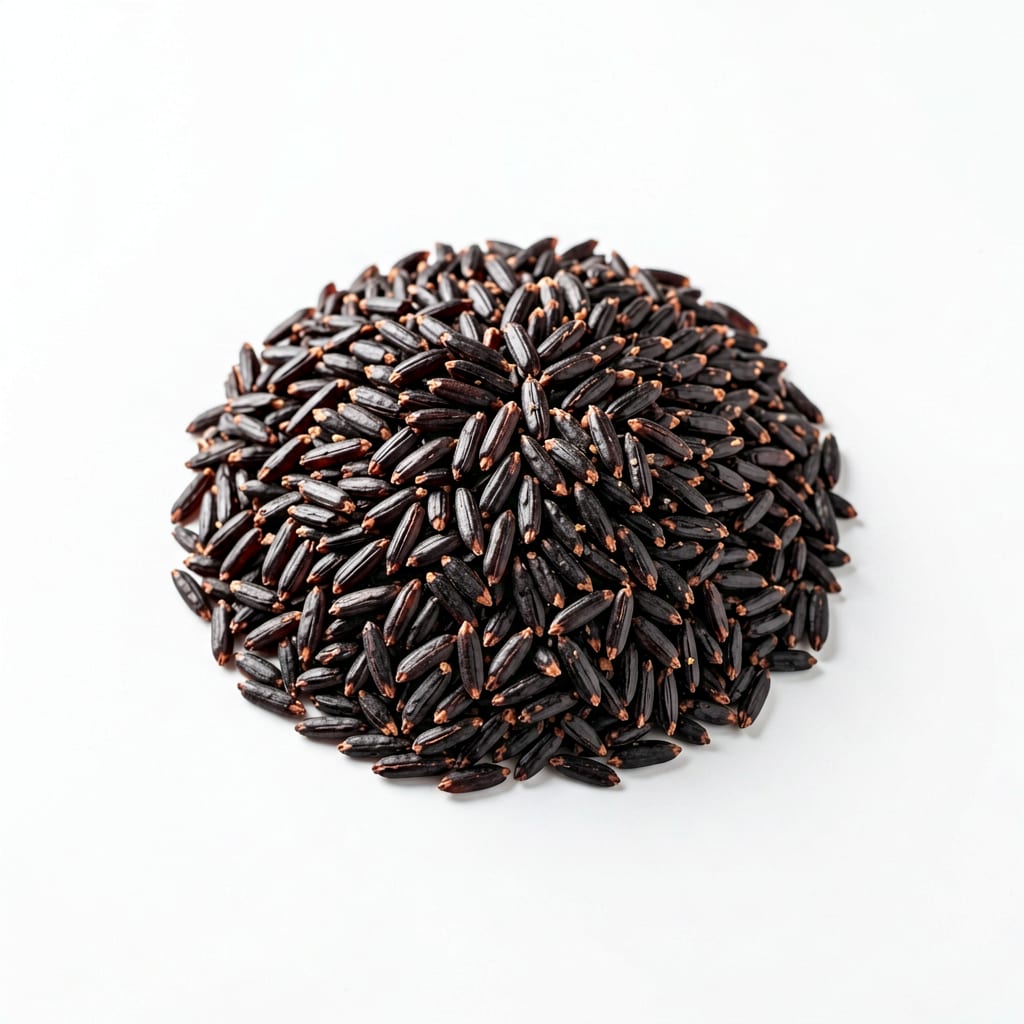
Black Rice
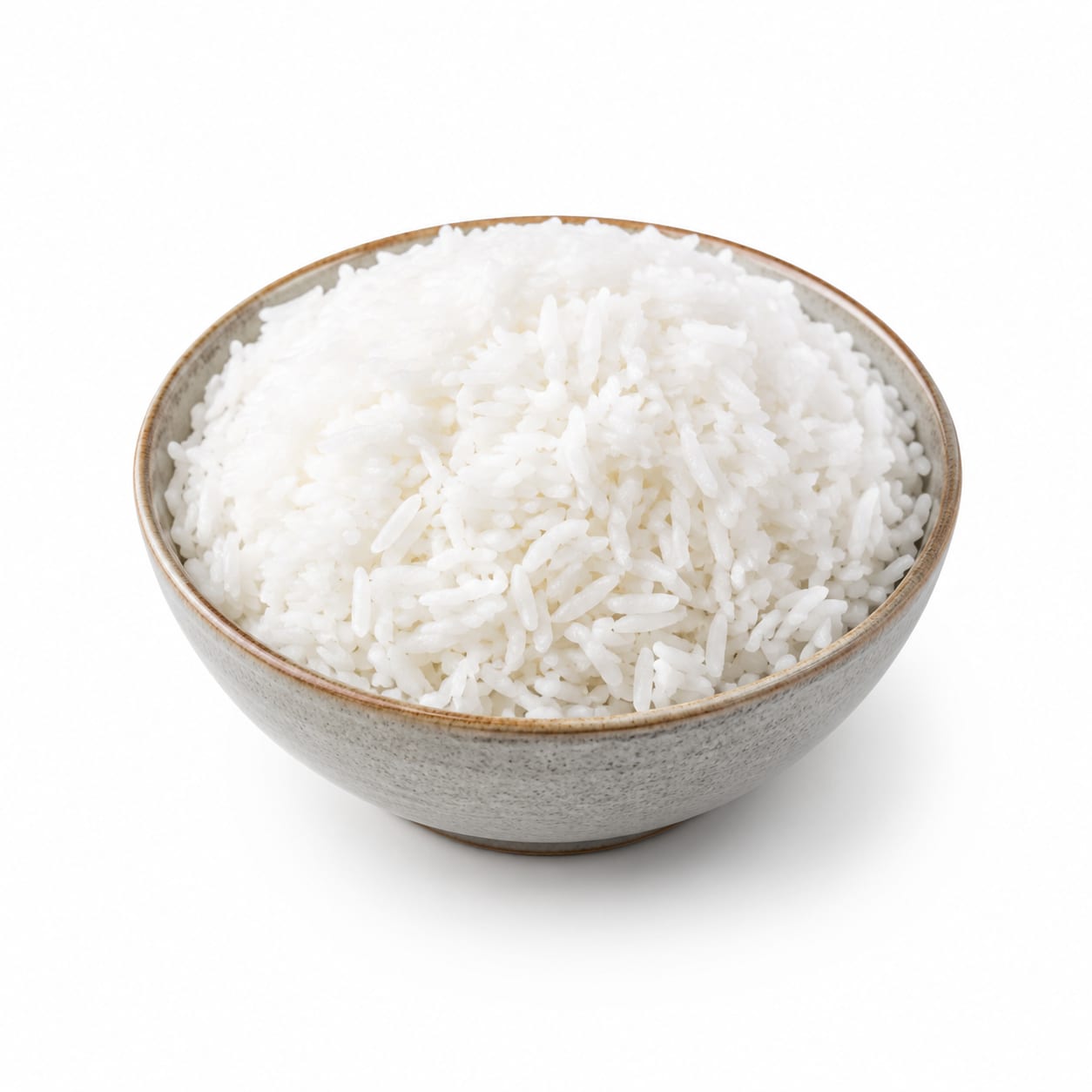
Jasmine Rice
Black Rice dominates nutritionally with far more antioxidants, fiber, and protein, but Jasmine Rice wins on convenience, cost, and cultural authenticity for Asian dishes.
Black Rice scores substantially higher due to its antioxidant content, fiber, protein, and blood sugar benefits. Jasmine Rice remains relevant for convenience and specific culinary uses but offers minimal nutritional advantage beyond quick energy.
You trade quick cooking and neutral flavor for dramatically better blood sugar control and disease-fighting compounds.
At a glance
Executive summary
Overall
Black Rice
Healthier
Black Rice
More practical
Jasmine Rice
Daily use
Black Rice
Key comparison lenses
blood sugar management
These rices have dramatically different glycemic impacts, making this the most critical differentiator for health-conscious users
antioxidant and nutrient density
Black Rice is renowned for anthocyanins while Jasmine Rice is nutritionally sparse, creating a stark contrast
weight management and satiety
Fiber and protein differences directly affect how full you feel and how much you eat
everyday meal versatility
Users want to know if they can swap these in regular cooking without ruining meals
cultural cooking authenticity
Jasmine Rice is irreplaceable in certain cuisines while Black Rice changes dish character significantly
Best choice for
Black Rice
- People managing diabetes or prediabetes
- Anyone seeking antioxidant-rich foods
- Weight-conscious eaters wanting longer fullness
- Those who enjoy nutty, earthy flavors
- Meal preppers who cook grains in batches
Jasmine Rice
- Home cooks making Thai or Southeast Asian dishes
- Busy families needing dinner in 20 minutes
- Budget-conscious shoppers
- People with digestive sensitivity to high-fiber grains
- Athletes needing quick carb refueling post-workout
Least suitable for
Black Rice
- Last-minute weeknight dinners
- Tight grocery budgets
- Dishes requiring a delicate, neutral rice base
- People unfamiliar with cooking whole grain rice
Jasmine Rice
- Blood sugar management
- Antioxidant-focused diets
- High-fiber dietary needs
- Satiety-driven weight loss plans
Deep comparison
Dimension by dimension
Each lens scores both foods and breaks down who each option suits.
- Dimension 1 · Priority 95Black Rice
Blood Sugar Stability
Black Rice · 82Jasmine Rice · 28Black Rice digests slowly thanks to its fiber and intact bran, while Jasmine Rice spikes blood sugar rapidly.
Tradeoff
Jasmine Rice gives you quick energy but crashes you faster. Black Rice keeps energy steadier but feels heavier after eating.
Why it matters
Frequent blood sugar spikes drive cravings, fatigue, and long-term metabolic risk. This is the single biggest health difference between these two grains.
Real-world impact
After a Jasmine Rice meal, you may feel hungry again within 90 minutes. Black Rice can keep you satisfied for 3+ hours.
Black Rice
- Diabetics and prediabetics
- People avoiding afternoon energy crashes
- Those trying to reduce sugar cravings
Better for
- Anyone needing rapid carb absorption after intense training
Worse for
Jasmine Rice
- Endurance athletes mid-event
- Post-workout glycogen replenishment
- Underweight individuals needing easy calories
Better for
- Insulin-resistant individuals
- People prone to reactive hypoglycemia
Worse for
- Dimension 2 · Priority 90Black Rice
Antioxidant and Phytonutrient Content
Black Rice · 94Jasmine Rice · 8Black Rice contains more anthocyanins than blueberries per serving. Jasmine Rice is essentially stripped of protective compounds.
Tradeoff
You eat Black Rice for cellular defense. You eat Jasmine Rice purely for calories and comfort.
Why it matters
Anthocyanins reduce inflammation, protect blood vessels, and may lower cancer risk. This is rare in grain foods.
Real-world impact
Regular Black Rice consumption contributes meaningfully to your daily antioxidant intake. Jasmine Rice contributes almost nothing beyond starch.
Black Rice
- People with inflammatory conditions
- Those seeking anti-aging dietary choices
- Anyone wanting food-as-medicine benefits
Better for
- People who mistakenly overeat it thinking antioxidants cancel out calories
Worse for
Jasmine Rice
- Situations where neutral flavor matters more than nutrition
Better for
- Long-term health optimization
- Chronic disease prevention diets
Worse for
- Dimension 3 · Priority 85Black Rice
Satiety and Fullness
Black Rice · 80Jasmine Rice · 35Black Rice has roughly 3x more fiber and 50% more protein than Jasmine Rice, making it significantly more filling.
Tradeoff
Black Rice keeps you full longer but feels denser in the stomach. Jasmine Rice feels lighter but leaves you hungry sooner.
Why it matters
Satiety directly controls how much you eat at subsequent meals. Low-satiety foods silently drive overeating.
Real-world impact
A cup of Black Rice at lunch can prevent the 3pm snack attack. Jasmine Rice often cannot.
Black Rice
- Weight loss efforts
- People who skip meals and need lasting energy
- Reducing between-meal snacking
Better for
- Right before intense exercise when you want light digestion
Worse for
Jasmine Rice
- Light pre-workout meals
- People with small appetites who need to eat enough
- Recovery from illness when digestion is weak
Better for
- Portion control challenges
- Emotional eaters who keep going back for more
Worse for
- Dimension 4 · Priority 80Jasmine Rice
Convenience and Cooking Practicality
Black Rice · 35Jasmine Rice · 90Jasmine Rice cooks in 15-20 minutes. Black Rice takes 35-45 minutes and benefits from overnight soaking.
Tradeoff
Jasmine Rice is weeknight-friendly. Black Rice requires planning or batch cooking to be practical.
Why it matters
Inconvenient healthy foods often get abandoned. Black Rice demands more effort, which matters for consistency.
Real-world impact
On a busy Tuesday, Jasmine Rice gets dinner done. Black Rice might push you toward takeout instead.
Black Rice
- Meal preppers who cook once for the week
- Weekend cooking sessions
Better for
- Spontaneous cooking
- Last-minute meal situations
Worse for
Jasmine Rice
- Weeknight family dinners
- Cooking beginners
- Time-pressed professionals
Better for
- Situations where nutritional quality is the priority
Worse for
- Dimension 5 · Priority 70It depends
Culinary Versatility and Flavor
Black Rice · 65Jasmine Rice · 72Jasmine Rice is a neutral canvas that works everywhere. Black Rice has a distinct nutty flavor and striking color that shines in some dishes but clashes in others.
Tradeoff
Jasmine Rice disappears into any cuisine. Black Rice makes a statement, which is either exciting or distracting.
Why it matters
Food has to taste good for you to keep eating it. The wrong rice can ruin a carefully prepared dish.
Real-world impact
Jasmine Rice with Thai curry feels right. Black Rice with the same curry feels like a different meal entirely. But Black Rice in grain bowls and salads is stunning.
Black Rice
- Grain bowls and salad bowls
- Desserts like black rice pudding
- Visually impressive dinner party dishes
Better for
- Traditional Southeast Asian recipes
- Dishes requiring sticky, clingy rice texture
Worse for
Jasmine Rice
- Thai, Vietnamese, and Lao cuisine
- Curries where rice should absorb sauce neutrally
- Sushi-adjacent dishes
- Pickier eaters who avoid unfamiliar textures
Better for
- Meals where you want the grain to contribute nutritional value
- Visually striking presentation plates
Worse for
- Dimension 6 · Priority 65Jasmine Rice
Cost and Accessibility
Black Rice · 30Jasmine Rice · 85Jasmine Rice is affordable and available everywhere. Black Rice costs 2-4x more and requires specialty stores or online ordering.
Tradeoff
Jasmine Rice fits any budget. Black Rice is an investment that may not be sustainable for large families.
Why it matters
The healthiest food only works if you can afford to keep buying it.
Real-world impact
Feeding a family of four on Black Rice daily could double your grain budget compared to Jasmine Rice.
Black Rice
- Smaller households
- People who eat rice occasionally rather than daily
Better for
- Tight food budgets
- Bulk cooking for crowds
Worse for
Jasmine Rice
- Large families
- Food banks and budget cooking
- Rural areas with limited specialty store access
Better for
- Those willing to invest more in health-optimizing foods
Worse for
Timeline
Health impact over time
Short-term
Hours to days
Black Rice
- Steadier energy for 3-4 hours after eating
- Feeling comfortably full rather than stuffed then empty
- Slightly heavier digestion if you are not used to high-fiber grains
Jasmine Rice
- Quick energy surge within 30 minutes
- Hunger returning within 1-2 hours
- Light comfortable feeling immediately after eating
Long-term
Months to years
Black Rice
- Better blood sugar regulation over months and years
- Meaningful antioxidant intake contributing to reduced inflammation
- Improved digestive regularity from consistent fiber intake
- Potential cardiovascular benefits from anthocyanins
Jasmine Rice
- Risk of worsening insulin resistance with frequent consumption
- Minimal nutritional contribution beyond caloric energy
- Possible contribution to chronic low-grade inflammation
- Convenience may support consistent home cooking over takeout
Risk profile
Safety & processing
Both are whole or milled grains without additives. However, Jasmine Rice is polished to remove the bran and germ, stripping away most nutrients. Black Rice retains its outer layers, which is where its color and health benefits live. Neither contains artificial ingredients, but Black Rice is closer to its natural state.
Black Rice
Arsenic contamination
mediumRice naturally accumulates arsenic more than other grains. Black Rice may retain more arsenic in its bran layer. Rinsing thoroughly and cooking with excess water reduces this significantly.
Mycotoxin exposure from improper storage
lowWhole grain rice retains oils that can go rancid or develop mold if stored in warm, humid conditions. Keep in airtight containers in cool, dry places.
Jasmine Rice
Arsenic contamination
mediumAll rice contains some arsenic. Polished Jasmine Rice may have slightly less in the grain body but also lacks the fiber that helps bind and eliminate toxins in the digestive tract.
Nutrient depletion from polishing
lowNot a safety risk per se, but the milling process removes vitamins and minerals, making Jasmine Rice a less nourishing staple for populations relying on it heavily.
Who wins for whom
Audience fit
Same foods, different winners depending on your goal.
children
It dependsJasmine Rice is easier for kids to eat and more familiar, but Black Rice offers nutrients growing bodies benefit from. Mix both for a compromise.
daily consumption
Black RiceThe cumulative benefit of antioxidants, fiber, and better blood sugar control makes Black Rice the superior daily staple if cost and cooking time are manageable.
diabetes
Black RiceSignificantly lower glycemic impact and more fiber slow glucose absorption, making blood sugar management much easier.
elderly
It dependsJasmine Rice is gentler on sensitive digestion, but Black Rice provides nutrients that support cardiovascular and cognitive health. Tolerance varies by individual.
muscle gain
Jasmine RiceFaster-digesting carbs around workouts support glycogen replenishment when timing matters more than micronutrients.
weight loss
Black RiceHigher fiber and protein keep you full longer, reducing overall calorie intake throughout the day.
Your move
Decision guide
Choose Black Rice
- You want to prevent blood sugar crashes and cravings
- Antioxidant intake is a priority for your health goals
- You are willing to batch cook on weekends
- You enjoy nutty, earthy flavors in your grains
- You are managing a chronic condition like diabetes or metabolic syndrome
Choose Jasmine Rice
- You cook Thai, Vietnamese, or Lao food regularly
- Weeknight speed matters more than nutritional optimization
- You are feeding picky eaters or children unfamiliar with whole grains
- Budget is a primary concern
- You need gentle, easily digestible carbs after illness or intense training
Either works if
- You rotate grains throughout the week anyway
- You eat rice only occasionally as a side dish
- Both fit your cooking style in different meals
Avoid both if
- You have a confirmed rice allergy or sensitivity
- You are strictly limiting arsenic exposure and prefer lower-arsenic grains like quinoa or millet
- You are following a grain-free or strict ketogenic diet
Final recommendation
Make Black Rice your default for health reasons, but keep Jasmine Rice for dishes where it belongs culturally and flavor-wise. A practical approach: cook a large batch of Black Rice for weekday lunches and grain bowls, and use Jasmine Rice for Thai curries and weekend dinners. This gives you the best of both worlds without forcing an all-or-nothing choice.
Practical
Consumer tips
- 1
Reduce arsenic in both rices by rinsing thoroughly before cooking and using a 6:1 water-to-rice ratio, then draining excess water
- 2
Soak Black Rice overnight to cut cooking time in half and improve texture
- 3
Mix Black Rice and Jasmine Rice together for a compromise that adds some nutrients while keeping a familiar texture
- 4
Store Black Rice in the refrigerator or freezer to prevent the natural oils in the bran from going rancid
- 5
Black Rice turns cooking water deep purple — this is normal and contains the valuable anthocyanins, so use it in soups or drinks
- 6
If transitioning from Jasmine Rice, start with a 25/75 mix and gradually shift the ratio as your palate adjusts