
Nutrition comparison
Black Rice vs Buckwheat: Which is Healthier?
Compare Black Rice and Buckwheat for antioxidants, blood sugar control, and weight loss. Find out which gluten-free grain is best for your diet.
Overall winner · Buckwheat
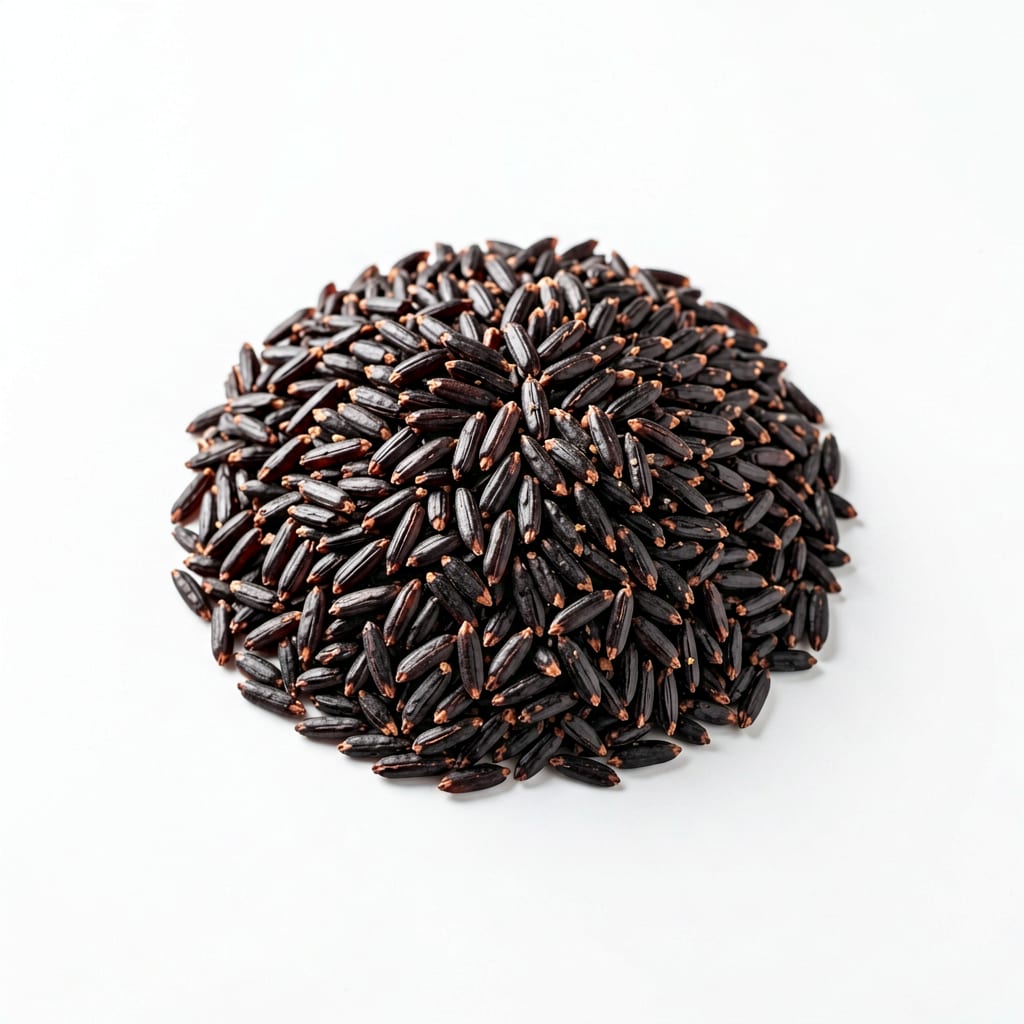
Black Rice
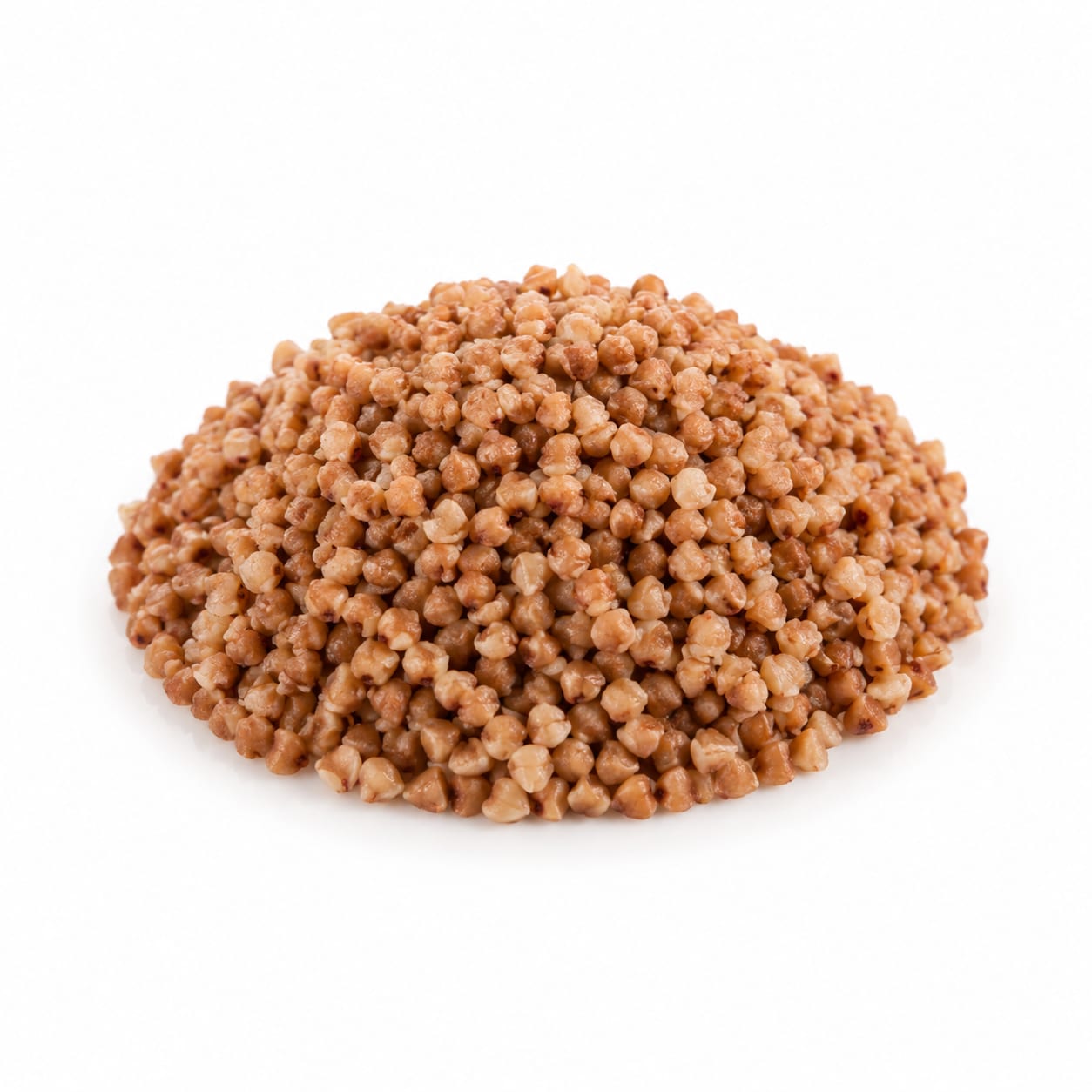
Buckwheat
Buckwheat is the better everyday grain for blood sugar and minerals, while Black Rice is a stunning antioxidant side dish.
Buckwheat scores higher due to its superior blood sugar stability, mineral density, and everyday versatility, though Black Rice remains an antioxidant powerhouse.
You trade Black Rice's deep purple antioxidants for Buckwheat's steadier energy and broader mineral profile.
At a glance
Executive summary
Overall
Buckwheat
Healthier
Buckwheat
More practical
Buckwheat
Daily use
Buckwheat
Key comparison lenses
Antioxidant and anti-inflammatory benefits
Black Rice is famous for its anthocyanin content, while Buckwheat provides rutin, making this a clash of two powerful but different antioxidant profiles.
Blood sugar control and insulin resistance
Buckwheat is renowned for its low glycemic index and D-chiro-inositol, which directly helps manage blood sugar compared to other carb sources.
Gluten-free grain alternatives
Both are naturally gluten-free, making them top contenders for anyone avoiding wheat, though their culinary uses differ significantly.
Best choice for
Black Rice
- People wanting a massive antioxidant boost
- Those looking for a visually striking side dish
- Anyone avoiding the rare buckwheat allergy
Buckwheat
- People managing blood sugar or insulin resistance
- Those needing a magnesium-rich diet for cramps or sleep
- Anyone wanting a versatile grain alternative for breakfast or baking
Least suitable for
Black Rice
- Those eating rice daily who are concerned about arsenic
- People wanting a quick-cooking breakfast grain
Buckwheat
- Those with a known buckwheat allergy
- People wanting a neutral-colored side dish
Deep comparison
Dimension by dimension
Each lens scores both foods and breaks down who each option suits.
- Dimension 1 · Priority 90Black Rice
Antioxidant & Anti-Inflammatory Power
Black Rice · 95Buckwheat · 80Black Rice delivers a deep purple anthocyanin punch that rivals blueberries, while Buckwheat relies on rutin for blood vessel support.
Tradeoff
You get more cellular protection from Black Rice, but Buckwheat offers more targeted circulatory benefits.
Why it matters
Anthocyanins fight oxidative stress and aging, while rutin strengthens capillary walls and improves circulation.
Real-world impact
Eating Black Rice feels like eating a superfood side dish, whereas Buckwheat feels like a heart-healthy, grounding meal.
Black Rice
- Fighting cellular aging
- Reducing systemic inflammation
Better for
- Targeted vascular support
Worse for
Buckwheat
- Supporting vein health
- Improving blood circulation
Better for
- Broad-spectrum antioxidant load
Worse for
- Dimension 2 · Priority 88Buckwheat
Blood Sugar Control & Satiety
Black Rice · 78Buckwheat · 92Buckwheat has a lower glycemic index and contains D-chiro-inositol, making it superior for blood sugar management.
Tradeoff
Buckwheat keeps your blood sugar steadier and keeps you full longer, while Black Rice provides energy but with a slightly higher glycemic impact.
Why it matters
Stable blood sugar means fewer afternoon energy crashes and less cravings.
Real-world impact
A Buckwheat breakfast will keep you full until lunch, while Black Rice might leave you hungry a bit sooner.
Black Rice
- Quick energy replenishment after activity
Better for
- Sustained satiety
Worse for
Buckwheat
- Managing insulin resistance
- Staying full between meals
Better for
- Rapid energy replenishment
Worse for
- Dimension 3 · Priority 82Buckwheat
Mineral Density & Heart Health
Black Rice · 75Buckwheat · 88Buckwheat is significantly richer in magnesium, copper, and manganese, which are crucial for energy production and bone health.
Tradeoff
Buckwheat gives you more minerals per bite, while Black Rice focuses its benefits on antioxidants rather than minerals.
Why it matters
Magnesium helps with sleep, muscle cramps, and stress resilience—areas many people are deficient in.
Real-world impact
Eating Buckwheat regularly can help with muscle tension and sleep quality, while Black Rice is more about long-term disease prevention.
Black Rice
- General disease prevention
Better for
- Correcting mineral deficiencies
Worse for
Buckwheat
- Improving sleep quality
- Reducing muscle cramps
Better for
- Broad disease prevention via antioxidants
Worse for
- Dimension 4 · Priority 75Buckwheat
Culinary Versatility & Convenience
Black Rice · 70Buckwheat · 85Buckwheat cooks faster, works as a porridge, and can be ground into flour for pancakes and noodles, while Black Rice is mostly a side dish.
Tradeoff
Buckwheat fits into more meals and recipes, whereas Black Rice is more limited but offers a striking visual presentation.
Why it matters
A food you can use for breakfast, lunch, and dinner is much easier to incorporate into a weekly routine.
Real-world impact
You can whip up Buckwheat pancakes on a busy morning, but Black Rice is usually reserved for dinner bowls.
Black Rice
- Visual appeal for dinner parties
- Sushi alternatives
Better for
- Breakfast applications
- Baking versatility
Worse for
Buckwheat
- Quick breakfasts
- Gluten-free baking
- Fast weeknight dinners
Better for
- Visual presentation
Worse for
Timeline
Health impact over time
Short-term
Hours to days
Black Rice
- Provides steady, slow-burning energy
- Offers a satisfying, chewy texture that makes meals feel substantial
Buckwheat
- Stabilizes blood sugar to prevent afternoon crashes
- Keeps you feeling full for hours due to high resistant starch
Long-term
Months to years
Black Rice
- Protects cells from oxidative damage and aging
- Supports heart health through anthocyanins
Buckwheat
- Improves insulin sensitivity over time
- Strengthens blood vessels and reduces the risk of varicose veins
Risk profile
Safety & processing
Both Black Rice and Buckwheat are whole, unrefined foods with minimal processing, making them clean choices for any diet.
Black Rice
Arsenic exposure
mediumLike all rice, Black Rice can contain arsenic, so it should be rinsed and varied with other grains rather than eaten at every meal.
Buckwheat
Buckwheat allergy
mediumThough rare, buckwheat allergy can cause severe reactions in some individuals, especially in Asia where it is more commonly consumed.
Gluten cross-contamination
lowAlways check labels if you need strict gluten-free, as buckwheat is often processed in facilities that handle wheat.
Who wins for whom
Audience fit
Same foods, different winners depending on your goal.
children
Black RiceBlack Rice turns a fun purple color when cooked, making it more appealing to kids, and avoids the rare but serious buckwheat allergy.
daily consumption
BuckwheatBuckwheat offers better blood sugar stability and a broader mineral profile for everyday eating without the arsenic concerns of daily rice.
diabetes
BuckwheatBuckwheat contains D-chiro-inositol, which helps improve insulin sensitivity and lower blood sugar spikes.
elderly
BuckwheatThe rutin in Buckwheat supports vein and capillary health, which is a common concern with aging.
muscle gain
It dependsBoth are carbohydrate sources with modest protein; neither is a primary muscle-building food without added protein.
weight loss
BuckwheatBuckwheat has more resistant starch and protein, keeping you fuller longer and reducing cravings.
Your move
Decision guide
Choose Black Rice
- You want a vibrant, antioxidant-rich side dish for meats or veggies.
- You are feeding kids who might enjoy the dramatic purple color.
- You have a known sensitivity or allergy to buckwheat.
Choose Buckwheat
- You want a satisfying breakfast porridge or granola base.
- You need better blood sugar control and insulin sensitivity.
- You want a flour alternative for gluten-free baking or pancakes.
Either works if
- You just need a healthy, gluten-free carb source for a grain bowl.
- You are rotating grains to diversify your microbiome.
Avoid both if
- You are on a strict ketogenic or very low-carb diet.
Final recommendation
Let Black Rice be your special-occasion superfood side, but keep Buckwheat as your daily driver for steady energy and metabolic health.
Practical
Consumer tips
- 1
Soak Black Rice overnight to reduce cooking time and lower any arsenic content.
- 2
Rinse Buckwheat groats well before cooking to remove the bitter powdery coating.
- 3
Toast Buckwheat in a dry pan for a few minutes before boiling to bring out a rich, nutty flavor.
- 4
Mix Black Rice with white rice if the chewy texture or strong color is too intense on its own.