
Nutrition comparison
Black Rice vs Brown Rice: Which is Healthier?
Compare Black Rice vs Brown Rice to see which whole grain offers better antioxidants, fiber, and blood sugar control for your diet.
Overall winner · Black Rice
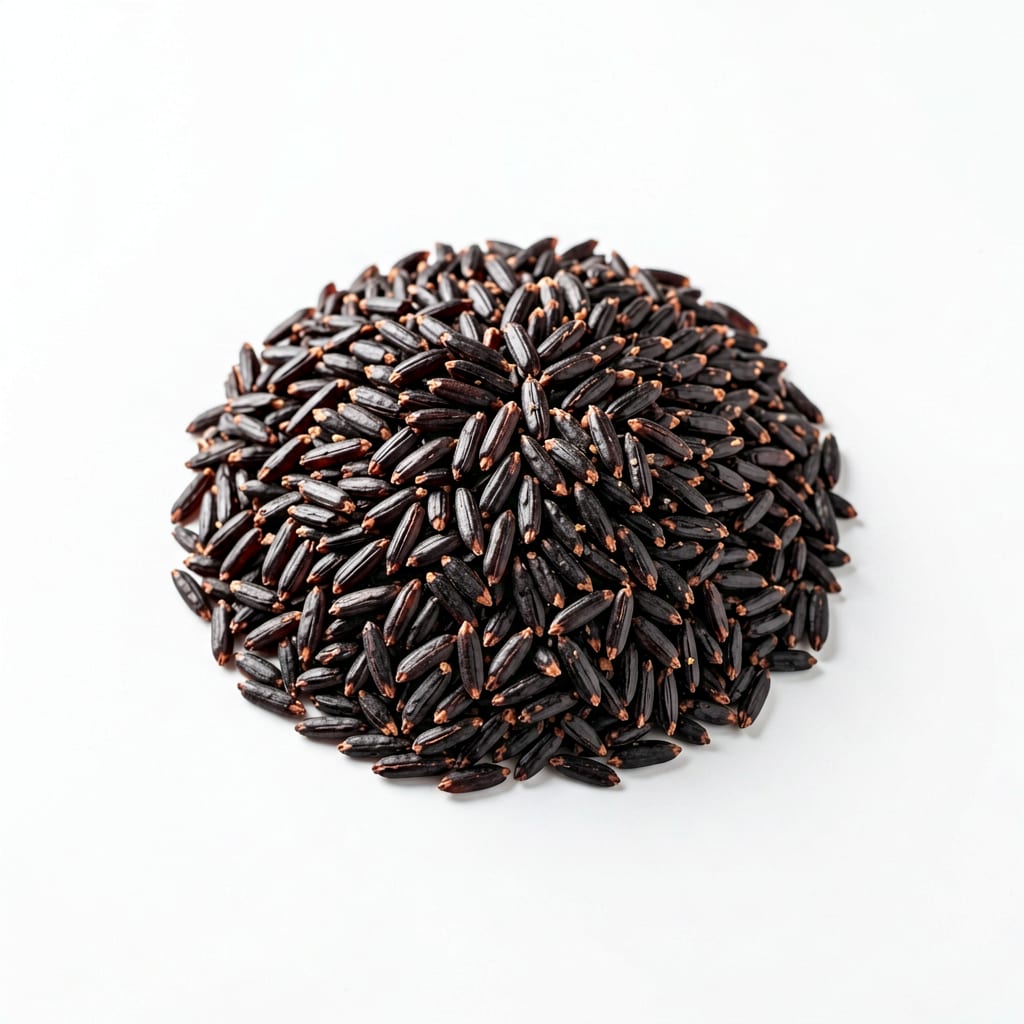
Black Rice
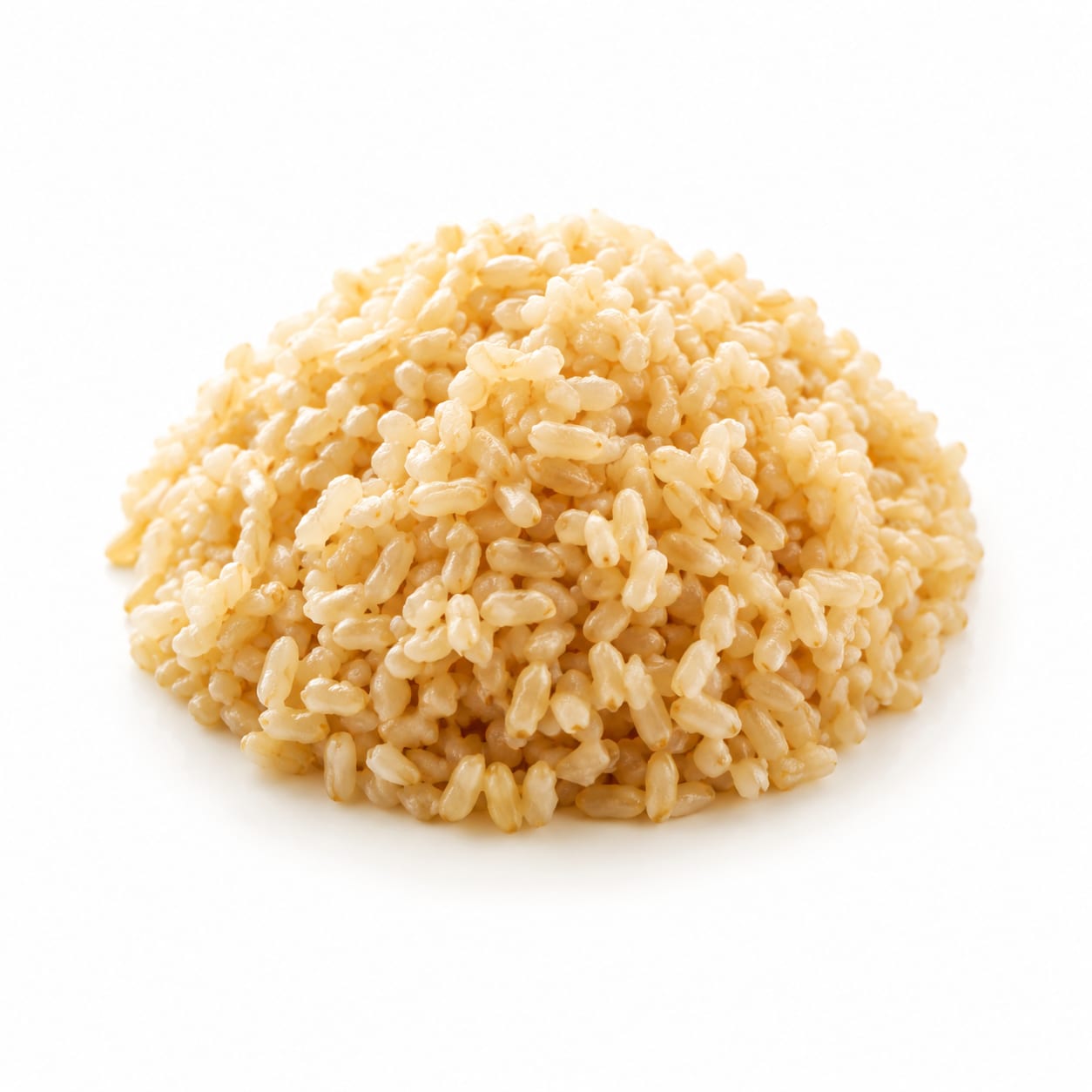
Brown Rice
Black Rice offers a massive antioxidant upgrade over Brown Rice, though Brown Rice remains a solid, budget-friendly whole grain staple.
Black Rice scores higher due to its exceptional antioxidant profile and slightly better macronutrient ratio, but Brown Rice remains a highly practical and nutritious choice.
You trade higher cost and slightly less convenience for a dramatic boost in antioxidants and a bit more protein and fiber.
At a glance
Executive summary
Overall
Black Rice
Healthier
Black Rice
More practical
Brown Rice
Daily use
It depends
Key comparison lenses
Antioxidant density and inflammation
Black Rice is uniquely famous for its anthocyanin content, which drastically separates it from Brown Rice nutritionally.
Blood sugar management
Both are whole grains, but users often want to know which keeps blood sugar steadier.
Budget and practicality
Brown Rice is a cheap staple, while Black Rice is often priced as a specialty item.
Best choice for
Black Rice
- Fighting chronic inflammation
- Maximizing nutrient density per calorie
- Adding visual appeal and variety to meals
Brown Rice
- Budget-friendly meal prep
- Easily accessible whole grain baseline
- Familiar family dinners
Least suitable for
Black Rice
- Tight grocery budgets
- Quick weeknight cooking requiring fast prep
Brown Rice
- Maximizing antioxidant intake
- Seeking the absolute highest fiber whole grain
Deep comparison
Dimension by dimension
Each lens scores both foods and breaks down who each option suits.
- Dimension 1 · Priority 95Black Rice
Antioxidant & Anti-inflammatory Power
Black Rice · 95Brown Rice · 45Black Rice is packed with anthocyanins—the same antioxidants found in blueberries—while Brown Rice has far fewer.
Tradeoff
You pay a premium for Black Rice, but the inflammation-fighting benefits are substantially higher.
Why it matters
Chronic inflammation drives aging and disease; anthocyanins help combat this daily wear and tear.
Real-world impact
Eating Black Rice regularly can support long-term heart and brain health similar to eating dark berries.
Black Rice
- Reducing oxidative stress
- Supporting cardiovascular health
- Anti-aging benefits
Better for
- Those on a strict budget might find daily use costly
Worse for
Brown Rice
- Maintaining basic whole grain benefits without the premium price
Better for
- Missing out on the deep antioxidant protection purple and blue foods offer
Worse for
- Dimension 2 · Priority 80Black Rice
Satiety & Blood Sugar Control
Black Rice · 82Brown Rice · 78Both are whole grains that digest slowly, but Black Rice has slightly more fiber and protein, keeping you full a bit longer.
Tradeoff
The difference is modest; both are excellent for steady energy compared to white rice.
Why it matters
Avoiding blood sugar spikes prevents the afternoon crash and cravings.
Real-world impact
A bowl of either rice will keep you satisfied for hours, but Black Rice might delay your next meal slightly more.
Black Rice
- Slightly better blood sugar stabilization
- Longer-lasting fullness
Better for
- Not a massive enough difference to switch if you dislike the taste
Worse for
Brown Rice
- Still excellent for steady energy
- Easier to find in bulk for consistent meal prep
Better for
- Slightly less fiber means a tiny bit faster digestion
Worse for
- Dimension 3 · Priority 75Brown Rice
Practicality & Cost
Black Rice · 50Brown Rice · 90Brown Rice is cheap, everywhere, and easy to batch cook. Black Rice is pricier and harder to find.
Tradeoff
You sacrifice convenience and budget to get the nutritional edge of Black Rice.
Why it matters
The healthiest food only works if you can afford and access it consistently.
Real-world impact
Brown Rice is a staple you can buy anywhere; Black Rice might require a trip to a specialty store or online order.
Black Rice
- Special occasion meals
- Upgrading a dinner party dish
Better for
- Cost-prohibitive for daily use for some households
Worse for
Brown Rice
- Weekly meal prep
- Feeding a large family on a budget
Better for
- Less visually striking on the plate
Worse for
Timeline
Health impact over time
Short-term
Hours to days
Black Rice
- Sustained energy without a crash
- Feeling comfortably full for hours
- Slightly sweeter, nuttier flavor profile
Brown Rice
- Steady, reliable energy
- Comforting and familiar taste
- Easy on the digestive system
Long-term
Months to years
Black Rice
- Stronger protection against cellular aging
- Better inflammatory markers
- Improved cardiovascular health
Brown Rice
- Solid baseline of whole grain health benefits
- Easier weight maintenance
- Lower risk of type 2 diabetes
Risk profile
Safety & processing
Both are whole grains with only the inedible outer hull removed, keeping them natural and completely free from additives.
Black Rice
Arsenic contamination
mediumLike all rice, Black Rice can accumulate arsenic from soil and water. Rinsing thoroughly and cooking in excess water reduces this risk.
Brown Rice
Arsenic contamination
mediumBrown Rice tends to have higher arsenic levels than white rice because arsenic accumulates in the bran layer. Rinsing and cooking in extra water helps.
Who wins for whom
Audience fit
Same foods, different winners depending on your goal.
children
Brown RiceBrown Rice is milder in flavor and more likely to be accepted by picky eaters, plus it is cheaper if food gets wasted.
daily consumption
It dependsBlack Rice is nutritionally superior for daily use, but Brown Rice is more practical and affordable for everyday meals on a budget.
diabetes
Black RiceThe extra fiber and anthocyanins in Black Rice help slightly more with blood sugar regulation and reducing diabetic complications.
elderly
Black RiceThe high antioxidant content in Black Rice supports cognitive health and reduces inflammation, which is crucial as we age.
muscle gain
It dependsBoth provide similar carbohydrate fuel for workouts; protein differences are minimal and insufficient as a primary protein source.
weight loss
Black RiceSlightly more fiber and protein helps keep you fuller on fewer calories, making it easier to stick to a deficit.
Your move
Decision guide
Choose Black Rice
- You want maximum antioxidant power from your carbs
- Budget is not a primary constraint
- You enjoy nuttier, richer flavors and striking plate presentation
Choose Brown Rice
- You need an affordable, reliable whole grain staple
- You are meal-prepping for the week in large batches
- You prefer a milder flavor that takes on other tastes easily
Either works if
- You just need a steady-energy carb source
- You are mixing rice into a heavily seasoned dish where the rice flavor is hidden
Avoid both if
- You are highly sensitive to arsenic and need a low-arsenic carb like quinoa or oats
Final recommendation
If your budget allows, swap Brown Rice for Black Rice a few times a week to get a massive antioxidant upgrade without sacrificing whole grain benefits. Keep Brown Rice as your affordable daily driver.
Practical
Consumer tips
- 1
Mix Black Rice and Brown Rice together to balance cost, nutrition, and texture.
- 2
Always rinse rice thoroughly before cooking to lower arsenic levels.
- 3
Cook Black Rice with a little extra water and time; it takes slightly longer than Brown Rice to soften.
- 4
Add a splash of vinegar or lemon juice while cooking to help preserve the vibrant anthocyanins in Black Rice.