
Nutrition comparison
Black Rice vs Basmati Rice: Nutrition, Antioxidants, and Arsenic Risk
Compare Black Rice vs Basmati Rice to see which is healthier. Learn about antioxidant levels, blood sugar impact, arsenic risk, and the best choice for your diet.
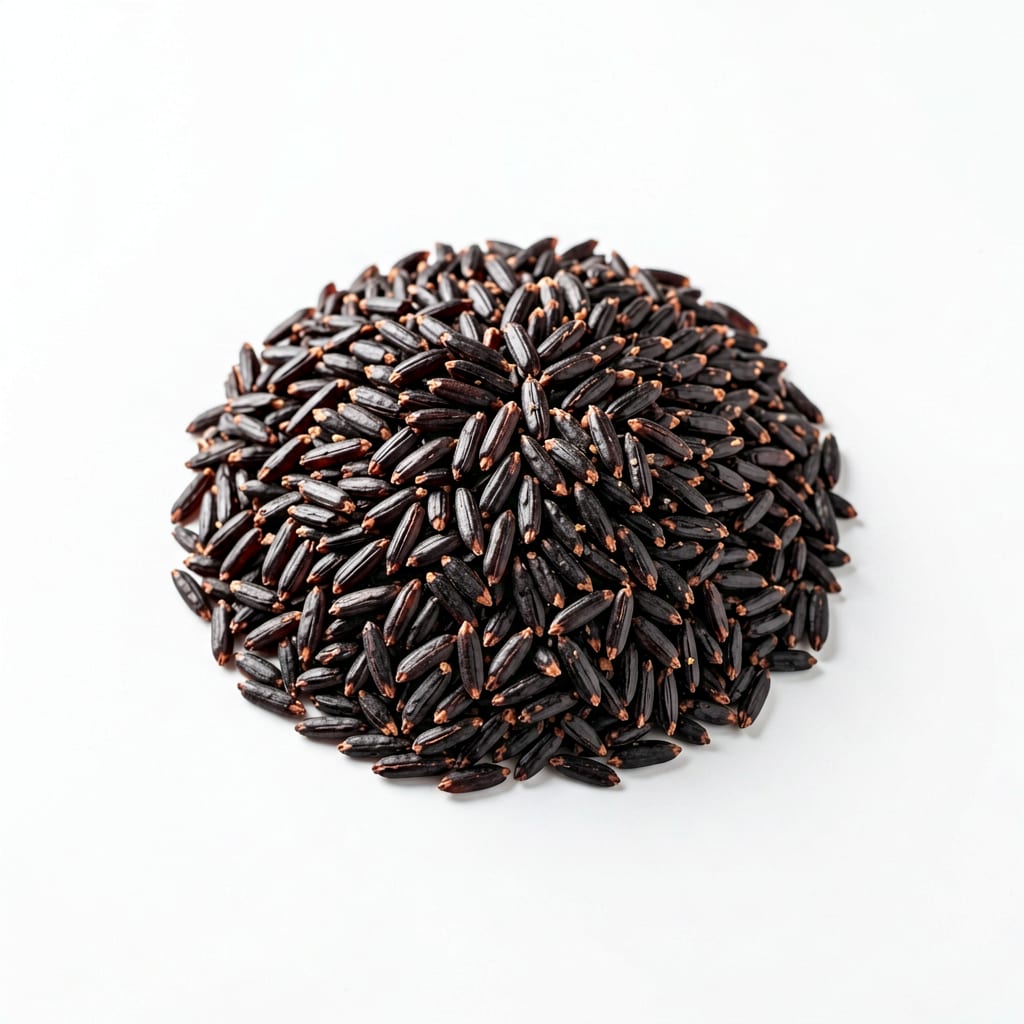
Black Rice
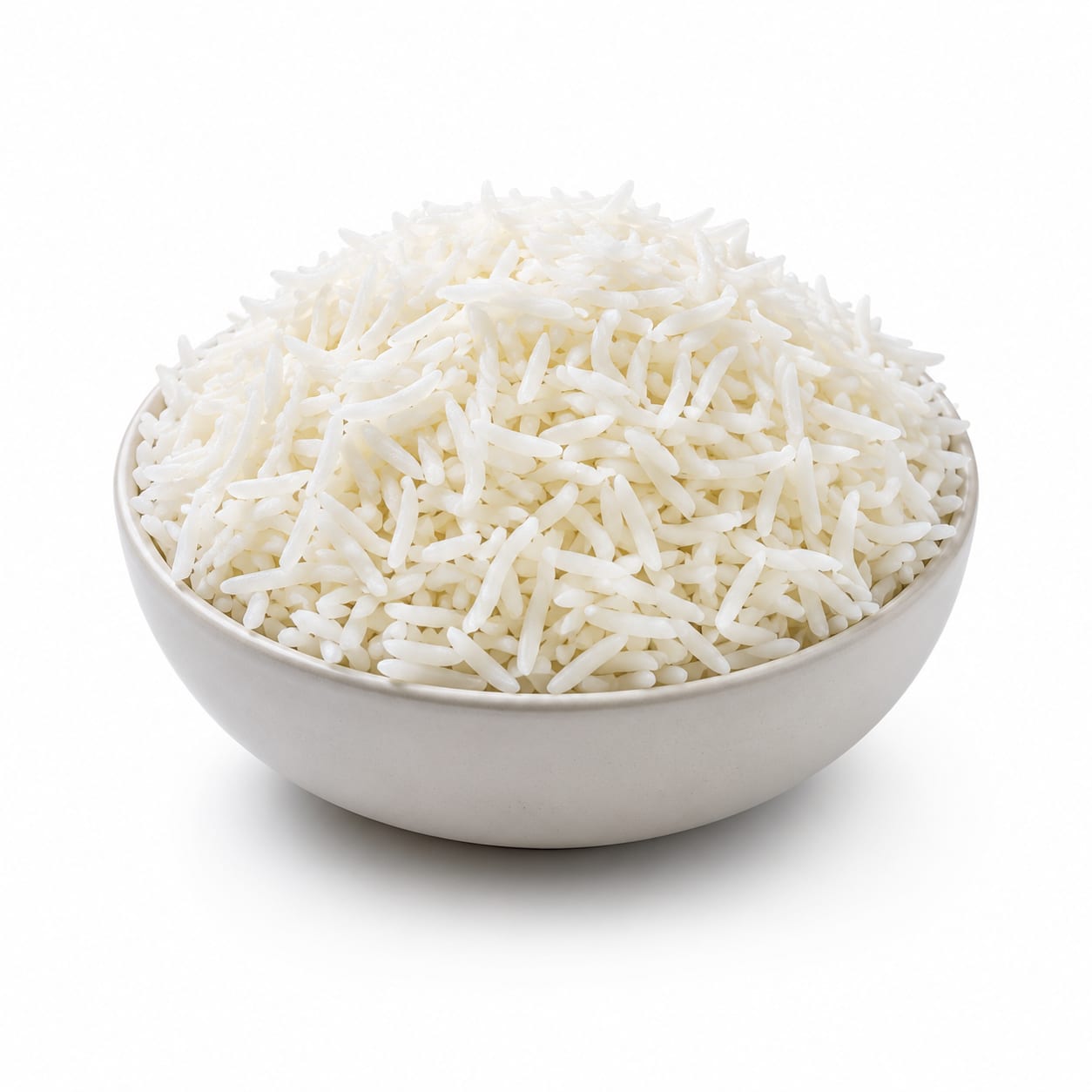
Basmati Rice
Black Rice is a nutrient powerhouse with superior antioxidants and fiber, while Basmati Rice offers lighter digestion and faster cooking.
Black Rice scores higher due to its exceptional antioxidant profile and fiber content, but Basmati Rice remains relevant for its digestibility and lower arsenic risk.
You trade the deep antioxidant benefits and steadier energy of Black Rice for the quick-cooking, stomach-friendly lightness of Basmati Rice.
At a glance
Executive summary
Overall
It depends
Healthier
Black Rice
More practical
Basmati Rice
Daily use
It depends
Key comparison lenses
Antioxidant superiority and nutrient density
Black Rice is famous for its anthocyanin content, which completely changes its nutritional profile compared to white Basmati Rice.
Blood sugar impact and satiety
Whole grain versus refined grain creates a major difference in how these rices affect energy and hunger.
Arsenic and heavy metal exposure
Rice is a known source of arsenic, and the bran layer in Black Rice changes the risk profile compared to polished Basmati Rice.
Digestive comfort and tolerance
Fiber-rich whole grains can be harder to digest for sensitive stomachs, making Basmati Rice a common comfort food.
Cooking convenience and time
Black Rice takes significantly longer to cook, impacting real-world meal choices on busy days.
Best choice for
Black Rice
- Antioxidant boost
- Blood sugar management
- High-fiber diets
Basmati Rice
- Quick weeknight dinners
- Sensitive stomachs
- Low-arsenic diets
Least suitable for
Black Rice
- People needing easy digestion
- Rushed weeknight meals
Basmati Rice
- Low-glycemic diets
- Maximizing nutrient density
Deep comparison
Dimension by dimension
Each lens scores both foods and breaks down who each option suits.
- Dimension 1 · Priority 95Black Rice
Antioxidant & Nutrient Density
Black Rice · 95Basmati Rice · 40Black Rice is packed with anthocyanins, giving it a massive antioxidant edge over Basmati Rice.
Tradeoff
You get far more disease-fighting compounds in Black Rice, but sacrifice the neutral flavor profile of Basmati Rice.
Why it matters
Antioxidants combat cellular damage and inflammation, supporting long-term health.
Real-world impact
Eating Black Rice regularly is like getting a subtle, long-term upgrade to your body's defense system.
Black Rice
- Fighting inflammation
- Long-term cellular health
Better for
- Dishes needing a neutral base
Worse for
Basmati Rice
- Mild flavor pairings
- Picky eaters
Better for
- Maximizing micronutrient intake
Worse for
- Dimension 2 · Priority 90Black Rice
Blood Sugar & Satiety
Black Rice · 82Basmati Rice · 55Black Rice digests slower, keeping blood sugar steadier and hunger at bay longer than Basmati Rice.
Tradeoff
Black Rice keeps you fuller for longer, but Basmati Rice provides quicker energy if you need a fast carb boost.
Why it matters
Stable blood sugar prevents the afternoon energy crash and reduces cravings.
Real-world impact
A Black Rice lunch means you are less likely to snack before dinner.
Black Rice
- Avoiding afternoon crashes
- Weight management
Better for
- Needing rapid energy replenishment
Worse for
Basmati Rice
- Pre-workout quick energy
- Post-workout glycogen refill
Better for
- Managing sugar spikes
Worse for
- Dimension 3 · Priority 75Basmati Rice
Digestive Tolerance & Comfort
Black Rice · 60Basmati Rice · 90Basmati Rice is much easier on the stomach, making it a go-to for sensitive digestion.
Tradeoff
Basmati Rice offers a light, comforting meal, while Black Rice's bran can be harder to break down.
Why it matters
Heavy meals can cause bloating or sluggishness, especially for sensitive GI tracts.
Real-world impact
If your stomach is upset, Basmati Rice is the comforting choice that goes down easy.
Black Rice
- Promoting gut motility via fiber
Better for
- Irritable bowel flare-ups
Worse for
Basmati Rice
- Upset stomach recovery
- Light pre-workout meals
Better for
- Constipation prevention
Worse for
- Dimension 4 · Priority 85Basmati Rice
Heavy Metal & Arsenic Exposure
Black Rice · 50Basmati Rice · 75White Basmati Rice generally contains less arsenic than whole grain Black Rice, as arsenic accumulates in the bran.
Tradeoff
Choosing Basmati Rice lowers your arsenic exposure but means missing out on the fiber-rich bran.
Why it matters
Long-term arsenic exposure is linked to various health risks, making sourcing critical for rice eaters.
Real-world impact
If rice is a daily staple, Basmati Rice (especially from California or Pakistan) is a safer everyday base.
Black Rice
- Maximizing mineral intake from bran
Better for
- Heavy daily rice consumers
Worse for
Basmati Rice
- Daily rice eaters
- Reducing toxic load
Better for
- Those avoiding refined grains
Worse for
- Dimension 5 · Priority 70Basmati Rice
Convenience & Cooking Time
Black Rice · 45Basmati Rice · 90Basmati Rice cooks in about 15 minutes, while Black Rice takes 30-40 minutes.
Tradeoff
Basmati Rice saves you time on busy nights, whereas Black Rice requires planning or soaking.
Why it matters
Convenience often dictates what we actually eat, not what we intend to eat.
Real-world impact
On a hectic Tuesday, Basmati Rice is the realistic choice; Black Rice is better for weekend meal prep.
Black Rice
- Batch cooking on weekends
Better for
- Impatient cooks
- Time-crunched weeknights
Worse for
Basmati Rice
- Last-minute dinners
- Quick meal prep
Better for
- Slow-cooking stews where rice simmers
Worse for
Timeline
Health impact over time
Short-term
Hours to days
Black Rice
- Sustained energy
- Feeling full longer
- Potential slight bloating if unused to high fiber
Basmati Rice
- Quick energy availability
- Light feeling in the stomach
- Faster return of hunger
Long-term
Months to years
Black Rice
- Better inflammation control
- Improved gut health
- Higher arsenic accumulation if not sourced carefully
Basmati Rice
- Easier weight maintenance if portions are controlled
- Lower arsenic burden
- Potential for blood sugar dysregulation if overconsumed
Risk profile
Safety & processing
Both are natural grains, but Black Rice retains its whole grain bran layer, while typical Basmati Rice is milled and polished, removing the bran and some nutrients.
Black Rice
Arsenic exposure
mediumWhole grain rice tends to have higher arsenic levels because arsenic concentrates in the bran. Sourcing from low-arsenic regions is important.
Basmati Rice
Arsenic exposure
lowWhite Basmati rice, especially from California, India, or Pakistan, typically has lower arsenic levels than most other rice types because the bran is removed and the soil is less contaminated.
Who wins for whom
Audience fit
Same foods, different winners depending on your goal.
children
Basmati RiceBasmati Rice is easier for kids to chew and digest, and its mild flavor is more widely accepted by picky eaters.
daily consumption
It dependsBlack Rice is better for daily nutrient density, but Basmati Rice is safer for daily consumption due to lower arsenic risk if you eat rice multiple times a day.
diabetes
Black RiceThe higher fiber content in Black Rice slows glucose absorption, leading to more stable blood sugar levels.
elderly
Basmati RiceBasmati Rice is gentler on aging digestive systems and easier to chew thoroughly.
muscle gain
Basmati RiceBasmati Rice provides faster-digesting carbohydrates that are ideal for post-workout glycogen replenishment.
weight loss
Black RiceBlack Rice has more fiber, which increases fullness and naturally reduces overeating.
Your move
Decision guide
Choose Black Rice
- You want to maximize your antioxidant intake
- You need steady energy and better blood sugar control
- You are meal-prepping and have time for longer cooking
Choose Basmati Rice
- You have a sensitive stomach or digestive issues
- You eat rice every day and want to minimize arsenic exposure
- You need a quick-cooking carb for a weeknight dinner
Either works if
- You want a gluten-free grain base for a stir-fry or curry
- You are rotating grains to keep your diet diverse
Avoid both if
- You are on a strict ultra-low-carb or keto diet
- You have a severe rice allergy
Final recommendation
Use Black Rice when you have the time to cook it and want a nutrient-dense, satisfying base. Rely on Basmati Rice for quick meals, post-workout recovery, or when your stomach needs a break. Rotating both gives you the best of both worlds while managing arsenic exposure.
Practical
Consumer tips
- 1
Rinse both Black Rice and Basmati Rice thoroughly before cooking to reduce surface starch and arsenic.
- 2
Cook Black Rice like pasta (in excess water) and drain it to cut arsenic levels by up to 50%.
- 3
Soak Black Rice for a few hours to reduce cooking time and improve digestibility.
- 4
Buy Basmati Rice from California, India, or Pakistan to ensure lower arsenic levels.
- 5
Store cooked rice in the fridge promptly; leftover rice can harbor bacteria if left at room temperature.