
Nutrition comparison
Black Beans vs Quinoa: Which Is Healthier for You?
Compare black beans and quinoa on protein quality, fiber, digestion, cost, and blood sugar impact. Find out which plant-based staple fits your goals better.
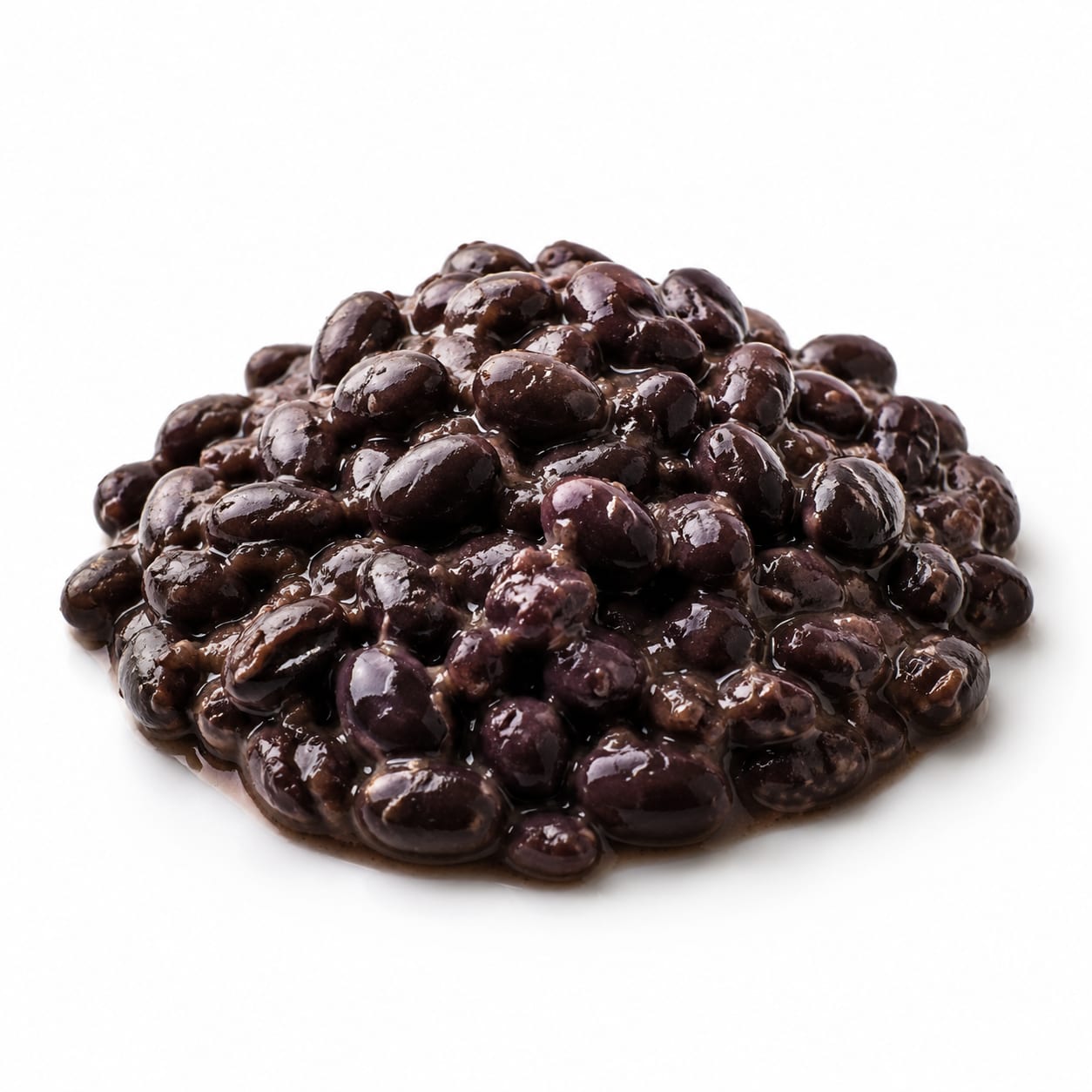
Black Bean
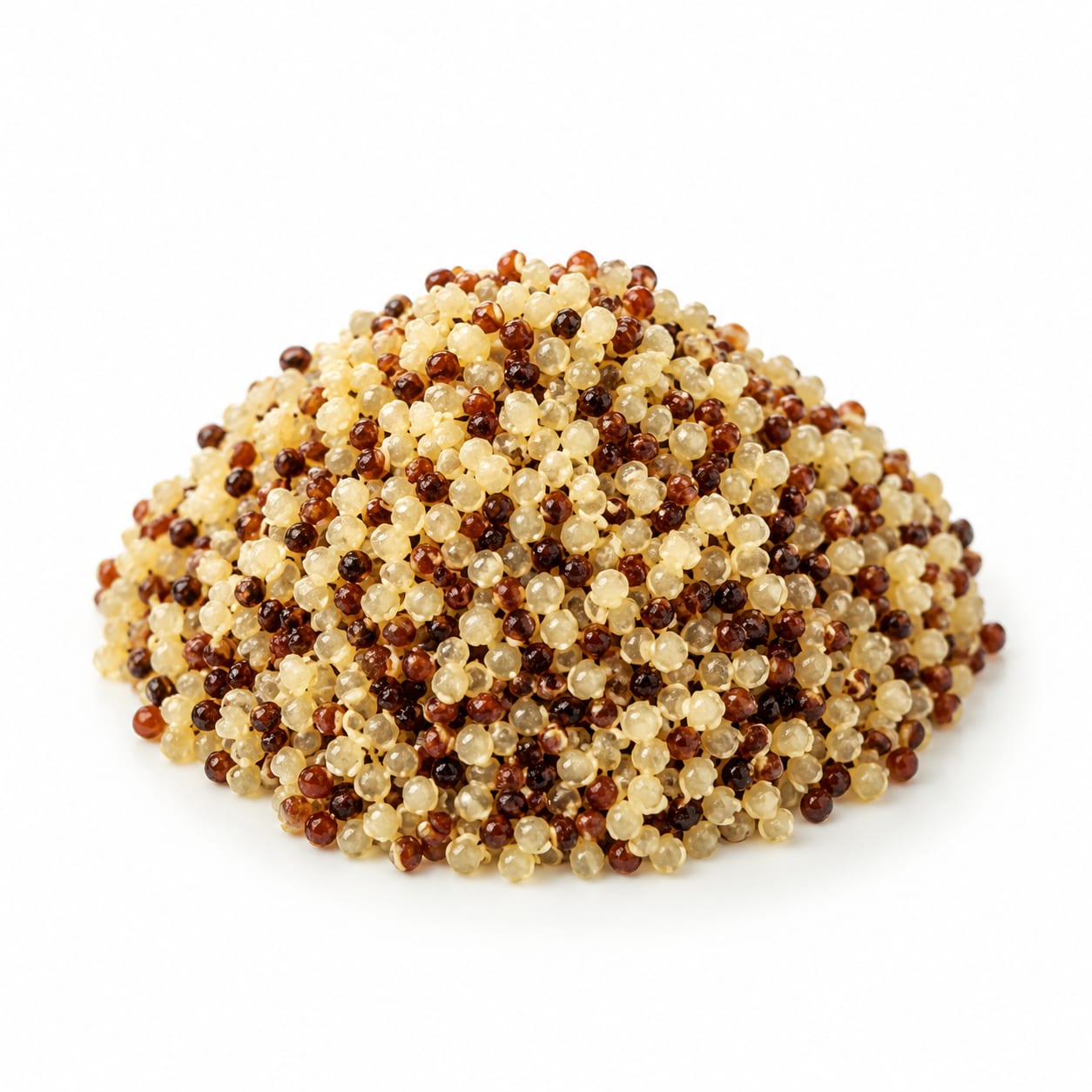
Quinoa
Black beans win on fiber and cost; quinoa wins on protein quality and digestibility. Together they are nutritionally complementary.
Black beans edge ahead on fiber, cost, and satiety, but quinoa's complete protein and easier digestion keep it close. The narrow gap reflects that both are excellent choices with different strengths.
Complete protein and easier digestion from quinoa versus dramatically more fiber and half the cost from black beans.
At a glance
Executive summary
Overall
It depends
Healthier
It depends
More practical
Quinoa
Daily use
Black Bean
Key comparison lenses
plant-based protein source selection
Both are top plant-based protein options, and users are likely deciding which better supports their protein needs
meal building and bowl construction
Black beans and quinoa are staple ingredients in grain bowls, burritos, and meal prep, often competing for plate space
digestive comfort and tolerance
Beans are notorious for causing gas while quinoa is generally gentler, a major real-world concern
weight management and satiety
Both are filling but through different mechanisms — fiber density versus protein completeness
blood sugar control
Both are low-glycemic but have different starch profiles that affect glucose response differently
Best choice for
Black Bean
- People prioritizing gut health and fiber intake
- Budget-conscious meal preppers
- Anyone managing blood sugar or cholesterol
- Those wanting maximum fullness per calorie
Quinoa
- People needing complete protein on plant-based diets
- Those with sensitive digestion who struggle with beans
- Athletes prioritizing amino acid availability
- Anyone wanting a lighter post-workout carb
Least suitable for
Black Bean
- People with severe IBS or FODMAP sensitivities
- Anyone unaccustomed to high-fiber diets ramping up too fast
- Those who need quick-digesting fuel before exercise
Quinoa
- People on tight grocery budgets
- Those with oxalate-sensitive kidney issues
- Anyone who finds the texture or bitterness off-putting
Deep comparison
Dimension by dimension
Each lens scores both foods and breaks down who each option suits.
- Dimension 1 · Priority 95Quinoa
Protein Quality and Completeness
Black Bean · 55Quinoa · 88Quinoa provides all nine essential amino acids, while black beans are low in methionine and need grain pairing for completeness.
Tradeoff
Black beans offer slightly more total protein per calorie, but quinoa delivers it in a more usable form without needing food combining.
Why it matters
On a plant-based diet, complete proteins reduce the mental load of meal planning and ensure better muscle recovery.
Real-world impact
A quinoa bowl after the gym supports recovery more simply than beans alone, which you'd need to pair with rice for full amino coverage.
Black Bean
- Total protein per dollar spent
- Protein density per calorie when paired with rice
Better for
- Incomplete protein requiring food pairing
- Lower methionine content
Worse for
Quinoa
- Standalone complete protein source
- Amino acid availability for muscle repair
- Simpler plant-based meal planning
Better for
- Less total protein per serving
- Higher cost per gram of protein
Worse for
- Dimension 2 · Priority 90Black Bean
Fiber and Gut Health
Black Bean · 94Quinoa · 58Black beans deliver roughly three times the fiber of quinoa, including powerful resistant starch that feeds beneficial gut bacteria.
Tradeoff
That fiber bounty comes with digestive discomfort for some, while quinoa offers gentler, moderate fiber that is easier to tolerate.
Why it matters
Most people fall far short of daily fiber targets. Black beans close that gap dramatically in a single serving.
Real-world impact
One cup of black beans provides over half your daily fiber needs. Quinoa gives about 20%, which is still helpful but not transformative.
Black Bean
- Closing daily fiber gaps quickly
- Feeding beneficial gut bacteria via resistant starch
- Supporting regular digestion and cholesterol reduction
Better for
- Significant gas and bloating risk
- Requires gradual introduction for unaccustomed guts
Worse for
Quinoa
- Gentler on sensitive digestive systems
- Less bloating and gas production
- More comfortable for IBS-managing diets
Better for
- Insufficient fiber for optimal gut health if relied on as primary source
Worse for
- Dimension 3 · Priority 80Black Bean
Blood Sugar Stability
Black Bean · 85Quinoa · 72Both are low-glycemic, but black beans' massive fiber and resistant starch content slows glucose absorption more effectively.
Tradeoff
Quinoa still provides steadier energy than most grains, but its carbohydrate-to-fiber ratio is less protective than beans.
Why it matters
For anyone monitoring blood sugar — prediabetics, diabetics, or the sugar-crash-prone — this difference compounds over years.
Real-world impact
A black bean lunch keeps afternoon energy crashes at bay longer. Quinoa is still steady, but you may feel hungry sooner.
Black Bean
- Stronger glucose buffering from resistant starch
- Longer-lasting satiety between meals
- Better HbA1c support in diabetic diets
Better for
- Carb content may still require insulin management for Type 1 diabetics
Worse for
Quinoa
- Still a low-glycemic carb choice
- Less likely to cause post-meal heaviness
Better for
- Higher glycemic load per serving than beans
- Less fiber to slow sugar absorption
Worse for
- Dimension 4 · Priority 82Quinoa
Digestive Tolerance
Black Bean · 42Quinoa · 78Quinoa is generally well-tolerated and gentle on the stomach, while black beans are infamous for causing gas and bloating.
Tradeoff
The same fiber that makes beans so healthy also makes them uncomfortable for many people, especially without gradual adaptation.
Why it matters
The healthiest food only works if you can actually eat it regularly without misery.
Real-world impact
If beans leave you bloated before a date or meeting, quinoa is the safer plate choice. Bean tolerance improves over weeks, but that ramp-up is unpleasant.
Black Bean
- Fiber tolerance builds over time with consistent consumption
Better for
- High oligosaccharide content causes fermentation and gas
- Intimidating for people new to legumes
- Can trigger IBS symptoms in sensitive individuals
Worse for
Quinoa
- Much lower gas and bloating risk
- Gentler introduction for low-fiber diets
- Better pre-event or pre-workout meal choice
Better for
- Saponins can cause mild stomach upset if not rinsed
Worse for
- Dimension 5 · Priority 75Black Bean
Cost and Accessibility
Black Bean · 95Quinoa · 52Dried black beans cost roughly one-third the price of quinoa per serving, making them one of the most nutrient-dense budget foods available.
Tradeoff
Quinoa's premium price reflects its complete protein and crop sensitivity, but the cost difference is substantial for weekly grocery budgets.
Why it matters
For families or individuals on tight budgets, cost determines what actually ends up on the plate regardless of nutritional ideals.
Real-world impact
Feeding a family of four with black beans three times a week saves significant money versus quinoa at the same frequency, with comparable nutrition.
Black Bean
- Extremely low cost per serving
- Widely available in canned and dried forms
- Long shelf life reduces food waste
Better for
- Canned versions may have added sodium
Worse for
Quinoa
- Available in most grocery stores
- Still cheaper than animal protein sources
Better for
- Premium pricing limits daily use for budget households
- Often imported, increasing cost and carbon footprint
Worse for
- Dimension 6 · Priority 70It depends
Nutrient Density Beyond Macros
Black Bean · 82Quinoa · 80Black beans excel in folate, iron, and potassium, while quinoa offers more magnesium, manganese, and vitamin B6.
Tradeoff
Each food shines in different micronutrients, making them genuinely complementary rather than directly competitive.
Why it matters
Micronutrient gaps affect energy, immunity, and mood in ways that macro counting misses entirely.
Real-world impact
Black beans better support pregnancy folate needs and blood health. Quinoa better supports bone density and enzyme function.
Black Bean
- Folate for cell repair and pregnancy
- Iron for energy and blood health
- Potassium for blood pressure regulation
- Antioxidants from dark seed coat
Better for
- Lower magnesium content
- Less manganese per serving
Worse for
Quinoa
- Magnesium for muscle and nerve function
- Manganese for bone health and metabolism
- Vitamin B6 for brain health
- Phosphorus for bone strength
Better for
- Less folate and potassium
- Fewer antioxidants by comparison
Worse for
Timeline
Health impact over time
Short-term
Hours to days
Black Bean
- Strong satiety and fullness within 30 minutes of eating
- Possible gas and bloating within 1-3 hours, especially if unaccustomed
- Steady energy without sugar crash due to slow digestion
Quinoa
- Lighter, comfortable fullness without heaviness
- Quick and easy digestion with minimal discomfort
- Sustained energy for 2-3 hours without spikes
Long-term
Months to years
Black Bean
- Improved cholesterol levels from soluble fiber
- Better gut microbiome diversity from resistant starch
- Reduced colorectal cancer risk with regular consumption
- Potential for improved blood sugar control over months
Quinoa
- Complete amino acid intake supports muscle maintenance with aging
- Magnesium intake may improve sleep and reduce cramps
- Gluten-free grain alternative reduces inflammation for sensitive individuals
- Consistent B-vitamin intake supports cognitive function
Risk profile
Safety & processing
Both are whole foods in their natural form. Dried black beans and raw quinoa are as unprocessed as staple foods get. Canned black beans may contain added sodium, but rinsing removes most of it.
Black Bean
BPA exposure from canned beans
mediumMost canned black beans use BPA-lined cans. Choosing dried beans or BPA-free cans eliminates this concern.
Lectin content from undercooking
mediumRaw or undercooked black beans contain phytohaemagglutinin, which can cause nausea and vomiting. Thorough cooking eliminates this risk.
Sodium in canned varieties
lowCanned beans can contain 400-500mg sodium per serving. Rinsing reduces this by roughly 40%.
Quinoa
Saponin residue causing bitterness or mild stomach upset
lowQuinoa naturally contains saponins that can irritate the stomach if not rinsed before cooking. Most commercial quinoa is pre-rinsed, but washing again is safest.
Oxalate content for kidney stone formers
lowQuinoa contains moderate oxalates, which may contribute to kidney stone formation in susceptible individuals.
Pesticide residue on conventionally grown quinoa
lowQuinoa has a natural pest deterrent in saponins, so pesticide use is relatively low, but conventional farming still applies some treatments.
Who wins for whom
Audience fit
Same foods, different winners depending on your goal.
children
QuinoaGentler digestion, milder flavor, and complete protein make quinoa more kid-friendly and easier to incorporate into meals.
daily consumption
Black BeanLower cost, higher fiber, and stronger long-term health benefits make black beans more sustainable as a daily staple for most people.
diabetes
Black BeanSuperior fiber and resistant starch content provides stronger blood sugar buffering and steadier glucose response.
elderly
It dependsQuinoa is easier to digest and provides complete protein for muscle preservation, but black beans offer more folate and fiber for heart and gut health.
muscle gain
QuinoaComplete protein with all essential amino acids supports muscle repair more effectively without needing food combining.
weight loss
Black BeanHigher fiber and lower calorie density make black beans more filling per calorie, reducing overall food intake naturally.
Your move
Decision guide
Choose Black Bean
- You want maximum fiber and gut health benefits on a budget
- Blood sugar management or cholesterol reduction is a priority
- You are comfortable with beans or willing to build tolerance gradually
- You meal prep in bulk and need affordable, shelf-stable protein
Choose Quinoa
- You need complete protein without food combining on a plant-based diet
- Beans cause you uncomfortable bloating or digestive distress
- You want a lighter carbohydrate source for post-workout meals
- You prioritize quick cooking and versatile flavor absorption
Either works if
- You are building a balanced grain bowl and can use both
- You rotate protein sources throughout the week anyway
- Cost is not a deciding factor for your household
Avoid both if
- You have severe digestive conditions that cannot tolerate either fiber or saponins
- You are on a strict low-carb or ketogenic diet
- You have specific allergies to legumes or seeds
Final recommendation
Eat both. Black beans and quinoa are nutritionally complementary — beans provide the fiber and resistant starch while quinoa fills the amino acid gaps. A bowl combining them gives you complete protein, massive fiber, and sustained energy. If you must choose one, pick black beans for daily value and gut health, or quinoa for digestive comfort and protein quality.
Practical
Consumer tips
- 1
Rinse canned black beans thoroughly to remove roughly 40% of added sodium
- 2
Soak dried black beans overnight and discard the water to reduce gas-causing oligosaccharides
- 3
Always rinse quinoa before cooking to remove bitter saponin residue, even if labeled pre-rinsed
- 4
Start with small portions of black beans and increase gradually over two weeks to build gut tolerance
- 5
Add a strip of kombu seaweed when cooking beans — it helps break down gas-causing compounds
- 6
Buy dried black beans in bulk for the best value; they store for over a year in airtight containers
- 7
Combine both in a single meal: black beans and quinoa together create a complete protein powerhouse with exceptional fiber