
Nutrition comparison
Black Beans vs Lentils: Which Is Healthier for Daily Eating?
Compare black beans and lentils on protein, digestion, cooking time, and blood sugar impact. Find out which legume fits your health goals and lifestyle better.
Overall winner · Lentils
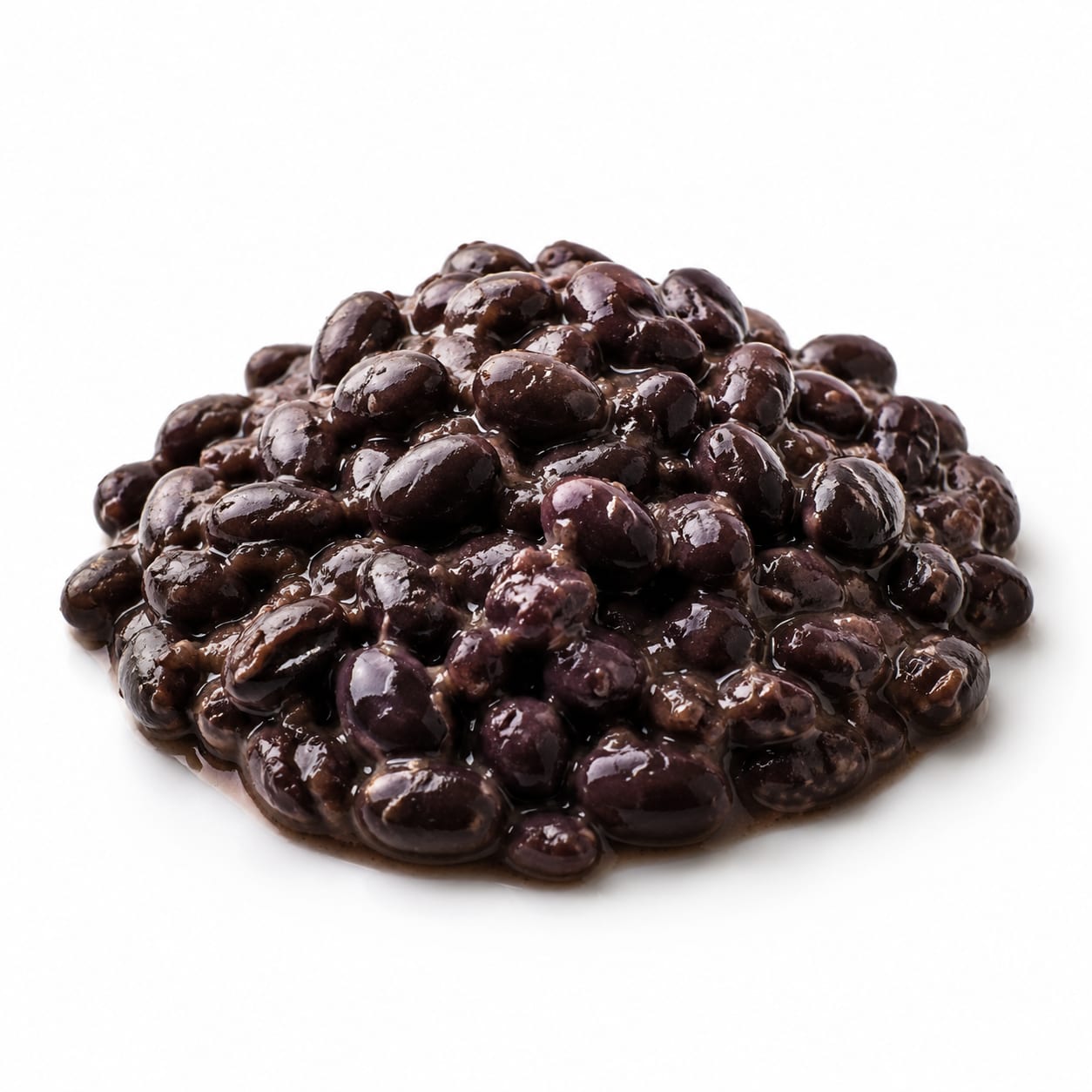
Black Bean
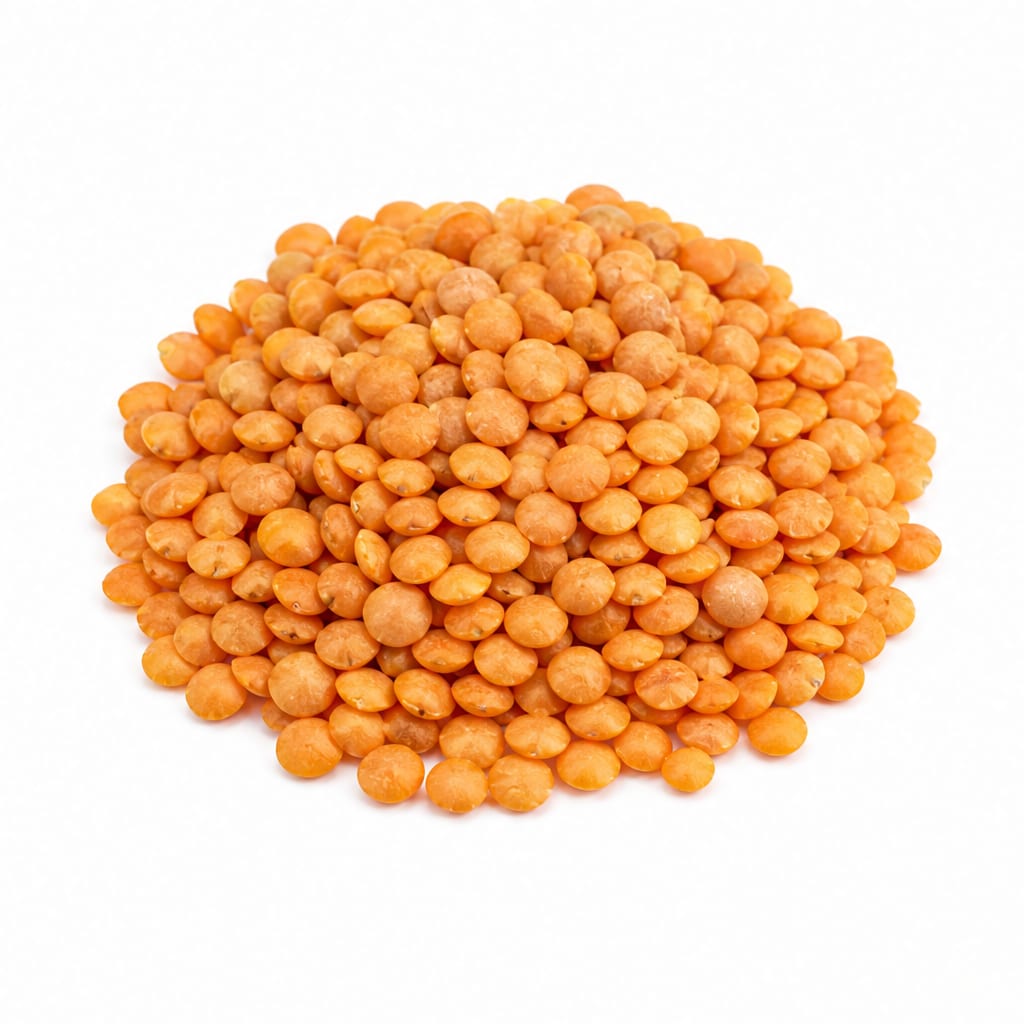
Lentils
Lentils edge out black beans thanks to faster cooking, higher protein density, and easier digestion — but black beans win on antioxidants and certain minerals.
Lentils score higher due to superior convenience, better protein density, and easier digestion. Black beans remain excellent but their longer cook time and higher gas potential narrow their everyday appeal.
You trade the deep antioxidant power and creamy texture of black beans for the speed, digestibility, and protein efficiency of lentils.
At a glance
Executive summary
Overall
Lentils
Healthier
Lentils
More practical
Lentils
Daily use
Lentils
Key comparison lenses
plant-based protein quality and density
Both are top plant protein sources, so users want to know which delivers more usable protein per serving
digestive tolerance and gas concerns
Beans and legumes are notorious for causing bloating, and the difference between these two is significant for daily comfort
cooking convenience and weeknight practicality
Lentils cook in 20 minutes while black beans take over an hour unsoaked, making this a real meal-planning factor
blood sugar management
Both are low-glycemic, but subtle fiber and starch differences matter for diabetics and energy stability
mineral absorption and antinutrient load
Phytic acid and iron bioavailability differ meaningfully between these legumes
Best choice for
Black Bean
- People wanting maximum antioxidant protection
- Latin and Caribbean recipe authenticity
- Those who prefer creamier, denser textures
- Anyone needing more magnesium in their diet
Lentils
- Busy weeknight cooks needing fast meals
- People with sensitive digestion or IBS tendencies
- Athletes seeking higher protein per calorie
- Anyone meal-prepping in bulk quickly
Least suitable for
Black Bean
- People prone to bloating or gas
- Last-minute meal makers without canned options
- Those counting every minute of prep time
Lentils
- People seeking deep anthocyanin antioxidants
- Traditional Latin American dishes where texture matters
- Those who find lentil texture unappealing
Deep comparison
Dimension by dimension
Each lens scores both foods and breaks down who each option suits.
- Dimension 1 · Priority 95Lentils
Protein Density and Quality
Black Bean · 75Lentils · 88Lentils deliver more protein per calorie and per serving, making them slightly more efficient for muscle maintenance and satiety.
Tradeoff
Black beans still provide solid protein but carry more carbohydrate calories alongside it, making the protein ratio less favorable.
Why it matters
If you're eating legumes primarily as a protein source, lentils get you there with fewer total calories.
Real-world impact
A cup of cooked lentils gives you roughly 18g of protein versus 15g in black beans — meaningful over a week of meals.
Black Bean
- Moderate protein needs with higher calorie requirements
Better for
- Strict protein-per-calorie tracking
Worse for
Lentils
- Lean bulking or body recomposition phases
- Vegetarians optimizing limited protein sources
Better for
- Dimension 2 · Priority 90Lentils
Digestive Comfort and Gas
Black Bean · 60Lentils · 78Lentils are generally easier on the gut and produce less gas than black beans, though both can cause bloating if you're not used to them.
Tradeoff
Black beans have higher oligosaccharide content, the sugars that ferment in your gut and cause gas. Lentils, especially red ones, are gentler.
Why it matters
Daily comfort matters more than most micronutrient differences. If a food makes you bloated, you won't eat it regularly.
Real-world impact
Switching from black beans to lentils can mean the difference between afternoon discomfort and feeling light after lunch.
Black Bean
- Date nights and social dinners
- Anyone already struggling with gas from other foods
Worse for
Lentils
- Office workers who can't afford post-lunch bloating
- People with mild IBS or sensitive digestion
- Gradual fiber intake increases for beginners
Better for
- Dimension 3 · Priority 88Lentils
Cooking Speed and Convenience
Black Bean · 45Lentils · 90Dried lentils cook in 15-25 minutes with no soaking. Dried black beans need 60-90 minutes and ideally an overnight soak.
Tradeoff
Canned black beans close the convenience gap but add sodium and cost. From scratch, lentils are dramatically faster.
Why it matters
The best healthy food is the one you actually cook. Speed often determines whether you eat legumes or grab something processed.
Real-world impact
You can decide to make lentils at 6pm and eat by 6:30. Black beans require planning or a can opener.
Black Bean
- Weekend meal prep with batch cooking
- Slow cooker or pressure cooker owners
Better for
- Hungry cooks wanting food in under 30 minutes
Worse for
Lentils
- Weeknight dinners after work
- Students with limited cooking time
- Spontaneous meal decisions
Better for
- Dimension 4 · Priority 80Black Bean
Antioxidant Power
Black Bean · 92Lentils · 65Black beans are one of the most antioxidant-rich legumes thanks to their dark anthocyanin-rich skin. Lentils, especially red ones, have far less.
Tradeoff
You sacrifice the deep purple-black pigments that fight oxidative stress when you choose lentils over black beans.
Why it matters
Antioxidants from whole foods compound over years. Black beans offer meaningful protection that lentils simply match less effectively.
Real-world impact
Regular black bean eaters get a small but real long-term edge against cellular aging and inflammation.
Black Bean
- Long-term disease prevention focus
- Anti-aging and longevity-oriented diets
- High-stress lifestyles with more oxidative damage
Better for
Lentils
- Those prioritizing maximum antioxidant intake from legumes
Worse for
- Dimension 5 · Priority 82Lentils
Blood Sugar Stability
Black Bean · 78Lentils · 85Both are low-glycemic, but lentils have a slightly lower glycemic index and higher soluble fiber ratio, steadying blood sugar more effectively.
Tradeoff
The difference is modest. Both are excellent choices compared to grains or starchy sides. Lentils just offer a slight edge.
Why it matters
For diabetics or anyone fighting afternoon energy crashes, even small glycemic differences affect how you feel hour by hour.
Real-world impact
A lentil-based lunch may keep you steadier through the 3pm slump compared to a black bean equivalent.
Black Bean
Lentils
- Pre-diabetics stabilizing blood sugar
- Afternoon energy crash sufferers
- Intermittent fasters breaking their fast
Better for
- Dimension 6 · Priority 78It depends
Mineral Content and Absorption
Black Bean · 80Lentils · 82Black beans win on magnesium and some trace minerals. Lentils win on folate, potassium, and iron bioavailability due to lower phytic acid.
Tradeoff
It depends on which minerals you're actually deficient in. Most people need folate and iron more than magnesium.
Why it matters
Minerals from plant sources are already harder to absorb. Phytic acid differences between these two meaningfully affect what your body actually uses.
Real-world impact
Women prone to iron deficiency may absorb more usable iron from lentils despite black beans having similar total iron content.
Black Bean
- People low in magnesium
- Those already supplementing iron who don't need more
Better for
- Iron-deficient individuals relying on plant iron
Worse for
Lentils
- Women of reproductive age needing iron
- Pregnant women or those trying to conceive needing folate
- Anyone not taking a multivitamin
Better for
- Those specifically targeting magnesium intake
Worse for
- Dimension 7 · Priority 75It depends
Versatility and Cuisine Fit
Black Bean · 78Lentils · 82Lentils work across more global cuisines — Indian, Middle Eastern, Mediterranean, even soups and salads. Black beans shine in Latin American dishes.
Tradeoff
Black beans feel irreplaceable in burritos and bowls. Lentils blend into almost anything without dominating the flavor.
Why it matters
Variety prevents diet fatigue. The food that adapts to more recipes gets eaten more often.
Real-world impact
Lentils can disappear into a soup, bulk up a salad, or form a burger patty. Black beans always taste like black beans.
Black Bean
- Taco Tuesday enthusiasts
- Burrito bowl meal preppers
- Anyone building Latin-flavored dishes
Better for
- Cooks wanting a neutral-tasting legume base
Worse for
Lentils
- Curry and dal lovers
- Soup makers wanting a neutral legume
- Those who rotate between many cuisines weekly
Better for
- Authentic Latin American recipes
Worse for
Timeline
Health impact over time
Short-term
Hours to days
Black Bean
- More likely to cause bloating and gas within hours of eating
- Steady energy release but slightly slower digestion
- Very filling — easy to overeat and feel heavy
Lentils
- Lighter digestive experience with less gas
- Quicker energy availability due to faster digestion
- Feels less heavy in the stomach after meals
Long-term
Months to years
Black Bean
- Superior antioxidant protection against cellular aging
- Strong support for gut microbiome diversity through resistant starch
- Consistent intake may lower chronic inflammation markers more robustly
Lentils
- Better long-term iron status, especially for menstruating women
- More sustainable daily habit due to easier digestion and faster cooking
- Slightly better blood sugar control over months and years
Risk profile
Safety & processing
Both are whole, minimally processed foods in their dried form. Canned versions add sodium but remain clean options if rinsed. Neither raises ultra-processing concerns.
Black Bean
Undercooking toxicity
mediumRaw or undercooked black beans contain phytohaemagglutinin, a lectin that can cause nausea and vomiting. Always boil fully — slow cookers alone may not reach safe temperatures.
Canned BPA exposure
lowMost canned black beans use BPA-lined cans. Choose Tetra Pak or BPA-free cans if eating canned daily.
Lentils
Undercooking discomfort
lowUndercooked lentils are harder to digest but not toxic like undercooked beans. They may cause mild stomach upset at worst.
Canned sodium
lowSame canned sodium concern as black beans. Rinsing removes about 40% of added sodium.
Who wins for whom
Audience fit
Same foods, different winners depending on your goal.
children
LentilsLentils are easier for small digestive systems to handle, cook into smoother textures, and cause less gas — all important for picky or sensitive kids.
daily consumption
LentilsFaster cooking, gentler digestion, and higher protein efficiency make lentils more sustainable as an everyday staple without fatigue or discomfort.
diabetes
LentilsLower glycemic index and higher soluble fiber ratio provide steadier blood sugar control, though both are excellent diabetic-friendly foods.
elderly
LentilsEasier digestion, softer texture when cooked, and higher folate support the nutritional needs and digestive sensitivity common in older adults.
muscle gain
LentilsHigher protein density and better leucine content make lentils slightly more effective for muscle protein synthesis from plant sources.
weight loss
LentilsLentils offer more protein and fiber per calorie, keeping you full with slightly fewer calories per serving.
Your move
Decision guide
Choose Black Bean
- You cook in bulk on weekends and don't mind longer prep
- Antioxidant density and longevity-focused eating are top priorities
- You regularly eat Latin American cuisine and want authentic texture
- You're not bothered by occasional bloating or gas
Choose Lentils
- You need dinner on the table in under 30 minutes from dried legumes
- Digestive comfort is a daily concern for you
- You want maximum protein per calorie from a plant source
- You're new to eating legumes regularly and need an easy entry point
Either works if
- You're using canned versions where cook time doesn't matter
- You rotate between multiple legume types weekly anyway
- You're getting antioxidants from berries and other colorful foods already
- Your main goal is simply eating more whole plant foods
Avoid both if
- You have a diagnosed legume allergy
- You're in a strict low-FODMAP elimination phase
- You experience severe GI distress from all beans and lentils even after gradual introduction
Final recommendation
Keep both in your pantry but default to lentils for everyday meals — they're faster, gentler, and more protein-dense. Save black beans for recipes where their creamy texture and antioxidant depth truly shine, like burritos, soups, and Latin-inspired bowls. The best approach is rotation: lentils most days, black beans a few times a week.
Practical
Consumer tips
- 1
Soak black beans overnight and discard the water to reduce gas-causing oligosaccharides by up to 75%
- 2
Red lentils break down into a creamy texture perfect for soups and curries; green and brown lentils hold their shape better for salads
- 3
Rinse canned varieties thoroughly — you'll remove roughly 40% of the added sodium
- 4
If you're new to legumes, start with 1/4 cup servings of lentils and increase gradually over two weeks to let your gut adapt
- 5
Add a strip of kombu seaweed when boiling black beans — it helps break down gas-causing compounds without changing flavor
- 6
Pressure cookers eliminate the soak time for black beans entirely, cooking them from dry in about 25 minutes